
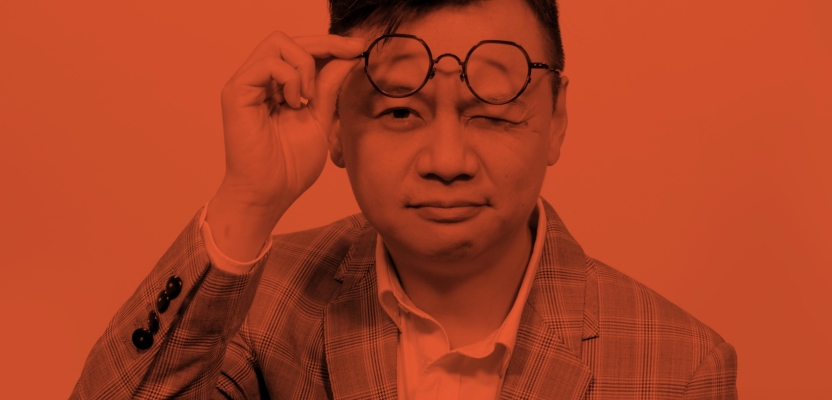

Christopher Lee's journey into the design industry was anything but linear. Fuelled by an early entrepreneurial spirit and a deep curiosity about visual communication and human interaction, he pursued studies in design and storytelling at university.
His honours project—a compelling animation—caught the attention of yU+co, leading to an opportunity with their Hong Kong studio. There, Christopher was exposed to a diverse creative landscape encompassing branding, interactive media, and motion graphics, broadening his horizons beyond the film industry he initially envisioned.
Now based in London, he is the founder of Noiseless and Noiseless Design, agencies dedicated to delivering thoughtful, strategic branding and communication solutions with a focus on purpose-driven creativity.
How did you first get into the industry?
My path was quite not a straight line. I’ve always known I wanted to build something of my own. The entrepreneurial itch was there from early on. But it was my curiosity about visual communication and human interaction that eventually led me to study design and storytelling at university.
For my honours project, I created an animation that caught the attention of yU+co, which earned me an opportunity to join their studio. At the time, I thought I was headed for the film industry. I even laughed at how far that world felt from where I am now. But their Hong Kong office worked across branding, interactive media, motion graphics — it opened my eyes to the vast creative landscape beyond cinema. That’s where the journey truly began.
Where are you based now and who do you work for?
I’m based in London, though I travel back to Hong Kong every quarter to connect with our team there. I founded both Noiseless and Noiseless Design, and we work with a wide variety of clients; often those looking for branding or communication design with a thoughtful, strategic lens. Our focus is on purpose-driven creativity, wherever that may take us.
What is your personal background and what role did it play in your career?
My background is a mix of business, communication, and visual storytelling - and that eclectic blend is really what shapes my approach to design. For me, design has never just been about how something looks; it’s about how it works, what it solves, and what it means.
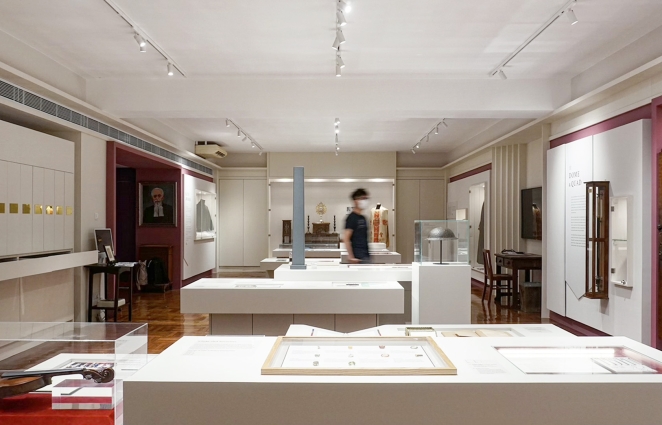
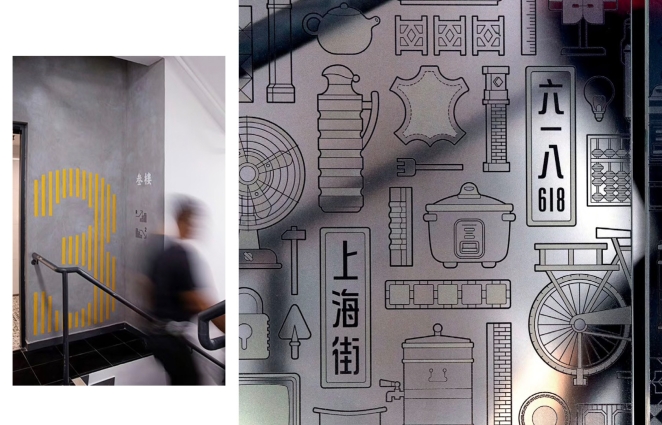
That belief was the foundation for Noiseless Design - a multidisciplinary agency built around flexibility and clarity. We don’t have a house style, and I never wanted us to be boxed in. Every project is different, and the aesthetic is always a byproduct of our thinking, not the goal itself.
If you weren’t in your current industry, what would you be doing?
Probably pruning bonsai somewhere peaceful. Seriously, growing a tree and growing a business is essentially the same.
Can you explain your creative process? What makes it unique?
At the heart of our process is brand purpose. That always comes first. We often find that client briefs are shaped by immediate needs - and while that’s understandable, it can lead to tunnel vision. We try to zoom out, look at the bigger picture, and provide strategic clarity.
We call it the “Minus” approach: constantly challenging ourselves and the brief to distil the idea down to what’s truly essential. Our goal is always maximum impact through minimal intervention.
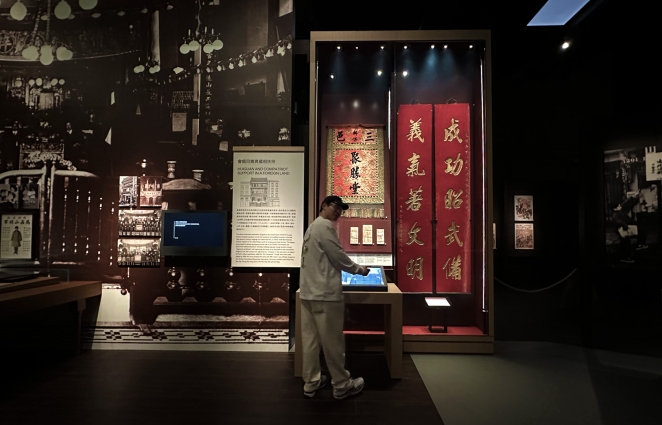
We also place storytelling at the core of our work. Whether it’s a campaign, a rebrand or a spatial design, we want the message to flow naturally and with meaning.
How would you describe your style?
I don’t think of style in purely visual terms. For us, design is a long-term problem-solving tool. We’re proud of the longevity of our projects. Many of them have outlived their expected shelf life and continue to bring value to our clients. That, to me, is style.
Which individuals do you gain inspiration from? Do you have any heroes in the industry?
- Bob Gill, for his honesty and wit.
- Kenya Hara, I admire his work being poetically minimalistic, and his thoughtful stewardship of the Japanese design industry.
- And my late mentor Tony Sin, who is the voice in my head when I need to strategise.
What tips would you give to aspiring creatives looking for work?
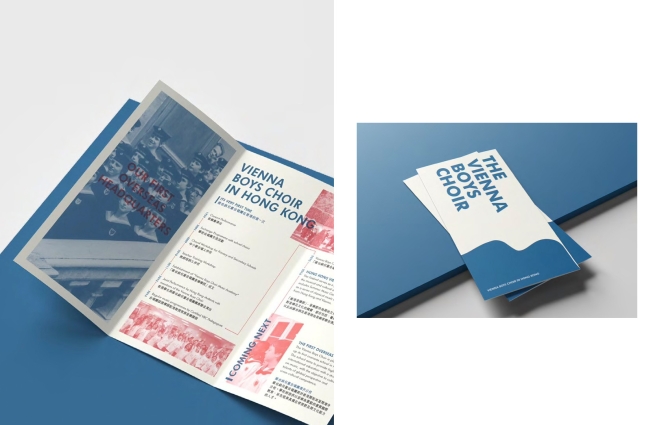
Be adaptable, and stay true to your values. Trends will come and go, but if you focus on understanding people and creating honest, human-centred work, you’ll always be relevant.
What tips would you give to other professionals to get more clients?
Same principles apply. Always approach each opportunity with humility and curiosity. Consider yourself a student — there’s always more to learn. Be genuine, stay humble, and don’t be afraid to speak up with your perspective.
Can you share a memorable experience from your career journey that shaped your approach to creativity?
Absolutely. Back in 2012, a client requested a video that, in my opinion, didn’t align with the core purpose of the project. I proposed three alternative concepts, hoping they’d drop the original and choose one of mine instead.
The project stalled. Eventually, my mentor said something simple but powerful: “Why not just give them what they’re asking for?”
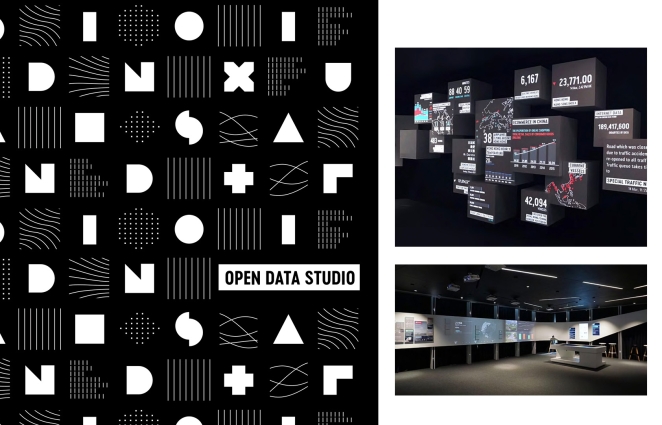
So I did. And - to my surprise - the client came back and said: “We’ll take your three ideas as well.” That project turned into a full-fledged exhibition and became our first internationally awarded piece.
It was a huge lesson in letting go of ego. The client can also be right. Sometimes, it’s not about compromising. It’s about trusting the process and being open to unexpected outcomes.
What kind of tools/kit/software could you not do without?
- Pen and paper: for thinking clearly.
- Notion: for keeping everything and everyone aligned.
What’s your secret to staying inspired and motivated?
The blend of technology and curiosity. I grew up on the early internet, then the smartphone era. And now we’re in the age of AI. Every shift makes learning easier. That keeps me energised.
What’s the work achievement you’re most proud of?
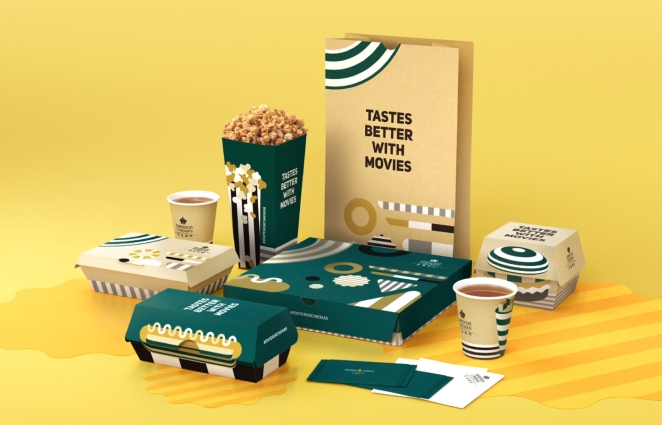
Keeping the team together through the chaos of 2019 to now. Without anyone taking a pay cut! That resilience means more than anything.
As someone with experience in the industry, what trends do you foresee shaping the future of creativity?
AI will transform everything: from how we make decisions to how we experience brands. But equally important is the rising demand for ethical brands. People care about impact, not just image. I see this as an opportunity for brands to build real, lasting connections.
What do you think sets apart truly exceptional creatives from the rest of the pack?
The ability to create work that’s timeless: something that resonates not just today, but years from now. That’s what I admire most.
How do you think technology has influenced the creative industries and how have you adapted to these changes?
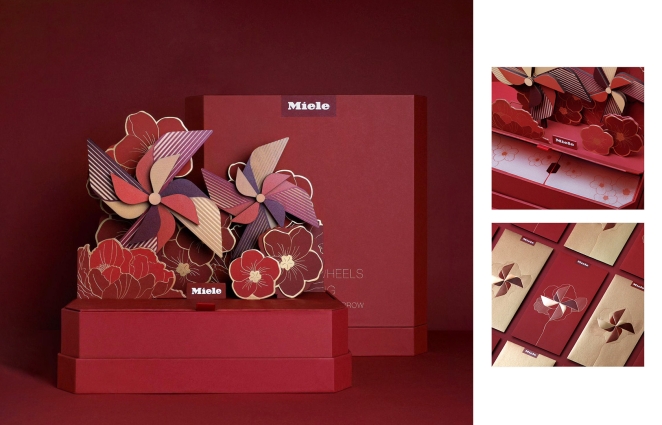
It’s like the shift from film to digital. We need to honour the craft of the past while embracing the tools of the future. It’s not about replacing. It’s about evolving.
What is the one thing that you would change about the industry?
Balance. I’d love to see a world where “8 hours work, 8 hours sleep, 8 hours living” is the norm - not the exception.
Any websites, books or resources you would recommend?
- It’s Not How Good You Are, It’s How Good You Want to Be by Paul Arden - timeless advice in a pocket-sized book.
- Pinterest - still a goldmine for visual research and unexpected ideas.