
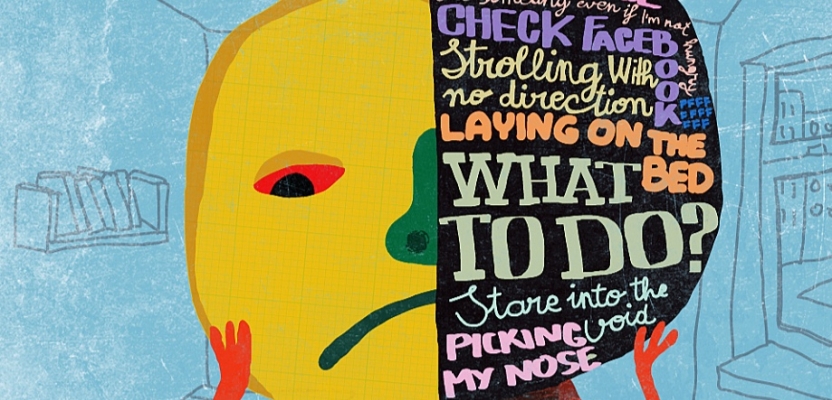

If you ask most creatives why they got into the industry, their answers will orbit around one thing: the simple thrill of making stuff. Designing, writing, animating, composing (whatever the medium), it’s the act of creating that fuels the fire.
Yet the uncomfortable truth, laid bare by the latest Scaling Creative Operations Survey Report by Monotype is that the majority of us spend more time chasing approvals, wrangling tools, and sitting in meetings than actually doing the thing we’re supposedly paid for.
In fact, the report reveals that only 27% of a creative’s week is spent creating. The rest? Death by admin, Slack pings, and version-control purgatory. It begs the question: how did we let the industry designed to celebrate imagination become an industry that slowly strangles it with bureaucracy?
The Big Reveal (And It’s Not Pretty)
Let’s start with the depressing headline: according to the Scaling Creative Operations Survey Report creatives spend just 27% of their time actually creating. The rest? Lost to the gaping maw of meetings, admin, revisions, alignment calls, project management tools that don’t talk to each other, and feedback loops that never seem to end.
That means three-quarters of the average creative professional’s working week is consumed by not doing the thing they were hired to do. Imagine hiring a Michelin-starred chef and then telling them to spend most of their day in supplier negotiations and spreadsheet hell, only occasionally letting them near a pan. That’s the creative industry right now.
And the kicker? This isn’t just a minor inconvenience. It’s costing agencies and brands money, morale, and (perhaps most dangerously) the spark of creativity that sets them apart.
Death by a Thousand Slack Pings
Afonso Fernandes
The report paints a clear picture of the enemy: fragmentation. On average, a creative project now passes through more than seven different tools before reaching completion. You’ve got asset management here, collaboration software there, half a dozen email threads, and a rogue Google Drive folder that hasn’t been updated since 2021.
The result is a Frankenstein workflow stitched together from the latest SaaS darlings, where no single platform rules them all. Creatives spend hours hunting down the “final_final_v6.psd” instead of actually designing. It’s not just inefficient – it’s soul-sapping.
Meetings are another killer. The survey found that a third of creative time is devoured by meetings and approvals, most of them unnecessary. Anyone who has sat through a two-hour Zoom call to discuss kerning on a sub-brand logo knows exactly how this feels.
Culture Eats Creativity for Breakfast
But tools are only part of the problem. The report highlights cultural bottlenecks as equally damaging. Misalignment between marketing and creative teams, constant re-briefing, unclear feedback. These are structural issues, not technological ones.
Too often, creative teams are treated as service desks rather than strategic partners. The brief lands late, changes midway, then spirals into endless tweaks. Instead of spending time ideating and crafting, creatives become traffic cops directing an unending jam of stakeholder opinions.
No wonder the report shows that morale suffers when creative time dips below 30%. Creativity thrives on flow, not interruption. When the day is chopped into a thousand competing demands, “flow” becomes a myth and burnout becomes the reality.
Why It Matters
If you’re thinking this is just a “first-world problem,” think again. The report estimates that billions are lost annually in wasted creative productivity. In a world where every brand is screaming for attention, the only real differentiator is creativity – and we’re hobbling it.
The irony is exquisite: businesses invest heavily in building creative departments, then smother them with bureaucracy until the creativity dries up. It’s like buying a racehorse and then making it pull a milk cart.
Course Correction: What Can We Do?

Andy Clow
So, how do we claw back time for actual creative work? The report (and the lived experience of countless agency veterans) points to a few remedies.
1. Streamline the Tech Stack
Stop hoarding apps like they’re Pokémon cards. Too many tools = too much friction. Standardise around fewer, integrated platforms so assets, briefs, and feedback live in one place. Less tool-hopping = more time for actual output.
2. Create Creative Ops Roles
The rise of Creative Operations as a discipline is a genuine game-changer. Ops specialists handle process, workflow, and resource allocation, freeing creatives to… well, create. The report shows teams with strong ops support spend significantly more time on productive work.
3. Rewire Feedback Loops
Feedback isn’t the problem. Bad feedback is. Replace ambiguous “make it pop” comments with structured, centralised reviews. Appoint a single stakeholder to collate feedback rather than subjecting creatives to death by committee.
4. Redefine Creative Culture
Creatives shouldn’t be downstream service providers; they should be upstream collaborators. Involve them early in the strategy stage so fewer U-turns happen later. The report makes clear: the earlier creatives are included; the less time is wasted downstream.
5. Defend Focus Time Like It’s Gold
Block out “no-meeting” afternoons. Encourage deep work. Celebrate output over attendance. In short: give creatives the space to do what they’re best at. A little calendar discipline goes a long way.
A Global Issue with Local Flavours
The report draws on responses from both agency and in-house teams across the US, UK, and beyond, and while the numbers vary, the story is consistent. Globally, creative teams are being bogged down by admin and alignment.
In the US, the obsession with hyper-accountability leads to bloated approval chains. In the UK, legacy hierarchies and risk-aversion mean briefs ping-pong endlessly before being signed off. In APAC, rapid scaling and time-zone juggling often pile extra strain onto already stretched teams.
Different flavours, same meal: too little actual creativity, too much noise.
The Human Cost
Joshua Sebastian A
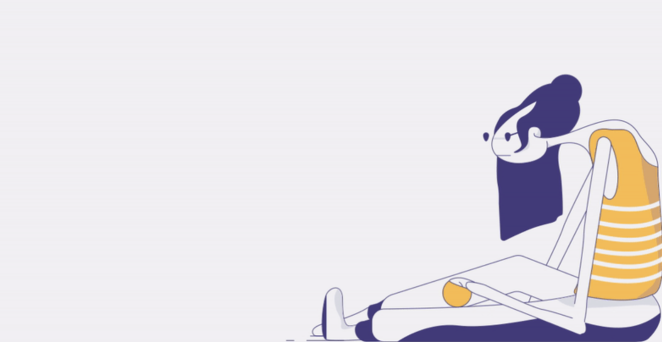
Numbers aside, let’s not forget the human impact. When creatives spend most of their week wrestling processes instead of pixels, the joy drains away. The report links these inefficiencies directly to burnout and retention issues.
The irony is thick: the very people hired for their imagination and problem-solving skills are often the ones least empowered to fix the systemic issues killing their creativity. Leaders need to step up because talent won’t stick around if the job description doesn’t match the day-to-day reality.
Towards a More Creative Future
The good news? This isn’t inevitable. The report highlights that high-performing creative teams already exist – they just operate differently. They:
- Invest in creative ops as a strategic function
- Standardise tools and processes
- Treat creatives as partners in strategy
- Value focus time as much as collaboration
The result? They reclaim hours every week for actual craft. And that’s not just good for morale – it’s good for business. The correlation between time spent on creative work and campaign effectiveness is too obvious to ignore.
Liberation
So, why do creatives spend so much of their time on non-creative work? Because somewhere along the line, the industry let bureaucracy, tech sprawl, and cultural misalignment take over. But it doesn’t have to stay that way.
The world doesn’t need more meetings; it needs more ideas
If you’re a leader, ask yourself this: How much of my team’s week is spent creating, and how much is spent chasing approvals, updating decks, or finding files? If the answer horrifies you, congratulations – you’re paying attention.
Creativity is the lifeblood of this industry. It’s why clients come to agencies. It’s why audiences remember brands. And it’s why many of us got into this business in the first place. The more time we give creatives to actually create, the better off we’ll all be.
So, let’s liberate them from the milk carts and let them run. The world doesn’t need more meetings; it needs more ideas.