
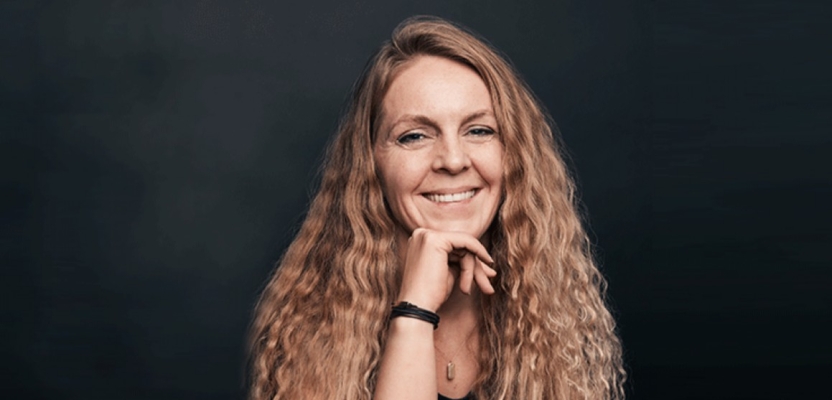

Fura Jóhannesdóttir, Global Chief Creative Officer at Interbrand, is a global creative leader who started in a humble digital agency in Iceland and went on to shape some of the world’s biggest brands. In this exclusive interview, we explore their passion for innovation, the power of daring to be different, and how curiosity can fuel a decades-spanning career.
From collaborating with teams across continents to leading the charge into AI-driven frontiers, Fura shares the personal triumphs, toughest challenges, and unwavering commitment to reinventing the industry from within. Dive in to discover what keeps this visionary at the top of their game—and how you can channel that same fearless drive in your own creative journey.
Tell us a bit about your role! Is there a “typical” day?
In my role, every day is different and it really depends on what is the focus at any given point of time. Meeting clients is a huge part of everything we do – and that’s always a brilliant opportunity to learn, collaborate and grow.
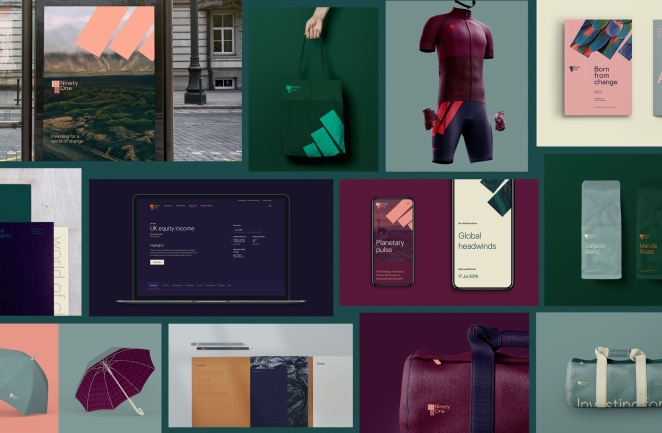
If there is pitch work, that’s always a big focus: framing innovative and compelling new solutions. Another day you are thinking about award submissions, looking at the work, getting to know the teams and planning for the future. You never know what each day is going to entale.
What was the biggest challenge in getting to your current position?
You build your credentials up over time, so the challenge is not just in this job, it’s in all the work you put in throughout the years. The biggest challenge for me – and in turn the biggest opportunity - has been in experiencing so many different countries, working within different cultures and understanding the dynamics.
It has allowed me to get a better perspective of the world, built up more empathy towards others and helped me develop greater respect for all the nuances that go into creating great work.
What is your personal background and what role did it play in your career?
I started my career in a digital agency in Iceland, back in 2000, and that one move has shaped the rest of my career. It made me curious about the future so I moved to NYC to take a masters in a program that’s called Design and Technology at Parsons. That turned out to be a great unlock, because it lead me to the digital innovation company, R/GA.
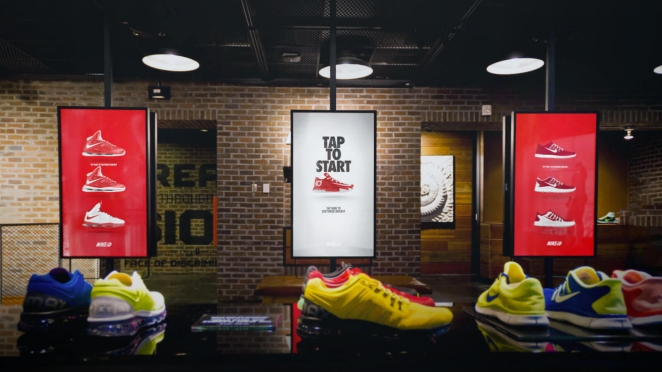
There I got very lucky and worked with Nike, which was a leading brand in the digital space back then. Since my days at R/GA I have tried to hold onto that curiosity and really looked forward. How is technololgy going to shape the world, change people and influence brands?
How can we get brands to take more risk, lead the way and understand that it’s the only way forward? So my background has helped me carve out a very special space in the creative industry.
What is your biggest career-related win? What is your biggest loss?
My teams have always been important to me, it’s how we make great work and drive strong culture. My greatest career related win is that I have had the opportunity to work with and learn from the very best in the industry. I still think this is true and consider myself to be very lucky to work with the people at Interbrand. I’m learning a ton from them.
My biggest loss was when I needed to close down an office for one of the companies I worked with. It was the most difficult thing I ever did, specifically because I disagreed with the decision and felt like that particular office was full of strong talent that had a lot of great things to offer.
Which individuals and/or agencies do you gain inspiration from? Do you have any heroes in the industry?
I gain insipiration from those those who dare to be different and take risk. I really admire Bob Greenberg. He took an enormous risk and completely changed his whole business in the 1990’s.
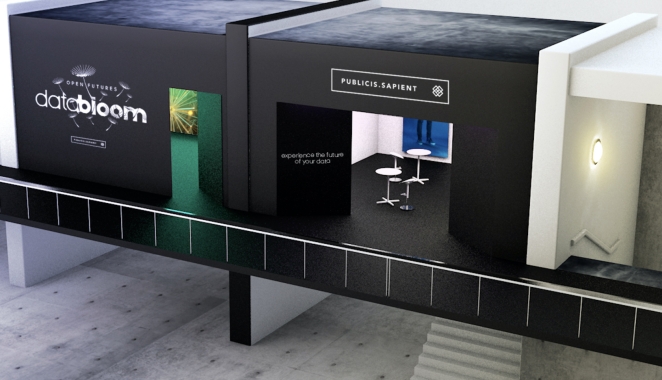
He was doing well with his production studio and then took a 180 and went into digital. He read the future, created a strong vision and built one of the strongest digital agencies in history. That is something I truly admire and it inspires me every day.
What advice would you give to your younger self?
Be bolder and speak your mind.
If you weren’t in your current industry, what would you be doing?
I would be a farmer.
What’s your one big dream for the future of the industry?
That we reinvent ourselves from the core.
What are your top tips for aspiring creative professionals?
Find inspiration in the arts, theatre, architecture, product design and nature.
Don’t follow old recipes, invent your owns.
Obsess about AI and explore it’s possibilities.
Be a master of the tools.
Don’t treat this as a job, but as your passion.
Play!!!!!
What are your top tips for other creative leaders?
Have a vision for people to buy into.
Don’t wait for the brief, create the brief.
Don’t wait to be asked, take the lead.
Focus on the work, not the politics.
Create culture around the work.
Build strong relationships with your clients.
When you think about your team, what is the thing that matters to you the most?
Trust. You need people around you that you trust – you need people to trust you.
How do you approach collaboration with other creatives or teams and what do you believe makes for successful partnerships?
Diverse perspectives is one of the key ingredients in creating great work. It’s the collaboration of different crafts that create the magic.
But for the magic to happen you need to carefully curate the teams. Make sure it’s the right chemistry, the right skills and the right energy. Throwing people together and hoping that it works does not work.
What industry trends do you foresee taking hold in the coming months?
AI is drastically changing the world, so lean in. It’s not a trend, it’s our future. The conversations around social media and it’s affect on children will continue. Changes might happen there that will require some clients to rethink their strategies.
What do you think sets apart truly exceptional creatives from the rest of the pack?
Passion, this is not a job, it’s a way of living.
How do you think technology has influenced the creative industries and how have you adapted to these changes?
Technology has completely changed the industry and the lines between the digital and physical world are completely blurred.
My creativity has always lived at this intersection, but I find it harder and harder to keep up, specifically when it comes with AI and the changes there. The only way to keep up is to do a lot of reading, tons of podcast listening and then lean in and play with it.
How do you prioritise self-care and maintain a healthy work-life balance?
This is hard but it’s become more important to me as I get older. I do wake up early to go to the gym, I try not to move those “meetings”. When I travel I try to keep up with a routine in terms of exercise.
I find ways to work with my social schedule and put in times to meet with friends. All of this is in my calendar. The happier I am the better my work becomes. So it’s important to drive this balance.
How do you handle creative blocks or burnout?
I run to free my mind. I go back to Iceland and go to my farmhouse to recharge. I turn back to more natural things than digital things to overcome all of this.
Can you describe a moment when you had to think outside the box to overcome a creative challenge?
I’m not going to talk about one particular thing here, but I think it’s important to simply try to do things differently than they have been done before. My team created a brand for a Financial Institution that looked more like a lifestyle brand.
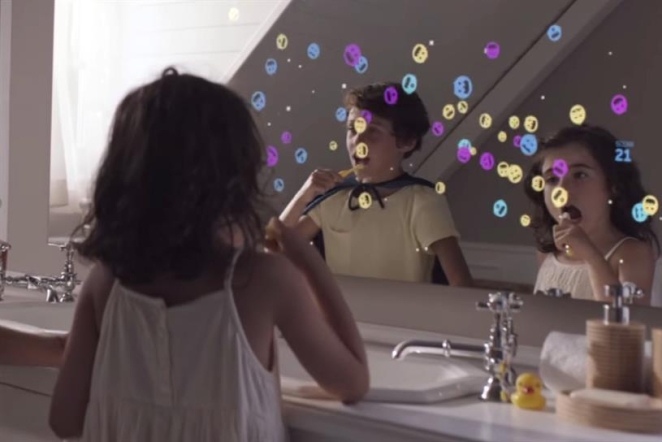
We have created banking apps with functionality never seen before. Early one we played with motion tracking to capture people’s attention and get them to engage. My point is that you need to invent – not replicate. That’s how you create a name for yourself.
Do you have any websites, books or resources you would recommend?
Book: Emotion By Design – Greg Hoffman
Book: The Creative Act – A way of Being – Rick Rubin
Book: Hope Faith and Carnage – Nick Cave
Podcast: Pivot – Kara and Scott Gallaway
Podcast: The Creative Mindset – Rei Inomoto
Favorite Museum: The Louis Vuitton Foundation – Paris
Artist: Bill Viola (sadly deceased)