

If 2023 was the year AI officially made itself known to the creative industries, 2025 is officially the year it kicked down the door.
OpenAI, the Microsoft-backed juggernaut behind ChatGPT, is preparing to roll out a new version of its text-to-video generator, Sora. And this time, the company has decided that the burden of copyright protection doesn’t sit with the tech giants who build these tools but with the creatives whose work they’re built on.
“The default state of Sora is participation, whether the offended parties want to or not.”
According to the Wall Street Journal and Wired, the new Sora will default to including copyrighted content unless rights holders explicitly opt out. That’s right: unless you, your agency or your studio take proactive steps, your characters, designs or film stills could soon be turning up in AI-generated videos dreamed up by complete strangers.
The Great Opt-Out Experiment
Traditionally, copyright law works on an opt-in model. You ask permission before you use someone else’s IP. OpenAI has flipped this logic. Now, unless you formally lodge an objection, your work is assumed to be fair game for training and output.
“The default state of Sora is participation, whether the offended parties want to or not.”
Hollywood isn’t amused. Disney has already opted out, fearful of seeing Mickey Mouse moonlighting in AI-generated TikToks. Talent agencies and big studios are scrambling lawyers. Meanwhile, independent artists (the very people least equipped to deal with this kind of red tape) may not even realise they need to opt out until it’s too late.
That’s the real kicker. Big media companies have the resources to protect their IP. The freelancer in Manchester who designed a quirky mascot for a craft beer label? Not so much.
Enter Sora 2: TikTok Meets Frankenstein
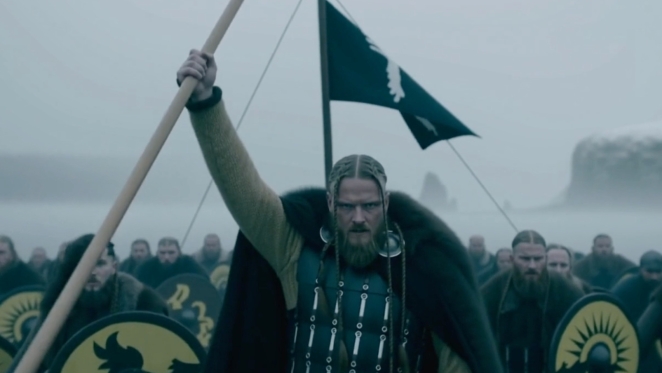
At the same time, OpenAI is preparing to release Sora 2 as a standalone app. Think TikTok, but every swipe brings up a freshly minted AI video. Ten seconds long, vertical, swipe-to-scroll.
There’s no option to upload footage from your camera roll. Instead, users type a prompt and Sora spits out a clip: a dog in space, a branded character doing Fortnite dances, maybe your original character from that indie animation project you posted to Vimeo in 2017.
The app even includes an identity verification system. Verify your likeness and you can insert yourself into clips. Which sounds fun until you realise just how blurry the line between parody, performance and personal IP is about to get.
“Ask Forgiveness, Not Permission”
This isn’t an accident. The AI industry has been operating on an “ask forgiveness later” model for years. Remember early YouTube, when entire episodes of The Simpsons were uploaded in chunks, and nobody seemed to know what to do about it? Generative AI is repeating that story, only faster, and with higher stakes.
OpenAI knows lawsuits are coming. It’s gambling that by the time regulations catch up, Sora will be so embedded in workflows, TikTok feeds and client briefs that it’s too late to roll back.
And let’s be clear: Sora isn’t the only player. Meta has launched Vibes, Google is tinkering with its own video generator Veo, and Stability AI has been pushing Stable Video Diffusion. Each is trying to one-up the other in speed, realism and cultural relevance. None of them are pausing to ask how a storyboard artist in São Paulo feels about their style being replicated by machine.
Why Creatives Should Care
The implications for the creative industries are enormous:
- Animators and VFX studios: Imagine pitching for a campaign only to discover the client has mocked up a near-final cut with AI using your characters as placeholders.
- Illustrators and designers: Your visual style could become just another option in a dropdown menu unless you explicitly tell OpenAI “no.”
- Agencies: Brand characters (from the Compare the Meerkat duo to the Andrex puppy) could turn up in AI spoofs unless their owners act fast.
- Freelancers: You are the most exposed. Without unions or legal departments, it’s easy to miss the fine print.
This isn’t just about protecting revenue; it’s about protecting creative integrity. If your work can be remixed, distorted and memed without your knowledge, what does authorship even mean?
How to Opt-Out (If You Can)
Here’s the frustrating part: there isn’t a clear public opt-out portal yet. OpenAI is said to be contacting major studios and agencies directly. For smaller rights holders, the path is murkier.
Creators may have to register each individual work they want excluded. No blanket “do not train on anything I’ve ever made” option. Which is a bureaucratic nightmare for anyone with a back catalogue.
In practice, the best advice for now is:
- Stay alert: Follow OpenAI’s announcements closely.
- Join forces: Collaborate with professional bodies, unions and trade groups.
- Document everything: If your work appears in Sora outputs without your consent, keep records.
- Lawyer up (if you can): Reach out through legal counsel or your agent to OpenAI to ensure your assets are excluded.
It’s a messy, imperfect process. But until regulation catches up, vigilance is the only real defence.
Not Just Doom and Gloom
It would be unfair to say Sora is only a threat. Some creatives see opportunity. UK artist and TikTok creator Joel Merriman called AI video tools “door openers for younger creatives” when Sora first launched. There’s truth in that. Tools like this lower barriers to entry. A teenager in Lagos or Leeds can create a slick video without a Hollywood budget.
Used responsibly, Sora could democratise storytelling. Agencies could prototype faster. Students could test ideas without expensive software. But that’s the best-case scenario.
The worst-case? A deluge of derivative content where originality drowns, lawsuits multiply, and the very concept of creative ownership collapses.
The Big Question
So where does that leave us?
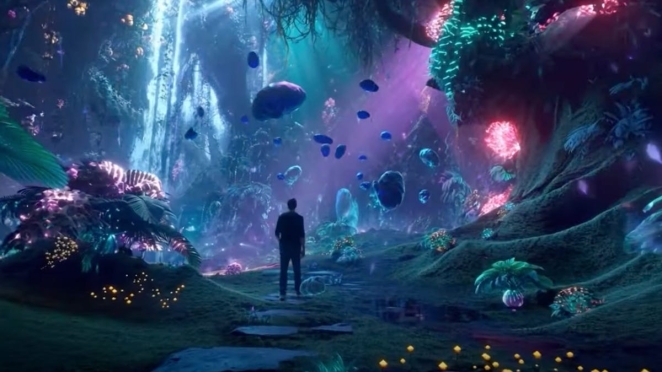
On one hand, OpenAI is giving us a glimpse of an incredible future: a TikTok where anyone can conjure cinema from words alone. On the other, it’s also reminding us of the fragility of copyright in the face of exponential technology.
The big question is not whether AI video makes things faster or cheaper – it’s whether we, as an industry, can ensure it remains fair.
If advertising has taught us anything, it’s that consumers can sniff out inauthenticity a mile off. Brands that abuse AI-generated content without respecting creators will be punished – maybe not legally at first, but certainly culturally.
And culture, as ever, is the real currency.
The Opt-Out Future
We’re entering an opt-out era. The responsibility for protecting creative work is shifting from the corporations who build tools to the individuals and studios whose work fuels them.
As Channel 4’s Mirror on the Industry reminded us in a different context, representation matters. Who gets seen, who gets credited, who gets paid – these questions shape not just advertising, but culture itself.
With Sora, the creative industries are facing the same reckoning. Unless we fight for visibility, attribution and respect, the mirror AI holds up might soon reflect nothing more than a funhouse distortion of our work.
So, creatives: pay attention. Organise. Speak up. Because if you don’t opt out, you may already be in.