



In 2025, social media continues to evolve—and fast. But this year, something is different. According to the new Think Forward 2025: The Liveable Web report from the global socially led agency We Are Social, people are starting to push back against the prevailing culture of “more.”
No longer satisfied with constant noise, micro-trends that come and go in a week, and unsustainable ideals of what social media should look like, users and brands alike are choosing to slow down, lean into joy, embrace authenticity, and reconnect with community.
Brands, creators, and ordinary people are beginning to see social media less as an infinite treadmill of notifications and vanity metrics, and more as a place to curate meaningful conversations, support social causes they care about, and simply have fun.
From the Primal Renaissance of raw, messy, and unfiltered content to the rise of “real” user-generated imagery and AI’s encroachment on influencer spaces, 2025 is shaping up to be a year in which digital culture redefines itself in ways that are both playful and profound.
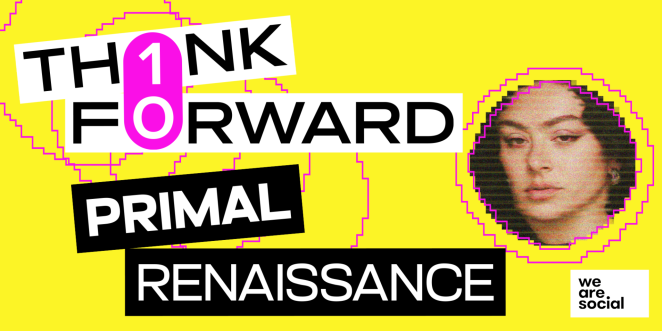
Below, I’ll be walking you through the five key trends We Are Social highlights in Think Forward 2025, explore additional commentary from industry experts, and share insights on how brands can better navigate (and shape) this new era of social.
A Moment of Reckoning: Hedonism, Conscious Consumerism, and Gatekeeping
We Are Social’s 2025 edition of Think Forward spotlights a telling cultural landscape:
- Hedonism is back. After years of sanitised, curated feeds, consumers are craving a rawer aesthetic, leading to a new brand of bold creativity.
- Sustainability messaging is on the rise. Two-thirds (66%) of marketers surveyed by We Are Social have increased sustainability messaging in their social content year on year, and nearly 60% admit to taking bigger creative risks.
- Gate-keeping is in. A majority of marketers (61%) are deploying closed groups, “members-only” content, or exclusive experiences to foster more meaningful connections with their audiences.
As the report highlights, social users are feeling overwhelmed by the constant flood of micro-trends and notifications that define today’s platforms. Overstimulation is rife—yet simultaneously, “The Liveable Web” is emerging: a term used to describe a more intentional, human, and balanced approach to digital life.
Primal Renaissance: Embracing the Messy, the Raw, and the Real
“Hedonism is hitting the social feeds.”
One of the most striking predictions from Think Forward 2025 is the continuation—and intensification—of the “Primal Renaissance.” Tired of the squeaky-clean, heavily filtered influencer aesthetic of yesteryear, users (and, increasingly, brands) are embracing content that’s raw, imperfect, and occasionally outrageous.
According to the survey, 59% of marketers took creative risks in the past year—such as partnering with unusual or polarising creators or pushing out content designed to provoke. Interestingly, 98% of these risk-takers reported either a successful or neutral outcome, suggesting that going out on a limb can pay off.

A prime example is H&M’s collaboration with pop star Charli XCX, queen of the “primal renaissance,” celebrating the messiness and raw energy of rave culture. This willingness to step beyond safe, polished confines resonates strongly with younger audiences who crave more honest forms of self-expression online.
Paul Greenwood, Global Head of Research & Insight at We Are Social, encourages brands to welcome this evolution: “Joy is creeping back into social…this offers huge opportunities to the brands who are willing to lean into it.”
Although many marketing professionals may fear the backlash that often accompanies bold statements, We Are Social’s findings suggest that pushing creative boundaries can yield real rewards—and inject renewed energy into brand narratives.
Low-Stakes Social: Reclaiming Online Spaces for Escapism and Kindness
If 2023 and 2024 saw a deluge of infinite scrolls, notifications, and micro-trends, 2025 brings a newfound appreciation for a slower, kinder internet. The Think Forward report describes an emerging culture of “low-stakes social,” in which content is not relentlessly performance-driven but more about relaxation, empathy, and self-expression.
We see this ethos playing out on fashion powerhouse Marc Jacobs’ TikTok account, where the brand has effectively ceded control to creators and micro-influencers. Instead of obsessing over pristine aesthetics or brand-safe narratives, Marc Jacobs encourages a wide range of smaller, playful pieces of content. The result? A feed that feels spontaneous and encourages genuine engagement, reflecting the brand’s trust in its community.
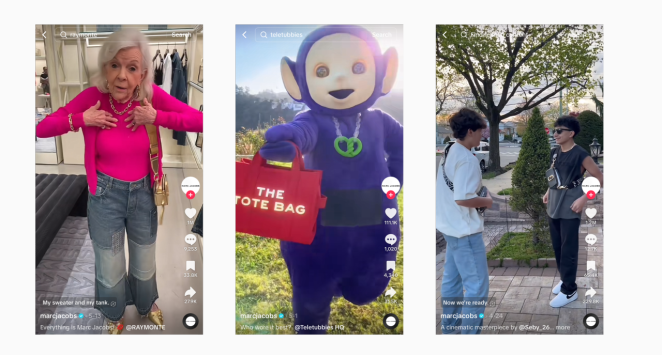
This low-stakes approach also helps alleviate some of social media’s notoriously toxic elements—namely, burnout from constant performance and fear of missing out on every new feature. It’s a strategy that fosters loyalty and resonates with audiences who, as We Are Social’s study shows, are seeking refuge from the “noise” of modern digital life.
Intentional Consumerism: Rethinking Social Status, Sustainability, and Joy
A major shift in user attitudes is also underway when it comes to consumerism on social. Where once influencers flaunted over-the-top luxury and new “it” bags dropped every week, consumers are gravitating toward conscious purchases and brands that champion sustainability. According to We Are Social, two-thirds of marketers have amped up ethical and/or sustainability messaging in their social content over the last year.
This “Intentional Consumerism” emphasises personal well-being, environmental responsibility, and authenticity. E.l.f. Cosmetics, for instance, scaled back aggressive purchase-driving messages in favor of showcasing the simple joy of beauty rituals: the happiness, self-care, and playfulness that makeup can provide. By focusing on “joy-giving behaviours,” e.l.f. underscores the intrinsic value of its products rather than resorting to hard-sell tactics.

Such strategies align neatly with the modern user’s desire to make mindful purchases—spending money on products that truly bring them delight and align with their values. This shift highlights an important lesson for brands: authenticity in sustainability messaging must go beyond mere virtue-signalling. True environmental and social responsibility, coupled with an emphasis on user well-being, resonates powerfully in 2025.
Modern Mythmaking: The Rise of Creator-Led Storytelling and Myth-Building
In an ever-evolving digital ecosystem, creators remain at the forefront of modern mythmaking. Think Forward 2025 predicts that as audiences dig deeper into entertainment (and hunt for “Easter eggs” in brand and influencer content), fresh opportunities for brand storytelling emerge.
Case in point: clothing brand Peachy Den’s AW campaign, in which influencer Olivia Neill and director Jake Erland meticulously recreated a scene from The Devil Wears Prada, replete with references only true fans would pick up on.
The result was a thrilling meta experience that led fans on a treasure hunt of hidden details, further fueling fandom and brand loyalty. In an era where the line between content creators and consumers is increasingly blurred, these interactive “mythmaking” strategies can catapult a brand into cultural conversation.

Just be warned: successful modern mythmaking requires deep cultural literacy and an understanding of your audience’s niche interests. As Paul Greenwood points out, “it’s clear from the survey responses that marketers are still falling behind when it comes to the vernacular of the online world.”
Indeed, terms like “shitposting,” “sludge,” and “slop” may be trending among younger communities online, yet the majority of marketers (83% for “sludge” and “slop,” 67% for “shitposting”) admitted they had no idea what these terms mean. Brands must embed themselves in internet culture to stay relevant.
New Intimacies: Exclusive Experiences, Fandoms, and Online Communities
The final trend in We Are Social’s 2025 forecast is “New Intimacies.” Today’s social user craves meaningful connections that transcend superficial likes and comments. Fandom communities—whether rallying around music, TV shows, sports, or niche subcultures—offer a sense of belonging.
The Think Forward survey found that 61% of global marketers are deliberately gate-keeping certain elements of their social content, using private groups or closed social channels to create more intimate experiences.
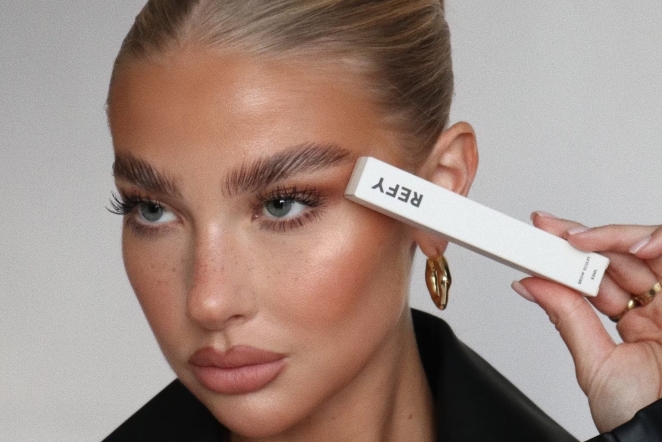
REFY, makers of Vegan & Cruelty-Free Makeup, exemplifies this approach; the brand ceased running typical influencer marketing trips and instead hosts community-bonding getaways for friends, turning brand activations into authentic social experiences. By nurturing genuine human connections, REFY both stands out from the pack and cements a loyal following among consumers who value real relationships over mass outreach.
Additionally, the data shows that a desire for smaller, more personal online encounters will continue to grow. For brand marketers, offering exclusive content, membership tiers, or “VIP” event invitations not only fosters loyalty but ensures that customers feel like part of a close-knit community.
Further Industry Insights: How to Navigate 2025’s Social Landscape
Beyond We Are Social’s Think Forward 2025, several industry voices echo the call for a more intentional and authentic approach to social media. From creative strategy to visual content transparency and AI’s role in influencer marketing, here’s what experts have to say.
1. The Same Rules Still Apply
Talor Gilchrist, content strategist at Leith, emphasises that while social media trends and formats change constantly, the cardinal rule of advertising remains: know your audience. Even if carousels boast higher engagement or Reels promise skyrocketing reach, brands should be wary of hopping on every passing fad. If your followers love Stories, for instance, doubling down on that format might be more valuable than chasing features that are more hype than substance.
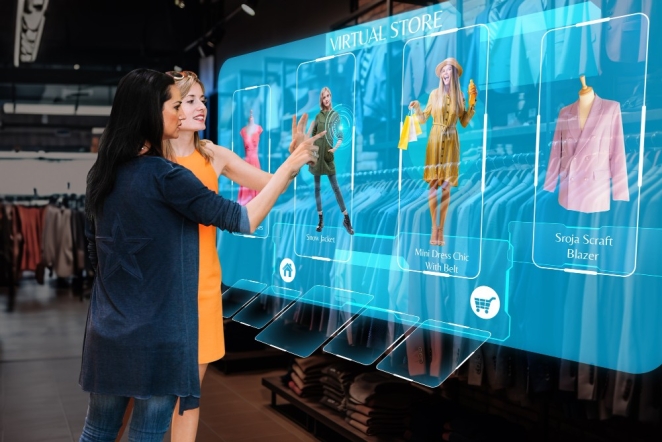
Emerging technologies like AR shopping and VR-enabled experiences can deliver immersive brand interactions, but only if they align with your audience’s interests. Chasing shiny new tech for the sake of novelty often leads to empty engagement—leading to more noise and less meaningful connection.
2. Don’t Chase Virality for Virality’s Sake
As Gilchrist also points out, achieving a viral post isn’t just about luck; it’s about insight. Brands that simply mimic popular formats to grab attention can come off as contrived. Instead, Gilchrist advises that before jumping on any trend, brands should ask: Does this align with our audience’s passions, or is it just mounting pressure to be part of the conversation?
Authenticity is non-negotiable in 2025. Internet users are savvy and can sniff out a brand jumping on bandwagons. Hence, success lies in truly understanding your audience’s values and goals. Only then can a brand create content that resonates on a deeper level—and perhaps goes viral for the right reasons.
3. Community Management Beyond the Screen
Social media gives brands a unique chance to connect in ways that go far beyond likes and comments. It’s also an opportunity to create “real-world magic,” as Gilchrist notes. Think about pop-up shops, exclusive events, or limited-run merchandise that fosters a tangible bond with your audience. Real-world activations help cement the idea that a brand truly cares about its customers’ experiences, forging emotional connections that last.
Transparency in Visual Content: Are We in an AI Arms Race?
Dr. Rebecca Swift, Global Head of Creative Content at Getty Images, warns that in 2025, social media users are increasingly suspicious about the authenticity of what they see. VisualGPS research from Getty Images indicates that a staggering 80% of British respondents feel social media cannot be trusted to be accurate, and 86% want to know if an image is AI-generated.
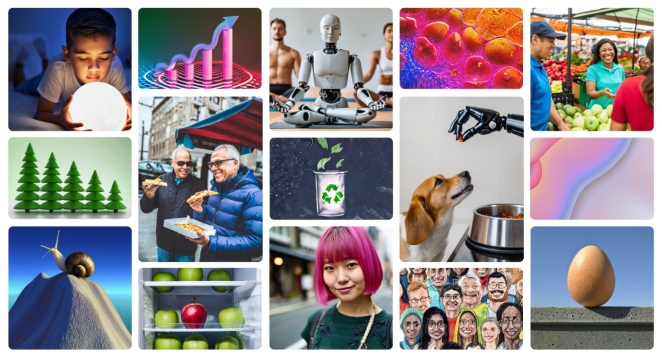
For brands, this skepticism means two things:
- Labelling AI-Generated Content: If your campaign uses AI in any capacity, transparency is paramount. Trust is currency in the social sphere. Being upfront can actually serve as a point of differentiation, showcasing a brand’s integrity.
- Embracing “Real” UGC: Overly polished influencer shots are waning in popularity. People crave unfiltered glimpses into genuine experiences, behind-the-scenes processes, and everyday stories. Sharing authentic user-generated content, or shining a spotlight on real customers’ journeys, can help your brand cut through cynicism and stand out from the sea of perfect-looking ad campaigns.
In essence, the age of the perfectly curated feed is giving way to something more spontaneous and relatable. While advanced AI tools can still be used for creative experiments or concept explorations, the real trick is balancing innovation with honest storytelling.
The Future of Influencer Marketing: Human Connection Versus AI
Finally, 2025 will see more AI-driven features on social platforms. Freddie Strange, co-founder of global social and influencer agency Komodo, explains that while Meta’s push for AI-generated characters is a bold move, it threatens to erode the trust that underpins influencer marketing as a whole.
Why? Influencer marketing works because people trust people. The authenticity, relatability, and human touch of a real content creator is what makes influencer-brand partnerships compelling. If the market floods with AI-driven personas, influencer marketing risks morphing into an ocean of indistinguishable, low-quality content.
Yet as Strange points out, this shift could also be an opportunity: “Credible creators—those who have built real, authentic relationships with their audiences—will become even more valuable.” In a sea of synthetic voices, genuine human expression will be a rare, precious asset.
Strange offers a cautionary note, however, warning that over-reliance on AI could lead to a sterile content landscape. The challenge for brands in 2025 will be to harness AI for efficiency and creative augmentation without losing sight of the personal connections that truly matter.
Looking Ahead: Balancing Joy, Authenticity, and Innovation
In summary, 2025’s social media landscape will be defined by:
- A new wave of hedonism and raw, unfiltered content that speaks to users’ desire for genuine emotion and expression.
- Intentional consumerism, with sustainability, ethical responsibility, and mindful purchasing taking center stage.
- Modern mythmaking, fueled by deep-dive fan communities and clever Easter egg campaigns that reward brand-savvy audiences.
- New intimacies and gate-keeping, as brands embrace exclusive or closed social spaces to create more personal, meaningful connections.
- Transparency around AI and a renewed emphasis on the trustworthy, credible human touch that influencer marketing depends on.
At the same time, overarching industry advice—know your audience, remain authentic, and build strong community management beyond digital—still applies, perhaps more than ever. The best brands of 2025 aren’t those who chase every new feature or blindly replicate viral content. Rather, they’re the ones that carefully select what resonates with their target demographics, uphold their values, and prioritise real human connections over mere spectacle.
As We Are Social’s Global Chief Strategy Officer, Mobbie Nazir, puts it:
“A lot of people feel overwhelmed by their online experiences today... That’s why it’s been so encouraging to see the emergence of ‘The Liveable Web’ this year—separating joy from progress and prioritising slower consumption. We also see more audiences actively seeking out raw emotion and less sanitisation; this in itself is a creative gift to marketers everywhere—particularly those willing to take a few risks.”
In a social ecosystem saturated with quick hits, ephemeral trends, and the race for more content, 2025 marks a turning point. Users and brands alike are rethinking how they want to spend their time online: gravitating toward content that sparks joy, fosters genuine community, and stands up to real-world scrutiny. It’s an era of digital pruning—saying “no” to the noise and “yes” to experiences that enrich both our screens and our lives.
If your brand wants to thrive in this new environment, there’s no need to panic. Look to your audience’s interests, commit to honest storytelling, lean into inclusive communities, and let AI serve as a creative tool rather than a replacement for genuine connection. Above all, cultivate a space (and brand narrative) that feels truly liveable. Because, in 2025, authenticity, empathy, and a sense of collective enjoyment just might be the ultimate antidotes to endless scroll fatigue—and the keys to social success.