
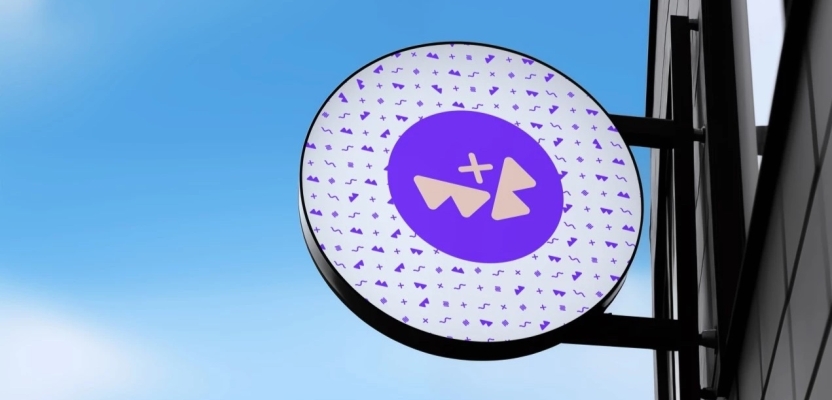

In a SaaS landscape where most products blur into the same safe blues and generic gradients, Weave + Blend wanted more than a new logo – they needed a brand that could think and move like their software. As a specialist building high-quality apps for the HubSpot ecosystem, the challenge was to create a parent identity capable of uniting a growing suite of tools without turning them into clones, balancing warmth with technical credibility and system logic with creative expression.
Enter Fiora. Led by Group Strategy and Innovation Director Costas Michalia, the team reframed “weave and blend” from a neat visual metaphor into a living behaviour – a modular, motion-ready design system that connects products, platforms and people while still giving each app its own distinct voice. In this Behind the Idea interview, Costas takes us inside that transformation, unpacking how a strategically led, digital-first identity can future-proof a software brand in an increasingly crowded ecosystem.
What was the brief?
Weave + Blend needed a refreshed visual identity to support their growth as a specialist software company building high-quality apps for the HubSpot ecosystem. With several existing software products, the brand needed to modernise its look and create a system that could unite all products under one cohesive identity, while still allowing each to stand confidently on its own.
The identity needed to:
- Express the idea of weaving and blending, connection, flexibility, and integration
- Create a clear, modern parent brand that works across multiple software products
- Allow individual products to feel distinct while remaining recognisably Weave + Blend
- Balance a friendly, modern tone with technical credibility
- Scale seamlessly across digital products, marketing, and physical brand assets
The result was a flexible, modular visual system that brings consistency across the product suite, strengthens brand recognition, and positions Weave + Blend as a trusted, future-focused partner within the HubSpot ecosystem.
How did the initial pitch/brainstorming phase go?
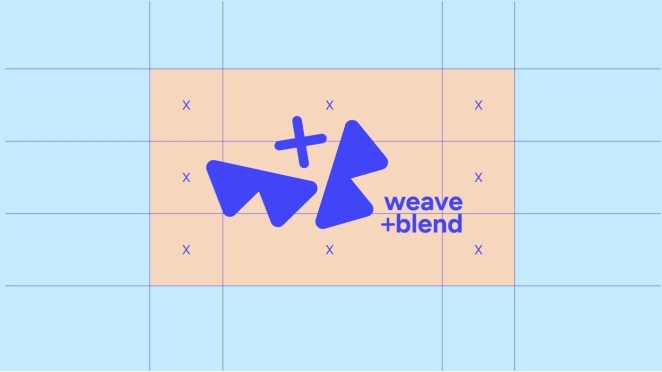
We were selected because of our clear understanding of digital-first design systems and our experience in taking brands confidently into complex digital environments. Our approach combines strategic thinking, creativity and a deep understanding of digital platforms, ensuring brands are not only visually compelling but also highly functional.
From the outset, Harry Bevan, Founder of Weave + Blend, was clear that the identity needed to be truly flexible, capable of uniting a number of existing software products while giving the business freedom to evolve and explore new product areas. This ambition directly shaped our system-led approach, resulting in a brand designed to scale, adapt, and grow alongside the business.
What was the process behind ideating the concept?
The concept was developed through a structured but exploratory process, grounded in strategy and collaboration. We began by unpacking the meaning behind the Weave + Blend name, using it as a conceptual foundation to explore ideas of connection, modularity, and integration across products and platforms.
Through sketching, visual experimentation, and system-based thinking, we tested how organic forms, patterns, colour, and motion could work together within a flexible digital framework. Each idea was assessed against real-world application, ensuring the concept could scale across multiple software products, function within UI environments, and adapt as the business continues to grow.
What was the production process like?
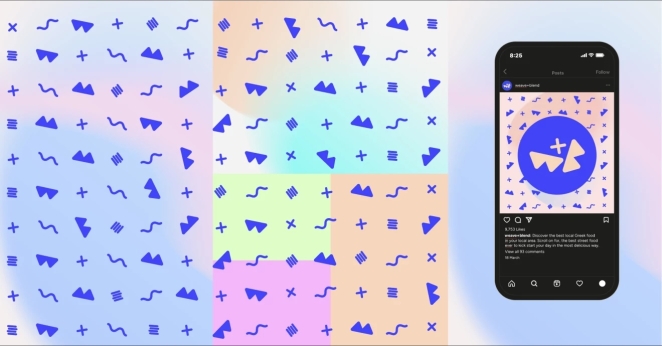
The production process was iterative, highly collaborative and system-led. We moved from core brand principles into practical application early, building and testing the identity across real digital touchpoints, software products, and UI scenarios. Regular collaboration with the Weave + Blend team ensured the system remained both strategically sound and practically usable. We also worked closely with several Weave + Blend end users to test the design system to ensure user feedback.
What was the biggest challenge during production? How did you overcome it?
The biggest challenge was creating a single identity that could unify multiple existing software products while still allowing each to stand alone. In addition, we wanted to be respectful of the current user base and provide real reasons for the re-brand. We overcame this by designing a modular brand system, using consistent rules for layout, colour, typography, and motion while allowing flexibility in how these elements are combined at a product level.
What kit/tools/software were used to create the project?
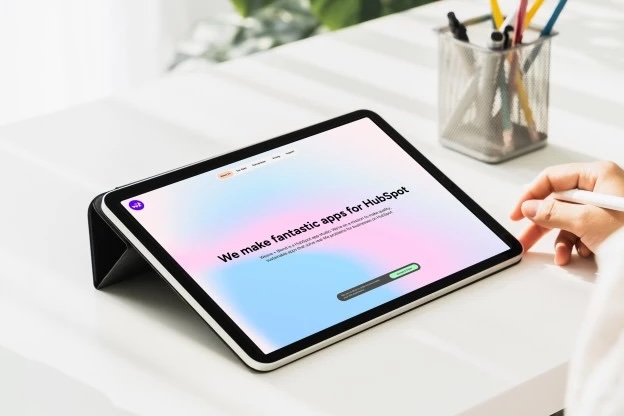
The project was created using a combination of:
1. Figma for design system development and UI exploration
2. Adobe Illustrator for logo and brand asset creation
3. Adobe After Effects for motion and animation concepts
4. Collaborative workshops and digital whiteboarding for ideation and refinement
What is one funny or notable thing that happened during production?
One notable moment was realising how naturally the concept of “weaving and blending” translated into motion. Early animation tests quickly became a defining feature of the identity, reinforcing that movement wasn’t an add-on, but a core part of how the brand should behave.
What’s the main message of this project and why does it matter?
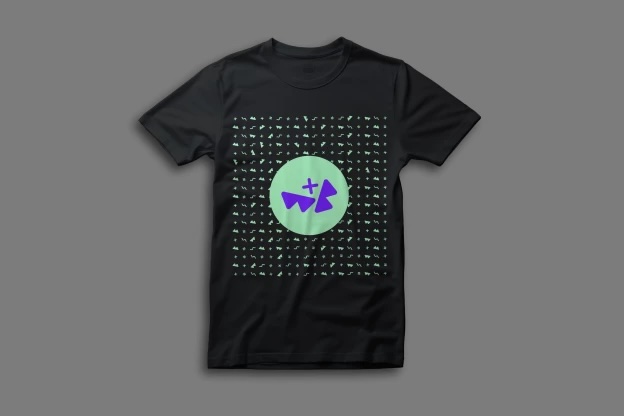
The main message is that strong digital brands are built as systems, not static visuals. This matters because Weave + Blend operates in a constantly evolving product ecosystem, requiring an identity that can adapt, scale, and remain meaningful as new tools and platforms emerge.
How long did it take from inception to delivery?
From initial discovery to final delivery, the project took approximately 10–12 weeks,
allowing time for strategic alignment, concept development, system design, and real-world testing across multiple applications.
Can you describe the creative spark or inspiration behind the initial concept? Was there a specific moment or insight that ignited the idea?
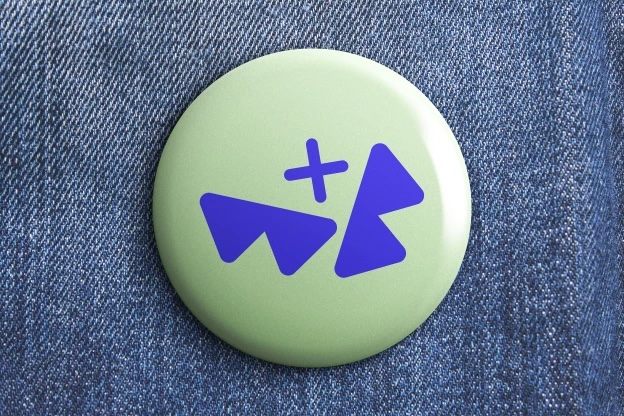
The creative spark came from reframing the name Weave + Blend as a behaviour rather than a visual style. The key insight was that the brand shouldn’t be static, it should act like the software itself modular, adaptive, and interconnected. This led to the idea of an identity that could shift, combine, and move, mirroring how products, teams, and technology work together within the HubSpot ecosystem.
How did you ensure that the concept aligned with the brand's values, goals, and target audience?
Alignment was ensured by grounding every creative decision in real use and business cases. The system was designed to be practical first, working inside software interfaces, dashboards, and digital products, before extending into marketing and brand expression. This ensured the identity reflected Weave + Blend’s values of usability, sustainability, and clarity, while resonating with a technically minded, business-focused audience.
Were there any alternative concepts or ideas considered during the ideation phase? If so, what led to the selection of the final concept?
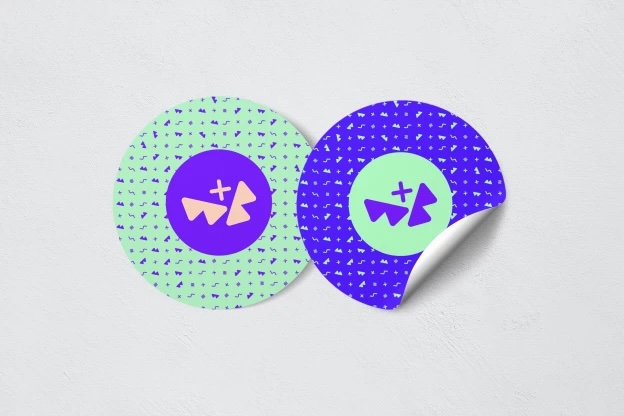
Yes, several alternative directions were explored, including more rigid, tech-led visual systems and more expressive, brand-led approaches. The final concept was chosen because it balanced both, providing enough structure to unify multiple products, while remaining flexible and expressive enough to evolve as the business grows.
Can you discuss any collaborative or interdisciplinary aspects of the ideation process, such as working with other departments or external partners?
The ideation process was highly collaborative, involving close working sessions with the Weave + Blend leadership team. Regular feedback loops ensured the system worked not just visually, but operationally supporting product development, marketing, and future roadmap planning. This collaborative approach helped surface practical insights that directly shaped the final system.
What role did consumer research or market analysis play in shaping the concept and its execution?
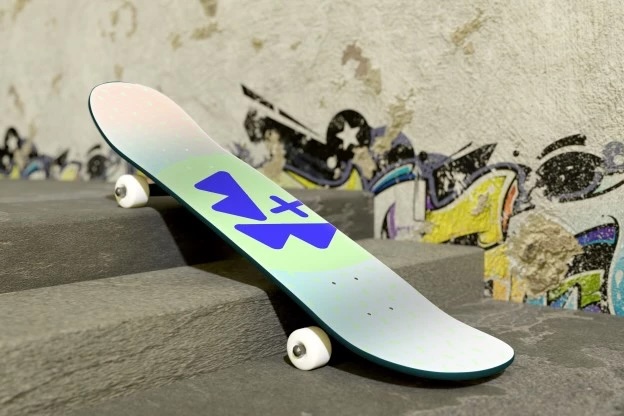
Market analysis helped identify a clear gap within the HubSpot ecosystem, where many products felt either overly technical or visually generic. This insight reinforced the opportunity to create a brand that was both human and credible, standing apart through clarity, warmth, and system-led design rather than visual noise.
Can you discuss any unique or unconventional production techniques or approaches used to bring the idea to life?
The concept began with hands-on sketching using an iPad, allowing ideas to be explored quickly and intuitively. These initial sketches were then taken into Weavy an AI tool to experiment with textures, colour relationships, and motion behaviours, helping us rapidly test and evolve visual ideas beyond static form.
Rather than designing fixed brand assets in isolation, we treated the identity as a living system from the outset, testing it within digital layouts, UI components, and animation. Motion became a core brand behaviour, enabling the logo and patterns to dynamically “weave and blend,” reinforcing the brand’s adaptability and system-led thinking.
How did you ensure that the concept remained innovative and stood out in a crowded marketplace?
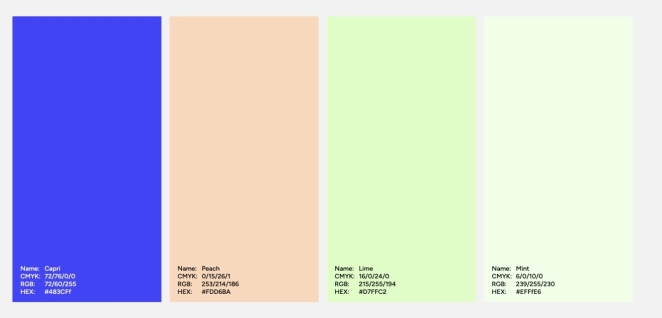
Innovation came from restraint and systems thinking. By avoiding trends and focusing on behaviour, motion, and modularity, the identity feels distinctive without being gimmicky. The result is a brand that stands out through intelligence and clarity rather than visual excess.
What do you hope it achieves for the brand?
We hope the identity gives Weave + Blend a strong, confident foundation, one that unifies its existing products, supports future growth, and positions the business as a thoughtful, long-term partner within the HubSpot ecosystem.
Credit list for the work?
Agency: Fiora
Brand Strategy & Creative Direction: Costas Michalia / Michael Brigdale
Visual Identity & Design System: Costas Michalia / Cameron Porter
Motion & Animation Concepts: James Adams
Client: Weave + Blend
Founder: Harry Bevan