



2024 has been quite a year. Whatever your political leanings or ideological concerns, you would be hard-pressed to argue it’s been a year of substantial change. If that’s positive or almost unprecedentedly negative depends on your point of view (you can probably guess where I fall on the spectrum). Those changes look set to solidify and cast some pretty serious shadows in 2025, and the creative industries are gearing up for another transformative year.
Outside the political bubble, however, creatives are optimistic about the ideas shaping the future. These ideas and opportunities are exciting, bold, and deeply reflective of an evolving world. I spoke to some of the industry’s top creative minds to explore some of the trends they feel are set to define the creative landscape this year.
Breaking Free from Vanilla Designs
"Where everyone uses dark blue, resist the temptation to follow." – Simon Manchipp, Founding Partner, SomeOne
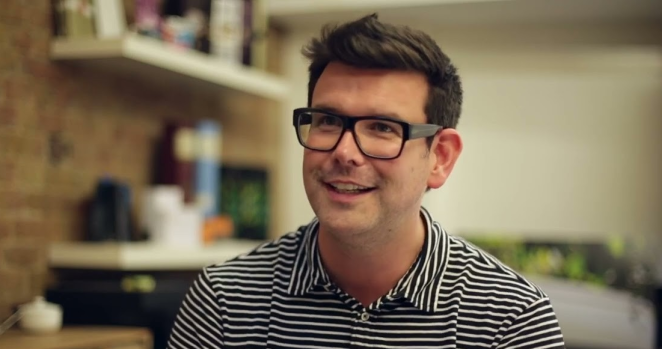
The creative sphere has long grappled with the pull of mainstream aesthetics, but 2025 demands a break from conformity. Simon Manchipp emphasizes that generic choices—be it pointless colour gradients or uninspired sans serif typography—are no longer acceptable.
COLOUR - Pointless graduations
The AI language of choice. Add a pointless yet mechanically perfect but soulless graduation from green to purple. It looks a bit fluffy. It’s conceptually very fluffy. Avoid. Instead use colour strategically. Be strong with composition. Where everyone uses dark blue, resist the temptation to follow. And don’t just use red instead.
TYPOGRAPHY - Another dull sanserif
Almost every sector has been savaged by the introduction of bleak and bland sanserif. The fashion industry will take an age to recover from the wholesale rejection of serifs. Don’t join in. Add character to your characters. Yes, young people can read serifs and old people can read them too, even on a screen. And no. They are not too complicated, they actually aid readability. If you need to use a sans for balance, make it one that adds ownability. Not strips it away.
ICONOGRAPHY - Craftless creativity
Heritage brands seem to be in the crosshairs of every self-proclaimed digital brand expert. If you have a visually arresting, meticulously illustrated and ownable symbol in your branding, expect it to be miserably abstracted to a pointless blob, terribly auto-traced (Burberry), or simply thrown in the bin (Jaguar). A travesty. Instead get closer to the history and make it useful for the brand.
THEMES - The Obvious
Too many brands are falling for the utterly obvious. Just because Apple now uses an Apple symbol does not mean your startup brand called Fire needs to show flames. Brands that are not hyper established and very very rich need more in their bank than the utterly predictable. Be lateral. Stretch audiences’ imaginations. Challenge the norms to stand out, be counted and win.
AI: A Creative Ally, not a Replacement
"Artificial Intelligence will become a vital collaborator in the creative process, not just a tool for efficiency." – Richard Longmuir, Creative Director, Launch Digital

As we approach 2025, the creative landscape is evolving at an unprecedented pace, shaped by technology, sustainability, and a growing demand for authentic, human-centred design. Here are the trends poised to lead the charge:
AI-Augmented Creativity
Artificial Intelligence will become a vital collaborator in the creative process, not just a tool for efficiency. From generative design to hyper-personalised content, creatives will increasingly leverage AI to push the boundaries of storytelling, visual art, and experiential design. The challenge will be to harness AI while maintaining a strong human touch, ensuring output feels authentic rather than automated.
Circular Design and Sustainability
Sustainability will move beyond a buzzword to become a foundational principle in creative industries. Circular design—where materials and products are designed to be reused, repaired, or recycled—will dominate packaging, fashion, and product design. Consumers will demand transparency, and creatives will respond with innovative solutions that combine beauty with responsibility.
Immersive and Mixed Reality Experiences
With advances in AR, VR, and MR technology, immersive storytelling will reach new heights. From virtual fashion runways to augmented reality exhibitions and even interactive digital twins of physical spaces, creators will blend physical and digital worlds to craft unforgettable experiences. Expect brands to explore new ways to connect with audiences using these technologies.
Purpose-Driven Storytelling
Audiences are increasingly drawn to brands and creators who champion meaningful causes. Purpose-driven storytelling—amplifying themes of inclusivity, climate action, and social justice—will be integral to creative strategies. Consumers will reward those who stand for something and deliver value beyond aesthetics or entertainment.
Neo-Maximalism
While minimalism has reigned for years, 2025 may see a resurgence of bold, layered designs as part of a “neo-maximalist” movement. Rich textures, vibrant colour palettes, and complex compositions will dominate art, fashion, and interiors as a counterbalance to digital simplicity and sparse aesthetics.
The Rise of Hyperlocal and Regional Inspiration
Globalisation has long been a force in creativity, but 2025 will see a renewed focus on hyperlocal inspiration. Regional crafts, traditional techniques, and local materials will find a place in global markets, offering a sense of rooted authenticity while celebrating cultural diversity.
Emotion-Led User Experiences
As technology becomes more advanced, the focus will shift from functionality to emotional connection. Whether it’s through empathetic UX/UI design, tactile interfaces, or sensory branding, creatives will explore how design can evoke emotion, foster loyalty, and create meaningful interactions.
Decentralised Creativity and Web3
Web3 and blockchain technologies will empower a new wave of decentralised creativity. Creators will leverage NFTs, smart contracts, and decentralised platforms to maintain control over their work, engage directly with audiences, and build sustainable income streams. Expect more projects blending physical and digital assets, blurring the line between ownership and experience.
Customisation at Scale
Personalisation will remain critical, but 2025 will usher in customisation at scale. Creatives will use data-driven insights and modular design to produce bespoke content, products, and services tailored to individual preferences without compromising on efficiency.
AI Ethics and Transparent Innovation
With the rise of generative technologies, ethical considerations will become central to creative practice. Transparency about the role of AI in design and content creation will be a key trend, with creatives focusing on fostering trust while innovating responsibly.
In 2025, creativity will thrive at the intersection of technology, sustainability, and humanity, reflecting a world that is both digitally advanced and deeply conscious of its impact. The most successful creatives will embrace these trends while staying true to their unique vision and voice.
Luxury Reimagined: Aspirational Accessibility
"The aspirational shopper will become a central force for the luxury industry." – Juman Sleiman, Senior Strategist, Imagination

Brands Will Continue to Leave the World Stunned
2024 witnessed brands pushing boundaries and embracing bold strategies in a way that has reshaped the landscape of marketing and customer engagement. Take the latest Jaguar rebrand as an example - it took the world by surprise and became known as the “disruptive marketing play of the year”, drawing mixed sentiments and leaving many confused.
Don't agree with it? Expect more brands to take unconventional paths and people to be on board with it. More and more connections will be formed between brands that are willing to take a risk in modern marketing and consumers who value boldness over mediocrity.
The Quest for Originality Will Be Challenged
It's no secret that artificial intelligence will continue to weave itself into the fabric of everyday work, however, there still remains a challenge for creators in striking a balance that harnesses the best of both worlds.
As businesses and clients become more familiar with the integration of AI and recognise its value, they can't help but question why “out-of-the-box” thinking still comes with such a high price tag. 2025 will witness a new kind of creative partnership that fosters a new approach and justifies the premium fees that creative agencies are charging - AI as a tool for efficiency and forward-thinking blended with originality and intuition of the human mind.
Consumers Demand Transparency on Sustainability in Artificial Intelligence
Customers have long demanded transparency from brands and the rise of artificial intelligence has only been amplifying that expectation. AI technologies are heavily associated with energy consumption and large AI models are contributing to a significant carbon footprint. As AI systems continue to advance, more and more questions are raised by consumers on their environmental impact and the sustainable commitments made by brands.
Businesses and brands that are planning on staying relevant, will need to be even more transparent about their use of AI. Efforts must be made to communicate their sustainability strategies as part of strengthening customer loyalty and retention in the long run.
Luxury’s Next Chapter Will Focus on the Aspirational Shopper
2025 will witness a significant shift in purchasing power as the luxury market shifts from the ultra-wealthy to the mass affluent. This consumer will look for more accessible price points for products, services and experiences that express their status.
As wealth distribution shifts, the aspirational shopper will become a central force for the luxury industry rather than a secondary market. Brands will need to innovate when it comes to accessibility and offer products that will appeal to this target audience while still retaining high standards of craftsmanship.
Data-Driven Creativity
"Brands will turn to non-endemic channels to capitalise on every step of the consumer decision-making journey." – Justin Reid, Senior Director, Tripadvisor
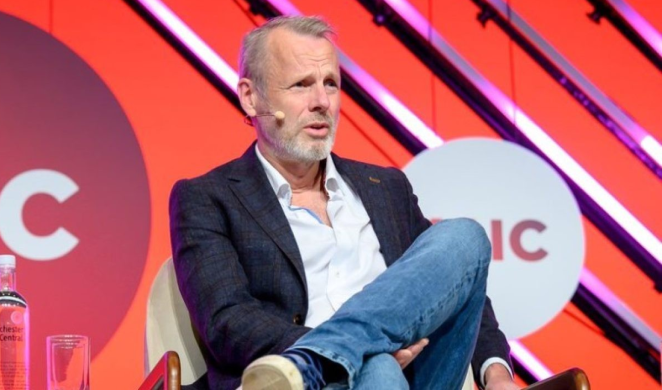
In 2025, the advertising industry will focus on building stronger, more transparent partnerships, leveraging first-party data, and enhancing brand experiences. As first-party data becomes central to engaging consumers more effectively, brands will turn to non-endemic channels rather than traditional avenues, capitalising on every step of the consumer decision-making journey. By doing this, brands can create more timely, relevant, and engaging interactions that attract their target audiences.
In addition to data, the future of marketing will closely align with the growth of creativity. Brands will strive to engage consumers with personalised, impactful experiences. Creativity is more than just adding visuals. Brands need to tell a story that resonates with consumers throughout their buying journey. Those who integrate creative strategies with data-driven insights will be the ones to lead in an ever-more competitive industry.
The Smart TV Revolution
"Smart TVs are transforming consumer behaviour, turning the biggest screen in the home into an interactive hub." – Helen Keelan, LG Ad Solutions

Gone are the days when TVs were used solely for watching content. Smart TVs are transforming consumer behaviour, turning the biggest screen in the home into an interactive hub for music, workouts, gaming, and even shopping. This shift from passive to active engagement is reshaping the TV experience, enabling viewers to explore, engage, and shop all from one place.
In the coming year, TV will become a new frontier for e-commerce as payment technologies develop for a seamless shopping experience. Shoppable ads will allow viewers to click to purchase directly from their TVs or scan a QR code to complete transactions on their phones. This journey—from awareness to purchase—is built for instant gratification, shortening the gap between seeing a product and owning it.
With 71% of consumers preferring ads with QR codes and 38% likely to make a purchase via TV ad interactions, shoppable CTV is making TV more interactive and irresistible than ever.
Blending Creativity and Commerce
"It is key to create experiences that feel relevant and emotionally resonate with consumers’ purchasing moments." – Paul Wright, Head of Uber Advertising International

With commerce media’s growth driving innovation, it is important that creativity keeps pace. Experiences must feel relevant and emotionally resonate with consumers’ purchasing moments, rather than seeming random or intrusive. A combination of great creative and contextual placement will be even more important.
A great example? L’Oréal tapped into Uber’s data to reach travellers at London airports with promotional ads for its new Giorgio Armani fragrance. By timing the ad just before their flights—especially during the holiday rush—the campaign saw fantastic results: 342 seconds of view time, a 7.68% swipe rate, and a 4.76% click-through rate, all well above industry benchmarks.
Speaking of metrics, as highlighted by this example, attention will emerge as the go-to measurement of ad success. This reflects a broader trend of rethinking the metrics we use in digital marketing. What worked for us in the past may not guide us into the future. Maybe that’s the real debate of 2025.
Delivering AI into a Spatial World
"In 2025, AI is entering our spatial world, with XR as the delivery vehicle" – Gaynelle Brautigan, Head of Innovation at Tactical
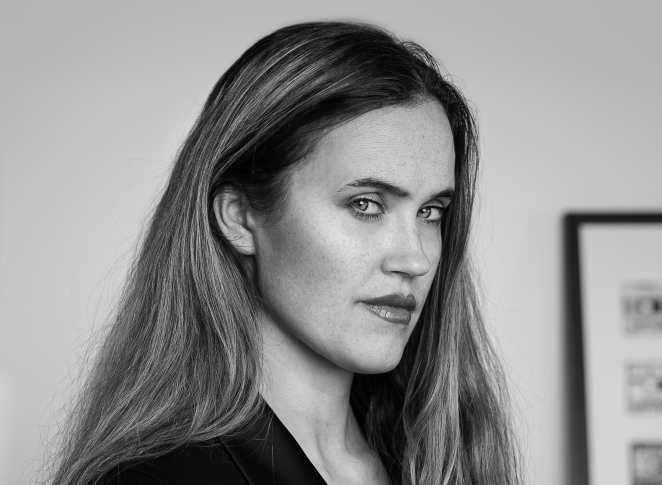
Everyone working in XR knows that computer vision has been at the core of Augmented Reality long before AI became as hyped as it is now. In 2025, AI is entering our spatial world, with XR as the delivery vehicle. I highly recommend watching this inspiring TED Talk by Fei-Fei Li, which focuses on shifting from simply seeing to doing. The automotive industry has led the way with a range of driving assistance systems, and Tesla is now taking that automotive experience into new territory with autonomous vehicles and robots.
In 2024, I observed wider adoption of generative AI throughout the production pipeline—from concept art to production—manifesting as co-pilots for coding and the first 3D model generators. Every major company is investing heavily in AI; for instance, Snapchat released a full GenAI suite earlier this year. Having worked extensively in ComfyUI in 2024, I’ve seen more robust models emerging for object detection, segmentation, scene understanding, and interpreting relationships between objects.
I anticipate more optimized models running in real time for AR purposes in 2025. We will also see more novel experiences where genAI can transform the world around us in real time, mimicking these conceptual apps. Beyond 2025, experiments like these will offer a glimpse into the future of how XR and AI will continue to collide.
In short, by 2025 we’ll see AR used to deliver AI more seamlessly. With a better understanding of our spatial world, I expect significant advancements in robotics and a surge of startups focused on computer vision.
Making Connections
“AI will enable a deeper understanding of audience needs, paving the way for creative strategies that feel less like marketing and more like authentic conversations” – James Hill, Chief Commercial Officer at EXTE
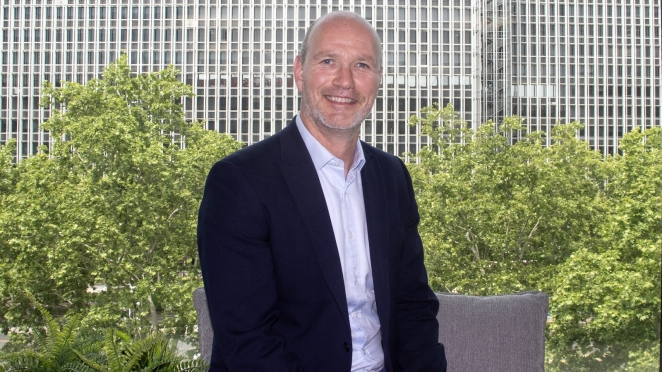
As we approach 2025, creativity in advertising will become even more vital. In an increasingly saturated marketplace, brands must do more than capture attention—they have to forge deeper, more meaningful connections with their audiences. The ability to deliver relevant, resonant messages at the right time will define the most successful campaigns.
AI will be at the heart of this transformation. Beyond automation, AI will empower brands to craft highly personalised and impactful experiences. By leveraging data-driven insights, AI will enable a deeper understanding of audience needs, paving the way for creative strategies that feel less like marketing and more like authentic, tailored conversations.
As brands lean into AI, selecting the right ad formats becomes just as crucial. Formats like Connected TV (CTV), shoppable ads, and interactive videos will take centre stage, offering consumers immersive, seamless experiences that bridge the gap between content consumption and purchase decisions.
In 2025, the brands that stand out will be those that master the art of blending creativity with AI-powered insights, while embracing the right ad formats to meet evolving consumer expectations. This combination will be key to building lasting relationships and driving long-term loyalty.
Creativity in 2025: The Bottom Line
As for my opinions? You’ve heard enough of them this year, let’s let the adults speak and reflect on what they feel could be a pretty transformative year where creativity will need to, as Richard Longmuir and James Hill both concluded, dance the line “between technology and humanity”.
As far as I’m concerned though, whatever the weather, it’s certainly not going to be boring!