
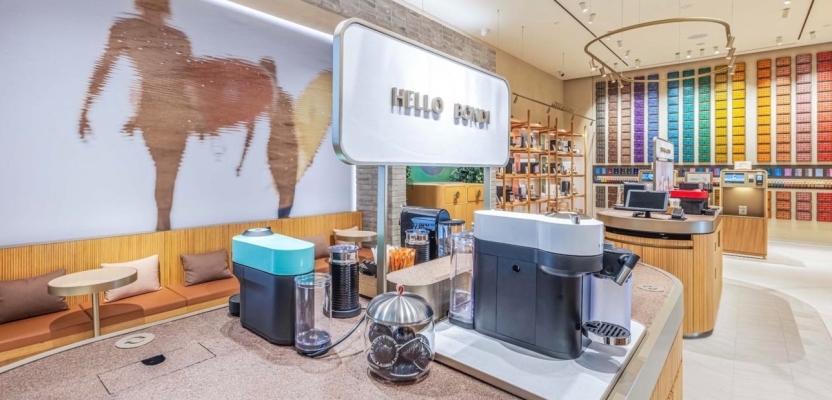

Retail has changed dramatically in recent years. No longer is a “store” just a warehouse of goods, it’s become an immersive place of discovery and emotion. As Daan Lucas, founder of Random Studio, observes: “The word ‘store’ comes from a time when goods were simply stocked and sold. But today, the idea of a store feels too static and too still. People don’t just go to buy anymore, they go to feel, to discover.”
In this new era, shoppers expect more than products on shelves. They crave engaging experiences. Industry experts note that “experiential retail aims to transform the shopping journey into an engaging, meaningful interaction that extends well beyond the transaction itself”.
Modern retailers must create memorable shopping experiences that engage and delight customers. Rather than asking “how do we sell?”, stores today should ask “how do we invite people to linger, connect and be surprised?”.
This article explores how innovative design and visual merchandising can turn everyday retail spaces into immersive brand experiences. We’ll look at how stores are being rethought as stages of exploration, how technology and storytelling come together in physical space, and what the implications are for brands and agencies building the stores of the future.
Re-thinking the “Store” as Experience
The traditional store model (rows of shelves and racks) is being upended. Today’s shoppers treat stores as places to explore, not just points of purchase. At Random Studio, Lucas puts it plainly:
“We think less about ‘storing’ and more about ‘shopping’ in the broadest sense — an act of exploration. A good shop isn’t just a place of commerce; it’s a place to linger. To be surprised. To share a moment with friends. To see an artist perform, or an athlete reveal something human and raw.”
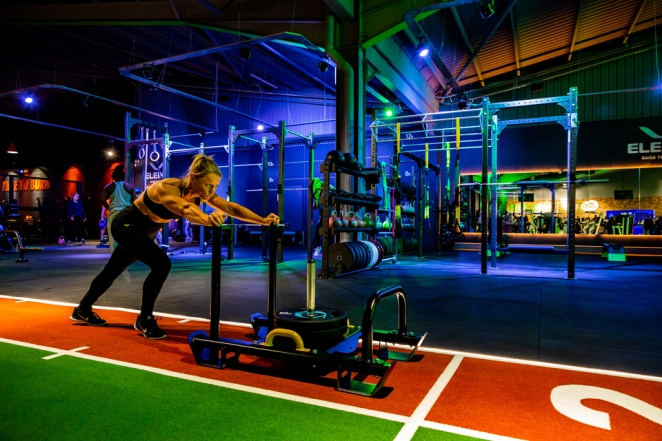
In practical terms, this means designing environments that encourage discovery and engagement at every corner. Retailers are incorporating interactive elements and multi-sensory features that appeal to sight, sound, smell, and touch, along with shareable moments and photo opportunities for social media, educational workshops, and hands-on brand storytelling. In short, the store becomes a curated journey (a series of mini-adventures) rather than a quick grab-and-go.
- Interactive displays: Touch tables, demo stations, digital kiosks and sample zones let customers play with products or services. Think smart mirrors in dressing rooms or build-your-own product stations.
- Pop-up experiences: Temporary shops, in-store cafes, or themed events transform a store into a unique destination. (Prada’s pop-up cafe in Harrods or Glossier’s Instagram-worthy pop-up panels are good examples.)
- Theatrical staging: Lighting, art installations, performance spaces or live demos add drama. Even something as simple as a performance area or a workshop corner encourages people to stay longer.
- Social spaces: Comfortable seating areas, coffee bars or “social squares” invite friends to gather. These pause zones boost dwell time, helping shoppers to relax and explore at leisure.
The goal is to make shopping memorable and emotionally engaging. As retailers have discovered, customers spend more when they feel entertained and connected. By shifting the focus from transactions to experiences, stores can differentiate themselves and foster lasting relationships.
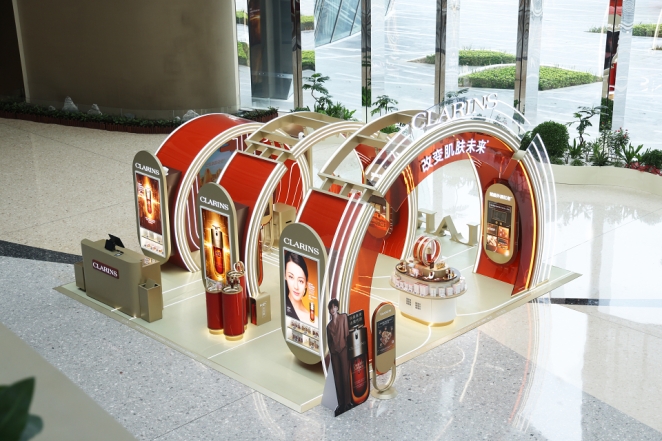
Lonsdale
The Store as Living Stage – Merging Space, Technology & Brand
Today’s stores can also act like living stages for the brand, merging physical space with digital dynamism. Lucas calls it a “Tech Theatre”: integrating sensors, lights, sound and screens into the architecture so the environment “moves and responds, like the digital world does, yet exists in the physical one.”
In practice this might involve:
- Flexible, responsive design: Modular fixtures, movable walls and reconfigurable layouts allow the space to morph for different events or seasons. Displays on wheels or track-mounted lighting can be rearranged on the fly.
- Interactive technology: Touchscreens, augmented reality (AR) apps, virtual reality (VR) stations or app-connected fitting rooms blend the digital with the physical. (For example, IKEA’s AR app lets customers place virtual furniture in their homes – “transforming the entire shopping journey”.)
- Sensor-driven experiences: Motion and proximity sensors can trigger changes in lighting, sound or visuals. Random Studio describes installing embedded floor and wall sensors linked to software, so that music, lighting and projections change as customers move – essentially choreographing the store like a performance.
- Immersive media: Projection mapping, interactive video walls or holographic displays create memorable storytelling moments.
All of these elements combine to make the store feel alive. But they require close collaboration across disciplines: brand strategists, architects, interior designers, digital agencies and tech integrators must work together.
Successful modern retail spaces treat technology as a connector that supports storytelling and personal service, rather than overshadowing the human experience. In other words, gadgets should enhance the experience (powering custom lighting cues, personalized digital signage or sensor-triggered sounds) while staff and content keep the human touch.
When done well, this convergence of space and technology creates dynamic, ever-evolving environments. The store becomes a platform for brand experimentation: a place where digital content, live events, and merchandise coexist.
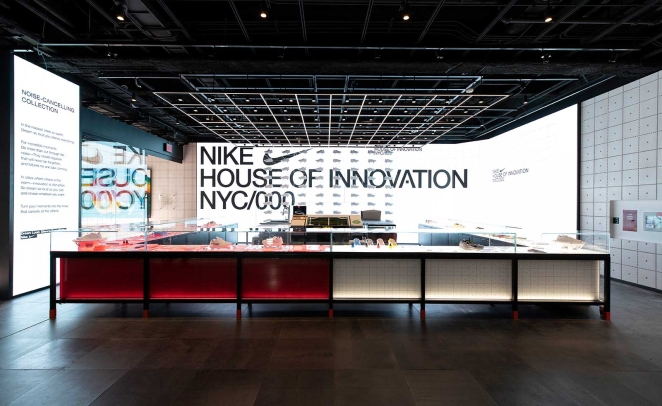
For example, Nike’s flagship stores (often called “Houses of Innovation”) combine app-based customization stations, sensor-enhanced sports demos, and smart checkout (no cashiers) to create a seamless brand universe. Likewise, Adidas has experimented quite liberally with experiences such as in-store 3D printing and gamified run-tracking zones.
The key is always to serve the brand and customer simultaneously. As Lucas reminds us, the ultimate goal is the experience – reaching people on a deeper, emotional level through something new, unexpected, beautiful or even vulnerable.
Narrative, Immersion and Cultural Context
Central to great retail design is a compelling narrative. Every element – from the layout and lighting to the colors, materials and artifacts – should reinforce the brand’s story and the store’s theme. As Ewald Damen of Imagination explains: “In today’s retail landscape, a store must be more than a place of transaction… design and visual merchandising are vital in establishing a distinct retail environment… extending beyond shelving and displays, to spaces that immerse customers in a unique world.”
A vivid example is the new Galeries Lafayette in Mumbai. Damen’s team treated it as a “Maison Particulier” (a Parisian luxury home) fused with Indian palatial architecture. The design marries French Art Deco and floral motifs with rich local craftsmanship, creating themed “rooms” (salon, gallery, courtyard) each reflecting different collections.
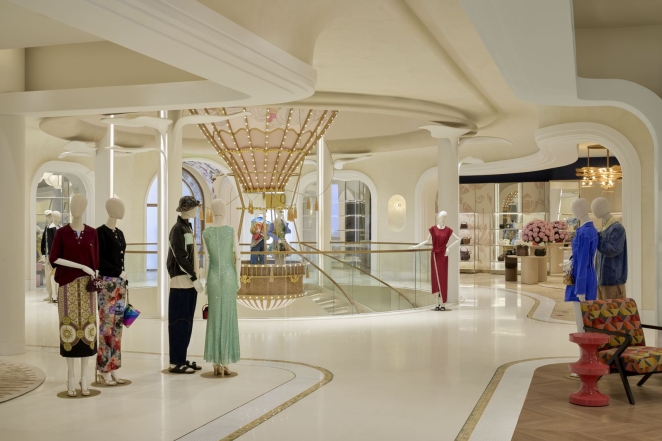
In this “house of fashion,” customers literally wander through the brand’s story: each area feels like stepping into another chapter. The result is a journey filled with surprises, blending Parisian elegance with Mumbai’s heritage.
Strong store concepts start with a deep understanding of the brand’s mission and local context. For instance, a store opening in Tokyo might incorporate origami-inspired geometry and Japanese textures, while the same brand in Mexico City could use colorful murals and local artisanal accents. Including geo-specific references (from neighbourhood maps on walls to local artist installations) signals that the brand belongs in that place. This localisation not only resonates emotionally with customers, it makes the experience feel authentic rather than generic.
Ultimately, great design also removes friction. Research shows that thoughtful environments make shopping feel easy and even fun. Proper lighting, intuitive wayfinding and comfortable spaces reduce stress. As Damen puts it, “The power of great retail design is that it takes the stress out of the shopping experience and builds an environment that’s interesting, inspiring and feels in keeping with both the brand and the location of the store.” In other words, a well-designed store fuses all the elements of the brand – physical, emotional and cultural – into one cohesive experience.
This immersive, narrative-driven approach has measurable benefits. Consumers today “seek immersion, education, and emotional resonance”. They want to learn about a product’s origin, see it in context, or engage in a brand story. By layering interactive displays, rich sensory details and meaningful details (even down to scent and music), retailers can craft spaces that feel like curated worlds. In these environments, customers often feel more connected and spend more time (and money) engaging with the brand.
From Display to Journey: Shopper Experience at Every Scale
Designing for experience means thinking at every scale from the storefront façade to the moment the customer checks out. The customer journey is a continuum:
Facade and entrance
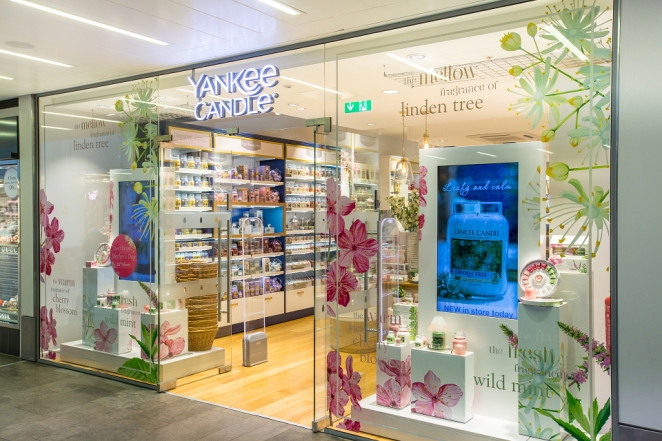
The storefront is the first “hello” to the customer. An opaque façade can build mystery and draw people in, while an open glass front (as in Apple stores) showcases products and crowds to create positive FOMO. In either case, the exterior must set the right tone and invitation for what’s inside.
Decompression zone
Once inside, shoppers enter a brief transition area. Retail experts note the first few steps in a store are not the time to pitch products – customers are still acclimating. Good layouts avoid clutter in this zone and instead use it to give an overview of what’s ahead.
Circulation and flow
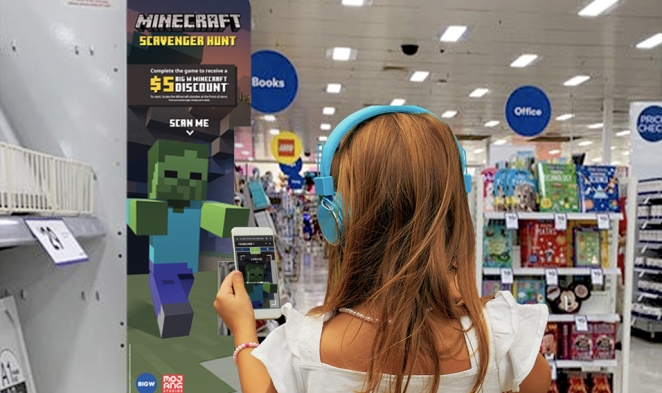
Studies show that roughly 90% of shoppers turn right on entry (“invariant right”). Smart designers use this by placing baskets or feature walls on the right, then guiding customers in a counterclockwise loop through curated destinations. Fixtures and displays can be planned to force a path from front to back that curate storytelling moments as touchpoints to guide the experience. In practice, this means arranging zones or islands, so customers naturally wander past as much merchandise and brand story as possible.
Richie Parsons
Dwell and discovery zones
High dwell time equals more sales. Lingering shoppers will naturally discover more products and are likelier to make impulse purchases. Hence, smart designers deliberately create “pause points” – tasting bars, interactive demos, seating areas, photo backdrops, etc. – to slow people down. These are often Instagrammable spots that shoppers will photograph and share, creating organic marketing buzz.
Product discovery and transitions
Between these zones, the layout can subtly encourage exploration. For example, brands often use sight lines and signage to pique interest ahead. Engaging lighting and spot displays along pathways invite people to turn corners or step into adjacent rooms.
Sensory cues
Beyond visuals, successful stores optimize all the senses. Pleasant ambient scent can increase dwell time and spending (research shows about 2/3 of shoppers say aroma influences where they shop). Music tempo and volume affect mood and pace. Tactile materials and fixtures (wood, fabrics, living plants) can set a tone – e.g. natural textures to signal sustainability or luxury finishes for a high-end vibe. All these details reinforce the brand narrative at each turn.
Landmarks and surprises
Even a utility area like a fitting room or checkout can be dramatic. Fitting rooms and POS are some of the most impactful places to tell your story, establish a connection, and create brand loyalty. For instance, a signature scent at checkout, a mirror with an embedded video story, or even a wall of patron selfies can leave a lasting impression.
Exit and beyond
Finally, the checkout area and exit can send the last message. Some stores use this space for last-minute add-ons or to reinforce a final brand message (“thank you” signs, freebies). Even the act of paying should feel seamless. Think mobile checkout, branded POS terminals, or friendly baristas offering a takeaway coupon. This way, the positive experience carries through departure.
Different retailers emphasize different scales: luxury brands often create sparse, elegant spaces where the environment is part of the value proposition. Mainstream or experiential brands might pack in more interactive zones or local collaborations. But the principle is the same: Every square foot contributes to the brand story.
Linda Evans
Practical Checklist: What Makes Great Retail Design
To summarise, the best retail environments consistently exhibit these traits:
Exploratory Environment
The layout invites lingering and discovery. It encourages shoppers to wander off a straight path, with nooks or curiosities at every turn.
Key questions: How many “pause” or dwell zones (seating, demos, art displays) are there? Does the floorplan intentionally create meandering flow or multiple paths? Are there hidden corners or interactive elements that reward exploration?
Brand Narrative Alignment
Every design element is deeply tied to the brand’s story, not just generic decor. Colors, textures, graphics and music reflect brand values and heritage.
Key questions: Does the store have a clear cultural core or theme based on the brand’s mission? Are design decisions (materials, motifs, artworks) authentic to the brand’s heritage? Or do they feel out of place?
Cultural & Locational Resonance
The environment acknowledges and celebrates its location. Local art, crafts, signage, or even the store’s format reflect the community and context.
Key questions: Are there any geo-specific touches (neighborhood maps, local images or patterns)? Do color palettes or motifs reference local culture or architecture? Would a local shopper feel the store was made “for them”?
Technology-Enabled Responsiveness
The space uses technology smartly to engage customers, but without overwhelming them. The physical environment moves, responds and customizes itself (like a digital space).
Key questions: Are there interactive digital touchpoints (screens, apps, AR/VR) that tie into the shopping journey? Is the store outfitted with sensors or smart lighting that respond in real time? Does technology enhance (not obscure) the human experience?
Human-First Experience
Above all, design must evoke emotion, comfort and human connection. It appeals to the senses and creates moments worth sharing. The tone might be playful, inspiring, calming or even vulnerable – but it must feel personal.
Key questions: Does the store make the customer feel something (surprise, joy, wonder)? Are there dedicated social or interactive areas (coffee bars, galleries, communal tables)? Are staff and service woven into the story (e.g. stylists who act as guides)? Is the environment welcoming and inclusive?
By asking these questions, brands can audit their retail design. For instance, they might count the number of seating or art installations (“pause points”), or test if a customer naturally follows a path through the store. The goal is always to maximize engagement and make the experience seamless and memorable, not just to highlight products.
BRIGGS HILLIER
Challenges and Opportunities for Agencies and Brands
Designing these next-generation stores isn’t without challenges. Physical redesigns are costly and time-consuming, so brands must balance innovation with pragmatism. Upfront investment in fixtures and technology can be high, and staff need training to manage a more interactive environment.
There’s a risk of tech-gimmickry if the digital elements aren’t well integrated (as one analysis warns, experiential marketing isn’t about spending millions on fancy gadgets but on personalization). Agencies must also plan for adaptability – building flexible systems so a store can evolve with new campaigns or seasonal changes.
Despite these hurdles, the upside is significant. With e-commerce as competition, a physical store’s unique advantage is the experience. Consumers now expect entertainment and engagement; they won’t forgive a boring store easily. In fact, many feel that brands that use their physical stores to focus on the customer experience are the brands that will do the best.
When a store delights its visitors, it creates social buzz, word-of-mouth and loyalty. A happy customer is a brand ambassador – taking photos, posting on social, and returning more frequently.
To seize this opportunity, agencies should offer holistic solutions. That means not just designing a static space, but providing end-to-end support: from spatial design and interior architecture to interactive tech and live events.
The creative brief might call for a team blending an architect, a digital experience designer, a lighting specialist and a storyteller. Social and operational planning are also key – for example, designing how floor staff will guide visitors through new experiences, or how to produce regular in-store programming (artist appearances, workshops, etc.).
Throughout, the focus must remain on emotion and connection. As Lucas emphasises, work should “reach people on a deeper, more emotional level. Sometimes that’s through something new and unexpected. Sometimes through something simply beautiful or even vulnerable.” He believes “the future of the store lies in this merger — where technology and space come together to create living, dynamic environments that invite people to connect: to the brand, and to each other.”
In short, when brand DNA, cultural context and smart tech converge, retail spaces can become truly alive, forging powerful human bonds.
Conclusion
Great retail design is not an afterthought to merchandising – it is the merchandising. The store itself is the platform for the brand’s story, community and culture. As we’ve seen, retailers that transform their spaces into immersive experiences capture attention, loyalty and heartshare. In today’s market, the physical store is less about selling in a narrow sense and more about selling the story of who you are.
The best designs invite customers to stay, feel, share and return. When planning your next store or display, ask not just “How do we sell product?” but “How do we welcome people in, surprise them, and leave them feeling something?” Great retail environments answer these questions by design, making every visit a journey of discovery and connection.
Vinyl Impression
How Creativepool Can Help
Creativepool is your gateway to bringing these immersive retail visions to life. Through Creativepool, brands and agencies can find the right creative talent and expertise for every aspect of their retail projects. Browse our platform to connect with leading spatial designers, experiential agencies, interior architects, digital studios and tech integrators who specialize in retail and brand experience. Explore portfolios and case studies showcasing innovative store designs from around the world.
If you’re looking to brief an agency, Creativepool lets you post project briefs and receive pitches from experts in visual merchandising, store design and experiential marketing. Our community is rich with professionals who have executed everything from pop-up concept stores to high-tech flagship experiences. You can also stay inspired by reading industry features and success stories on Creativepool Magazine, or join events and awards that highlight retail design excellence.
In short, Creativepool brings together the creative ecosystem needed to craft next-generation retail experiences. Whatever your brand’s vision (be it a flagship reopening, an immersive pop-up, or a store overhaul) Creativepool can help you find the creative partners and resources to make that vision a reality. Start exploring our network today, and take the first step toward a retail experience that captivates and connects.