

The polished, aspirational brand ideal has officially lost its shine. Marketers once obsessed with perfection are finding that Gen Z (and even young millennials) now crave something very different. Indeed, research shows today’s youth want to look past the gloss and see real, unfiltered connections.
Today’s youth want to look past the gloss
For example, a recent Gen Z study by Edelman’s notes that “the relatable replaces the aspirational,” with young consumers drawn to genuine people and everyday stories over slick hero shots. In practice, this means authenticity, entertainment and engagement have become the currency of brand appeal.
Sprout Social data confirms that Gen Z audiences rate authenticity as a top brand priority – even over traditional polish. Put simply: brands that “look cool” on the surface without feeling real quickly feel out of touch.
Gen Z is Rejecting Gloss
Gen Z grew up in a world saturated by curated Instagram feeds, so they’re fed up with anything that feels forced or choreographed. As one analysis puts it, young people “crave raw, unfiltered reality. Nothing too polished, nothing too perfect”. In fact, 85% of 18–24-year-olds report they engage more with lo-fi, authentic videos than with slick corporate clips.
In practice, that often means behind-the-scenes footage, candid Q&A’s, or even on-the-fly humor far outperforms a glossy ad. Sprout Social’s 2023 index found that authentic, non-promotional content is the number one thing consumers feel brands are missing. And Gen Z notices when content is “trying too hard” – they’ll scroll past overt sales pitches or overproduced spots, but they’ll slow down and share the messy, human moments.
“Even if you’re a cool brand with a trending product, it won’t matter. If you try to oversell them, they can see through it,” observes one Gen Z parent (quoted in Digiday). This sentiment echoes energy drink company Sneak’s CCO Tim Donald: Gen Z can smell contrived brand-coolness “a mile away.” They want brands that feel like people, not polished posters.
In short, tried-and-true “millennial” branding (symmetrical designs, pastel mood boards and scripted tone-of-voice) is passé. Gen Z has traded minimalism for maximalism, curated ambiences for offbeat authenticity. As one trend analyst put it: the new fashion “boom boom” aesthetic is about performing outrageous wealth with humour and parody, not actual luxury.
- Real over aspirational. Gen Z fundamentally values brands that seem human. Edelman’s Gen Z Lab found that young consumers expect people they can relate to (friends, micro-influencers, real customers) to inspire them – “the relatable replaces the aspirational”. They connect with brand narratives that acknowledge everyday struggles or quirks. Think raw TikTok challenges or candid behind-the-scenes chats, not perfect runway shots.
- Lo-fi creativity. Gone are the days when big budgets guaranteed attention. TikTok’s meteoric rise (over 80% of Gen Z active weekly) proves that simple, on-the-fly videos beat slick production. In fact, TikTok itself rewards experimentation: the algorithm surfaces content that feels native and unpolished. TikTok “thrives on lo-fi, authentic content,” not over-edited ads. Brand accounts do best when they look homemade (whether it’s a quick meme or a prank video) because that feels like entertainment, not advertising.
- Direct engagement. Gen Z expects brands to be part of their communities, not distant broadcasters. Sprout Social data shows today’s young people care just as much about how a brand interacts as whatit posts. Brands that comment on user posts, reshare customer stories or crack jokes in threads score points for being personable. By contrast, brands that stick to rigid marketing fluff come off as tone-deaf. In practice, this means a brand like Ryanair can score millions of followers by speaking Gen Z’s meme language on Twitter, whereas a dust-coated airline ad campaign would feel hopelessly dated.
The TikTok Effect
No platform has accelerated this shift more than TikTok. Its “For You Page” algorithm favours content that feels immediate and authentic. As one social agency puts it: “TikTok satisfies Gen-Z’s appetite for authenticity, creativity and immediacy.
Unlike the polished perfection of Instagram… TikTok offers a raw, dynamic space where content thrives on relatability.” In short, TikTok isn’t a place for sleek banners or CGI, it’s where brands must speak in quick, quirky bursts.
TikTok isn’t a place for sleek banners or CGI
Successful TikTok marketing follows this rule. Brands are not expected to create cinematic commercials; they are expected to play along with trends and talk like real people. For example, McDonald’s Australia saw high engagement by posting goofy quick-cuts and challenges (complete with silly soundtracks and filters) on TikTok.
The lessons are clear: “Overly polished or corporate content falls flat” on TikTok. Instead, brands should show unfiltered office moments, memes, or even minor goofs. This doesn’t mean abandoning quality – it means prioritising fun and honesty over gloss. TikTok literally “levels the playing field” by rewarding creativity and humor above all.
Playing with Chaos
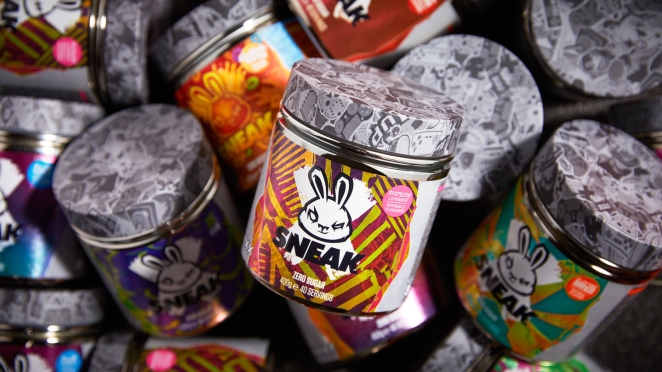
Some brands have taken these lessons to heart, turning low-fi weirdness into cult appeal. Sneak – a UK energy drink – is a prime example (no surprise, their CCO is trumpeting the end of “sterile” cool). Sneak’s marketing feels more like a chaotic party than an ad push. Their mascot bunny appears in homemade skits; their Discord server is a meme-filled clubhouse where fans co-create new product ideas; they drop bizarre merch (like vinyl toys, swords or even an “ice cube tray”) that feel like inside jokes.
The brand even staged wild activations (from parading Vanessa Feltz with a giant brain to hosting a Satanic-themed campaign with an ouija board) simply because “what would be funniest?”. By giving up on curated coolness, Sneak’s approach invites fans into the conversation, not above it.
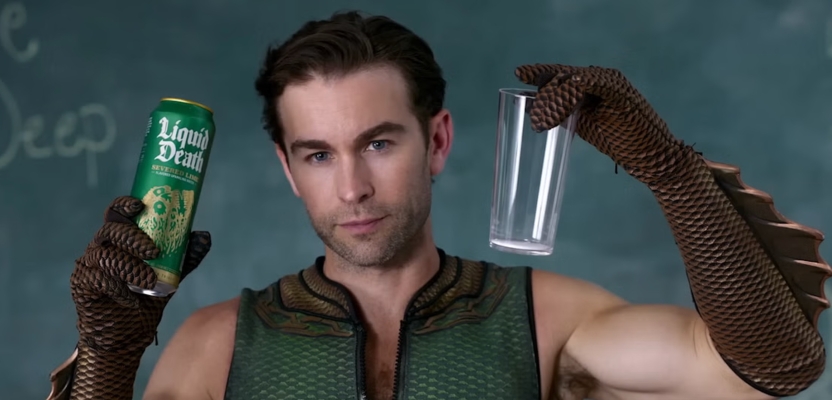
Other brands are following suit. Take Liquid Death (a canned water brand) and MSCHF (an art collective known for bizarre product drops). They’ve embraced blunt humor and surprise as trademarks. Liquid Death, for instance, sells hydration with rock-and-roll irreverence (gruesome names, skate-punk ads, a #DeathToPlastic campaign) rather than pristine athlete shots.
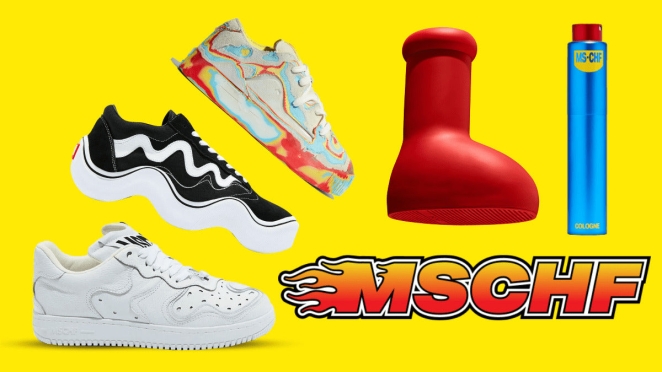
In many ways, Liquid Death is “stealing the playbook” of beer and cannabis brands – leveraging memes and edgy copy to build “the drink of choice for young consumers who want… the same ‘cool’ factor”. MSCHF likewise blurs art and commerce (from “Satan Shoes” with real blood to $350 cartoonishly giant boots) just to make Gen Z do a double-take. These brands aren’t trying to look expensive or serious; they’re aiming to be memorable and community-loved.
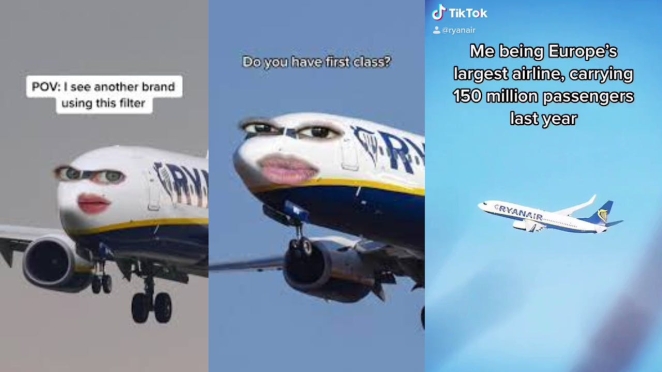
Even legacy companies are (somewhat) paying attention. Ryanair’s cheeky social media persona – trolling celebrities and spoofing bad customer reviews – shows how an “unfiltered” tone can build attention.
Ryanair now has hundreds of thousands of followers on Twitter, eclipsing competitors, because “some people do genuinely find [the account] funny,” as Creative Bloq observes. This irreverent approach taps into viral meme culture and Gen Z humour, something no amount of glossy airline brochures could do.
The Brands Being Left Behind
By contrast, brands that don’t loosen up are already stumbling. Companies still clinging to ultra-coherent branding – regimented colour palettes, scripted captions and off-the-shelf stock photos – risk being labeled boring or “boomer.” Marketers admit fear often holds them back: why upset the status quo when the old playbook “worked” for older audiences?
Great branding today is about being invited into the group chat
The very act of trying hard to look cool is what looks most un-cool. In fact, brands that take more creative risks often earn more credibility with Gen Z. “Less curation, more chaos” is the new mantra. Allowing imperfection (a wobbly selfie or a misspoken word) does more to endear younger consumers than any high-production polish ever could.
Of course, ditching polish doesn’t mean lowering standards. It means resetting priorities: value genuineness and fun over flawless visuals. Great branding isn’t about being admired from a distance anymore. It’s about being invited into the group chat. The implication is clear: if your brand wants a seat at the Gen Z table, it must stop projecting distant cool and start sparking conversations.
Be Weirder
In practice, savvy brands are already rewriting their rulebooks. They lead with humour and personality, not with aspirational taglines. They make their communities part of the story, whether through meme-fueled Discord servers, fan-driven product drops, or influencer collabs that feel organic instead of scripted. And when in doubt, they err on the side of interesting over sterile.
Here are some creative guidelines emerging for 2025:
- Keep it real. Share user-generated content, behind-the-scenes bloopers or unedited Q&As. Studies show consumers (especially Gen Z) engage far more with relatable, humanised content. Even quick phone-camera videos can outperform slick ads if they feel genuine.
- Embrace the low-fi look. Invest in ideas, not polish. Let filters, jump-cuts and casual wardrobe choices slide. A Sprout Social study even suggests that authentic content (think a messy office or a live demo on a phone camera) is exactly what brands lack most.
- Inject humor and surprise. Don’t take yourself too seriously. Brands like Liquid Death and Sneak show that outrageously humourous stunts (juxtaposing solemn branding with absurd jokes) can capture imagination and social shares. If you can make people laugh, they’ll remember you.
- Build community, not just customers. Give up the expectation that marketing must always sell. Instead, cultivate spaces (online or IRL) where fans can play. Share memes, co-create with followers, and even allow off-topic banter (as Sneak does on Discord). Gen Z is more loyal to brands that let them feel like insiders, not targets of a broadcast.
- Stay nimble. Let go of rigid style guidelines. Gen Z’s cultural landscape shifts weekly via TikTok trends, meme subcultures, micro-influencers and global events. Brands that stay fixated on one static identity will miss the wave. It’s better to have a fluid, multifaceted identity (even if it looks a bit messy) than to cling to a monolithic “cool” image that no longer resonates.
In the end, “cool” may be a dead adjective – but that’s a good thing. What seemed cool in the past often boiled down to distance and decoration. Today’s young consumers want closeness and character instead.
As Tim Donald puts it, the goal shouldn’t be to chase relevance, but to be relevant on your own terms. Brands that heed this shift – trading gloss for guts, symmetry for spontaneity – won’t just survive 2025; they’ll win real fans. As one observer sums it up: brands shouldn’t aim to be admired from afar anymore. They should aim to be part of the conversation.