

It has been twelve years since Supersize Me, Morgan Spurlock’s documentary that made the Golden Arches tremble. Its message resonated not just with consumers, but also the rest of the industry. From global brands such as KFC, to younger, leaner players such as Leon in the UK, operators that emphasise healthy, real, adventurous flavours, are growing.
Trust is a precious commodity squandered. Just this month, a major national newspaper ran a feature highlighting the difference between food photography and the real thing, displaying some of the most blatant examples – including products from KFC, Subway and McDonald’s.
Since Supersize Me, the biggest chains have invested in brand reinvention. KFC sells rice boxes these days; McDonald’s has wraps, salads and coffee. The appearance of their outlets has also undergone a revamp. Whilst early attempts to detoxify their image, such as offering carrot sticks and fruit bags instead of fries, were mocked, there is evidence that the revolution is starting to bear fruit (pardon the pun), as sales creep up.
US publication QSR Magazine identified nine fast food trends for 2016. As well as culinary trends such as Real Food (encompassing removal of GMOs, and greater use of local ingredients and vegetables), Ultra-Local Recipes, and Stronger Flavour Profiles, several of the key factors fall under marketing: Chef-driven Fast Casuals (Chipotle and Shake Shack are both chef-founded), Mindful Dining (a broad term covering sustainability, CSR and Health), and digital advances.
The chef-driven trend is less prevalent in the UK (Jamie Oliver aside), but the others are recognisable. Even the traditional chippy now trumpets sustainably caught fish. Related to Real Food is the desire to simplify. Operators rushed to diversify, but the emphasis now is doing less, better. As well as improved customer experience (as a parent, I can confirm that navigating a complex menu, while queuing with hungry children, is no recipe for mindfulness of any sort), this is a brand issue. With so much choice, restaurants face similar challenges to brands on the supermarket shelf – stand for something, stick to it, and stand out from the crowd.
The British take on Mindful Dining is different from the American variety: a colleague, rolling his eyes, reported visiting Californian chain Café Gratitude on a recent holiday, where he politely declined an invitation to “think about what you’re thankful for today.” Whilst we expect our food to be ethical, we prefer things understated. As Leon founder John Vincent once said: “You can tell people you’re funny, or you can make them laugh.” It might not be the first thing you tell them, but tell them you must. It’s hierarchy of messaging – classic brand design stuff.
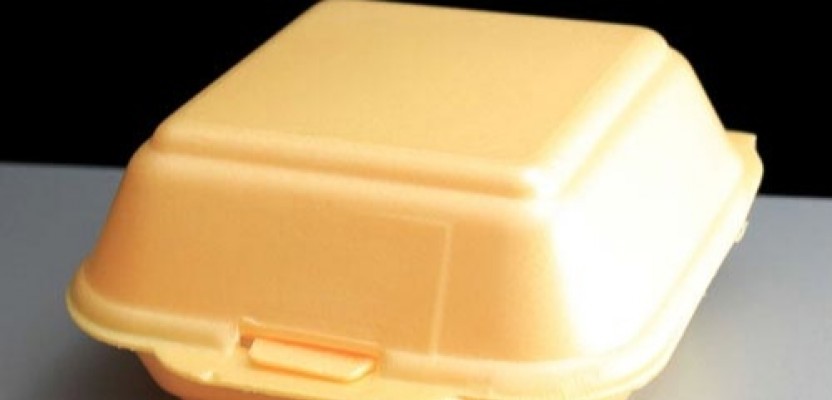
Packaging (from Happy Meals to Flat Whites) has a role to play, in communicating at product level, attractive presentation, and protecting food from counter to consumer. But brand designers can be most influential when they think, ahem, Outside The Box.
With the enormous advances in digital and 3D printing technology, it is surely time to move beyond the standard burger carton or generic salad bowl.
Structural packaging innovation offers the opportunity to tell a story, to offer more premium tiers, to create something iconic that creates a fixed association with a particular ritual or need state – the kind of thing FMCG brands have been doing (some better than others) for years. Rice bowls, bento boxes – thinking about format can make the experience seem more authentic.
The rise of the bowl in home dining may have as much to do with fashion as nutrition, but it does underline that the consumer perception of what constitutes good food – and good value - are shifting.
Is it time to reinvent the bargain bucket? Premium pail, anyone?