


In the last few years, packaging design has become a sector of the creative industries where functionality, and sustainability intersect. But in 2024, the winners of the Pentawards—the industry’s most prestigious competition—illustrate how much the design world is pushing these boundaries.
More than a showcase of aesthetically pleasing work, these winning designs reveal the current trajectory of the packaging industry, driven by innovation, environmental responsibility, and a deep sense of cultural and consumer engagement.
From the groundbreaking edible packaging created by OGT (One Good Thing) to the reinvention of traditional materials in sustainable designs, this year’s Pentawards winners are defining what packaging can and should be in a rapidly changing world.
Sustainability Takes Centre Stage
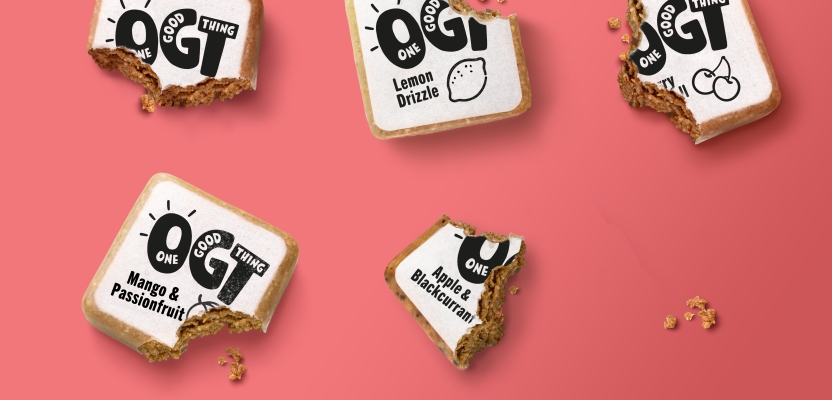
One of the most prominent themes emerging from the 2024 Pentawards is the overwhelming focus on sustainability. This is not a new theme in the world of design, but this year, the bar has been raised significantly. The Diamond Award-winning packaging by OGT is the clearest indicator of this trend, where the commitment to reducing environmental impact reaches new heights with its fully edible packaging.
The innovation behind OGT’s beeswax-based edible wrapper completely eliminates the need for disposable packaging. David Pearman, Founding Partner & Creative Director at This Way Up, who worked on the design and branding for the project, captured the essence of this groundbreaking design: “To partner with our clients on such a revolutionary product that changes the way we think about food packaging has been quite remarkable. To be recognised and rewarded for that work is truly special.”

This isn’t just about swapping plastic for biodegradable materials; it’s about reimagining packaging as something that can disappear entirely once it serves its purpose. This kind of innovation reflects the increasing urgency of sustainability across the design industry, where brands and designers alike are under pressure to deliver solutions that reduce waste and have a minimal environmental footprint.
Beyond OGT, the Platinum winner in the Sustainable Design category, Woola’s Wool Gusset Envelope, also signals a shift towards circular economies. Woola’s packaging uses wool waste—an underutilized byproduct from the European textile industry—to create an alternative to plastic bubble mailers. According to Suzy Shelley, Sustainability and Materials Lead at Pearlfisher, this design represents a “really simple solution to one of the worst offenders that we probably use every day,” proving that sustainability is not just about innovative new materials but about finding smart ways to repurpose what already exists.
Minimalism Meets Storytelling
In an era where consumers are inundated with information, simplicity in design has become more powerful than ever. But minimalism doesn’t mean sacrificing depth or meaning. This year’s Pentawards winners show that minimalism can coexist with rich storytelling, providing layers of engagement without overwhelming the consumer.
The rebrand of Pastiglie Leone by Design Bridge and Partners, which won Platinum in the Brand Identity & Connected Packaging category, exemplifies this perfectly. The design harkens back to the confectionery’s founding in 1857, creating a narrative steeped in Italian history and family heritage. By drawing on the notion of “sensory escapism,” the packaging offers a moment of reflection on simpler, more carefree times, while simultaneously connecting with a modern audience. John Glasgow, Co-President of the Pentawards Jury, noted that the design “really brought together the history of a brand but gave it a contemporary and modern twist.”

This kind of brand storytelling through packaging isn’t about creating clutter; it’s about distilling a brand’s essence into its purest form. Minimalist design, when done well, becomes a vehicle for cultural and historical storytelling, as seen in Pastiglie Leone, where every element—from the Italian street signs to the colour palette—hints at a deeper narrative of place and tradition.
Another Platinum winner, Backbone Branding Agency’s unHIDE project, exemplifies how minimalism can also engage the consumer in a quiet, thoughtful way. With a magnifying glass as the centrepiece, unHIDE invites users to rediscover the beauty of nature, offering a simple yet powerful reminder to pause and appreciate the world around us. Adam Ryan, Head of Pentawards, highlighted this design for its “exceptional and beautiful storytelling,” a testament to how even the simplest packaging can evoke profound emotions and connections.
Cultural and Geographic Authenticity
Another significant trend from this year’s Pentawards is the celebration of cultural and geographic roots in packaging design. As brands aim to resonate more deeply with consumers, many are looking to their origins for inspiration, embedding local and cultural stories into their packaging. In 2024, designs that reflect a sense of place have emerged as particularly impactful.
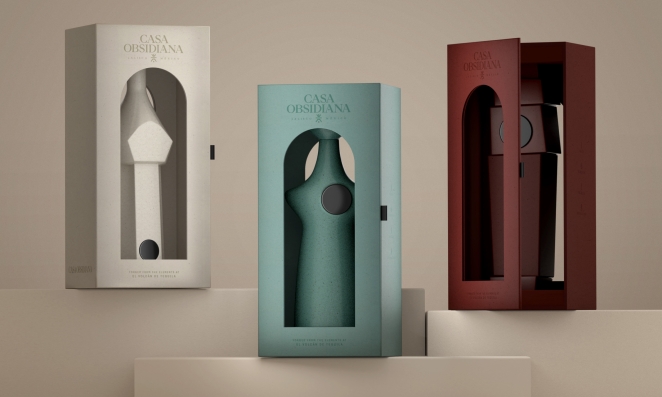
The Platinum-winning Casa Obsidiana by Makers & Allies is a standout example. This tequila brand, originating from Jalisco, Mexico, draws directly from the region’s natural and cultural heritage, incorporating sculpted clay vessels and obsidian stones—materials that pay homage to the volcanic soil of the region. This connection to place elevates the packaging beyond its functional role and transforms it into a tribute to the land from which the product comes. As Rebecca McCowan, Design Director at The Coca-Cola Company Europe, said, “It was so well crafted, and it was beautiful. But it also had a concept behind it… pairing the two things that are so important in design.”
Similarly, the Hera nei Campi packaging by Multiverse Studio reflects the rich agricultural history of the Piana del Sele region in Southern Italy. The packaging’s design takes consumers on a journey of rediscovery, with interactive elements that reveal more about the product’s geographical and cultural context each time they engage with it.
This emphasis on storytelling through place shows how packaging can do more than just sell a product—it can connect consumers to the origins and culture behind it, fostering a deeper sense of connection and authenticity.
The Edible and Zero-Waste Revolution
Perhaps the most forward-thinking trend showcased at the 2024 Pentawards is the rise of edible and zero-waste packaging solutions. This is no longer a fringe idea but a growing movement within the industry, as designers and brands work to address the mounting global waste crisis.
The winning edible packaging solution for OGT is an exemple of how far we’ve come in pushing the boundaries of packaging innovation. This edible, 100% natural wrapper isn’t just a concept; it’s a practical, scalable solution that completely eliminates waste.

Adam Ryan, Head of Pentawards, expressed the significance of this entry, stating, “It’s brilliant to see such a disruptive, innovative, and sustainable entry win a Diamond Award.” His comment highlights the growing importance of sustainability in the industry and how packaging design is leading the charge toward zero-waste futures.
These solutions are not just environmentally friendly; they also provide an opportunity for brands to engage with consumers in a new, interactive way. By incorporating the idea of consumption into the packaging itself, designers are creating experiences where the packaging becomes part of the product.
Interactivity and Consumer Engagement
In 2024, packaging design is becoming more interactive, offering consumers more than just a product but an experience. The Matisse's Journey DIY Ornament Kit, designed by Mint Brand Design, is an example of how packaging can serve as both a functional container and an interactive tool.
The box, designed for children, breaks away from conventional packaging by incorporating elements that transform it into a magical travel trunk.

This design taps into the growing trend of packaging as an experience, particularly for younger audiences, where the unboxing is as much a part of the product as the contents.
As Olivia Estrella, Omnichannel Brand Design Strategist at Nestlé Purina, remarked, “I loved this entry because I felt there was a strong emotional connection, they really brought new and original storytelling.” Her comment underscores how this trend is reshaping the role of packaging in creating memorable, engaging moments for consumers.
Conclusion: The Future of Packaging for 2025
The winners of the 2024 Pentawards reflect a profound evolution in packaging design, where sustainability, minimalism, cultural storytelling, and interactivity are at the forefront. As David Pearman of This Way Up noted, designs like the edible packaging for OGT are “changing the way we think about food packaging,” while other winners challenge us to rethink waste, rethink storytelling, and rethink the very role of packaging itself.

In a world increasingly focused on sustainability and conscious consumerism, the future of packaging lies in innovation that goes beyond aesthetics. This year’s Pentawards winners are leading the charge, setting a standard for a future where packaging not only protects and promotes products but also fosters connection, reduces environmental impact, and transforms consumer experiences. These designs show us that the state of packaging in 2024 is one of transformation—where the boundaries of creativity and responsibility are constantly being pushed forward.