

For Ricardo Malaquias, creativity has never been about making advertising for its own sake. After beginning his career in journalism, he discovered that his real passion lay in shaping stories rather than simply reporting them. That journey led him into branding and advertising before eventually joining Betclic as Creative & Campaign Manager, where he now connects strategy, creativity and execution across multiple international markets.
Throughout his career, Ricardo has remained guided by one principle above all else: curiosity. Whether he's writing a brief, developing a campaign or building relationships between agencies and brands, he believes the best ideas come from understanding people, asking better questions and focusing on real business challenges. In this interview, he shares how curiosity, collaboration and creative ambition continue to shape his work and why the strongest ideas will always outperform the latest technology.
How did you first get into the industry?
 My route into advertising wasn't planned.
I studied Journalism because I was fascinated by storytelling and communication. After spending a few months working in the field, I realised that what excited me most wasn't reporting stories, it was helping shape them.
That curiosity led me to my first role as an Account Executive at a small design agency, where I discovered the world of branding and advertising. It didn't take long to realise I'd found the industry where I wanted to build my career.
Over the following years, I worked across several agencies with different brands and talented creative teams. In my last agency role, I managed the Betclic account. After three years working closely with the brand, I was invited to join the company.
Looking back, it feels like a natural progression. Having worked on both sides of the relationship has shaped how I approach every project today. I understand the ambitions, pressures and expectations of both agencies and clients, and I believe the best work happens when both sides trust each other enough to pursue the strongest idea.
Where are you based now and who do you work for?
I'm based in Portugal and currently work as Creative & Campaign Manager at Betclic for the portuguese and polish markets.
I work closely with our creative agencies, production partners and internal teams to transform business objectives into integrated campaigns across multiple markets. My role is to connect strategy, creativity and execution, making sure ambitious ideas stay ambitious all the way to delivery.
What is your personal background and what role did it play in your career?
Although I work in advertising, my background is actually in Journalism.
I think journalism taught me one of the most valuable skills I use every day: curiosity. It taught me to observe, listen and ask better questions before trying to find answers.
Whether I'm writing a brief or reviewing creative work, I always try to understand the real challenge before discussing solutions. I've learned that the best ideas rarely come from assumptions, they come from curiosity.
If you weren’t in your current industry, what would you be doing?
Probably something still centred around storytelling. Whether in publishing, communication or education, I'd still want to work somewhere ideas have the power to change the way people think.
Can you explain your creative process? What makes it unique?
Everything starts with understanding the challenge.
Before discussing executions or campaign ideas, I want everyone aligned on the business objective we're trying to solve. Once that's clear, I see my role as creating the environment where the best ideas can emerge.
I've learned that great campaigns don't happen because clients have all the answers or because agencies have all the ideas. They happen when both sides build the kind of partnership where the best idea can grow.
Above all, I believe creativity is one of the strongest business tools a brand can have. Strategy gives us direction, but it's creativity that captures attention, creates emotional connections and ultimately drives results.
How would you describe your style?
Collaborative, optimistic and strategically driven.
I enjoy bringing talented people together, encouraging honest conversations and challenging ideas constructively.
Which individuals do you gain inspiration from? Do you have any heroes in the industry?
 I'm less inspired by individual campaigns than by people who have consistently built businesses through creativity.
Fernando Machado is probably the person who's influenced my thinking the most. Throughout his career, he's shown that bold, distinctive creativity doesn't just build famous campaigns, it builds stronger brands and delivers better business results.
I also have a great deal of admiration for Marcel Marcondes. What I find particularly inspiring is the way he's championed creativity within one of the world's biggest organisations while consistently advocating for strong partnerships between brands and agencies. He understands that great work isn't created in isolation; it's built through trust, ambition and shared ownership.
Beyond individuals, I look to brands that have embedded creativity into the way they do business. Apple has spent decades proving the power of simplicity and storytelling. Mercado Libre has built a distinctive voice that helped shape one of Latin America's strongest brands. More recently, DoorDash has shown how culturally relevant ideas can create both commercial impact and genuine brand affinity.
What connects all of these people and brands is that they don't treat creativity as decoration. They treat it as a competitive advantage. That's the kind of thinking that inspires me most.
What tips would you give to aspiring creatives looking for work?
Stay curious.
Don't just study advertising, study people.
Read books outside the industry. Learn about psychology, business, culture and storytelling. The broader your perspective, the better your ideas will become.
And remember: you're not in the business of making ads. You're in the business of solving problems creatively.
What tips would you give to other professionals to get more clients?
Build relationships. People come back because they trust you. Understand your clients' challenges, communicate openly and genuinely care about helping solve their problems.
Can you share a memorable experience from your career journey that shaped your approach to creativity?
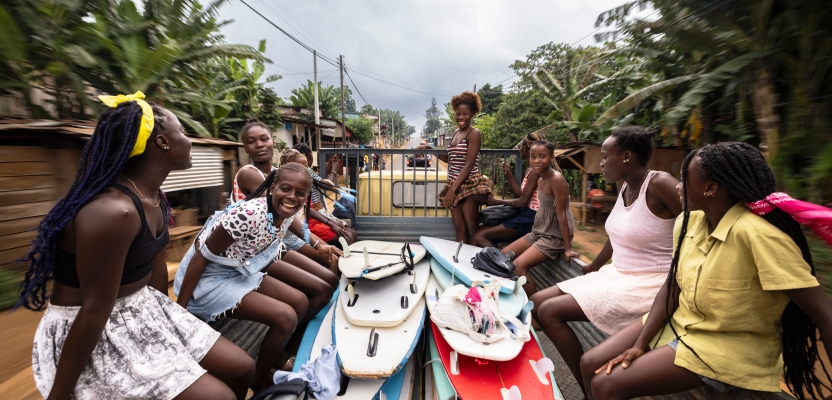
 One project that will always stay with me is Surfing Through the Odds.
It brought together talented people from different countries, disciplines and backgrounds around a shared purpose: using creativity to help address a real issue affecting a community that needed support.
What makes me proud isn't just the recognition the project received, but the fact that, years later, it's still creating positive impact.
That experience reinforced something I believe deeply: I've never been interested in creativity for creativity's sake. The work that inspires me is the work that changes something, whether that's people's lives, a community or the performance of a business.
What kind of tools/kit/software could you not do without?
People usually expect software as the answer. Of course I use Keynote, Adobe Creative Cloud and, increasingly, AI tools.
But the most valuable tools I have are curiosity and conversation. Technology helps us move faster but great conversations are still what lead to great ideas.
What’s your secret to staying inspired and motivated?
Curiosity.
I probably consume more books, films, podcasts, music and documentaries than advertising itself.
Some of the best ideas come from outside our industry, so I try to stay interested in the world, not just in marketing.
What’s the work achievement you’re most proud of?
The projects I'm proudest of aren't necessarily the ones that received the most recognition.
They're the ones where a strong creative idea clearly contributed to business success while creating something people genuinely connected with. For me, that's the ultimate measure of success.
As someone with experience in the industry, what trends do you foresee shaping the future of creativity?
AI will continue to become part of the creative process, just as many other technologies have before it. It will help us explore faster, produce more efficiently and remove repetitive tasks.
But I don't think the most important trend has changed. The brands that will continue to stand out are the ones with the strongest ideas.
Technology, media, and consumer behavior evolves but great ideas remain timeless.
What do you think sets apart truly exceptional creatives from the rest of the pack?
Curiosity. Exceptional creatives are genuinely interested in people. They understand culture, business and human behaviour before they think about advertising.
Most importantly, they don't chase originality for its own sake. They create work that matters.
How do you think technology has influenced the creative industries and how have you adapted to these changes?
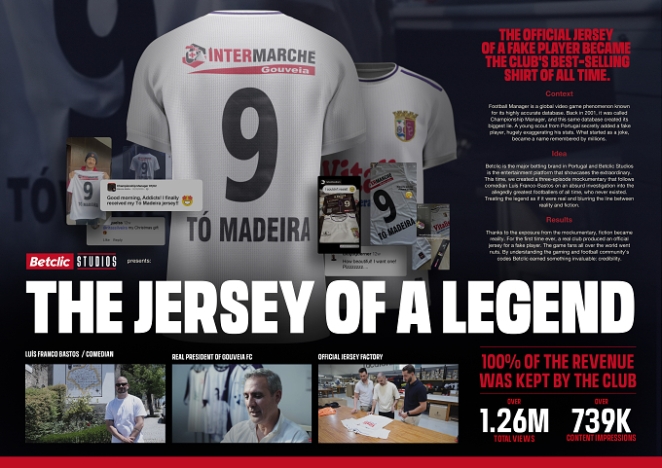 Technology has always expanded what's creatively possible, and AI is no different.I see it as another tool in the creative process. A very powerful one, but still just a tool. It helps remove repetitive work and speeds up exploration, giving us more time to focus on the part that really creates value: thinking.
Technology can improve the process but It can't replace a genuinely good idea.
What is the one thing that you would change about the industry?
I don't think I'm in a position to say what the industry as a whole should change. But if I could wish for something in the markets where I work (Portugal and Poland) it would be a stronger belief in creativity as a genuine driver of business growth.
I'd love to see more brands investing in distinctive storytelling, stronger craft and bigger creative ambition, not because it wins awards, but because it builds more memorable brands and better businesses.
Fortunately, there are already companies proving that this works. My hope is that more brands choose to see creativity as a strategic investment rather than simply a communication expense. When more brands raise the bar, the whole market benefits.
Any websites, books or resources you would recommend?
Dave Trott's books have probably influenced my thinking more than anything else. Predatory Thinking, One Plus One Equals Three and Creative Mischief are books I'd recommend to anyone working in advertising.
I also regularly follow WARC, Love the Work, Contagious and Creative Salon because they consistently connect outstanding creativity with something I care deeply about: effectiveness.
Beyond that, I think the best source of inspiration is simply staying curious about the world outside our industry.