
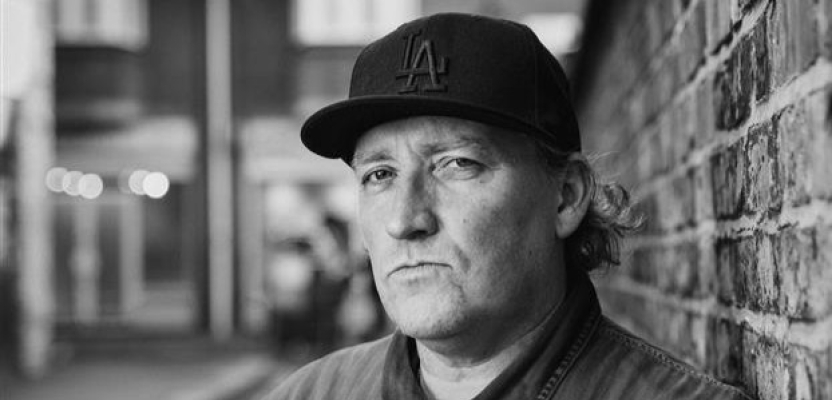

Richard Skinner, Head of Creative Development at Gate+, has spent over two decades redefining creative production across industries, from iconic music videos to groundbreaking global campaigns. With a knack for embracing change and challenging conventions, Richard has built a career that’s as unconventional as it is inspiring.
In this candid interview, he shares his unique journey, thoughts on the future of creativity, and why collaboration—grounded in compatibility and open-mindedness—is the secret sauce to successful innovation. Dive into the mind of a creative leader who believes in breaking formulas, embracing bold ideas, and always “getting it.”
Tell us a bit about your role! Is there a “typical” day?
Short answer… There is no typical day. And that’s what’s so great about what we do. Everyday brings new challenges, big and small. For me it’s about how best to decipher the actual challenge, and then unlock the most creative and combined production solution.
What is your personal background and what role did it play in your career?
I’m proud to report that achieving two GCSEs, half a ‘Sports & Leisure’ B-Tech, a spell silk screen printing for my dad’s firm and selling adverts in the back of What Van? Magazine, miraculously didn’t seem to prevent me spending the following twenty five years at the forefront of new models in multiple industries.
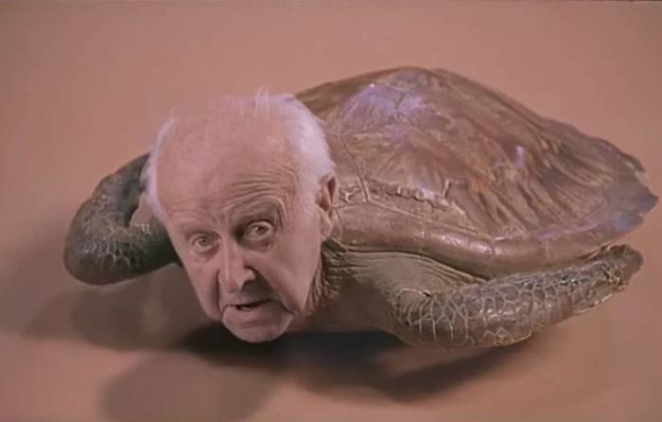
Creatively directing productions of visual communications from genre defining music videos to global automotive campaigns for some of the world’s biggest brands and everything in between. Even writing and directing a few along the way. So, there’s hope for us all!
What is your biggest career-related win? What is your biggest loss?
By design or accident, I’ve been at the centre of developing new models for forward looking companies/industries who embrace changes in the world at large. For example, I left the music industry after ten years to work in advertising, when telecoms and music started playing a massive role in that area.
Then I started a talent based production company within an advertising agency before it was a thing, in addition to helping world-leading VFX companies make more than just VFX for clients. Inevitably, some of these things have worked out and some of it hasn’t, to larger or smaller degrees. But it’s all valuable experience.
What advice would you give to your younger self?
A very talented and good friend of mine prints this on dollar bills and sells them to twits like me. ‘Do what you love and the money will follow.’ Obviously, it depends who you are and how much you can trust in your own intuition.
But, for me, particularly when I was younger, if something didn’t feel right, I more often than not, didn’t do it. On the odd occasion to disastrous effect. But, when you get old enough you realise, it always works out in the end.
If you weren’t in your current industry, what would you be doing?
Oh boy, this changes everyday. Today I'd be a golf coach. Yesterday, retired. The day before a sailor. Tomorrow a plumber, probably. They seem to have a nice life. Apart from the knees giving out.
What’s your one big dream for the future of the industry?
In an industry where increasingly nearly all things are owned by a few, and processes are bound by a formula and traditional ways of working. I hope we can all find a method to make things in the way that each challenge needs to be made. Not made in a way because ‘that’s just how we’ve always made it’.
With the advent of technology in general, we all need to be brave, bold and embrace new models, new tech and ways of working, on a large and small scale.
When you think about your team, what is the thing that matters to you the most?
100% base level compatibility. You all have to ‘get it’. By ‘it’ I mean, life, the universe and everything. What we do is hard enough without having to work around ego, agendas or politics.

Yes, that stuff’s all there and there’s no getting away from it but if you’re driving things and leading new models and ways of doing things, it helps massively if your day to day comrades ‘get it’. Get that bit right and you’re already winning.
How do you approach collaboration with other creatives or teams and what do you believe makes for successful partnerships?
Good solutions can come from anywhere. Titles don’t mean sh*t. Be open, be clear and be ready to think differently.
What industry trends do you foresee taking hold in the coming months?
This is probably further than a couple of months but I think overall, particularly in big networks, we’ll see steps to create a more inclusive, circular collaboration that brings clients closer to makers at every step.
How do you think technology has influenced the creative industries and how have you adapted to these changes?
New tools are definitely expanding possibilities. However, the magic still lies in the idea. Technology should serve the vision, not replace it. In adapting to these changes, I focus on experimentation over perfection.

I’ve learned to integrate new tools in ways that support creativity, not hinder it. For me, the key is pushing boundaries while staying true to bold, authentic ideas.
Do you have any websites, books or resources you would recommend?
My wife says this isn’t reading but I disagree. I’m a sucker for audio book biographies, mainly comedians or film people. Podcasts too, Films To Be Buried With, Off Menu, Kermode & Mayo Film Review show, Adam Buxton, so yeah, mostly film and comedic stuff.