

Graphic Brands has carved out a distinctive position in the creative industry by combining strategic branding, packaging design and deep print expertise under one roof. Speaking with Creativepool, Creative Director Terry Cole shares how the agency evolved from a small internal design team into an award-winning creative business, renowned for delivering innovative packaging experiences that blend creativity, craftsmanship and commercial thinking.
In this interview, Terry discusses the importance of specialising, the future of sustainable packaging, the role of technology in physical brand experiences, and why genuine creativity still depends on human insight. From pioneering sensory packaging and AR-enabled designs to maintaining a culture of experimentation, Graphic Brands demonstrates how thoughtful design can create lasting impact for brands and consumers alike.
How was your company born and where are you based?
 Graphic Brands grew from a small internal design team in the early 2000s, one that had built its craft servicing creative briefs for the world of label printing, managing that work all the way through to press. From those roots we grew into a passionate team of over 20 designers, strategists, artworkers, illustrators, photographers, 3D render artists, colour management experts and hard proof technicians. Every one of them, creative in their own right and trained with an understanding of print at their core.
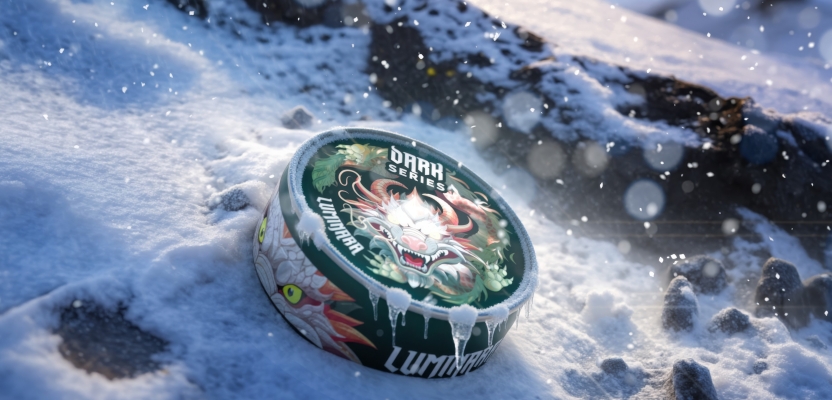
We operate across two locations, Lincolnshire and Leeds, which gives us a real breadth of creative energy. Being outside of London has never held us back. If anything, it has made us sharper, more resourceful, more commercially focused. Print is in our DNA. It sits at the heart of everything we do, from the way we think about a brief to the materials we specify on press. We are visual storytellers, brand guardians, specialists in packaging design, with cutting-edge prototyping capabilities that most agencies simply do not have.
What was the biggest challenge to the growth of your company?
Creating a truly dynamic business with print at its very core was not without its challenges. Print is often treated as a production function, something that happens at the end of a project rather than something that shapes the creative from the very start. Changing that perception, internally as well as with clients, took real conviction.
We had to build a team that genuinely understood both the creative possibilities of print, the commercial realities of packaging production, at the same time. Investing in our own workflow and talent was a major step. It gave us something rare in the industry, a direct, hands-on connection to the physical output of our work. That investment defined us. It is what makes Graphic Brands different, not just a design agency, but a business with print running through its veins.
Which was the first huge success that you can remember?
Winning our first major drinks brand was a real turning point. Being trusted to design packaging that would sit on shelves in a national retailer felt like a different level of validation. Seeing that work in store for the first time was a genuinely proud moment for the whole team. It opened doors, gave us real confidence, set the direction for the kind of agency we wanted to become. One that delivers end-to-end design for print, packaging, at the highest level. That win told us we were on the right path.
What’s the biggest opportunity for you and your company in the next year?
 Two things stand out for us right now. First, sustainability-led packaging design. Brands across consumer, retail sectors are under real pressure to rethink their packaging, from materials to messaging. They need creative partners who understand both the visual demands, the functional production realities of that transition. Second, the integration of technology and innovation into physical packaging.
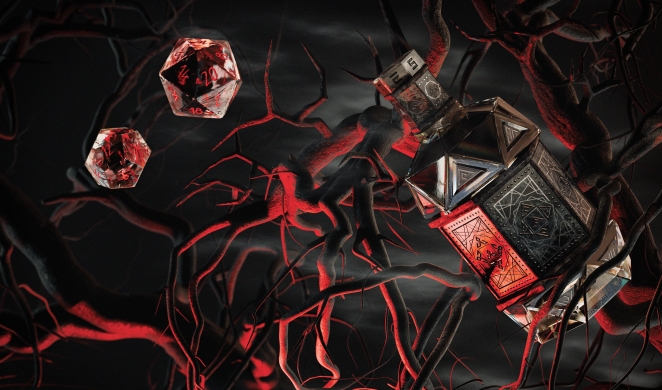
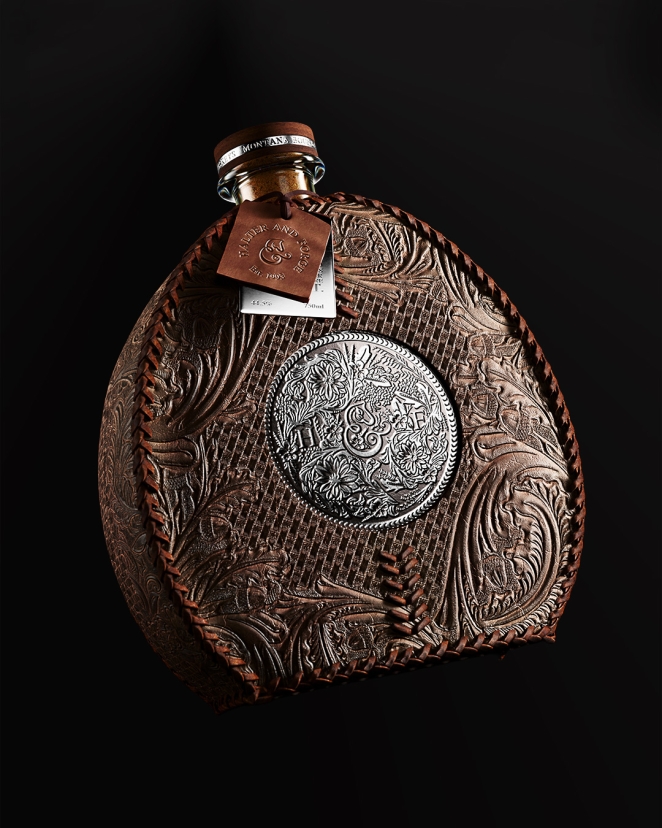
Our work on projects like The Vessel, an interactive storytelling whiskey decanter featuring AR, NFC, LED technology, shows where the category is heading. Packaging that triggers digital experiences is no longer a novelty. It is becoming an expectation. We are well positioned to lead that conversation, especially with our Pentawards recognition in 2024, 2025 putting us on the global stage.
Can you explain your team’s creative process? What makes it unique?
We work end-to-end. From brand strategy, creative concept, right through to print-ready artwork, production management and prototyping, all under one roof. That joined-up approach means nothing gets lost in translation between brief, shelf. A key part of that process is prototyping, both in 3D digital form, physical form, to test flight brands and NPD, before anything is scaled for production. Catching issues, unlocking opportunities, at prototype stage saves enormous cost, time further down the line. It also means clients can hold the idea in their hands before committing, which changes conversations completely.
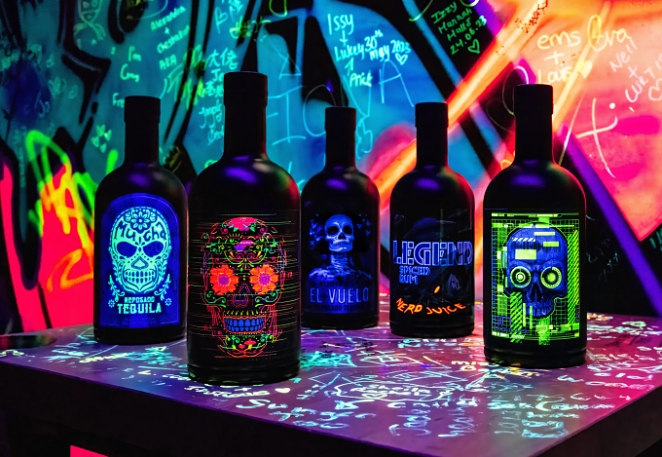
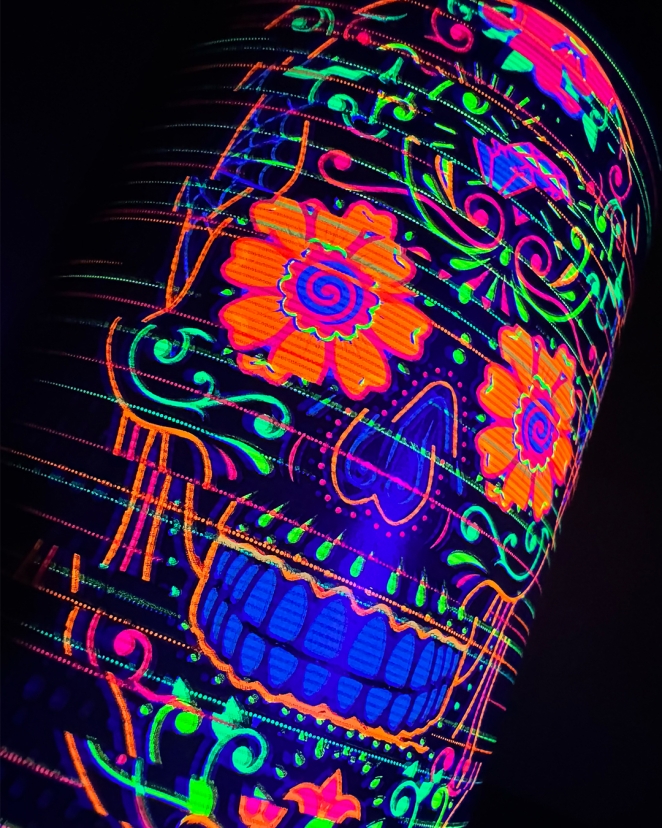
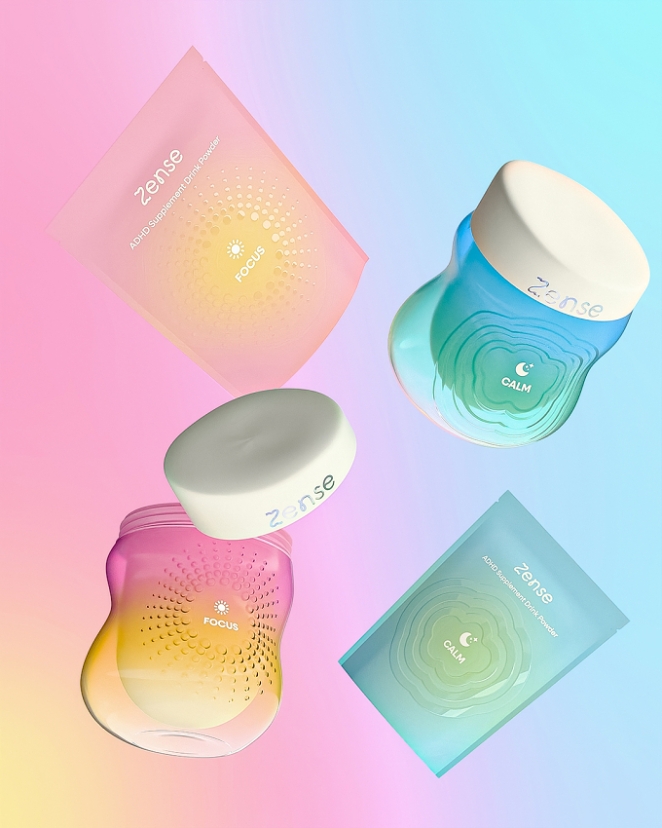
Our process always starts with understanding the commercial reality. Who is the consumer, where does this product live, what does it need to communicate in under three seconds? From there, we push the boundaries of what packaging can actually do. Alive By Night, the world's first UV-reactive foiled label series, transforms entirely under blacklight. Zense pushes into sensory design with embossed textures, scented varnishes, NFC-linked audio. The Vessel becomes a physical artefact for storytelling, complete with AR triggers, hidden lore. We never stop at the surface.
How does your team remain inspired and motivated?
Our biggest source of inspiration is life itself. The experiences, emotions, moments that technology cannot serve up or replicate. Design that truly connects comes from lived experience, from feeling something real. We champion that philosophy completely. You cannot algorithmically generate genuine emotion in a piece of packaging. You can only channel it from real human experience.
Beyond that, we get out into the world as much as possible. Walking retail aisles, visiting trade shows, exploring bar environments, experiencing cultural events and absorbing IRL moments from some of the most successful cross category brands in the world. Seeing our work, our competitors' work, in real context keeps us honest, hungry. We celebrate wins properly, give credit where it is due, make sure the team knows their work matters. Because it does.
How has COVID-19 affected your company?
 Like every business, we had to adapt quickly. Consumer goods, packaging proved relatively resilient sectors. People still needed products on shelves, brands still needed strong design to compete for attention. We needed to propose packaging that was cost effective but maintained brand integrity, to businesses that were cost conscious through this period. We pivoted fast to remote working, invested in our digital collaboration tools, found the team thrived with the flexibility. The pandemic also accelerated long term changes.
Clients became far more open to working remotely, which expanded our geographical reach without needing to open new offices. Some of the processes we built during that period stayed with us permanently, because they genuinely made Graphic Brands better and a global creative services provider.
Which agencies do you gain inspiration from? Do you have any heroes in the industry?
We have huge admiration for JDO, whose ability to blend strategic thinking with beautiful craft is consistently impressive. Russel Sage Studio does extraordinary work in experiential, hospitality design. Elmwood, Pearlfisher, Bulletproof are always pushing categories forward. We also look well beyond our own industry for inspiration. Studio B brings a different kind of spatial intelligence to brand environments. Ninja Theory, Rocksteady approach storytelling, world-building in ways that genuinely influence how we think about brand narrative and transmedia strategies. The best ideas rarely come from staying in your own lane.
What is one tip that you would give to other agencies looking to grow?
Specialise and champion yourself. It can feel counterintuitive, like you are turning away work. Becoming genuinely expert in a specific area is what builds the reputation that sustains long term growth. Clients do not always want a generalist when they are making decisions that will end up on millions of units of packaging. They want someone who lives, breathes their world. The clearer you are about what you are brilliant at, the easier it becomes to find clients who need exactly that. Less time wasted on work that does not play to your strengths.
How do you go about finding new clients/business? (Pitching, work with retainers, etc.)
 Most of our new business comes through reputation, referral. That is the best indicator that you are doing the right things. We invest heavily in client relationships. Many of our clients have been with us for years, bringing us into new projects, recommending us to peers. We pitch selectively, only where there is a genuine creative, commercial fit. We are not a volume agency crunching numbers. Retainer relationships matter to us because they create the space for better strategic thinking, deeper creative partnerships. Maintaining a strong presence through platforms like Creative Pool, industry award programmes, ensures the right clients find us.
What’s your one big hope for the future of the industry?
That the industry keeps championing the value of craft. There is growing pressure to produce high volume, faster, cheaper. Technology has a huge role in efficiency, but the best design still comes from people who take time to truly understand a brand, bring genuine creative thinking to it. I would love to see the industry resist the race to the bottom on fees and timelines. The commercial return that great design delivers deserves to be told far more loudly.
Packaging design has a measurable, proven impact on sales. That story should be at the heart of every conversation between agency, client. Beyond that, our bigger hope is that people continue to crave IRL moments, the physical form of brands.
There is a real cultural shift happening. Consumers are pushing back against an over saturated digital marketplace, seeking out the tangible, the tactile, the real. Brands that have leaned so heavily into digital strategy are finding themselves lost in the noise. Our hope is that this appetite for the physical keeps growing. It resets the conversation, reminds brands that a beautifully considered piece of packaging, something you can hold, feel, experience, will always cut through in a way that a social post simply cannot.
Can you share a defining moment in your company's journey that shaped its identity or direction?
The moment we chose to double down on what Graphic Brands was genuinely exceptional at, end-to-end design for print, packaging, was the moment everything changed. Staying broad felt safe. Specialising felt like a risk. But it forced us to raise our standards, invest in the right people, equipment, knowledge. It also forced us to move premises and build our own purpose build creative hub to service our clients in the best way possible.
It gave us a clarity of positioning that clients responded to immediately. That decision shaped our culture, our client base, our reputation. The awards have followed. The Pentawards wins in 2024, 2025, recognition at the Harpers Design Awards, The Drinks Business Awards, The International Spirits Challenge, are all a product of that commitment. You cannot win at the highest level by trying to be everything to everyone.
How do you foster a culture of innovation and experimentation within your team?
 We protect time for it. Client work will always fill every available hour if you let it, so we deliberately carve out space for exploration. Internal briefs, award entries, time to experiment with new techniques, materials, finishes.
Alive By Night, the world's first UV-reactive foiled label series, began as exactly that kind of internal creative experiment. Zense pushed us into neuroscience-led sensory design in ways we had never explored. The Vessel took us into the world of tabletop RPG communities, interactive storytelling, augmented reality. None of those projects happened because a client asked for them. They happened because we gave ourselves permission to ask, what if?
What measures do you take to ensure diversity and inclusion are prioritised within your company?
Diversity of background, perspective, life experience makes for better creative work. We are committed to inclusive hiring that does not create unnecessary barriers. We actively welcome applicants from non-traditional routes into design, including those who have not followed a standard degree pathway.
Internally, we work to ensure all voices are heard in the creative process, not just the loudest or most senior. It is an ongoing commitment rather than a box-ticking exercise, approached with honesty, a genuine willingness to keep improving.
Can you describe a project that challenged your team creatively and how you overcame any obstacles?
Zense was one of our most challenging, most rewarding projects. The brief was to design packaging for an ADHD supplement that did not just communicate the product. It had to actively work for neurodivergent users through multi-sensory design. Sight, touch, hearing, smell, taste, all had to be considered simultaneously. Every design decision was grounded in how ADHD brains process sensory input.
That meant researching neuroscience alongside materials, print finishes, finding ways to make textured embellishments, scented varnishes, NFC-linked playlists work together cohesively. The result is something we are genuinely proud of. Packaging that is purpose-led, empathetic, unlike anything else in the market.
How do you balance maintaining your company's unique creative voice while meeting the diverse needs of clients?
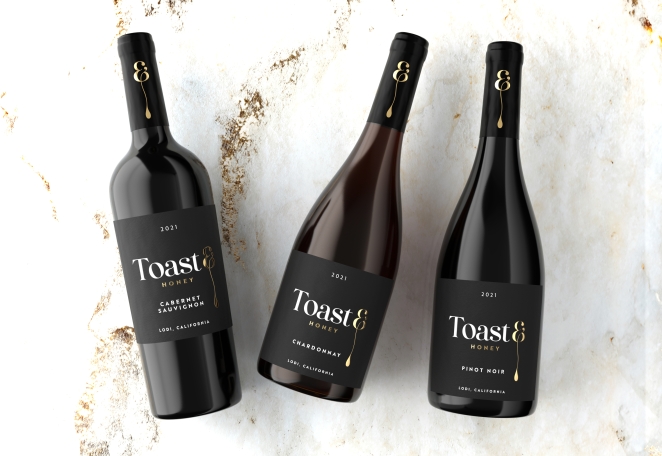
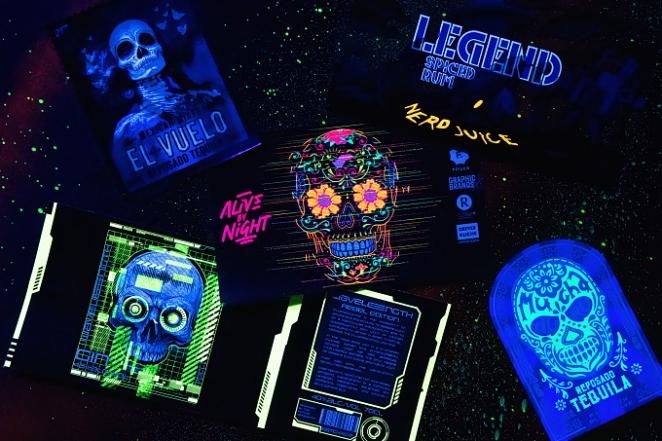 Our creative voice is not a visual style. It is an approach. The same rigour, curiosity, commercial intelligence applied to every project. That is why our output can look so different from brief to brief. Ditchling Gin is typographically restrained, rooted in British heritage. Alive By Night is bold, neo-punk, UV-reactive. Toast & Honey is minimal, premium. The Vessel is a full fantasy artefact. All distinctly Graphic Brands in their thinking, even if they look nothing like each other. Underpinning all of it is a constant, deliberate connection to print, the physical form. We never let that go. The way something feels in the hand, the way light catches a foil, the weight of a material, these are not finishing details. They are the point.
What strategies do you employ to adapt to changes and trends in the industry while staying true to your company's values?
We watch trends carefully but follow them selectively. A brand that chases every packaging trend ends up looking incoherent within a few years. Our job is to help clients build brands with lasting power. That means grounding every decision in consumer insight, brand strategy, rather than what looked impressive at a trade show.
Crucially, our Proof+ prototyping arm of the business keeps us genuinely connected to the supply chain. We work continuously with industry suppliers, innovators in print, packaging, so we know what is in the pipeline before it hits the mainstream. That means we can bring clients real innovation, not trend chasing. When something genuinely new is coming, we are already working with it and reviewing the commercials and production processes.
Can you share a memorable client success story that exemplifies your company's approach and impact?
Toast & Honey for Majestic Wine is a great example. The brief was to create a premium New World wine range that captured the essence of Californian winemaking. We developed a minimal, sophisticated typographic brand mark. The hero of the design is a customised ampersand built to imitate the natural motion of dripping honey. Lightly textured material, honey-gold foil, together they communicate premium without shouting.
Jake Biggs, Buyer at Majestic Wine, described how Graphic Brands took an idea through brand identity workshops, helped them make the right material selections to ensure the finished dry goods truly reflected the quality of the brand. Seeing that range on shelf in Majestic stores was a proud moment.
In what ways do you invest in the professional development and growth of your team members?
 Our creative services are entirely dependent on the quality of our people, so development is taken seriously. Every team member has a personal development plan. We fund relevant training, courses, industry events as standard. We invest in mentorship, both internally, where senior designers work closely with junior team members, through external industry networks too.
We encourage everyone to build their own profile in the industry, through speaking, writing, award entries. When people grow, Graphic Brands grows. We have seen some brilliant careers develop within our walls, which is something we take real pride in.
How do you approach sustainability and ethical practices within your company's operations and projects?
Sustainability is core to how we design, not a bolt on. On the client side, we proactively advise on material choices, print processes, structural design that reduce environmental impact without compromising shelf presence.
The Zense tub is made from recycled plastic, designed to be refilled rather than discarded. The Vessel takes that further still. Handmade in small batches from recycled base materials, it is designed explicitly for reuse, as a decanter, a prop, a centrepiece that outlives the product it originally contained. That legacy of reusability is built into the concept from the start.
We have built strong relationships with suppliers who share our values and are ethically validated. We operate our studios with this and sustainability in mind. The packaging industry carries a real ethical and environmental responsibility. We do not shy away from that.
Can you discuss a time when your company had to pivot or innovate in response to unforeseen challenges, and what lessons did you learn from that experience?
 The shift to remote working during the pandemic required us to rethink almost everything about how we collaborated, managed creative work. We had always been studio first. We believed in the energy of people being in the same room. Having that taken away overnight forced rapid innovation.
We overhauled our briefing, review processes, invested in new digital tools, got significantly better at communicating with intention rather than relying on the ambient information-sharing of a studio environment.
The lesson was that constraints drive creativity. Some of those processes stayed permanently because they made Graphic Brands genuinely better. Disruption, handled well, becomes an accelerator.
More recently, the pressures of global conflict have driven material prices sharply upward, with supply chains delayed in ways that have directly affected projects we create and manage for our clients.
That has demanded a different kind of pivot. Fast thinking, fast communication, re-engineering briefs mid flow to find an alternative design, materials, processes, without compromising the quality or ambition of the work. It has sharpened us further. When you cannot rely on the expected route, you find better ones. Our clients trust us to absorb that complexity on their behalf, to come back not with problems but with solutions.
Do you have any websites, books or resources that you would recommend?
For packaging, branding, Creative Pool is fantastic to discover great work across the entire creative industry. Pentawards is essential viewing, the global benchmark for packaging excellence, a constant source of inspiration. Make a Mark is a brilliant resource for emerging design talent and true packaging innovation. The Dieline covers the full spectrum of packaging design with real depth, consistently high quality.
On the podcast side, Brands in Play is a fascinating listen for anyone thinking about how brands behave beyond the shelf. The Food Chain from the BBC takes a broader, cultural view of the food industry that always sparks a topic worth looking at. The Diary of a CEO is one we would recommend to anyone building a business, not just in the creative world. It is grounding, honest, often challenging in the best way.
Most importantly, don’t watch and listen… Get into physical retail and brand activation spaces as often as you can too. There is no substitute for seeing how design performs in the real world.