
For Nicolas Núbile, becoming a film director was less a carefully planned career path and more a return to an idea that had been with him since childhood. Inspired by the golden era of Argentine advertising, Núbile was drawn to the power of short, memorable stories that could make people feel something. From starting out as a production assistant and working his way through the ranks as a second assistant director, to directing international campaigns across Argentina, Spain, Mexico, Asia and the Middle East, his career has been shaped by curiosity, collaboration and a deep respect for the craft of filmmaking.
In this interview, Argentine film director Nicolas Núbile discusses his creative process, his approach to directing, and why authenticity remains at the centre of his work. He reflects on memorable projects including The Pianist for Buchanan’s, shares advice for aspiring creatives, and explores how AI and new production technologies are changing the creative industries. He also discusses the directors and artists who inspire him, the importance of protecting a coherent creative vision, and why great filmmaking ultimately needs more than visual craft — it needs a story with something to say.
How did you first get into the industry?
 I started working as a P.A in the advertising industry one year before finishing Film school in BsAs 25 years ago, I had to stop working so I could shoot my Film Thesis as a Director and then went full on working as a 2nd AD, from there I made my way up to directing.
Where are you based now and who do you work for?
I’m currently based in Argentina, I live in the mountains with my family, but I’m not home that much, I’m usually traveling. I work for Rebolucion in Argentina, Spain and Mexico, and I do a lot of freelance jobs, I have my Rep (Sunny_Bonsai) for Middle East and Asia. I’m always looking for new markets around the world!
What is your personal background and what role did it play in your career?
It’s a funny Story how I ended up in Film school and then directing. When I was a kid I remember watching tv commercials from the Argentinian golden era of advertising and thinking “this is what I want to do, make short catchy stories that can make people feel stuff” Then I grew up, became a teenager, started playing the drums and things shifted to “I want to be in a rock’n roll band”. After high school I wanted to study music so I signed to a Career that had “audio” in its name thinking it would be music driven (the film degree in Argentina is called: “Audio and Video Designer”) but by destiny I ended up fulfilling my original desire and became an audiovisual storyteller!
I always loved advertising and films, being such a tv commercials fan made me focus on where I wanted to develop my career.
Knowing that I wanted to be a director drove me to work diligently and pay a lot of attention to all the great Directors I had the chance work with.
Because I spoke fluently English in a moment where production services where massive in Argentina, I learned from top tier crews.
If you weren’t in your current industry, what would you be doing?
 I really don’t see myself not shooting stuff! Let’s say that there could be another multiverses where I’m drumming in a band. I used to assist in Scriptwriting classes at university, and love to write stories, so most probably I would be working in the industry but as a creative. It would have to be a place where I could express myself in any sort of way.
Can you explain your creative process? What makes it unique?
I think I can explain it in different phases. And it depends on the time I have to develop my treatments. But first is pure chaos, suffering and desolation, haha, When I approach an idea I try to write more abstract notes, feel the idea and grasp the concept before diving into reference research.
I think that having references from the start or a too much detailed pitch sometimes takes authenticity or freshness to the approach. My motto is “if it doesn’t breath life, if it doesn’t feel authentic, it won’t make a difference”
That’s why the firsts days everything is so chaotic, cause something inside me that is not conscious is absorbing the soul of the project. And choosing the right point of view.
After a good night sleep I can start putting things together, from there I know what to ask to my creative team to research for.
I mostly do write my own treatments, its a way for me to organize not just the ideas but budget requirements.
My best projects where the ones where the idea was just a concept and I was able to get involved not only in the craft but in re-writing the script in collaboration with Agency creatives.
I think what makes my approach unique is that I can adapt to what the project needs, and from there make it grow.
Having started from the bottom of the food chain in this industry makes me very aware of how to make things happen, and what limitations we may have in all departments. And that is why I can deal with such eclectic projects and crews all around the world.
How would you describe your style?
I have to say that I’m always learning, and my style is constantly evolving. I try not to jump on trends that easily, cause I think that the only thing that matters of your style is that it comes from within, from a real place.
My style is mostly naturalistic, raw, human, funny, epic, cinematic, visually aesthetic, warm, and trying always to keep it authentic and sympathetic even if the tone is aspirational
I always try to find a way of making the project my own so I can have a very personal style.
Which individuals do you gain inspiration from? Do you have any heroes in the industry?
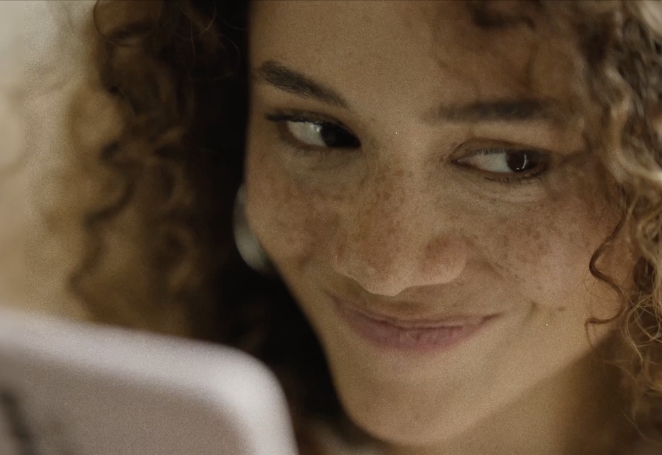 I’ve been inspired by a lot of directors thru my career. As I said before working with top tier directors as Traktor, Nicolai Fuglsig, Emanuel Lubeski, Dante Ariola, Armando Bo, Pucho Mentasti really shaped my career.
I have to say I’ve always loved the work of Gustav Johansson, he is one of my heroes.
And these days I feel inspired by the work of directors like: Stefanie Soho, Leigh Powis, Daniel Wolfe, Youth, Henry Scholfield, Bianca Poletti.. and many others!
What tips would you give to aspiring creatives looking for work?
I would tell them to take it easy, this is not a short run, it’s a marathon. We have to go step by step. It’s important to learn, to listen and pay attention before exposing yourself!
Try not to copy other recipes, even if the project or the script is bad, always look for something that resonates with you, and make it your own, that way it will always work.
The best advice I got when I was on Film school was: “The hard part isn't getting there, but staying there”
This days everything is about being successful and the frustration rate is growing exponentially, we need to stay healthy and avoid burnout.
What tips would you give to other professionals to get more clients?
Showcase your work, make it available wherever you can, try to be at the right places at the right times instead of asking for projects. I think its all about being magnetic and appealing rather than demanding.
Can you share a memorable experience from your career journey that shaped your approach to creativity?
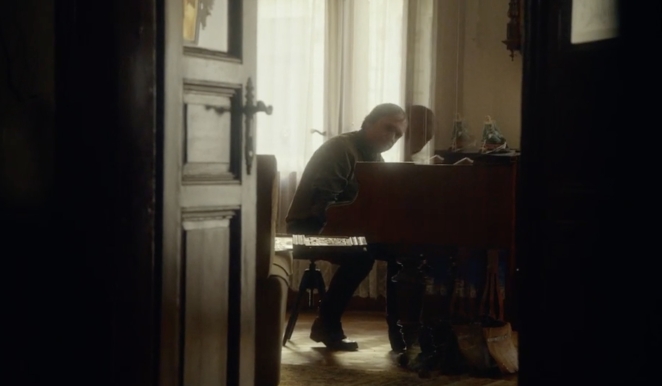 I Remember working on a film for Buchanans called “The Pianist” it was one of those project very narrative, branded content, full cinematic, and where there was no script, just an idea, a concept.
I was a young director competing with directors that had much better reels than me. And it felt like a real challenge for me.
I had the chance to develop a full cinematic script, propose the client to travel to Prague to shot it and presented the approach printed in music sheet pages delivered inside a Vynil record of a piano concert with a personalized branded cover.
It was a really bold move, and we won the project. I have to say it was one of the most interesting cinematic experience in my life.
The film won a golden lion in craft in Cannes.
But what made it unforgettable for me and shaped my career and motivation was that the even the film was 2 minutes long, very long for a Cannes showcase, it was projected in the Palais at the awards ceremony and had a very long standing ovation!
Witnessing the audience moved by the storytelling changed my life and made me love my job more than ever.
What kind of tools/kit/software could you not do without?
Let’s say that directing has a lot to do with gathering the right crew to achieve your goals. And they are the ones that use special technical tools for Cinematography, editing and stuff.
I mostly work with my computer for developing the projects, for communication.
I like to do sometimes my own pre-editing, mock ups to try scores, or rhythm while I’m create. Investigate color palettes and I work a lot with editing software.
These days I’m working a lot with AI for research and investigation to try new ideas to then shoot them for real!
What’s your secret to staying inspired and motivated?
Always make the projects my own, find something to be in love with what I’m doing. A challenge, a special goal. And the knowledge that I’m blessed with the opportunity to do what I love.
I visit museums, I consume art, I go to the theater, I walk the streets, I try to keep in touch with what’s going on outside our bubble .
For me its crucial to stay healthy physically and mentally. Part of saying inspired and motivated involves training hard and meditating a lot to stay focused and awake.
What’s the work achievement you’re most proud of?
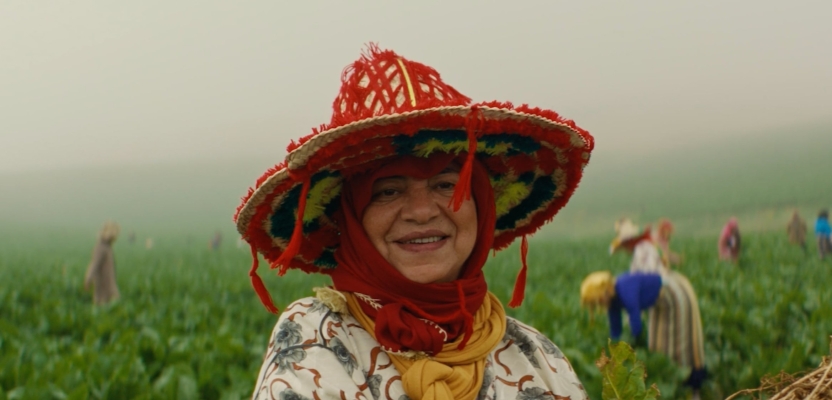
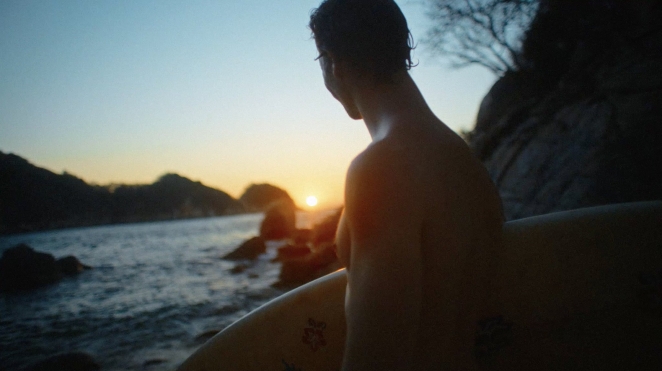 Because of the creative freedom I had during these projects and the visual outcome they had I think that “The Pianist by Buchanans” and “Unforgettable by Nutrilite” are the films I love the most.
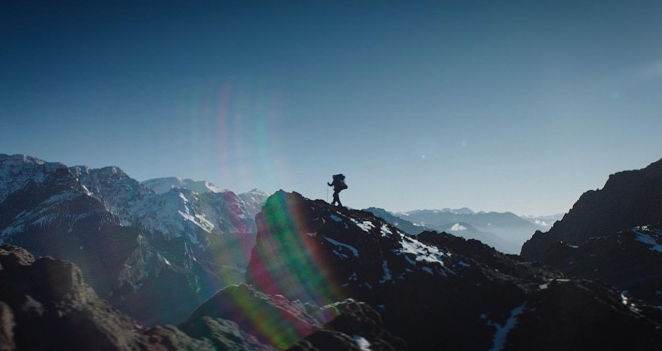
Being able to travel around the world, shooting in places like Africa, Asia, West Europe and other incredible places is an achievement I’m proud of!
As someone with experience in the industry, what trends do you foresee shaping the future of creativity?
I see that we are in an era where craft is incredible, that visual experimentation is driving creativity and we are having a visual freedom never seen before. Everything looks incredible but there are no stories. There is no challenge, no controversy, a lot of political correctness.
I foresee a future where great craft will be balanced with boldest ideas.
What do you think sets apart truly exceptional creatives from the rest of the pack?
People that loves what they do always stand out. Creatives that take responsibility will always create projects that are alive.
In out industry sometimes you have to fight for what is right for the film or the idea, with so many people sharing an opinion with different interest, clients, account people, marketing leaders, market studies etc, its most of the times that projects end up being some kind of frankensteins beings with no soul.
That’s why we creatives that can maintain a coherent vision and fight for it are always the ones that make it to the top!
How do you think technology has influenced the creative industries and how have you adapted to these changes?
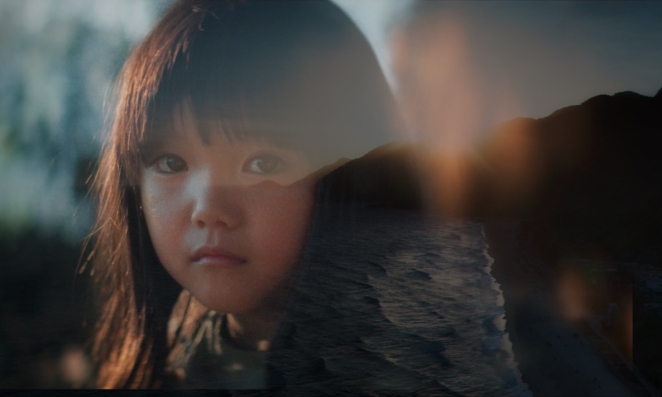 Technology democratized the means of production, everybody can create unique visual pieces these days. But it is a double-edged sword.
I see cheap solutions that downgrade the craft, lots of AI flops, like the well known ads made by a famous carbonated drink.
And we have to make a responsable use of these knew techs.
I find myself using a lot of these new technologies mostly for development as my craft does not rely to much on postproduction.
Yet, this year I did some commercials that included IA generated footage and it is really cool when used properly.
What is the one thing that you would change about the industry?
I’d love Clients to trust more their guts and their agencies. I see that some marketing concepts and initiatives are killing creativity, people still find more catchy and memorable to attach a brand to an emotion rather than a literal display of functionality with an overwhelming display of the brand’s colors.
Any websites, books or resources you would recommend?
I find that Vimeo has become the best page to find the latest ads and videoclips for inspiration.
Frameset and film are both great research sites to find inspiration with a very intuitive search engine!
I need to have inspiration near me all the time that’s why I try to have as many photography and art books in my studio I’ll recommend two gems of street photography:
-The suffering of light by Alex Webb. An exquisite work on color, lights and shadow.
- Marvin E. Newman. Photographs 1949–1983
There is a classic book I love, that Stanley Kubrick used to understand how to approach the mind of the audiences and its a good reco, its called “Subliminal Seduction”- by Wilson Bryan Key.