

Lucy Kirkwood, Creative Director and Founder of Friends of Friends, has carved out a reputation for building lifestyle brands that feel both cult-worthy and timeless. With a background rooted in design, storytelling, and strategy, she has worked across industries to create brands that don’t just look good but leave a lasting cultural impression. Recently, she also co-founded NIMBL, a natural joint health supplement, adding another entrepreneurial chapter to her creative journey.
Her path into the creative industry started young, fueled by a passion for design and photography that grew into a career defined by independence and bold choices. Today, based in Sydney, Lucy balances her work as a creative director with her role as a founder, blending structure and freedom in equal measure. In this interview, she shares her insights on creativity, the future of branding, the importance of originality, and what it truly takes to stand out in an ever-evolving industry.
How did you first get into the industry?
My best subjects at school were photography and design. I studied Visual Communications and started freelancing while still at uni because it paid better than retail shifts or hospitality jobs. Once I started working with real clients, I knew I was on the right track. Design gave me both structure and freedom - still does.
Where are you based now and who do you work for?
I’ve just moved to Sydney and I run my own design and brand studio called Friends of Friends. We’re a creative direction and brand studio building cult-worthy lifestyle brands through elevated design, strategic storytelling and design-led content.
What is your personal background and what role did it play in your career?
I grew up in Auckland in a creative household - think music, art, film and a bit of science thrown in for balance. My mum’s an interior designer and has always worked for herself, which made a big impression on me. She has great taste, a strong work ethic and total creative independence. I think I subconsciously designed a career to match.
If you weren’t in your current industry, what would you be doing?
Tarot reader. Food critic. Energy healer. Therapist. Ideally, all of the above with a side of long lunches.
Can you explain your creative process? What makes it unique?
It kicks off with a strong coffee and a deep dive - pulling as much as I can from the client about their business and themselves. Then I step back. Walk, write, hit a gallery. I let the ideas simmer before even thinking about execution. I also steer clear of the Pinterest rabbit hole early on - it’s a fast track to regurgitating what’s already out there.
How would you describe your style?
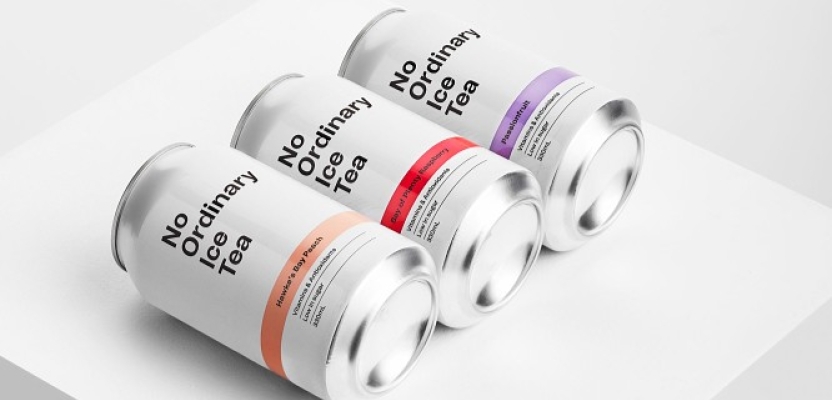
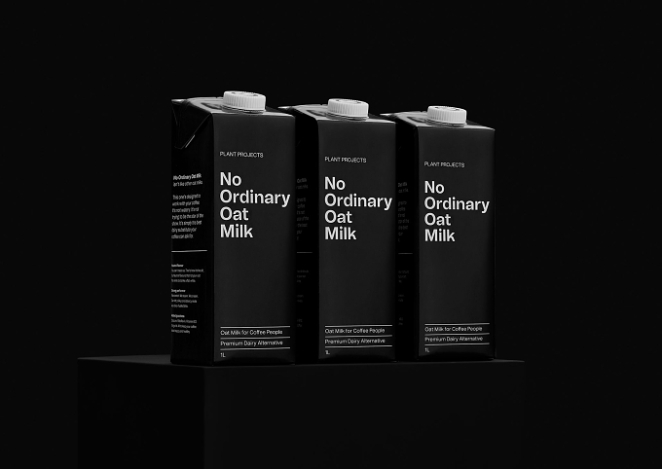
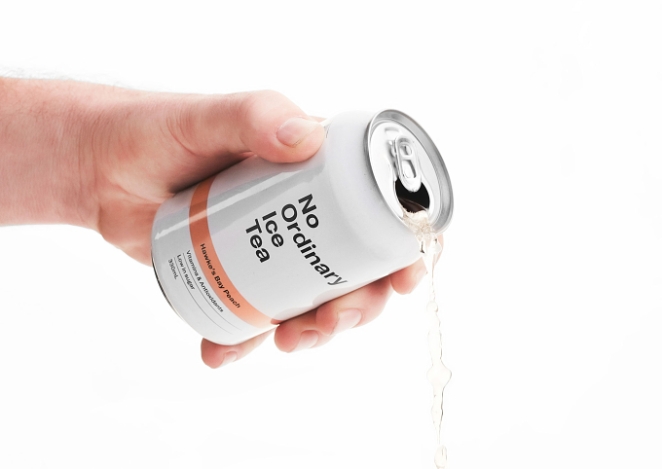
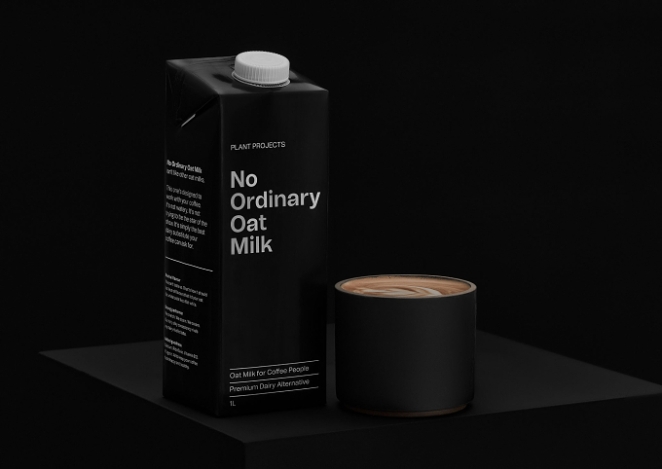
Personally, I’m drawn to minimal, type-led design with bold use of colour - work that’s intentional and built to cut through. At Friends of Friends, we don’t chase a house style. Every project earns its own aesthetic, shaped by the right collaborators and a deep sense of what makes something feel iconic.
Which individuals do you gain inspiration from? Do you have any heroes in the industry?
Kelly Wearstler. Simon Porte Jacquemus (of course). Jonathan Anderson (Loewe, Dior). Jasmine Dowling. Giancarlo Velle. Lotta Nieminem. Sabine Marcelis. Pip Edwards. Yasmine Ghoniem (YSG Studio). I also get a lot of inspiration outside traditional graphic design - brands that fully own their space, visionary creative directors, interiors, architecture, food, film, art, even business.
What tips would you give to aspiring creatives looking for work?
Get visible. Reach out to brands or studios you love. Don’t wait for permission. Half the game is just backing yourself and taking the first step. The thing you’ve been resisting and shifting down your priority list is likely the thing you need to action.
What tips would you give to other professionals to get more clients?
Find your niche. That thing you geek out on that you think no one else cares about or finds weird or boring? That’s your superpower. Be more you in how you show up and present your work - it helps the right clients find you.
Can you share a memorable experience from your career journey that shaped your approach to creativity?
Going to Semi Permanent on a school trip blew my mind. The range of disciplines and styles made it clear that creativity isn’t about staying in one lane. I still carry that mindset as a creative director - I might work in predominantly graphic design based projects, but I draw just as much inspiration from interiors, architecture, objects, materials. It’s all connected, and it all informs the way we build brands.
What kind of tools/kit/software could you not do without?
Adobe Creative Suite. My iPhone. VN for content editing. Notion for organising my brain. And good old Google Calendar.
What’s your secret to staying inspired and motivated?
By doing less. It’ll feel counter-intuitive at first, but I’ve learned that forcing creativity is a waste of time. I get more ideas from walking, moving, meditating, playing sport, listening to a podcast or some binaural beats - doing things completely unrelated than from sitting at a desk all day. Also: having a good support network of creatives and business owners to talk and bounce ideas with.
What’s the work achievement you’re most proud of?
Friends of Friends recently turned nine which feels surreal. So much has evolved and honestly, I wouldn’t have it any other way - this is the only way I know how to work. I’ve built the entrepreneurial freedom I always dreamed of, and that still feels like the biggest win. A close second would be Creative Directing a 115-year anniversary event for a legacy business - an enormous production and a real honour to lead. Most recently, I launched an invite-only offering under Friends of Friends, opening a new chapter for the studio that I’m incredibly excited about.
As someone with experience in the industry, what trends do you foresee shaping the future of creativity?
AI tools are obviously here and growing fast. That said, they still need human hands to make them good. On the other side of the spectrum, nostalgia is big - think scanned artwork, the ‘Xerox’ effect and photography styling with silverware. Brands are moving quickly to stay relevant in cultural conversations and collabs (take Jacquemus’ recent bananas-themed store opening - a masterclass in storytelling and spectacle, or Malbon Golf rewriting the dress code for one of the world’s most exclusive sports as well as collaborating with brands like Tiffany & Co).
Studies also now show 80% of people check their phone within ten minutes of waking up, so the need to prioritise social media experiences and aesthetics as a brand is huge - Instagrammable moments that might just earn your brand viral street cred. People are craving things that feel warm, familiar, authentic, and shareable.
What do you think sets apart truly exceptional creatives from the rest of the pack?
They don’t follow the crowd. They build their own world. Exceptional creatives stay curious, stay weird and trust their instincts. The unfamiliar becomes the next big thing - if you’re doing something original, people will notice.
How do you think technology has influenced the creative industries and how have you adapted to these changes?
It’s sped everything up. Clients want more content, faster turnaround and immediate results. So I’ve learned to work smarter - templates, systems, clarity of process. But I still think the best work comes from slowing down. Rushed work isn’t the vibe. The balance is key.
What is the one thing that you would change about the industry?
This is a tricky question! Perhaps more respect for time spent doing ‘nothing’ - this is the sweet spot where good ideas actually land.
Any websites, books or resources you would recommend?
ChatGPT for refining ideas and streamlining systems. Notion for planning. Loom for screen recording quick briefs, especially if working on various timezones to your team. Miro for moodboarding. Scheduling in one thing every week that lights you up, purely for joy. @becauseofmarketing. @opulist. @softervolumes. @merit_la. @visualjournal.it. @thebrandidentity. Typewolf. Architectural Digest. The Design Files. The Local Project.