


Building a brand identity is as much discipline as creativity. The goal isn’t to look current; it’s to feel inevitable. As Mike Perry, Founder and CCO at TAVERN, puts it: “Many rebrands fail not because of bad design, but because they weren’t built on anything real.”
According to Wybe Magermans, Co-Owner and Director of Growth at WMH&I (winners of Best Agency to Work For at Creativepool this year), meanwhile: "Rebranding a successful business can inject fresh energy and focus, but get it wrong and it can cost you dearly." He should know a little about that given that his agency underwent a pretty significant (and successful) rebrand back in 2023.

Wybe Magermans
This piece looks aims to combine the insights of both creative leaders. We explore 10 of the guiding principles Mike feels should underpin any successful brand identity and get among the reeds with Wybe with his own 5 principles that guided WMH&I to rebrand success two years ago.
Mike (whose insights we expanded upon with our own) offers a more "big picture" perspective, while Wybe’s perspective complements this by grounding identity in lived experience and making principles work in practice. The result is a deep, wide-reaching and valuable template for anyone looking to build a brand from scratch or build and existing brand into something truly eternal.

Mike Perry
1. Start with archaeology, not artistry
“Before you design, dig. Unearth the brand’s origin story, early artefacts, forgotten intent. The best ideas are rarely invented — they’re rediscovered.” – Mike Perry
Before sketching logos or colour palettes, dig into the brand’s roots. Discovery and research are the foundation of meaningful identity work.
If it’s an existing company, explore its archives, early ads, founding documents and internal stories. What inspired its creation? What emotion did it originally seek to evoke? You might find forgotten gems like a vintage tagline, an unused symbol, a phrase from the founder that still resonates.
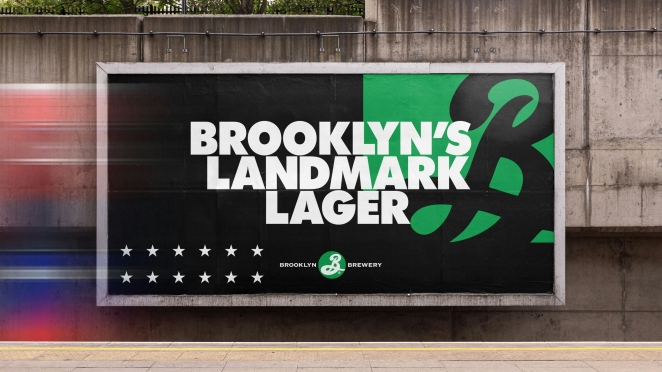
Brooklyn Brewery’s rebrand famously drew from its founder’s hand-drawn marks found in storage. The result felt fresh yet authentic, connecting past to present. Contrast that with Gap’s 2010 logo fiasco, which was a generic redesign with no link to heritage, swiftly abandoned after backlash.
The takeaway: every brand has a “DNA” that deserves to be uncovered. When you start from truth, design gains depth and credibility.
2. Define the brand’s “why then” and “why now”
“What was the brand created to solve originally, and why does that still matter today? That tension is the foundation of relevance.” – Mike Perry
Once you’ve excavated the origin story, clarify how that purpose translates today. Markets evolve, but the core motivation often remains.
Ask: why did this brand exist then, and why does it still deserve to exist now? Bridging that gap preserves authenticity while ensuring relevance.
A heritage cycling might reframe its mission for a new audience: still about innovation, but now through sustainability and inclusivity. The product changes, the spirit remains.
For newer companies, “why now” might be obvious — solving a modern pain point or representing a cultural shift. What matters is articulating it clearly so your identity radiates purpose, not decoration.
Storytelling plays a key role. Linking past and present gives audiences a narrative arc: here’s how we began, here’s how that mission still drives us. It’s an anchor for creativity and a filter for decision-making.
Write two simple sentences:
- “Originally, this brand was created to _ .”
- “Today, this brand exists to _ .”
If they connect seamlessly, you’re ready to build. If not, refine until they do.
3. Treat yourself like a client
Wybe Magermans: "We tell our clients they need a big idea. One that reflects their values and can flex and scale as they grow. We followed our own advice. We gave ourselves a proper brief and a realistic budget.
Teams across strategy, creative and client services developed ideas, and we treated them as we would any client pitch. Reviewing, refining and debating them together. Half the agency became the creative team, the other half the client. It created healthy tension, accountability and buy-in."
4. Design for memory, not novelty
“Great design isn’t something new every season. It’s something people can recognise in a blink ten years from now.” – Mike Perry
Trends come and go, but memory is what builds equity. Identity must be recognisable over years, not merely fashionable this month.
Designing for memory means prioritising consistency and simplicity over gimmickry. Brands that constantly rebrand to “stay fresh” end up eroding the recognition they’ve spent years building.
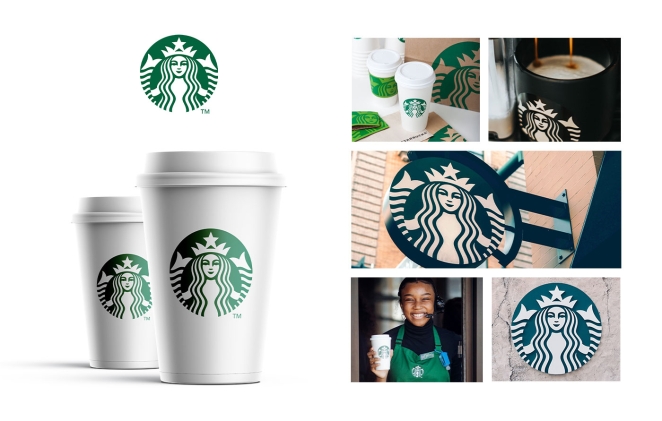
Consider Starbucks’ evolution: when it dropped its wordmark and simplified its siren icon, the essence remained. The company modernised without discarding memory.
Conversely, brands chasing trends (geometric logos one year, gradients the next) dilute recall. Consumers can’t keep up, nor should they need to.
This principle also applies to tone of voice. Establish a consistent linguistic rhythm. A friendly brand can evolve its expressions, but its warmth and cadence should remain recognisable.
The more often audiences encounter your cues unchanged, the stronger the imprint becomes. Novelty might win attention; consistency wins affection.
5. Write your codes, then protect them
“Colour, tone, texture, language — all of it. Brand codes are sacred. Without them, consistency erodes and equity fades.” – Mike Perry
Brand codes are the repeatable signals that make you you. These are the colours, typography, language patterns, shapes, even sounds that your audience associates with your name. Once identified, they must be documented and fiercely protected.
Your guidelines should specify everything: exact colour values, logo spacing, photographic treatment, copy style, motion rules, even the emotional tone. These details aren’t bureaucracy; they’re infrastructure. They prevent “brand drift” — the gradual fragmentation that happens when teams interpret the rules differently.
To keep codes alive:
- Centralise ownership. Designate a brand manager or creative director as gatekeeper.
- Update your guidelines regularly. Add new examples, refine old ones, but always stay recognisable.
- Educate collaborators. Train agencies, freelancers and partners in your system.
- Audit output. Review campaigns quarterly to ensure on-brand execution.
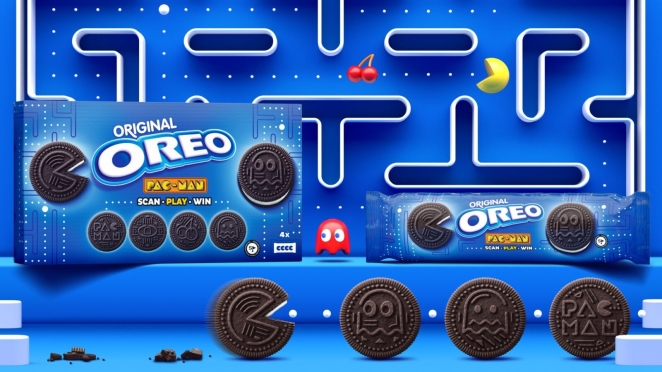
Strong codes grant creative freedom. Once everyone knows the sandbox, ideas can flourish within it, like Oreo’s playful social media, which constantly reinvents context but never its tone or visuals.
Protect your codes, and you protect your investment.
6. Bring in an external perspective
Wybe Magermans: "It’s hard to turn the mirror on yourself. Early on we brought in someone who knew WMH&I well. A former colleague who understood both our strengths and our blind spots. Her feedback was invaluable.
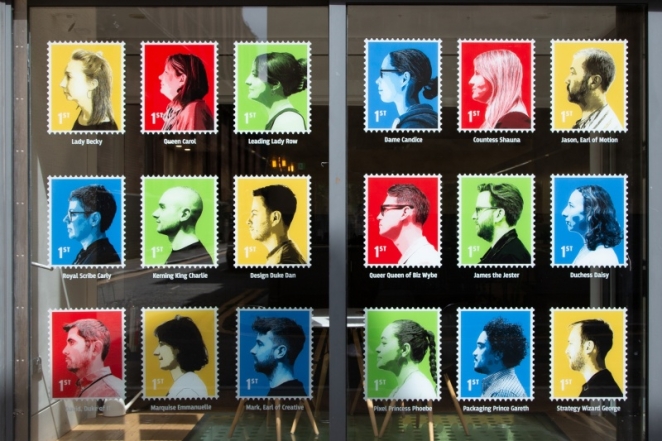
She could challenge us constructively, grounded in trust and experience. Sometimes you need someone close enough to care, but distant enough to tell you the truth."
7. Champion timelessness over timeliness
“The best brands can flex with culture without chasing it. A clear core idea lets you evolve without losing yourself.” – Mike Perry
Timelessness means relevance that outlasts trends. While culture moves fast, brands that endure build from principles, not fads.
This doesn’t mean ignoring change. It means responding through your own lens. The difference between adapting and shapeshifting is purpose. A brand with a clear centre can participate in any conversation without betraying its DNA.
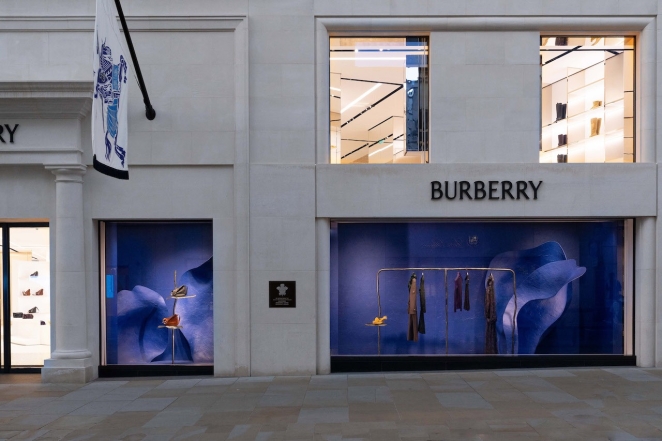
Consider how Burberry has modernised repeatedly (logo refinements, new creative directors, collaborations) yet its core of British craftsmanship and quality persists. By contrast, brands that over-pivot to whatever’s “in” often look desperate or alienate loyal audiences.
To achieve timelessness:
- Identify the non-negotiable core: your value proposition or philosophy.
- Use it as a filter for every trend. If a meme or aesthetic aligns, engage; if not, let it pass.
- Refresh deliberately, not reactively.
Timeless identity focuses on ideas that never go out of style, like quality, innovation, authenticity, joy. Design for longevity, not the next quarterly presentation. Make it feel inevitable: the only way your brand could ever look or sound.
8. Bring the product to the front line
“The identity should make what you sell unmistakable, not just beautiful. Good branding creates appetite, not admiration.” – Mike Perry
Design must serve commerce. Beautiful branding that doesn’t sell is art direction without purpose.
Your identity should make the product’s promise instantly clear. People should see your ad or packaging and know what’s being offered — and why it matters.
Ways to bring the product forward:
- Use imagery or form factors that hint directly at your offering.
- Build cues around benefits (freshness, innovation, indulgence).
- Let packaging design echo function — a grip pattern for ergonomics, transparency for purity.
Tropicana’s aforementioned 2009 redesign famously ignored this principle by removing the orange-and-straw image. The minimalist carton looked sleek but stripped away meaning. Sales plummeted because consumers no longer recognised the product promise.
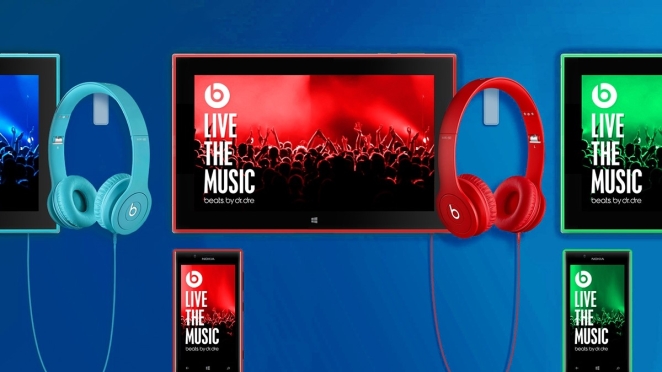
Contrast that with Beats by Dre, whose logo doubles as both a “b” and a headphone silhouette. It’s a smart and tasteful fusion of product and identity.
A great identity doesn’t just look good on a Behance board; it compels purchase. It turns curiosity into desire.
9. Don’t do it from the top down
Wybe Magermans: "Our younger team members were crucial in defining our values, behaviours and tone of voice. They call things out. They want transparency and authenticity, and they spot when something feels off.
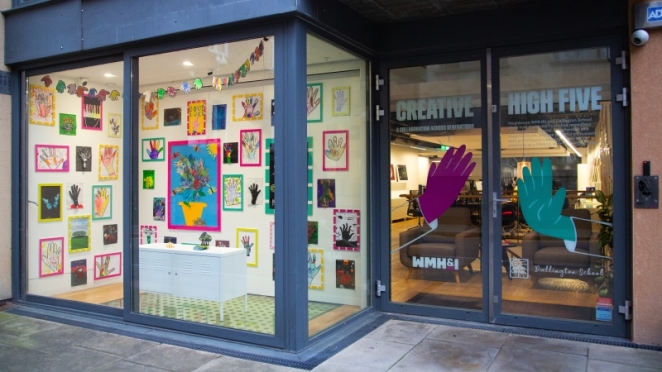
We involved people from all levels. The whole creative department contributed ideas, which were presented and critiqued internally. That shared ownership meant that, when decisions were made, everyone felt part of it and ready to stand behind it."
10. Think like a custodian, not a disruptor
“Your job isn’t to reinvent, it’s to preserve and modernise. Brand guardianship is creativity with respect for what came before.” – Mike Perry
Rebranding often tempts designers to start from scratch. But most existing brands already possess valuable equity — symbols, colours, or emotions customers trust. The custodian mindset respects that heritage.
Being a custodian means asking:
- What elements are sacred and must stay?
- What can evolve to serve modern needs?
A respectful evolution reassures loyal fans while welcoming new ones. Look at Burger King’s 2021 redesign: it revived the 1970s logo’s warmth and simplicity, updated for digital. Familiar, yet fresh.
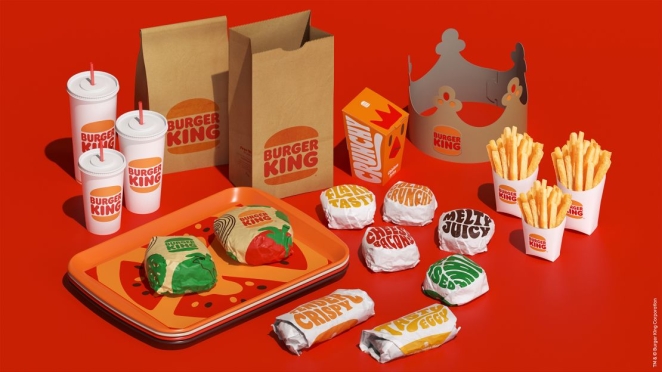
Disruptive overhauls risk alienation. Unless a legacy is toxic, build on it rather than burying it. Custodianship requires humility: understanding that your creative brilliance serves a lineage, not ego.
Internally, treat your brand assets as heirlooms. Train every new designer to understand not just the how but the why behind choices. That continuity builds strength across decades.
11. Make it scalable
“From packaging to platforms to physical space, your identity should feel at home everywhere.” – Mike Perry
Today’s brands live across a sprawling ecosystem: apps, websites, signage, print, video, social, retail and beyond. Scalability ensures your identity performs flawlessly in all these contexts.
That means:
- Designing vector-based logos and adaptable lock-ups.
- Testing assets small (app icons, favicons) and large (billboards).
- Creating responsive systems for digital — colour variants for light/dark mode, simplified marks for mobile.
- Ensuring readability of fonts at 8pt and at 200pt.
A scalable identity is modular. Spotify’s gradients or Nike’s swoosh all scale effortlessly because they were designed as systems, not fixed artworks.
Scalability also future-proofs your brand. As new channels emerge (AR interfaces, voice assistants, the metaverse, who knows what’s next) your identity should adapt without losing recognisability.
Technically, that means codifying assets for developers and print vendors alike. Strategically, it means thinking holistically: can your tone of voice fit a chatbot? Can your logo animate? Can your physical packaging mirror your digital UX?
If yes, you’re scalable.
12. Dedicate real time and space
Wybe Magermans: "You can’t squeeze a rebrand between client deadlines. At first, we tried and got nowhere. It wasn’t until we treated it like a client project, with proper deadlines and time allocation, that progress happened. Once we committed real focus and structure, the creative leaps followed."
13. Let design drive behaviour
“A lasting brand doesn’t just look consistent, it acts consistent. Visual systems should guide culture, service and storytelling.” – Mike Perry
A coherent identity should influence not only how your brand looks but how it behaves.
If your design language is friendly, inclusive and open, that tone must echo through customer service, hiring, leadership and storytelling.
Visual systems are cultural scripts. They remind staff who they are and how to act. When a hospitality brand refreshes around “belonging,” that idea should ripple through uniforms, playlists, interior lighting, even the way team members greet guests.
Design can drive:
- Culture: Use visual cues and values in internal comms and workspace design to reinforce purpose.
- Service: Translate tone of voice into customer interactions; a premium brand should sound composed, a playful one spontaneous.
- Storytelling: Let visuals dictate narrative style. If your brand palette is bright and bold, your content should radiate optimism; if muted and minimal, stories should feel calm and deliberate.
Identity is behavioural glue. When employees understand it, they deliver experiences that feel seamless. That alignment between look, language and action turns branding from façade into truth.
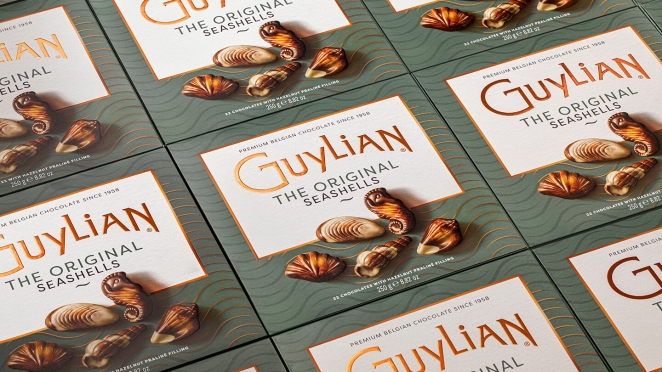
For example, the heritage chocolate brand Guylian refreshed its identity by retaining its iconic sea-horse emblem (preserving recognition) while modernising the typography, packaging structure and sustainability credentials. The result was a refined version of the brand that felt both familiar to long-standing customers and fresh to newer audiences.
When design and behaviour align, audiences sense authenticity. The brand becomes what it claims to be.
14. Measure equity, not just awareness
“Trends spike awareness. Timelessness builds equity. Check for emotional recognition, not just impressions.” – Mike Perry
The final principle is about judging success. Too often, brands chase visibility metrics (impressions, clicks, reach) and ignore the deeper question: do people care?
Awareness is the starting line, not the finish. What truly matters is brand equity — the stored value of trust, loyalty and emotional attachment that makes customers choose you even when you’re not cheapest or closest.
To measure equity, look beyond dashboards:
- Qualitative research. Ask audiences what feelings or words they associate with your brand. If they mirror your intended traits (innovative, human, dependable) your identity is working.
- Emotional recognition. Can consumers identify you from a single colour, jingle or phrase? That recall equals equity.
- Behavioural data. Rising repeat-purchase rates or referral numbers indicate emotional loyalty.
- Brand-health tracking. Monitor attributes like differentiation, relevance and esteem, not just awareness.
Chasing trends might earn a viral moment, but it rarely compounds value. Consistency does.
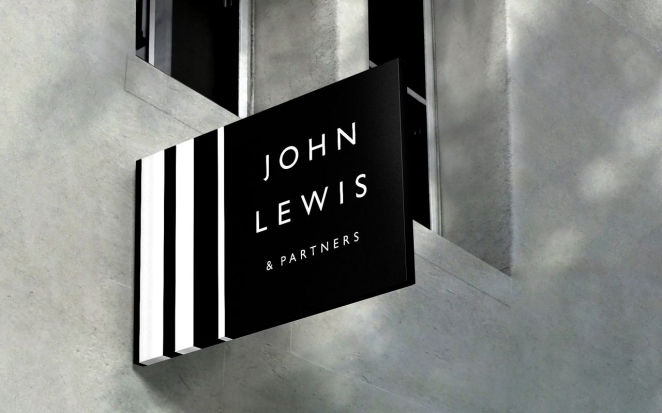
Think of John Lewis’s annual Christmas ads: each year refreshes the story but the tone, craft and sentiment remain constant. The campaign doesn’t just generate views; it reinforces affection built over decades.
Timelessness builds equity. Focus on what people remember and feel, not just what they momentarily notice.
15. Be honest with yourselves
Wybe Magermans: "A rebrand only works if it’s true to who you are. For us, that meant acknowledging that we didn’t need to reinvent ourselves. We needed to evolve. As a merged agency, we took time to get under the skin of what united us.
Creativity, care and courage. We chose to keep our name, WMH&I, during our rebrand because it’s recognised, respected, and still represents the partnership of Williams Murray Hamm and Identica. Our goal wasn’t to erase our past. It was to unify it."
Building Identities That Endure
What emerges from both Mike Perry’s principles and Wybe Magermans’ reflections is a simple but often-overlooked truth: great brand identity work is a profound act of understanding. The strongest brands aren’t built on aesthetics alone, nor on clever taglines or seasonal trends. They’re built on honesty, rigour and an unshakeable sense of self.
Mike’s ten principles remind us that identity begins long before the first design review. It starts in the archives, in the founding story, in the motivations that once made a brand necessary and which can still make it meaningful today. Wybe's experiences, meanwhile, underscore the value of honesty. Knowing when to evolve rather than reinvent, when to unify rather than discard.
Together, their ideas form a blueprint for any agency or brand looking to build an identity that endures. Dig deep. Stay true. Bring people with you. Document what matters. And above all, build from something real. Because when an identity is rooted in truth (not trends, ego or aesthetics) it becomes more than a look or a system. It becomes inevitable.