

Since its launch in 2009, Studio Nuts has grown from a creative production studio in Rio de Janeiro into a globally recognised creative partner working across Brazil, Portugal and beyond. Founded by Creative Director Tico Moraes, the studio combines agency thinking with production expertise, helping brands and agencies transform ambitious ideas into beautifully crafted campaigns.
In this interview, Tico Moraes shares how Studio Nuts has stayed true to its creative roots while embracing new technologies like AI, why collaboration sits at the heart of the studio's culture, and how curiosity, craft and human creativity continue to shape its work in an industry that never stops evolving.
How was your company born and where are you based?
 Studio Nuts was born in 2009, in Rio de Janeiro, Brazil.
Before starting the studio, I had worked for many years as an Art Director and Creative Director inside advertising agencies. I always had this dream of creating a collective creative studio, a place that could speak the same language as agencies and brands, but with the craft, flexibility and problem-solving mindset of a production partner.
Because we came from inside the industry, we understood the pressure, the timings, the ambition behind the ideas and, most importantly, how to help make them happen.
Today, Studio Nuts is based between Brazil and Portugal, with a global mindset from day one. We work with agencies, brands and creative partners across different markets, always trying to bring strong ideas to life through craft, technology and a bit of beautiful madness.
What was the biggest challenge to the growth of your company?
The biggest challenge has always been to keep evolving without losing our essence.
The industry changes all the time. New tools, new formats, new expectations, new budgets, new timings. So the challenge is not only to stay updated, but to have the courage to change when change is needed.
At the same time, you need to protect what makes you unique. For us, that has always been craft, collaboration and creative thinking. Tools change. The need for good ideas does not.
Which was the first huge success that you can remember?
 One of the first big moments for us was a campaign we crafted for Philips, for an iron steamer, called “Instant Turn Off”.
It was a funny and very simple idea, but beautifully crafted. The campaign ended up being recognised in several festivals, including Cannes Lions.
That was an important moment because it showed us that Studio Nuts could compete creatively at an international level. We were still a young studio, but that project gave us confidence that our way of working had something special.
What’s the biggest opportunity for you and your company in the next year?
The biggest opportunity is to explore AI in a deeper and more creative way.
AI has quickly become a must-have tool in the industry, but we do not see it as a shortcut. We see it as another powerful creative tool, like CGI, photography, animation, retouching or VFX.
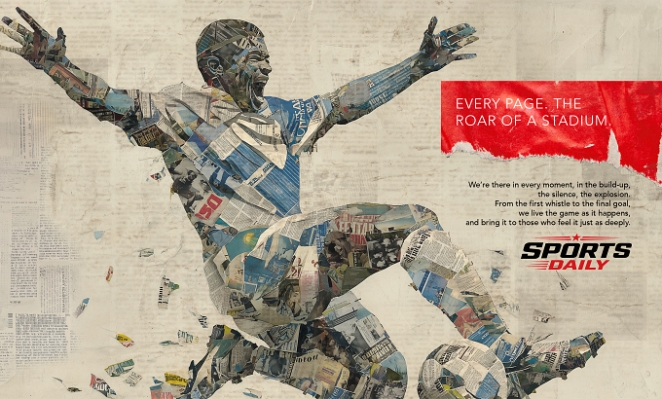
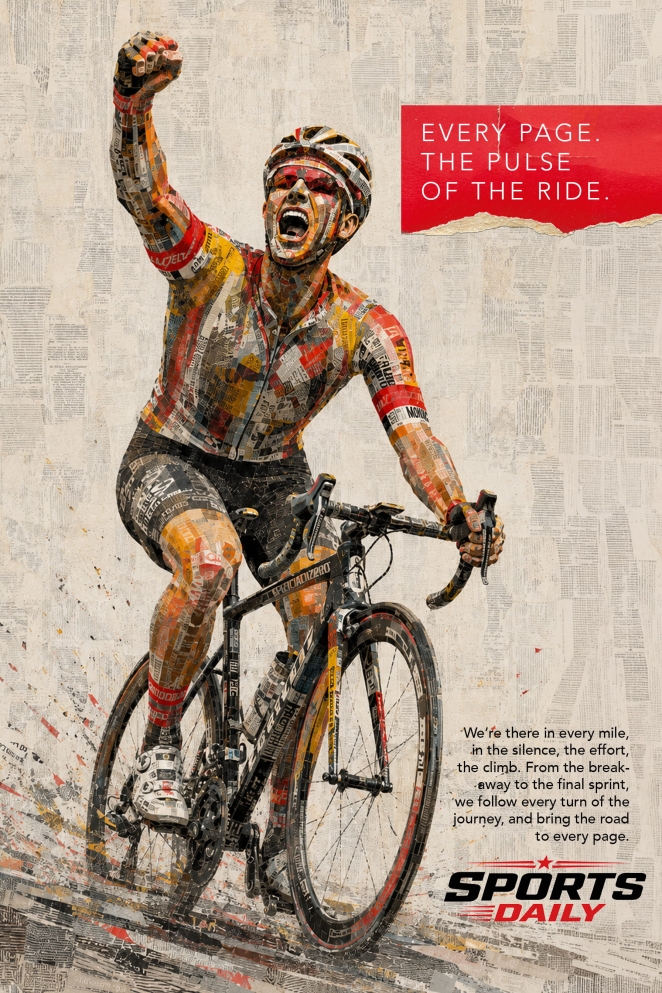
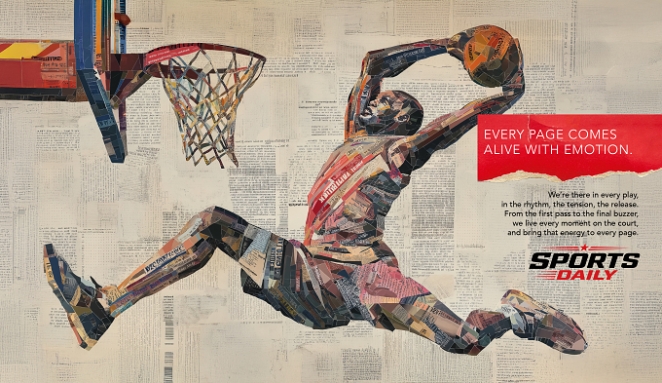
For us, the opportunity is not simply to write prompts and get images done. It is about combining AI with direction, taste, craft and production thinking. Our Daily Sports project is a good example of that: using new tools, but with a strong creative idea and a clear visual point of view behind it.
We believe the future belongs to companies that can connect technology with human creativity.
Can you explain your team’s creative process? What makes it unique?
 We strongly believe in collaboration. At Studio Nuts, ideas do not belong only to the creative department. Everyone can bring something to the table, producers, retouchers, animators, 3D artists, project managers, directors. Sometimes the best observation comes from someone who is not “supposed” to be the creative voice in the room.
Our process usually starts with a very simple question: what is the idea really trying to say?
From there, we think about the best way to bring it to life. Sometimes that means CGI. Sometimes animation. Sometimes photography. Sometimes AI. Sometimes a mix of everything. What makes our process unique is that we are not attached to one specific technique. We are attached to the idea, the craft and the result.
How does your team remain inspired and motivated?
Freedom is very important to us. We try to give people space to manage their own time, their own process and their own curiosity. At the same time, we encourage everyone to keep exploring new possibilities, new roles and new tools.
Inspiration does not only come from advertising. It can come from music, cinema, architecture, art, football, food, technology, a strange object in the street or a conversation that has nothing to do with work.
We like people who stay curious. Curiosity keeps the studio alive.
How has COVID-19 affected your company?
 Like everyone, the first months were scary and uncertain. There was a lot of tension, because nobody knew exactly what was going to happen. But after that first shock, we realised we had to keep moving.
Because we already operated between two offices (Lisbon and Brazil) and our Brazilian team had been working remotely since 2015, we were able to adapt very quickly. Remote collaboration was already part of our culture, so instead of reinventing everything, we focused on refining our processes and finding better ways to work together. Surprisingly, we ended up being involved in many projects at the same time, working with different clients and markets.
COVID changed the way we work, but it also proved something important: creativity can travel. You do not always need everyone in the same room to make strong work. You need trust, clarity and good people.
Which agencies do you gain inspiration from? Do you have any heroes in the industry?
There are many agencies that have inspired me over the years. BBH, especially the early campaigns, has always been a big reference. Wieden+Kennedy, for the way they build culture around brands. AlmapBBDO in Brazil, for the strength of the ideas and the craft. And many others.
I think my heroes are not only agencies or famous names, but people who keep pushing the work forward. The ones who can transform ideas into something meaningful, whether in advertising or beyond it. People who still believe that creativity can be smart, emotional, beautifully crafted and culturally relevant, and who use it to create work that genuinely connects with people.
What is one tip that you would give to other agencies looking to grow?
Do not spend too much time looking at the neighbour’s grass. It is important to know what is happening in the market, of course. But growth comes when you understand your own voice, your own strengths and your own way of doing things.
Follow your gut, work hard, stay curious and be generous with the people around you. There are no shortcuts. And when there are, they usually lead to very boring places.
How do you go about finding new clients/business? (Pitching, work with retainers, etc.)
 Most of our new business comes from relationships, referrals and the work itself. We believe that good work travels. When clients and agencies trust you, they come back, and they also recommend you to other people. That has always been very important for Studio Nuts.
Of course, we also pitch, present our work, connect with agencies and brands, and share our projects through platforms like Creativepool, LinkedIn and our own channels. But for us, new business is not only about selling. It is about building trust.
We like to enter projects as creative partners, not just suppliers. That makes a big difference.
What’s your one big hope for the future of the industry?
That we keep looking for human creativity. Technology will continue to evolve. AI will get better. Tools will become faster and more accessible. But the human point of view is still what makes an idea matter.
My hope is that the industry uses technology to make work more ambitious, not more generic.
Can you share a defining moment in your company's journey that shaped its identity or direction?
A defining moment was when we realised we did not want to be seen only as a production company.
Production is a big part of what we do, of course. But Studio Nuts has always had creative thinking at its core. We are interested in the idea, the visual concept, the craft, the execution and the emotional impact.
Another important decision was to think globally from the beginning. We were born in Brazil, but we never wanted to be limited to one market. That global mindset shaped the way we work, the kind of partners we look for and the kind of projects we want to create.
How do you foster a culture of innovation and experimentation within your team?
 We encourage everyone to bring references, ideas and discoveries from outside our usual field. It can be a new technology, a painting, a film, a dish, a place, a strange visual experiment or something nobody in the team has ever heard of before.
Innovation does not happen only when you sit down and say, “Now let’s innovate.” It happens when people are curious enough to connect things that do not obviously belong together.
We try to create an environment where testing is part of the process. Not everything needs to work. But everything can teach us something.
What measures do you take to ensure diversity and inclusion are prioritised within your company?
Studio Nuts has always worked as a collective, with people from different backgrounds, cultures, disciplines and ways of thinking.
Because we work across Brazil, Portugal and other markets, diversity is naturally part of our daily life. We collaborate with artists, producers, animators, photographers, directors and creatives from different places and perspectives.
For us, inclusion starts with respect and with making sure people feel comfortable enough to contribute. A good idea can come from anyone in the room, and we try to make sure everyone feels they have the right to speak.
Can you describe a project that challenged your team creatively and how you overcame any obstacles?
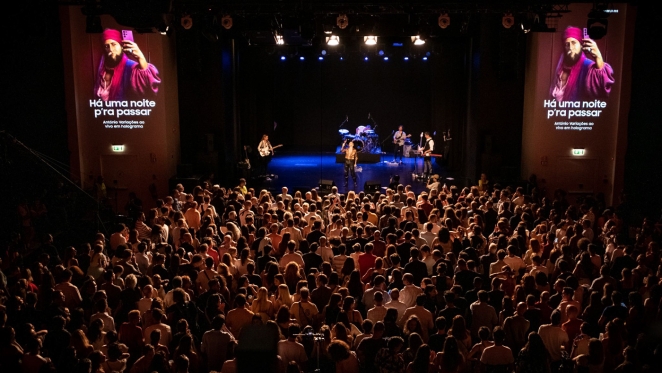
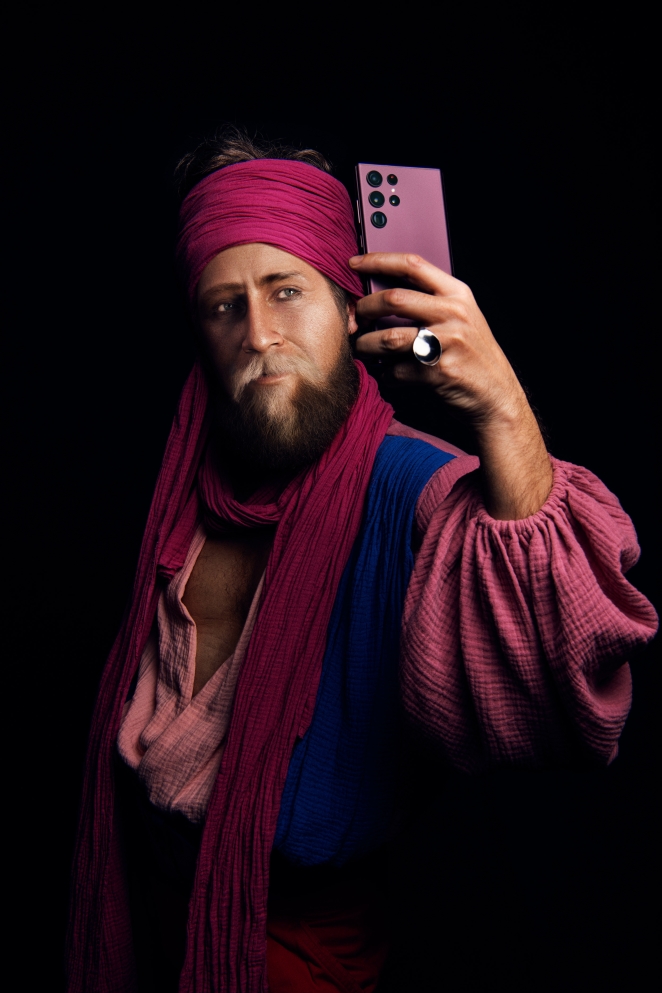
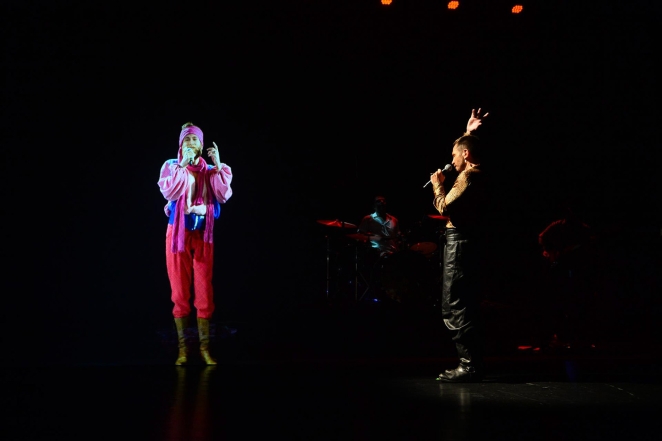
One project that really challenged us was “Uma Noite para Passar” (A Night to Remember), created for the launch of the Samsung Galaxy S23 in Portugal.
The idea was both exciting and delicate: bringing back the iconic Portuguese singer António Variações, who passed away in the 1980s, through a holographic performance. At the time, AI and deepfake technologies were still in their early stages, so there was no established roadmap for how to approach something like this.
The challenge was not only technical but also ethical and creative. We wanted to honour António Variações’ legacy while creating an experience that felt authentic and emotionally meaningful. To achieve that, we combined several disciplines, including AI-based facial reconstruction, deepfake techniques, CGI, filmmaking, photography and extensive post-production work.
A project like this required constant collaboration between artists, technicians and creative teams. Every detail mattered, from the visual accuracy of the performance to the emotional impact on the audience.
How do you balance maintaining your company's unique creative voice while meeting the diverse needs of clients?
 We listen first. Every client, every agency and every project has different needs. Our job is not to impose our voice over the brief, but to understand what the idea needs in order to become stronger.
At the same time, clients come to us because they expect a certain level of craft, visual thinking and creative problem-solving. So the balance is in respecting the brief while bringing our point of view to the table.
We do not want all our projects to look the same. But we do want all of them to feel carefully thought through and well crafted.
What strategies do you employ to adapt to changes and trends in the industry while staying true to your company's values?
We try to stay open, but not desperate. There is always a new trend, a new tool, a new platform, a new way of doing things. Some of them are truly important. Some are just noise.
Our strategy is to test, learn and understand what is useful.
We are not afraid of change. We just do not want to change for the sake of looking modern.
Can you share a memorable client success story that exemplifies your company's approach and impact?
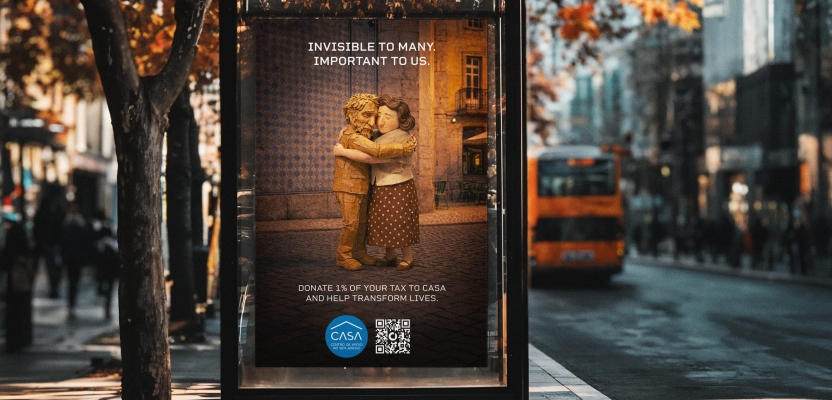
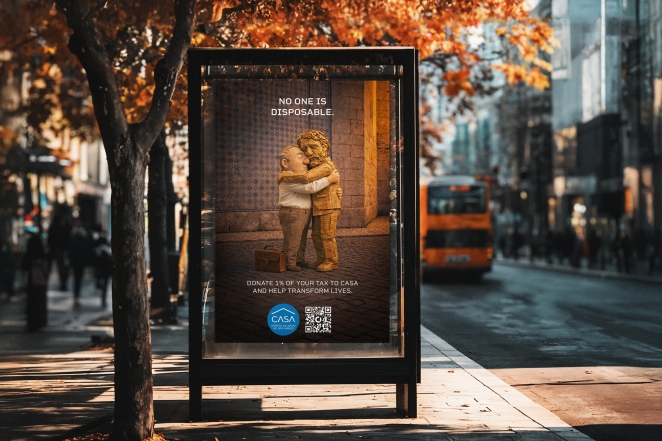
One memorable example is “No One Is Disposable”, a project we developed with CASA (Centro de Apoio ao Sem Abrigo), a Portuguese nonprofit organization that supports people experiencing homelessness and social vulnerability.
It was a powerful idea with an important social message, and it required a careful balance between creativity, technology and emotional impact. Our role was not only to execute the visuals, but to help shape the best way to bring the concept to life.
For us, success is when strong creative ambition translates into meaningful work that resonates with people. No One Is Disposable is a great example of how collaboration, craft and purpose can come together to create something memorable.
In what ways do you invest in the professional development and growth of your team members?
 We believe learning should be a continuous part of the creative process.
We invest in professional development through courses, workshops, industry events and hands-on experimentation with new tools and technologies. We also encourage knowledge-sharing within the team, so discoveries and learnings can benefit everyone.
How do you approach sustainability and ethical practices within your company's operations and projects?
We believe responsibility starts with the way we work. Remote collaboration has helped us reduce unnecessary travel and build more flexible production models. CGI, AI and digital production can also offer more sustainable alternatives in certain projects, especially when compared to large physical builds or complex shoots.
But sustainability is not only environmental. It is also about being ethical with clients, partners and the people we work with.
We try to be transparent about processes, realistic about what is possible and respectful of everyone involved. Good work should not come at the cost of bad practices.
Can you discuss a time when your company had to pivot or innovate in response to unforeseen challenges, and what lessons did you learn from that experience?
COVID was probably the biggest example. We had to adapt very quickly to a new way of working, producing and communicating with clients. At first, it was uncertain and uncomfortable. But it forced us to become more flexible and more independent from traditional production structures.
Later, the rise of AI created another major shift. Again, instead of resisting it, we decided to explore it, but in our own way.
The biggest lesson is that change is not the enemy. Losing your point of view is.
Do you have any websites, books or resources that you would recommend?
I try to look at many different places, not only advertising websites. Creativepool is a great place to discover companies, projects and talent. I also like platforms such as Behance, It’s Nice That and Vimeo Staff Picks for visual references and creative inspiration.
More than anything, I would recommend looking outside the industry. Cinema, photography books, art exhibitions, architecture, music, football, old magazines and street culture are often where the most interesting ideas come from. Sometimes the best reference is not where everyone else is looking.
Creativity still needs life. The internet helps, but the world outside the screen is usually better art-directed.