


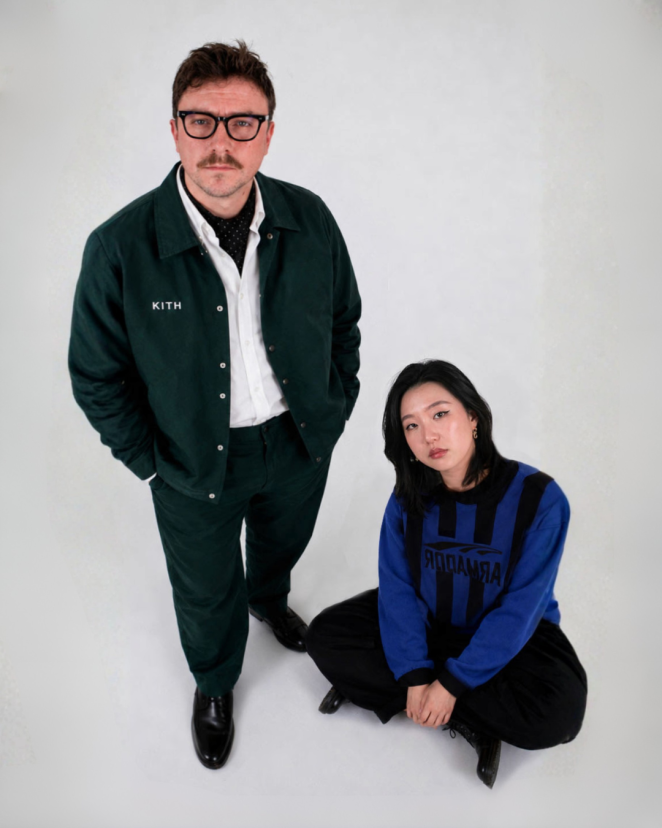
Launching a creative studio today requires more than a strong portfolio. It demands a clear point of view, the resilience to build trust from scratch, and the confidence to challenge industry conventions. For Lowkey Creative Studio founders Zac Ruzicka and Yuki Lau, that journey began with a shared belief that clients deserved a more direct relationship with the people shaping their creative work.
In this interview, the London-based co-founders discuss why they started Lowkey, the challenges of growing an independent studio, how they combine strategy and creativity into one process, and why creating memorable work not simply following trends is the key to building a lasting creative business.
How was your company born and where are you based?
 Zac: Lowkey was born out of a mix of frustration, ambition and care.
We met while working at an agency in London and spent a couple of years working together there. Over time, we both started feeling the same thing: the traditional model could be slow, layered and sometimes too far removed from the work itself.
At the risk of sounding cliché, we care deeply about the work. It is what we talk about, argue about and think about most of the time. We wanted to build a studio where that care could sit closer to the client.
Yuki: The idea behind Lowkey was to offer clients something more direct. The people you speak to on the call are the same people thinking, writing, designing and making the work. No unnecessary layers. No translation loss. Just senior creative thinking, built quickly and properly.
We are based in London, which feels important to us. We are both immigrants, and London is home. It is also the kind of city where a creative studio can think globally from day one, which is exactly the ambition.
What was the biggest challenge to the growth of your company?
Zac: The biggest challenge has been earning trust quickly enough as a new studio. We have been lucky to have work on our desks since day one, but there is a big difference between being two experienced creatives and being a new company people know how to buy from. You have to prove the work, prove the thinking, prove the model and build belief around the studio, all at the same time.
Yuki: Starting Lowkey has given us a much bigger respect for anyone building a business. It is immensely challenging. You have to love the pressure a little bit. You have to enjoy the uncertainty enough to keep moving through it. That has probably been the biggest lesson so far: the work matters, but so does the stamina.
What’s the biggest opportunity for you and your company in the next year?
 Zac: The biggest opportunity for us is turning Lowkey from a studio that makes strong work into a studio that people understand and remember for a specific kind of work.
There are a few bets we are making over the next year. We are interested in working with more founder-led brands and ambitious companies at the moment where they need people to start caring. That could be a launch, a repositioning, a campaign, or a brand that has outgrown how it currently shows up in the world.
But the more interesting opportunity is finding “the one”.
It is an idea we had been circling for a while, but a recent conversation with Jowey Roden, co-founder and CCO of Koto, helped put better words around it. The point was that every studio needs the project that changes how people see it. Not just a good piece of work, but the one people reference later. The one that keeps opening doors long after it has gone live.
That is a useful way to think about growth. Not just chasing more projects, but treating every project with the seriousness that it could become the one that changes the trajectory of the studio.
Yuki: And creatively, that means being very selective about the problems we take on. We want to build work that can travel further than the brief. Work that does not just solve the immediate ask, but gives the brand something people can keep coming back to.
Can you explain your team’s creative process? What makes it unique?
 Zac: Our process starts by understanding what people already expect from a category.
Most categories have invisible rules: the same visual codes, the same language, the same promises, the same way of behaving. A lot of brands mistake those rules for best practice. We see them as useful tension.
So before we make anything, we look at the category, the culture around it and the audience’s real behaviour. What does everyone else sound like? What is nobody questioning? What is the brand allowed to own that others cannot credibly touch?
Internally, we think about the process in three parts: Find, Frame, Build.
Find the real opportunity. Frame it into a clear creative objective. Then build it into whatever form the idea needs: identity, campaign, launch platform, content system, film, motion language or something stranger.
Yuki: What makes the process different is that strategy and creative are not treated as two separate departments. Strategy has a strong seat at the table, but it is woven into the creative from day one.
From a design point of view, that matters. We are not just making something look good at the end. The visual system, tone, references and craft all come from the same strategic thought.
We are not interested in producing a clever strategic document that then gets handed over to the creatives. The thinking and the making happen together.
How does your team remain inspired and motivated?
 Yuki: In terms of inspiration, the most powerful references we have are probably the places we come from.
I was born in Hong Kong, and Zac was born in Prague, so our cultural starting points are completely different. Zac grew up in the Czech Republic just after the Velvet Revolution, in a strange mix of post-Soviet hangover, new capitalism and Western culture arriving all at once. I grew up in Hong Kong, a city shaped by density, speed, commerce, cinema, design, street culture and a constant tension between East and West.
That gives us a really interesting pool of references to pull from.
I think that mix is especially useful visually. We are not always pulling from the same Western design references.
Zac: We are always showing each other things from the places we come from. Old ads. Packaging. Films. Fashion. Music videos. Weird bits of internet culture. Things that would make total sense to one of us and feel completely new to the other.
It stops the references becoming too narrow or too London-agency-shaped.
In terms of motivation, the answer is simpler.
We are building the studio we always wanted to exist. We get to wake up every day and try to make that real. When that is the thing you are working towards, you do not need to manufacture motivation very often.
Which agencies do you gain inspiration from? Do you have any heroes in the industry?
 Zac: There are too many to list properly.
We have a deep admiration for studios like Koto, Uncommon, Collins, Bulletproof and Mother, to name a few. Not because we want to copy them, but because they all seem to have built businesses around a strong point of view. You can feel the belief behind the work.
That is something we find inspiring. The idea that a creative company can have a worldview, not just a portfolio.
Yuki: In terms of heroes, the more interesting thing is that we have been lucky enough to meet or speak to some of the people behind the companies we admire, and almost every time we have come away surprised by how generous they were. Down to earth, kind, honest and optimistic about the future of the industry.
That matters. When you are building something, it is easy to assume the people ahead of you must know some secret you do not. Then you speak to them and realise they are still pushing, still questioning, still trying to make better work.
That is probably the most inspiring part.
What is one tip that you would give to other agencies looking to grow?
 Zac: Have a plan.
One of the biggest dangers in creative businesses is treating the craft as if it does not need a business strategy sitting next to it. Of course, the work matters. It has to. But great work on its own is not a growth plan.
Any plan is better than hoping you will somehow “get there” because the work is good enough.
The other thing is to network. Not in a transactional, business-card way. More as a way of learning how other people actually built what they built.
Yuki: The more conversations we have, the more you realise success is rarely a magical story. It is usually a lot of work, a lot of pressure, a lot of small decisions and a refusal to quit when things are not immediately working.
Those conversations also give you little strategic clues. A sentence someone says over coffee can sometimes change how you think about your next year.
So the advice would be: care deeply about the work, but build the business around it with the same level of intention.
How do you go about finding new clients/business? (Pitching, work with retainers, etc.)
 Zac: From day one, we have made work nobody asked us to make.
You can call it spec work, proactive work, self-initiated work, explorations, whatever you like. For us, it has been one of the clearest ways to show what we believe in before anyone gives us permission.
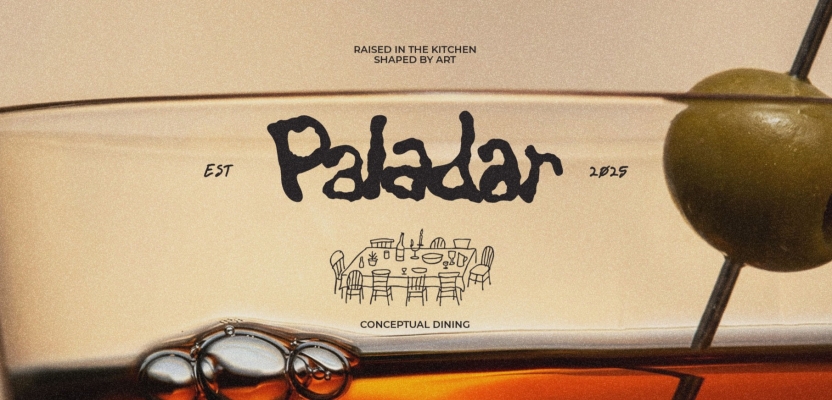
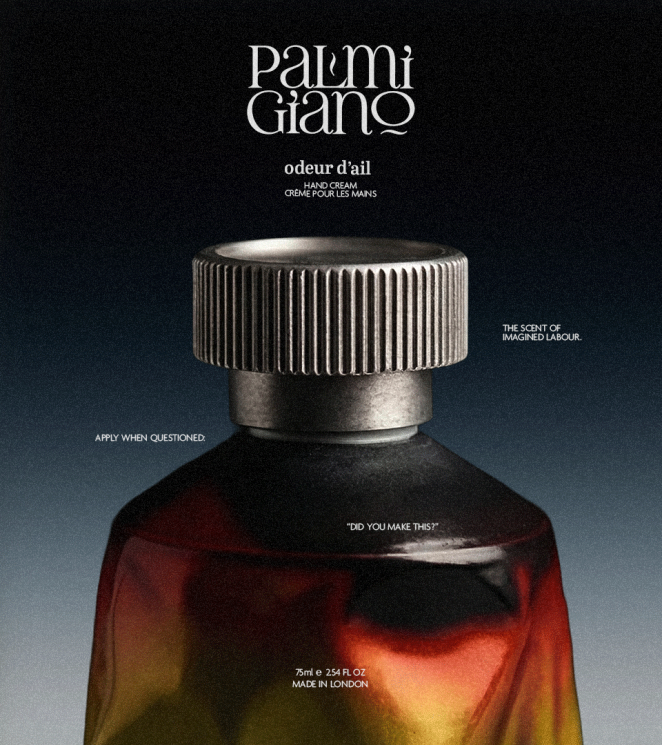
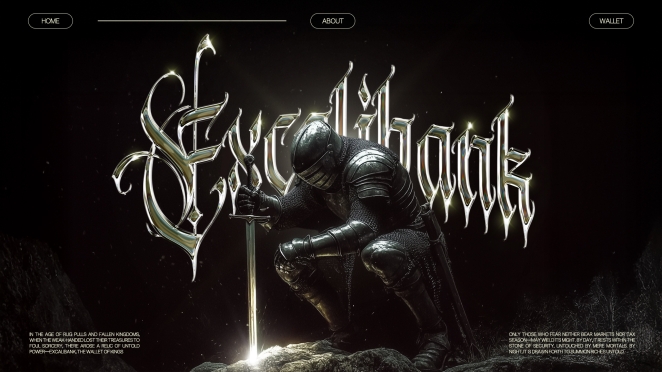
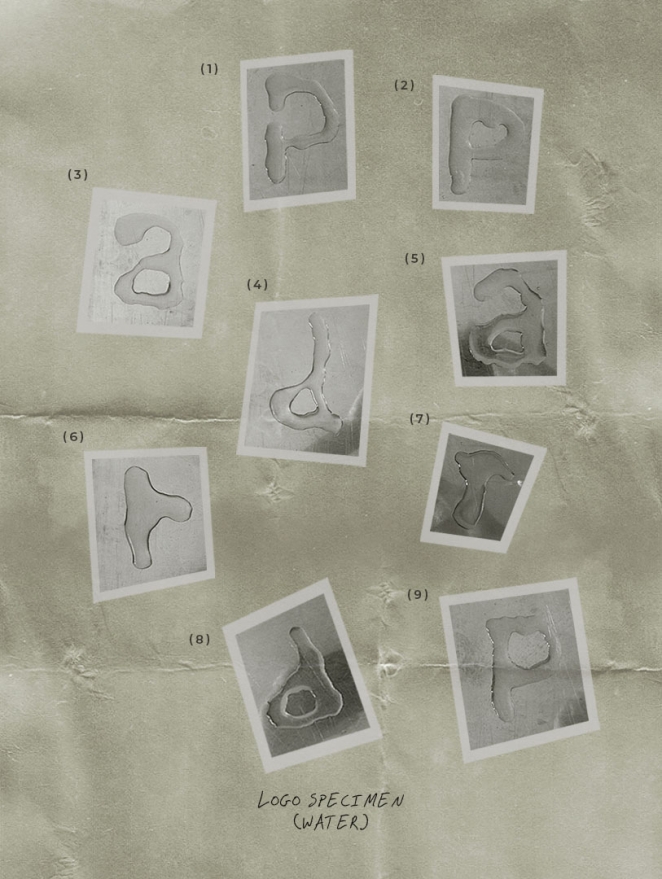
Projects like Hey!Fever, Excalibank and Palmigiano helped open conversations because they showed the kind of problems we are interested in solving. Not just making things look better, but questioning the category, finding a sharper angle and building a world around the idea.
We do not think new studios can afford to sit around waiting for the perfect brief. Sometimes you have to make the work that proves what you want to be hired for.
The other part is relationships.
Yuki: We try to speak to founders, agencies, operators and people building interesting things. Not every conversation turns into a project immediately, and that is fine. If you have skills, experience and a point of view, offer them. Be useful. Have the conversation. See if there is a way to help.
A lot of new business is not really “sales” in the traditional sense. It is building trust before the need is urgent.
Those relationships might not bring money straight away, but they are still an investment. Sometimes the best opportunities come from conversations that did not look commercial when they started.
What’s your one big hope for the future of the industry?
 Zac: I hope the industry becomes less obsessed with following trends.
That is probably a hill I will die on.
Trends can be useful as a signal of where attention is going, but too often brands treat them like instructions. A famous brand hides the logo, so now everyone wants to hide the logo. Something works on TikTok, so now every brand needs its version of that exact thing two weeks too late.
That is not culture. That is copying homework.
My hope is that more brands start believing in themselves enough to create the thing others want to follow, rather than constantly chasing whatever seems to be working for someone else.
Follow less. Stand for more.
Yuki: I hope the industry becomes more accessible to people who do not already have the money, network or safety net to enter it easily.
Creative industries talk a lot about talent, but talent is not always the thing that decides who gets to stay. Sometimes it is whether you can afford to take an unpaid placement, live in an expensive city, know the right people, or survive the first few years without sacrificing your quality of life.
That should not be normal.
I hope the future of the industry makes more room for people from different backgrounds, not only creatively, but practically. People should not have to burn themselves out or come from privilege just to have a chance at doing good work.
A better industry would not just produce better work.
It would allow more kinds of people to build a life inside it.
Can you share a memorable client success story that exemplifies your company's approach and impact?
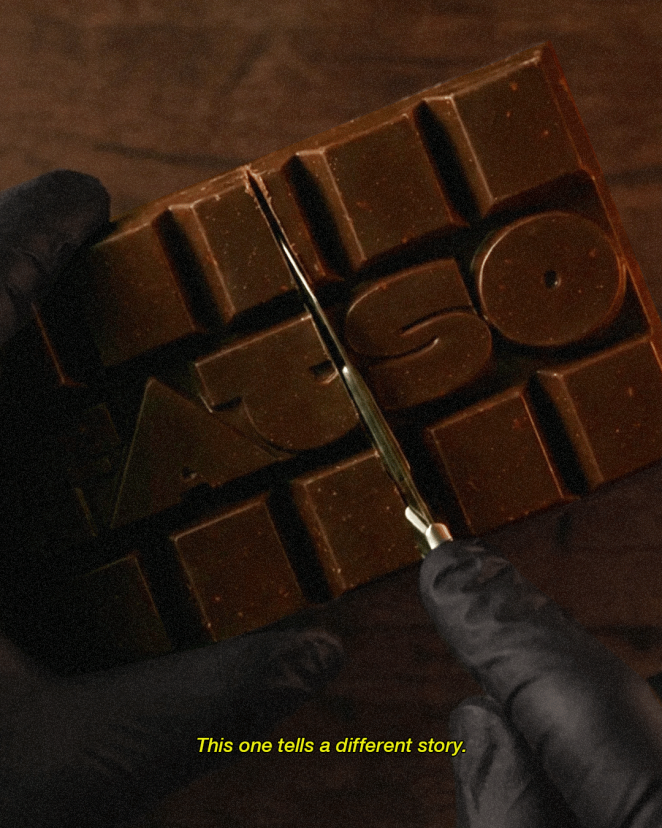
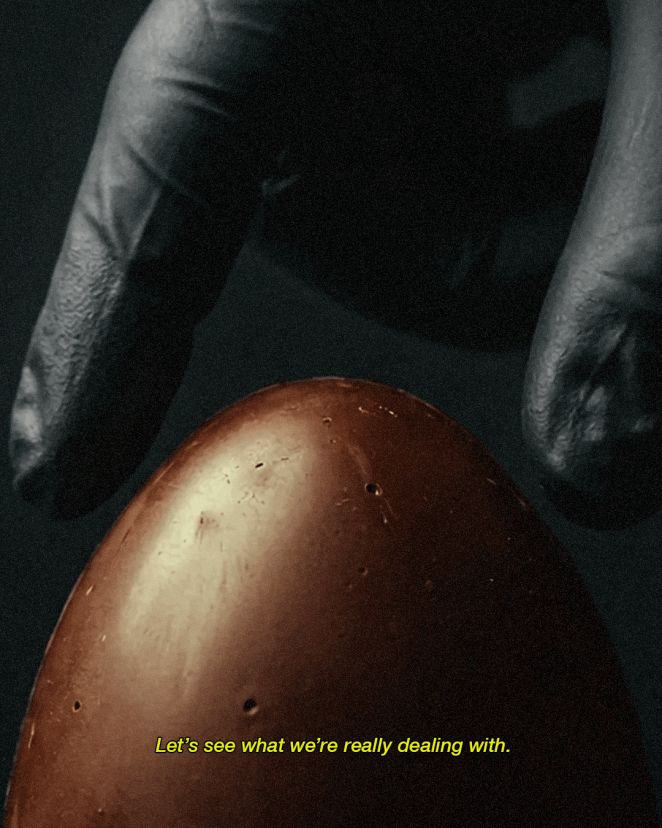
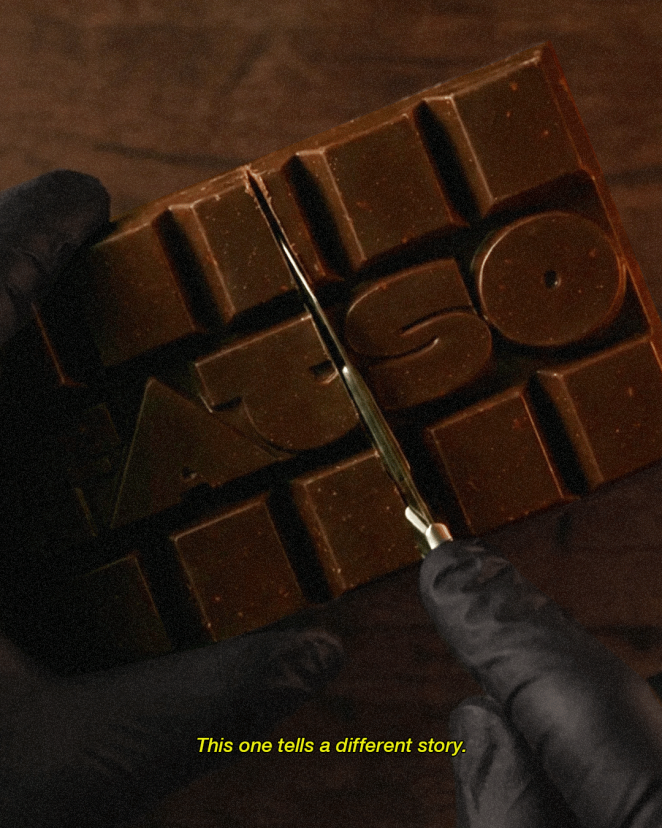 Zac: One that captures our approach well is the Easter campaign we created for FATSO Chocolate.
The opportunity was to make an Easter product launch feel bigger than the budget behind it. Rather than simply making another seasonal chocolate campaign, we looked at what was already happening in culture.
At the time, people were frustrated with shrinkflation: smaller products, higher prices and a general feeling that consumers were being quietly short-changed.
That tension became the starting point.
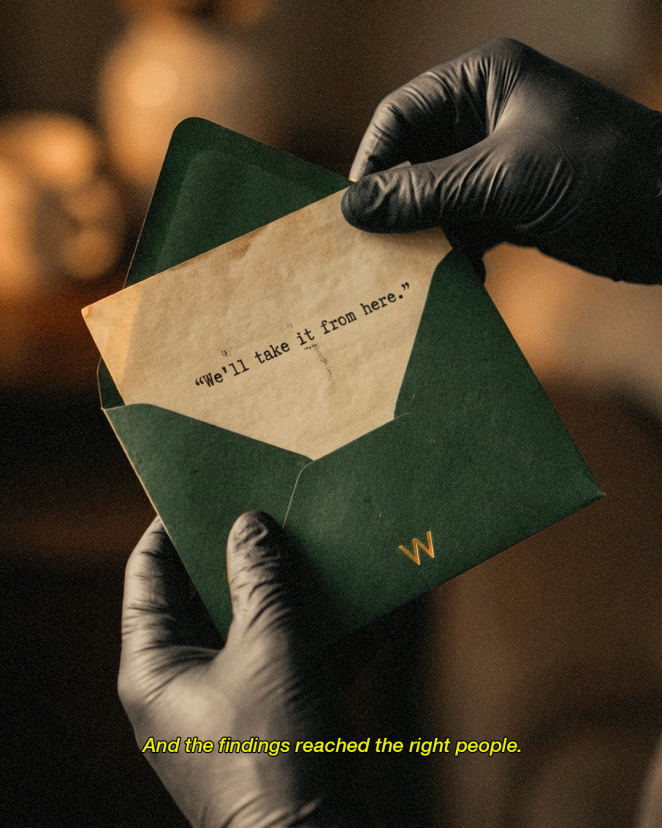
We treated Easter chocolate like evidence in a national scandal. The work was built around a real frustration that people already understood.
Yuki: That is often where our best work starts. Not by asking “what can we make?”, but by asking “what are people already feeling, and how can the brand enter that conversation in a way only they can?”
The campaign helped FATSO feel bigger and more culturally present at an important moment for the brand, as it moved into Waitrose stores across the country.
For us, it was a good example of how we can create momentum quickly when the idea is clear enough.