
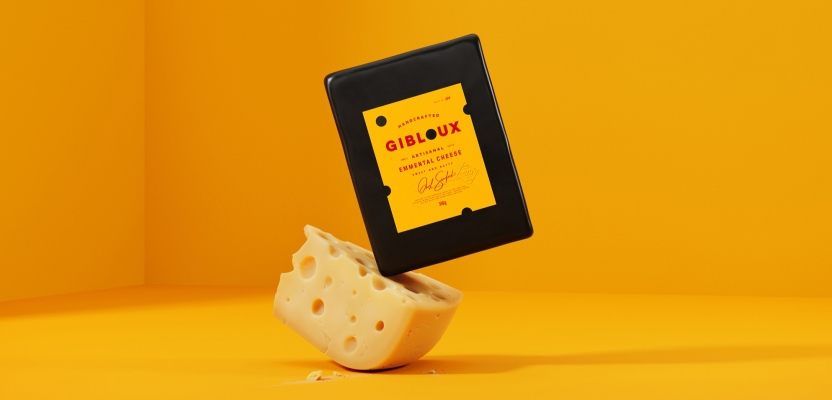

When you think of branding agencies, you might picture big-city studios with polished offices and skyscraper views. Studio Unbound flips that script with a nimble, remote approach.
In an industry crowded by forgettable campaigns, it stands apart as a remote agency that truly knows how to make people stop and think. Helmed by Founder and Creative Director, Martyn Garrod, this tight-knit UK-based team is rewriting the rules of branding and packaging design.
From major corporate ventures to scrappy startups, Studio Unbound applies fresh perspectives and fearless creativity to every brief, proving that impactful design goes far beyond aesthetics—it can actually change the way we consume and connect with brands.
According to Martyn, in our exclusive Company Spotlight interview, it’s all about bringing together talent “dotted all over the UK” while maintaining a singular focus: making brands impossible to ignore.
How was your company born and where are you based?
We're a small remote agency dotted all over the UK. I'm based just west of Glasgow on the Scottish coast – bit different from my London roots where I spent years working on projects for the likes of Unilever and Nestlé.
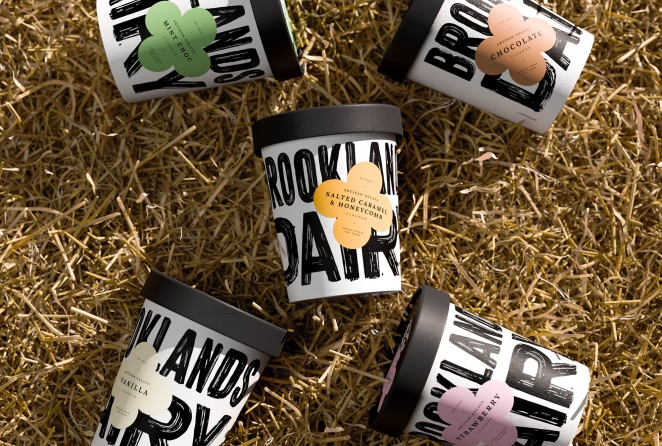
That corporate experience was brilliant, but I wanted to create something different with Studio Unbound. We specialise in branding and packaging design for brave brands who want to shake things up. Our philosophy is dead simple – how do we make people stop in their tracks and engage with your brand
What was the biggest challenge to the growth of your company?
You know what's interesting? The biggest challenge wasn't just about finding clients or was it about doing great work – it was learning to say 'no'. In the early days, you want to say yes to everything, but that's not always what's best for the studio or the client.
Learning to be selective, to really focus on projects where we can make a genuine impact – that was an eye-opener for us. We see it as each ‘no’ brings us closer to those ‘yes’ moments.
Which was the first huge success that you can remember?
It was our very first new client. We had a few projects from our existing network at the beginning, but the first time we got a client that approached us out of the blue – that was a proper moment.
And you know what's really special? Like most of our clients, we're still working with them today on various projects. That kind of long-term relationship tells you you're doing something right.
What’s the biggest opportunity for you and your company in the next year?
We're seeing this fantastic shift in the industry where more brands are realising that good design isn't just about looking pretty – it's about making a real impact, commercially, socially and environmentally. We're going through a bit of a repositioning ourselves to better serve this audience.

We strongly believe that companies and brands hold the key to real change in addressing the climate crisis, and we want to help those leading the way. We're already working with some amazing pioneers in this space, so keep an eye on this space.
Can you explain your team’s creative process? What makes it unique?
You know, we're big believers that creativity is like a muscle – you've got to keep training it. That's why we have these 'play projects' in the studio. We create concept projects that get our minds opening beyond the brief. This means when we do get a real brief, our creativity is flying off the wall and often leads to innovations that surpass the original brief.
This is partnered with our approach to category norms. We always start by asking, "What if?" What if we completely ignored what everyone else is doing? What if we looked at this from an entirely different angle? It's about finding that unexpected solution that is impossible to ignore.
How does your team remain inspired and motivated?
Our remote setup works in our favour here. We allow for flexible hours and our team works a four-day week. This gives people time to reflect, rest and actually experience the world, whether that's going to an art museum or binge-watching a series on Netflix. It keeps us sharp and gives us that breathing space that keeps the energy and momentum up.
How has COVID-19 affected your company?
Well, talk about timing – I left my previous role in February 2020 with the aim to start Studio Unbound. Then full lockdown hit, which was a bit of a shock. A lot of activity stopped as the world did, but you know what? It gave me time to reflect on what I wanted the Studio to become and set the direction for it.
I have to say it isn't for the faint of heart and there have been many lows, but some amazing highs as well. This year's looking to be our best yet, both creatively and in terms of growth.
Which agencies do you gain inspiration from? Do you have any heroes in the industry?
Rather than looking at other agencies, we find more inspiration outside our industry. Don't get me wrong – there's brilliant work being done by studios like Collins or our friends at Form Digital, but we're more excited by what's happening in architecture, fashion, art, even in the natural world. It helps us bring fresh perspectives to brands.
What is one tip that you would give to other agencies looking to grow?
Find your 'no'. Seriously, understanding what you don't want to do is just as important as knowing what you do. We grew the most when we got really clear about our sweet spot – working with purpose-driven brands who want to challenge category norms. When you're crystal clear about that, the right clients find you.
How do you go about finding new clients/business? (Pitching, work with retainers, etc.)
To be honest, there's no silver bullet - over the years we've tried everything from cold calling to LinkedIn outreach and asking for referrals. What we've learned is that what works for us might not work for another agency.
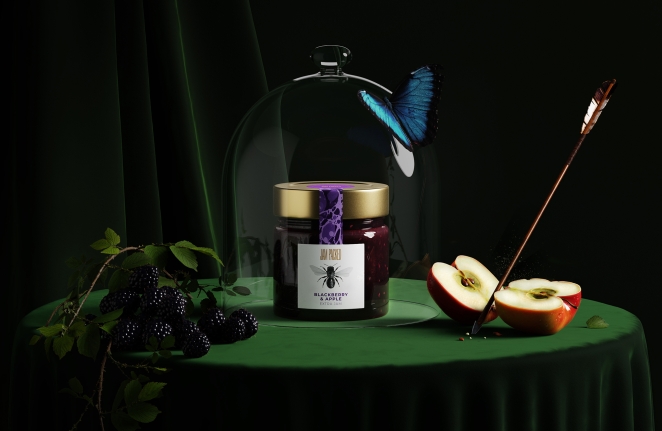
We've ultimately decided to focus on simply adding value to our audience and sharing our work. It's a bit like karma - the more we share and give, the more we find people coming to us with briefs.
What’s your one big hope for the future of the industry?
This is an interesting one. I hope that we as designers start to lead real change by working with brands that make a positive impact on the world. Yes, the green carrot (money) can be tempting and hard to say no to, but I hope industry leaders start prioritising businesses for good. It's about using our creative powers for positive change.
Can you share a defining moment in your company's journey that shaped its identity or direction?
Working with smaller start-ups and scale-ups, rather than the larger corporates I was used to, opened my eyes to these fledgling brands striving for change with huge potential for impact. That's where I started to get properly excited about the role of design in driving meaningful change.
How do you foster a culture of innovation and experimentation within your team?
Play is absolutely crucial for innovation and creativity - you simply can't be creative without experimenting. We encourage abstract thoughts and just giving things a go. Through trial and error, you eventually get there, but you must be resilient and unwavering to achieve an idea. Some of my best work has come from moments where halfway through I had no fucking clue what I was doing but trusted that I would eventually get there.
What measures do you take to ensure diversity and inclusion are prioritised within your company?
While we're currently a small team, we're actively building a culture where diversity of thought, background, and experience is celebrated. This shows up especially in how we select our freelancers and expert consultant partners, who come from various backgrounds and locations around the world, bringing different perspectives to our work. We believe this diversity directly impacts the quality and authenticity of our creative output.
Can you describe a project that challenged your team creatively and how you overcame any obstacles?
We've definitely been chucked in the deep end on quite a few projects, but our approach is a bit different from the usual 'say yes and figure it out later' mentality. We believe in saying yes and then finding the right experts to make it happen. It's about having the confidence to know when to step back and let specialists do what they do best.
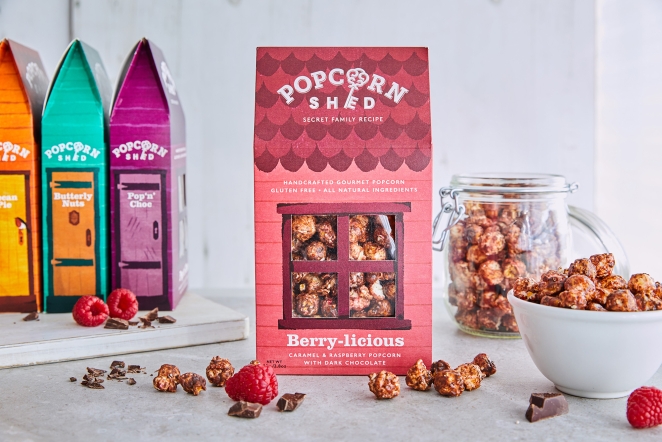
This approach has actually led to some of our most interesting collaborations and strongest work. Rather than pretending we know everything, we've built a network of experts who bring their specific knowledge to the table, while we focus on what we do best - creating compelling brands.
How do you balance maintaining your company's unique creative voice while meeting the diverse needs of clients?
It's the old story of the cobbler's shoes. We often forget that as studios and agencies, we're building our own brand too. Sometimes you have to carve out the time - if you're telling people how important building a brand is, you need to take your own advice.
What strategies do you employ to adapt to changes and trends in the industry while staying true to your company's values?
We don't follow trends - that's a big no-no in the studio. It's too surface level. When creating brands, we focus on the story and narrative we want to tell. The visuals become tools to tell those narratives. Maybe the latest trend happens to be the best way to tell it, but we certainly don't start there. So, in short, I suppose our biggest strategy is to avoid the changes as much as possible ha.
Can you share a memorable client success story that exemplifies your company's approach and impact?
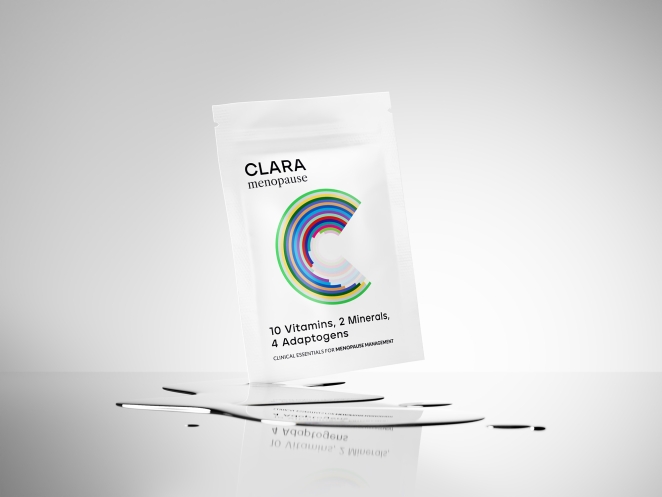
The best stories are often about the reactions our clients get from people about the branding - whether it's a buyer listing a product before even tasting it simply because they love the packaging, or constantly hearing customer feedback that's evolved from 'we love the name' to 'we love the packaging'. Those authentic stories are really lovely to hear.
In what ways do you invest in the professional development and growth of your team members?
We're big believers in learning through play. We regularly take on internal experimental projects that let us stretch our creative muscles without the pressure of client deadlines. Sometimes it's about getting better at typography crafting, other times it's diving into illustration - these playground projects give us the space to try new things and develop our skills organically.
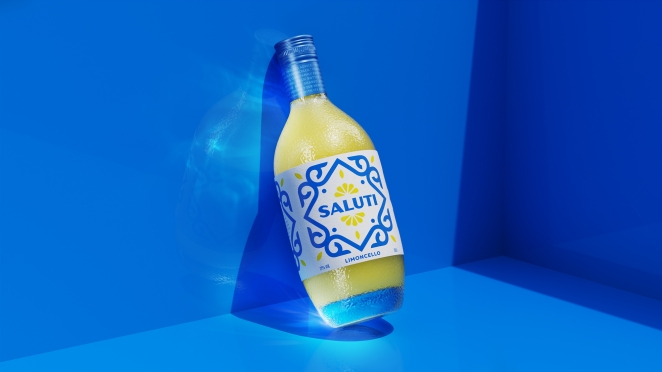
Alongside this hands-on approach, we support more traditional development through online courses when someone wants to deep dive into a specific area. It's about creating an environment where continuous learning is just part of our everyday culture and is enjoyed, rather than something that feels forced or formal.
How do you approach sustainability and ethical practices within your company's operations and projects?
Sustainability is becoming an increasingly important focus for us. Rather than claiming to be experts, we're taking a collaborative approach by partnering with specialist consultants who really know their stuff. We're constantly learning and evolving in this space, and we're excited to be in discussions with 1% for the Planet about joining their community. It's about taking meaningful steps rather than just talking about sustainability - we want to walk the walk.
Can you discuss a time when your company had to pivot or innovate in response to unforeseen challenges, and what lessons did you learn from that experience?
We're actually in the middle of what I'd call less of a pivot and more of a double-down moment. Working with purpose-led businesses has lit a fire under us - our passion for design gets cranked up to 1000 when we're working with brands that want to make a positive impact. We've realised that design can play a crucial role in making good buying decisions easier ones, so we're leaning hard into this space.
Do you have any websites, books or resources that you would recommend?
Do you have any websites, books or resources that you would recommend?" "Do you know what, my biggest recommendation is to get off the computer. Go to a museum, an art gallery, go to that pop-up shop or eat at that new restaurant. Experiencing life and making note of what captures your attention - you're probably not the only one and that can really elevate your work. Real-world inspiration beats Pinterest any day.