
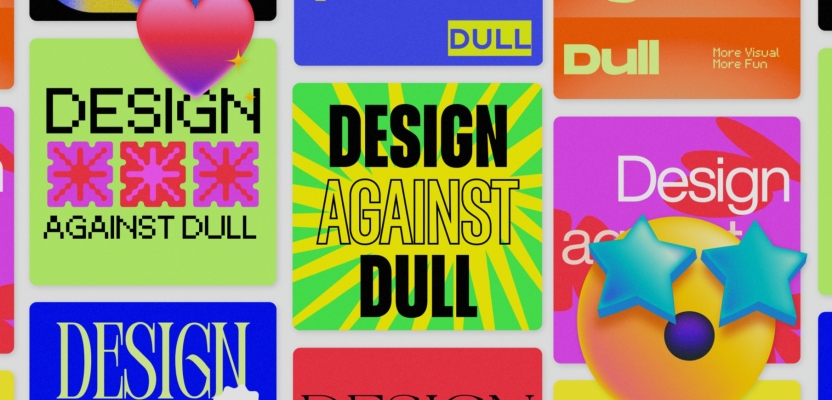

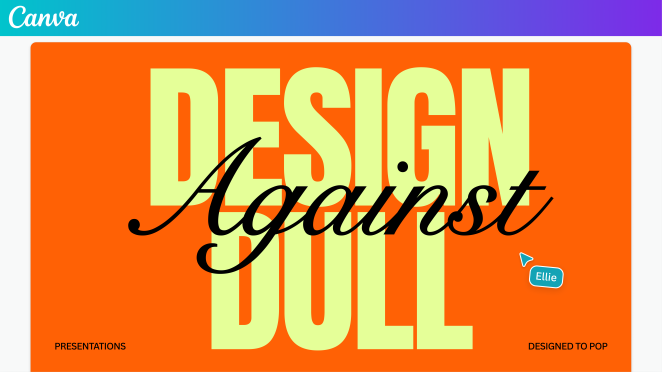
In a world where creativity often takes a backseat in corporate environments, Canva’s latest UK brand campaign, Design Against Dull, is on a mission to shake things up. Led by Amanda Zafiris, Head of Marketing, Europe at Canva, the campaign embraces the power of design to reimagine workplace culture.
With its quintessentially British humour and a vibrant, multi-channel approach, Canva’s first UK-specific initiative aims to inspire organisations to bid farewell to uninspiring content and hello to creativity-driven productivity. From out-of-home installations to a playful hero ad, the campaign reflects Canva’s growing focus on empowering teams to make work not just better, but brighter.
What was the brief for Canva's "Design Against Dull" campaign?
"Design Against Dull" represents a pivotal shift for Canva as we enter our next decade of empowering organisations and teams. While our initial focus was on individual users, we are now dedicated to helping everyone in every organisation harness the power of design.
This campaign showcases Canva’s increasing focus on the workplace – empowering people to transform the mundane into a more creative, fulfilling work experience through thoughtful design. "Design Against Dull" was developed in-house and features work created by Canva’s own in-house team of designers, art directors, and copywriters.
What does the campaign feature?
The campaign showcases the transformative power of design and visual communication in boosting workplace engagement. With only 10% of UK employees feeling engaged at work, uninspiring content has become a major barrier to productivity.
Peter Field’s insights on “the cost of dull” highlight how lacklustre presentations not only disengage employees but also stifle performance and creativity. Canva’s mission with this campaign is to offer every organisation the ultimate cure for ‘death by presentation,’ equipping teams with powerful creative tools to produce their best work.
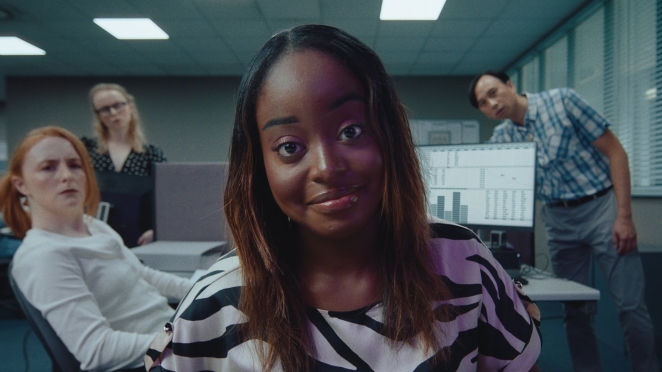
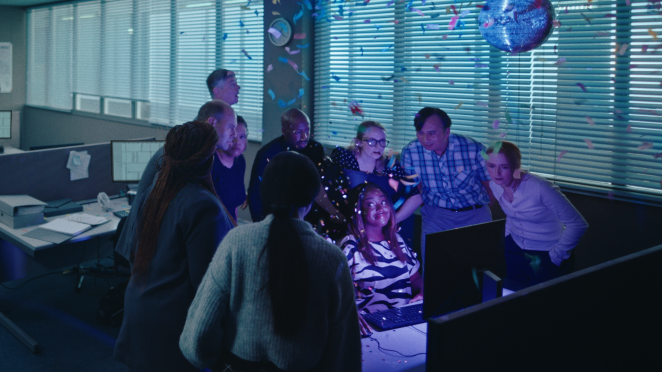
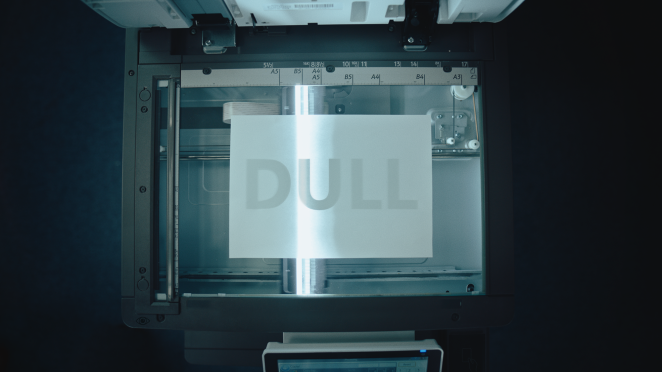
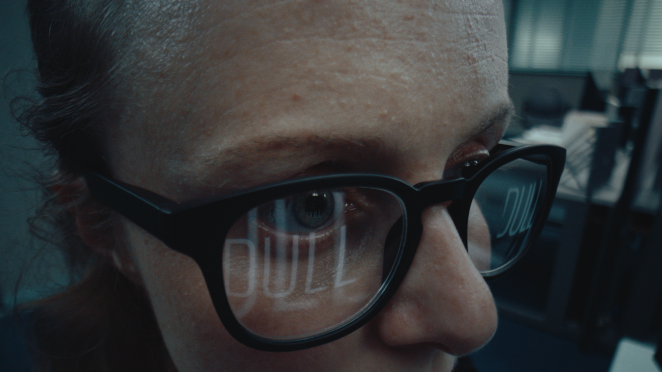
At the heart of the campaign is a playful 30-second ad that leans into quintessential British, self-deprecating humour. It paints a satirical picture of a drab, lifeless office where employees are surrounded by grey walls and stare blankly at monochrome screens.
As soon as teams start using Canva’s tools, the scene bursts into colour and energy, celebrating their newfound creativity and success. This shift symbolises a breakthrough in overcoming persistent productivity challenges, showing how Canva enables everyone—regardless of design expertise—to bring their ideas to life.
The campaign also includes eye-catching out-of-home installations, social and digital media strategies, a Metro cover-wrap, and more, driving its message across multiple platforms.
What is the purpose behind the "Design Against Dull" campaign, and who is the primary target audience for this initiative?
"Design Against Dull" is Canva's first multi-channel UK brand initiative. Launched on 21st October, our goal with the campaign is to spotlight how a lack of creativity can negatively impact business growth and employee satisfaction, with UK workers drowning in a sea of uninspiring content.
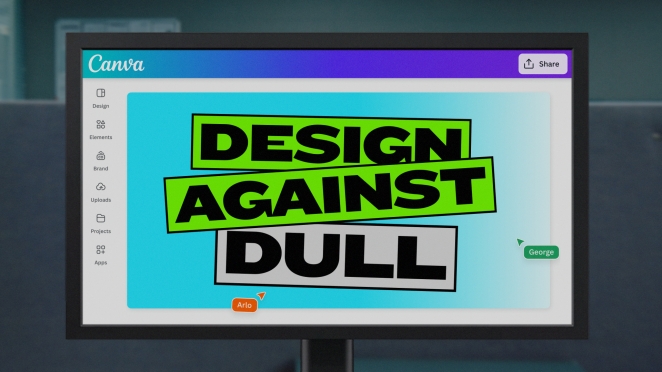
To spotlight how a lack of creativity can negatively impact business growth and employee satisfaction. By showcasing Canva's tools, we aim to empower teams to create inspiring content that fosters engagement and improves productivity.
What specific strategies were being employed in this multi-channel campaign?
Our multi-channel approach features a 30-second hero ad on broadcast video-on-demand services aimed at people in the workplace. At the same time, OOH advertising has been placed in high-traffic commuter zones across London.
We’re also leveraging all digital channels available starting with digital display ads focused on work-related content, to audio ads on streaming platforms like Spotify and by social media ads on YouTube, Meta and LinkedIn. We’ve also partnered with influencers and with Metro where we’ve taken over the front pages with our campaign.
What tools or software were used to develop the "Design Against Dull" campaign, and how did Canva’s own platform contribute to the creation process?
The campaign was developed in-house and features work created by Canva’s own team of designers, art directors, and copywriters.
This reflects our commitment to demonstrating how our platform can transform mundane tasks into exciting creative opportunities.
How does it support Canva’s broader mission?
While our first ten years focused on transforming design for millions of individuals, "Design Against Dull" is a nod to our next decade of empowering everyone, in every organisation to design. This campaign addresses the productivity and creativity challenges that many workplaces face today, and marks another step for us as we embark on our next decade supercharging creativity in the B2B world.
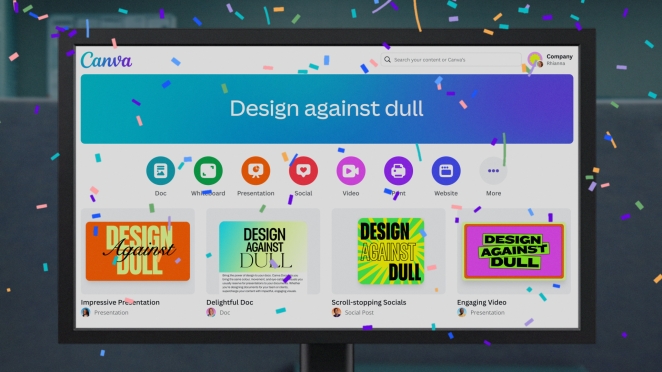
With over 95% of Fortune 500 companies using Canva to breathe new life into their workforce, teams across all industries are using Canva to better collaborate with colleagues, create content at scale, and utilise AI-powered tools to enhance designs. This campaign reinforces Canva’s shift to enterprise, and how through our tools, we’re able to infuse some joy into the workplace.
What do you hope it achieves for the brand? What impact do you expect this campaign to have?
We aim to drive conversations about transforming workplace culture for the better, as we believe work can be more fulfilling. Through Canva’s Visual Suite, design templates, AI, and workflow tools, we empower greater creativity and productivity, making it easier for anyone to create visuals they can be proud of—helping them love their work more.
Simultaneously, we strive to elevate and celebrate our community, who shine every day by using Canva to enhance their work.
Why did you invest in a UK-specific campaign? How did you make sure that the “Design Against Dull” campaign resonated with Canva’s diverse audiences?
Given our global presence in 190 countries, adapting and localising our campaigns is crucial to connecting with diverse audiences. Each market possesses distinct cultural nuances, preferences, and values that shape consumer behaviour. By tailoring our messaging, visuals, and strategies to align with local customs and sentiments, we foster stronger connections with our audience.
Crafting campaigns that resonate with local communities involves understanding and embracing the unique cultural nuances of each market and aligning them with Canva’s universal message of creative empowerment. This message manifests differently across the globe, emphasising its importance and relevance to people everywhere.
Investing in a UK-specific campaign was a strategic move for Canva, building on the momentum from our successful US campaign, "Love Your Work," and the Indian campaign, "Dil Se, Design Tak." Both initiatives highlight our growing emphasis on workplace culture and aim to spark meaningful conversations about it globally.