



Sophie Crowther, Talent Partnerships Director at Billion Dollar Boy, unpacks a recent shift on social media that has seen long form content making a surprising comeback.
In the age of quick-scroll content and 15-second bursts of entertainment, it might seem counterintuitive that long-form content is making a comeback on social media. Yet, driven by a shifting appetite among audiences and content creators alike, recent Billion Dollar Boy research shows that long-form formats are resurgent. This shift not only reflects a preference for deeper connections with audiences but also poses a significant opportunity for brands and creators to maximise engagement and return on investment (ROI).
The Data Driving the Trend
The results of our survey of 4,000 consumers, 500 creators and 500 marketers across the US and UK revealed that 68% of marketers and 64% of creators have ramped up their production of long-form content over the past 12 months. An even greater percentage - 70% of marketers and 72% of creators - plan to continue increasing their output in the coming year.
This upward trend hints at growing consumer fatigue around short-form, ephemeral content and a rejection of passive scrolling habits, offset by a desire for more thoughtful storytelling and more mindful media consumption. Notably, 39% of marketers and creators believe that long-form content combats creative fatigue, while 33% attribute improved ROI to these deeper formats.
The growing demand for long-form content spans multiple formats, including podcasts, live video streams, and written formats like newsletters and blogs. Billion Dollar Boy’s research found that over 40% of consumers, particularly younger demographics, report high engagement with long-form content, a strong indicator that they are ready for more than just bite-sized snippets.
Why Creators Are Shifting to Long-Form Content
Long-form content offers creators distinct advantages, both creatively and financially. It grants creators more flexibility to develop nuanced narratives and share diverse perspectives, which in turn fosters deeper connections with audiences. Over half (51%) of creators surveyed cite the creative freedom of long-form content as a key benefit, and 49% find it enables them to diversify their audience. For instance, creators can showcase product evolution or brand stories in a way that single, short-form clips cannot fully convey.
Creators are rediscovering how powerful long-form mediums can be, particularly in driving engagement with alternative audiences. This shift is reflected in the growing creator adoption, and in some cases a return to, of platforms that cater to long-form formats, such as YouTube and Substack - for example, Tanya Burr’s return to YouTube after a long hiatus from the platform on which she first made her name; author and podcaster Emma Gannon’s complete move away from Instagram and going all in on Substack; and TikTokers like GK Barry and Max Balegde making huge names for themselves in the podcast and traditional TV worlds.

Tanya Burr
Long-form formats also allow creators to repurpose content into shorter clips for wider distribution, maximising reach and providing economies of scale. A single long-form video or podcast episode, for example, can yield multiple short-form clips for TikTok or Reels, generating a multi-platform presence with minimal additional effort. YouTube’s monetization options, which include advertising and partnerships, make it a preferred platform for creators to sustain their work, especially as they see ROI potential in longer content.
How Long-Form Content Attracts Audiences—and Brands
The return to long-form content is strongly influenced by a consumer demand for richer, more immersive content experiences. Younger demographics especially have shown a willingness to engage with extended content, which we’ve seen manifest in the growing consumption of movies in multiple TikToks.
One particularly prominent example is Tareasa Johnson’s (aka Reesa Teesa) serialised TikTok storytelling. Her 52-part series titled “Who TF Did I Marry?” detailed her marriage to a man she labelled a pathological liar. The 10-minute videos, released over several days, quickly went viral, drawing millions of viewers who spent nearly 10 hours watching the entire series.

Its popularity even earned the creator a TV adaptation of her experiences in a series commissioned by producer Natasha Rothwell. The popularity shows the power of long-form, suspenseful storytelling to captivate an audience, leading to even larger content opportunities beyond social media.
For marketers, this deeper engagement with long-form content offers a more targeted, attentive audience. Choosing long-form content is a deliberate act for consumers, leading to highly engaged audiences who are primed to receive more prescriptive product placements.
This affords creators the space to tell a connected story over time, allowing for a deeper dive into product evolution, brand stories, or personal narratives. When creators and brands align to provide audiences with valuable, engaging content rather than brief ads, they create a more sustainable and impactful content experience that resonates with viewers.
Platforms Adapt to Support Long-Form Content
In response to creator and audience interest, social media platforms are expanding their support for long-form content. TikTok has introduced options for 30- and 60-minute video uploads, while Snapchat and YouTube Shorts have extended their maximum video lengths.
These moves represent a growing recognition among platforms that long-form content is not only valuable but necessary in the current digital ecosystem. By increasing these video length options, platforms give creators the tools to tell longer, cohesive stories, catering to audiences who crave more meaningful engagement.
Platforms like Substack, which allows creators to monetize newsletters through subscriptions, have also gained traction among creators seeking alternative revenue streams. The platform offers a way for creators to connect with niche audiences while monetizing exclusive, long-form content.
The Future of Long-Form Content in the Creator Economy
Looking ahead, the trajectory of long-form content in the creator economy is likely to continue upward. Audiences increasingly expect authenticity, transparency, and substance from the creators they follow, and long-form formats provide the necessary framework. Creators who can consistently produce high-quality, in-depth content stand to gain a competitive advantage in an industry that is becoming increasingly saturated.
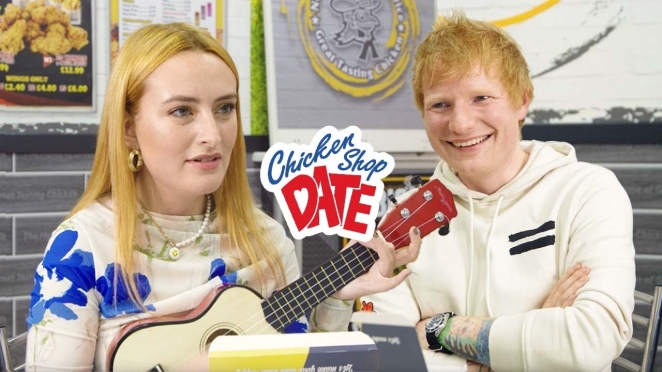
Leading the way in the crater economy’s evolution towards long-form content are the creators pioneering new entertainment formats that are rivalling those on traditional media channels. Expect to see more formats born on social platforms - like Chicken Shop Date and Hot Ones - and watch them ascend to mainstream dominance, potentially even transcending to traditional television screens. Brands will increasingly partner with these creators to produce regular entertainment content formats and build valuable IPs that can organically drive brand love and ultimately brand preference.
Conclusion
The shift toward long-form content is not about abandoning short-form; rather, it’s about achieving a balance between depth and accessibility. As creators navigate this balance, they open themselves up to more diverse brand partnerships and new monetization opportunities. This dual approach is a win-win for audiences, who receive richer content, and for brands, who benefit from deeper engagement and a more loyal following.
In 2025, prepare to see even more marketers and brands embracing long-form content as part of their digital strategies. By leveraging creator expertise, marketers can ensure they’re delivering engaging, brand-aligned content that resonates with audiences. With the creator economy projected to expand, those who invest in long-form content will be well-positioned to succeed, reaching new heights in engagement, growth, and revenue.