



Adland has always been an ecosystem of constant evolution. From the earliest forms of mass communication to the first banner ads on the internet, each new wave of technology and social change has ushered in fresh ways to captivate audiences. Now, as we stand on the threshold of another year, the big question is: what will adland look like in six months?
With new regulations reshaping digital habits, shifting attitudes toward brand-building and storytelling, and a deeper recognition of the importance of attention metrics, the near future of advertising is taking shape right before our eyes.
In exploring this dynamic future, two industry thought leaders offer valuable insights that illuminate the road ahead. Anton Jerges, CEO/Founder at We Are Collider, provides a view on how tightening digital regulations and a measured retreat from certain online marketing channels could steer us toward more tangible, in-person brand experiences.
Meanwhile, Dara Nasr, VP of Global Sales at WeTransfer Advertising, looks toward a coming era of regained confidence and creative boldness in the wake of elections and political uncertainty, as well as a revitalized appreciation for the role of the CMO and the evolving metrics that define advertising success.
Their perspectives not only anticipate how the industry might look in the next half-year, but also lay out the broader themes that will shape it. Let’s delve deeper into the trends, considering the economic, cultural, and technological forces at play—and how these might transform everything from brand storytelling to the experiences we create for consumers.
The Retreat from Digital and the Rise of Experience-Led Marketing
One of the most significant shifts we’re likely to see in the coming months relates to changes in regulatory environments and the effects this will have on digital marketing. Audiences and regulators alike are expressing greater concerns over social media’s influence, particularly on younger demographics. This concern is feeding into evolving policies that restrict access and shape the content landscape.

Anton Jerges
As Anton Jerges explains:
“With social and digital regulation on the rise, as exemplified by Australia banning social media for under-16s, adland is going through a relatively measured but steady retreat from digital marketing. So, in six-months’ time, we’ll be seeing even more of the marketing mix shift towards brand experiences; a space where we can enjoy the mental health benefits of face-to-face interactions.”
This return to tangible, “in real life” (IRL) experiences can be seen as a course correction. The pandemic pushed both brands and consumers deeper into digital engagement, but also highlighted the emotional void left by a lack of human connection. Now, many believe the next phase of advertising will restore balance, emphasizing experiences that foster genuine community and emotional well-being.
“This is something that has become even more prized since the isolation of the pandemic and it’s a trend that’s supported by The IPA’s latest Bellwether Report. In terms of creativity, this means that the adland folk who are so used to working with 2D canvases will have to adapt to thinking more laterally around 3D IRL events.”
For creative teams, this means that the skill sets that have long been honed for digital campaigns—flat imagery, witty copy, and clever video content—must now expand into three-dimensional thinking. Brand activations and experiential marketing will require not just aesthetic sensibility, but also architectural and spatial storytelling capabilities.
We’ll be seeing even more of the marketing mix shift towards brand experiences
Marketers who once pitched digital content calendars may soon find themselves discussing the layout of immersive pop-up events, the tactile feel of product demonstrations, or even the narrative arc of a brand’s presence at a multi-day festival.
“There’s so much creative potential in designing more immersive, enjoyable and engaging in-person experiences, such as the Netflix House, store experiences like Nike Town and Apple Stores, and The Outernet, which is now London’s No1 Tourist attraction averaging over 6 million visitors a year.”

The Outernet, London
This shift suggests that in the next half-year, we’ll see brands recalibrating their strategies, allocating more budget and creative energy toward real-world activations. As digital channels become more regulated and potentially less accessible to key demographics, IRL experiences will become the new frontier for capturing hearts and minds. These experiences won’t just be a novelty—they’ll be central to the strategy of brand-building and audience engagement.
A Post-Election Confidence Boost and the Return of Bold Creativity
While regulatory changes are reshaping the “where” and “how” of advertising, political climates influence the broader mood of the industry. Uncertainty, whether it be economic or political, has always cast a shadow over ad spending and the boldness of campaigns. Elections have a particular knack for injecting nervous tension into the advertising world. Brands grow cautious, creative teams hold back riskier ideas, and measurement becomes more short-term to ensure stability.
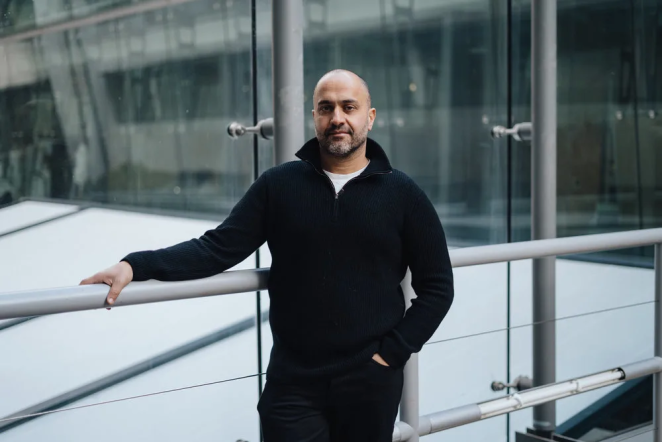
Dara Nasr
Dara Nasr points out how the conclusion of a frenetic election cycle can free brands to be bolder:
“2024 was the year of the election with at least 70 happening worldwide, including in major advertising markets like the US, UK and France. With any election, the unpredictability associated with it limits free range advertising - uncertainty is generally awful for advertising. For 2025, I foresee more swagger and confidence in the industry with there, hopefully, being less political volatility. Advertisers will be able to be bolder with what campaigns they put out there and not be restricted by the sensitivities of an election timeframe.”
This forecast suggests that in about six months—and heading into next year—adland might find itself breathing a collective sigh of relief. Freed from the constraints imposed by electoral calendars and the fear of misalignment with volatile public sentiment, advertisers can return to truly creative storytelling. Without the looming sword of immediate political backlash, marketers can push boundaries, try new mediums, test daring narratives, and bring more humour and personality into their work.
The Changing Role of the CMO and the Revival of Long-Term Storytelling
Beyond temporary political conditions, there’s another structural shift taking place: the evolving role of the Chief Marketing Officer (CMO). Once seen as the visionary guiding a brand’s narrative over a multi-year horizon, CMOs in recent years have been operating with short-term metrics and job insecurity that hinders long-term planning.
Dara Nasr expands on this point:
“Over the last few years we have seen the average tenure of the CMO decrease, with it becoming more of a revolving-door position. The short-term life expectancy of the CMO has meant the long term perspective needed for storytelling and risk taking has become less of a priority. As a result, storytelling is not what it used to be and brand building has suffered. I’d really love to see 2025 be the year that this changes. Critically, CMOs need the full support of businesses to encourage them to take more risks and not just go for the safe, yet boring, option to keep their job.”
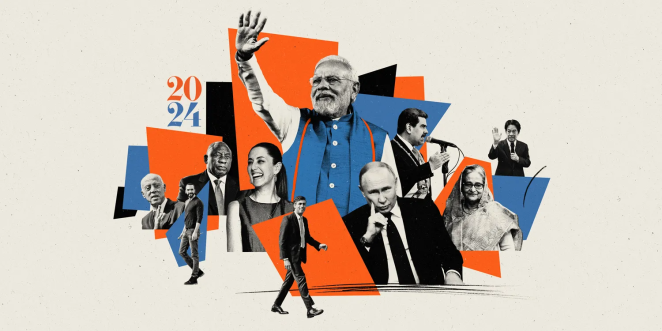
2024 - The Year of the Election
This insight has profound implications for what we’ll see in six months’ time. If marketers, boards, and shareholders alike recognize the harm done by short CMO tenures, they may begin to support longer-term visions. This support could encourage bolder narratives that extend beyond one quarter’s sales targets. Advertising that resonated deeply in the past—think of iconic brand campaigns that built equity over years—might return as a credible strategy.
Storytelling is not what it used to be and brand building has suffered
The near future could see brands investing more in narrative arcs that don’t just last weeks or months, but years. This requires patience, courage, and a willingness to measure success in more holistic ways. In six months, the first signs of this long-term thinking could emerge: campaigns that hint at a larger story, brand platforms that anticipate consumer evolution rather than simply reacting to quarterly numbers, and creative risk-taking that places brand meaning above immediate returns.
Measuring What Matters: The Rise of Attention Metrics
Amid these cultural and structural transformations, one of the most crucial changes in adland is happening at the measurement level. Once upon a time, advertisers leaned heavily on impressions, clicks, and conversions as the ultimate yardsticks. But as digital spaces become saturated, regulated, and harder to measure meaningfully, the quest is on for metrics that genuinely reflect engagement and eventual business outcomes.
Dara Nasr underscores this shift toward attention:
“Attention has gone from being a niche measurement metric to one that is on every advertiser’s lips and a key part of media measurement. Next year we will see this continue, uniting brand and performance driven ads by forcing us all to think about how we can best capture a specific audience’s attention. Gone are the days where a beautifully delivered advert can exist without being designed for maximum attention. By providing deeper insights that go beyond the traditional metrics, attention is a core predictor of effectiveness. The strong correlation between attention and business outcomes is no coincidence - never before have we had such accuracy to indicate the effectiveness or impact of an advert.”
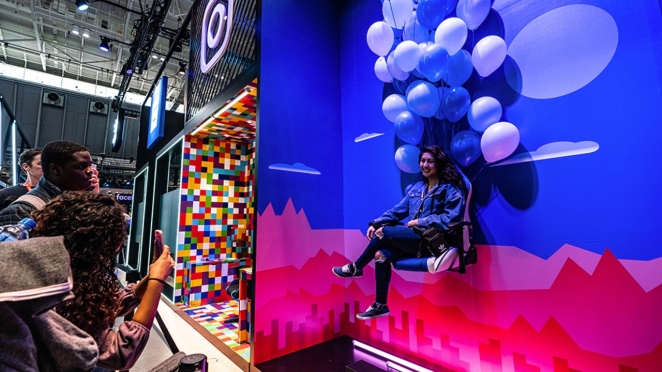
Experiential Marketing by Meta
In six months’ time, attention metrics will likely play a more central role than ever before. This shift means creative teams and strategists will strive not just for eyeballs, but for genuine mental engagement. Every facet of a campaign—from placement and timing to format and content—will be optimized to hold the consumer’s focus. We could see more experimentation with interactive ad units that engage viewers longer, storytelling formats that encourage more profound mental involvement, and experiential marketing that combines both digital and physical touchpoints to maintain consumer attention throughout a longer brand journey.
Every facet of a campaign will be optimized to hold the consumer’s focus
Furthermore, attention metrics may help bridge the gap between brand building and performance marketing. Rather than pitting brand campaigns (which aim to create long-term equity) against direct-response tactics (focused on immediate conversions), attention-based measurement can unify these efforts. By showing the connection between a consumer’s sustained engagement and eventual purchasing decisions, attention metrics give advertisers the confidence to invest in storytelling and experiential marketing that might not yield immediate clicks, but still move the consumer closer to meaningful action.
A Holistic Future: Integrating Experience, Boldness, Longevity, and Attention
When we combine these insights, a picture emerges of an adland that is more human, experience-driven, and ambitious. In six months, we may see a more balanced marketing landscape, one where digital regulations channel rather than stifle creativity, where political stability fosters bolder campaigns, where CMOs are supported in crafting long-term brand stories, and where attention metrics provide the compass to guide new and innovative approaches.
The importance of human connection in advertising will only grow. As Jerges notes, coming out of an era defined by isolation and uncertainty, brands are recognizing the mental health benefits of real-world interactions. By the time half a year passes, the industry may have countless case studies of how immersive events and experiential activations build stronger bonds with consumers. Whether it’s a pop-up showroom, a traveling brand expo, or a cultural collaboration at a local venue, these moments of face-to-face engagement can leave lasting impressions—ones that simply can’t be replicated by the most artfully targeted online ad.
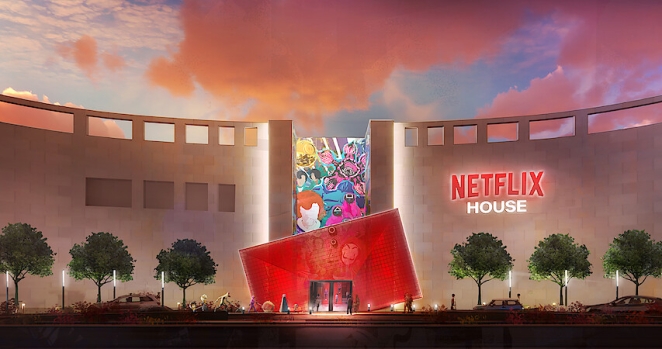
The Netflix House
Simultaneously, as the political dust settles and we step away from the volatility of recent election cycles, advertisers will have the freedom to be more daring. Freed from short-term pressures and given the long runway to develop meaningful narratives, CMOs can rally their teams around a united vision. This synergy can restore the storytelling craft that once was central to brand building—and which consumers sorely miss. It’s not just about selling products anymore; it’s about creating a sense of community, belonging, and shared values that turn consumers into lifelong advocates.
All this will happen with an unprecedented understanding of what truly matters. By focusing on attention as a key metric, advertisers can finally transcend a numbers game that reduced people to clicks and conversions. Attention metrics acknowledge that the depth and quality of engagement are at least as important as the quantity. Brands that cultivate meaningful engagement will find their efforts pay dividends as consumers not only notice their messages but remember them, integrate them into their lives, and act on them when the time is right.
Conclusion: The Road Ahead
In six months, adland will likely look quite different from today. It will be one where the boundaries between digital and physical are blurred but balanced by thoughtful regulation and a renewed appreciation for human connection. It will be a space where creative boldness is encouraged by political stability, and long-term storytelling regains its rightful place at the core of brand-building efforts. It will be a world in which measuring attention—truly capturing and holding the consumer’s mind—becomes the holy grail of advertising effectiveness.
The steady retreat from certain digital tactics will drive a shift to brand experiences
These transformations are not just theoretical. They are informed by leaders on the front lines, who see firsthand how trends are shifting and where brands must evolve. As Anton Jerges observes, the steady retreat from certain digital tactics will drive a shift to brand experiences, and, as Dara Nasr highlights, the easing of political tensions and the rethinking of the CMO role will open the door to more creative and impactful campaigns.
In the end, what will adland look like in six months? We can expect a more human-centric, experience-driven, and strategically aligned environment—one that understands its audiences better, values attention more, and dares to create narratives that matter. And if we can seize this moment, we may look back years from now and see this transitional period as the time when advertising truly rediscovered its soul.