

2025 was a truly transformative one in the creative industries with creative trends that marked an oscillation between exhilaration and fatigue as we all learned how to live with “the machine” while maintaining that spark that make us want to be creatives in the first place. The landscape evolved at breakneck speed as the world churned even faster beneath our feet, with new ideas and approaches fueled not only by technology but by wide ranging cultural shifts that shaped trends in the creative industry this year.
Amid the frenzy, however, there was an element of strain at play. Too much, too fast and too fast too soon. To help us catch our collective breath a little before the festive season truly kicks into gear, I’ll be distilling the key design trends that shaped the creative industries around the world in 2025, drawing on industry research and the insights of leading creative voices.
The AI Creative Revolution Accelerates
If one force turbocharged creativity in 2025, it was artificial intelligence. Generative AI tools went mainstream in agencies and studios, promising to boost output and imagination. 88% of organisations were using generative AI in at least one business function this year and AI-assisted design and copy tools became everyday collaborators – from AI image generators crafting concept art to machine learning models churning out dozens of ad variations at the click of a button. This unprecedented acceleration gave creatives “wings,” dramatically speeding up workflows and enabling rapid prototyping of ideas.
However, the AI boom brought new challenges. With so much algorithmically-generated content flooding feeds, brands risked blurring into a sea of sameness, losing the emotional impact that comes from genuine human storytelling. Audiences began to sense when an ad felt more machine-generated than imagined. The now infamous Coca-Cola Christmas ad (above) proves this in spades.
As a result, the most successful creative teams treated AI as a creative partner rather than a replacement, using it to work smarter while keeping the all-important human touch in the driver’s seat. In short, 2025 proved that AI could supercharge creativity, but it also underscored the irreplaceable value of human creativity to inject soul, context and cultural nuance into the work.
Authenticity Strikes Back – The Human Touch

Amid the flood of AI-enabled output, 2025 saw a powerful counter-trend: a return to authentic, human-crafted creativity. In a world awash with auto-generated content, truly human stories and voices stood out more than ever. Brands and creatives began to pull back the curtain on production, embracing unvarnished storytelling and real-life context to forge genuine connections.
According to the Summit Awards’ 2025 trend report, consumers were no longer impressed by just polished ads – they craved work that felt real, inclusive and “deeply human”. This meant leaning into raw, unfiltered content: behind-the-scenes glimpses, real customer stories, and “unpolished yet engaging formats” that showcase imperfections and honesty.
Perhaps the most unexpected comeback was in the art of writing. After years of flashy visuals and algorithm-tuned taglines, copywriting and long-form text experienced a renaissance in 2025. Creative leaders noticed that precise, deliberate language – words written with true intent – could cut through the digital noise in a way templated auto-generated text could not.
"The year was polarized, full of creative shortcuts and equally full of those who refused them"
As Pierre Bellefleur, Managing Director and Co-Founder at STRIKE observed, amid the industry’s high-tech acceleration, “something unexpected resurfaced: writing. Not decorative copy, but precise, deliberate language, the kind that cuts through noise because it carries intent.” In an environment where everything was increasingly shaped by algorithms, text became a small act of resistance – a way for ideas to assert a personal voice and point of view. Audiences responded to campaigns that felt like they had an actual human author behind them.
“2025 was a year where creativity oscillated between exhilaration and fatigue. AI accelerated everything – output, ambition, even mediocrity. It gave the industry wings but also sanded down its texture. Too often, work felt generated rather than imagined.
Amid this acceleration, something unexpected resurfaced: writing. Not decorative copy, but precise, deliberate language, the kind that cuts through noise because it carries intent. Where everything is shaped by algorithms, text became a small act of resistance. As Marx reminded us, ideas only acquire power when they truly belong to someone. And in 2025, people began reclaiming that ownership.
The year was tense, polarized, full of creative shortcuts and equally full of those who refused them. The best work didn’t avoid complexity; it wrestled with it, insisting that meaning still requires effort.
2026 will demand an ideological shift rather than a technological one. The challenge is simple and immense: to remember that machines can produce content, but they cannot originate conviction. Ideas are born from conflict, desire, contradiction – everything that makes us human. The year ahead will test our ability to hold that line. If we forget it, creativity becomes automation. If we guard it, creativity becomes purpose again.”
– Pierre Bellefleur, Managing Director and Co-Founder at STRIKE
Bellefleur’s passionate words capture the zeitgeist: after an era of hyper-automation, creatives in 2025 began reclaiming the human element. We saw more campaigns built around authentic voices – whether it was a CEO narrating a candid founder’s story on LinkedIn, or a TikTok series of employees giving unscripted testimonials. Brands learned that in an age of deepfakes and auto-content, authenticity itself is a competitive advantage.
As Sarah Golding, Partner at T&P predicted at the start of the year: “2025 will see a shift toward authenticity and human connection, with brands embracing curated, emotionally resonant content rather than relying on over-personalised, algorithmic advertising”.
Audiences can tell when a message has heart. This trend pushed creatives to infuse work with more of their own personality, cultural truth and empathy – effectively striking back against the impersonal feel that too much automation can bring.
Content at Scale – Volume Up, Creatives Maxed Out
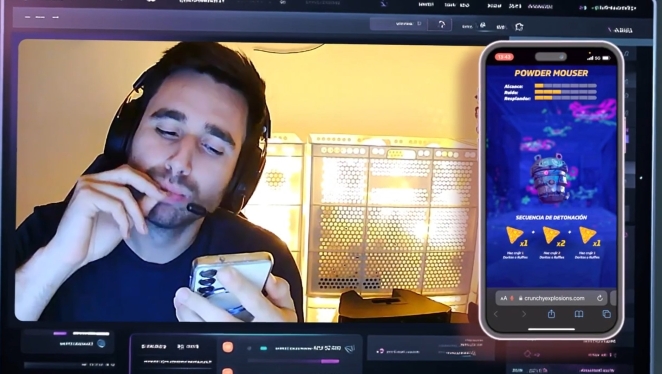
In 2025, content was produced at an unprecedented volume and velocity. The rise of digital platforms, from ever-multiplying social channels to personalized streaming services, meant brands needed a constant stream of creative assets to stay relevant. Marketing teams found themselves churning out more variations of ads, posts, videos and designs than ever before – often targeted to niche audiences or tailored for different contexts.
This was the year of “more, faster” in advertising: more campaigns, more deliverables, more iterations, all on ever-tighter timelines. The pressure to produce fresh content relentlessly – sometimes termed the “volume era” – changed how creative departments operated.
To manage the deluge, many teams embraced new workflows and structures. Modular design approaches gained traction, where ad creatives were built from interchangeable components that could be mixed and matched to generate countless variations quickly. Data-driven dynamic creative optimization allowed elements like images or headlines to swap out for different segments on the fly.
The race for volume came at a cost: creative fatigue
In short, personalization at scale became a reality – but it required massive content output to feed the algorithms. As a result, forward-thinking brands rethought how they staffed and organized creative production. Agencies established in-house content studios dedicated to rapid content creation. Roles like “native content director” emerged to focus on platform-specific content crafted with speed and accuracy. Teams started running high-volume “content sprints” to generate and test dozens of creative variants in quick cycles.
This race for volume, however, came at a cost: creative fatigue. With so many assets to make and manage, designers and writers risked burning out. The constant pressure to pump out content led to concerns that creativity was being treated like a commodity or assembly line.
The best organizations responded by emphasizing smarter processes (using templates, AI assistance, and cross-team collaboration) so humans weren’t working 24/7. Still, an undercurrent of burnout and exhaustion permeated the industry dialogue by late 2025.
The lesson from this trend is clear: scaling content is necessary in modern advertising, but doing so sustainably – without sacrificing the well-being of creative talent or the quality of ideas – became a new challenge that the industry is still working to balance.
Omnichannel Storytelling and Multi-Format Campaigns

Gone are the days when an ad campaign meant a TV spot, a print ad, and maybe a banner. In 2025, effective campaigns were omnifaceted storytelling ecosystems that lived across many channels and formats. Brands learned to meet audiences wherever they are, which increasingly meant everywhere. A single idea might express itself as a series of snappy TikTok videos, an interactive web experience, a long-form YouTube documentary, a podcast episode, and an outdoor stunt – all interlinked as part of one narrative.
This trend toward “social-first, multi-format storytelling” defined many award-winning campaigns in 2025. Static, one-dimensional campaigns felt outdated; the winners were those that could seamlessly spread a message across short-form and long-form content, digital and physical media, tailored to each context.
Short-form video continued its reign on platforms like TikTok, Instagram Reels, and YouTube Shorts – the snackable content that grabs attention in seconds. But 2025 also witnessed a resurgence of long-form content for those deeper storytelling moments: think branded podcasts diving into a company’s backstory, or mini-documentaries that explore an issue related to a brand’s mission.
In 2025, diversity of format was as important as diversity of content
Even traditional channels (print, radio, out-of-home) found new life when woven creatively into a multi-channel strategy. For example, a campaign might kick off with viral social videos, amplify its message with digital billboards that echo the theme, and then invite the most engaged fans to a live experiential event. The integration was key – each touchpoint reinforced a coherent story.
This multi-format approach was driven by consumer behavior. Audiences in 2025 hopped between devices and platforms fluidly; the lines between content, commerce, and entertainment blurred. To keep up, brands became “media agnostic” storytellers, repackaging content to suit each medium.
A great example is how short teaser clips online could funnel interested viewers to a longer YouTube film or an immersive website for more depth. The creative strategy behind campaigns had to be more holistic and flexible than ever. Effective creatives became adept at transmedia storytelling – ensuring that whether a consumer encountered the brand on a smartphone in portrait mode or on a full cinema screen, they’d receive a resonant piece of the narrative.
This trend underscored that in 2025, diversity of format was as important as diversity of content: the message had to travel and adapt, not just repeat, across the rich landscape of channels that define modern life.
Immersive Experiences and Extended Reality
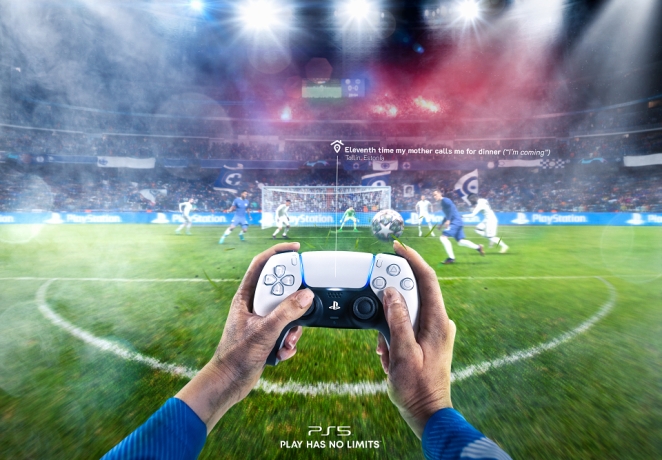
Hand in hand with the omnichannel boom was the rise of truly immersive creative experiences. In 2025, extended reality (XR) – an umbrella covering augmented reality (AR), virtual reality (VR), and mixed reality – shifted from experimental gimmick to a practical creative tool. With improved technology and broader adoption, XR became a compelling way for brands to engage consumers by blending the digital and physical worlds. No longer science fiction, these experiences were happening now and “reshaping how we interact with the world”.
In advertising and design, this meant we saw more campaigns inviting audiences to step inside the story. Augmented reality ads let users point their phone camera and see virtual characters or information overlaying real-world surroundings (from interactive AR billboards to packages that came to life in AR). Retail brands used AR to let shoppers virtually try on products – for instance, seeing how a new piece of furniture would look in their living room through a smartphone lens.
"It’s not just about seeing – it’s about feeling, touching, and engaging” in new dimensions"
In the entertainment sector, VR events and concerts allowed fans to experience performances in a 360° virtual space, sometimes even bringing holographic avatars of artists into one’s own room. One creative leader forecasted early on that 2025 would be a big year for such innovations, with XR expected to “transform the spatial world as we know it” – and indeed, by year’s end extended reality had made a noticeable mark on marketing.
Importantly, these technologies were used not just for wow-factor, but to forge a deeper sensory connection with audiences. The best immersive campaigns were those that offered utility or emotional resonance: they weren’t tech demos, but meaningful experiences. For example, an automotive brand might create a VR test drive so realistic you feel the engine’s roar, building excitement and confidence before a real showroom visit. Or a nonprofit might develop an AR app that visualizes environmental changes in your neighborhood, making an abstract issue visceral and personal. Such experiences go beyond seeing – they make you feel and interact.
As Adobe’s trend forecast notes, “it’s not just about seeing – it’s about feeling, touching, and engaging” in new dimensions. In 2025, creatives learned to push the boundaries of engagement by using XR to invite people into the story. This trend blurred the line between creator and audience, as users became participants in immersive narratives. With tech giants continuing to invest in AR/VR hardware and platforms, immersive design is poised to grow even more – but 2025 will be remembered as the year these experiences truly hit the mainstream of creative advertising.
Nostalgia Marketing – Past Meets Future
Looking back to move forward – that was a defining mantra of 2025’s creative output. Nostalgia emerged as one of the most powerful tools for marketers and designers seeking to forge emotional bonds with their audiences. In a world of uncertainty and rapid change, familiar sights and sounds from the past provided comfort, joy, and a sense of shared culture.
Nostalgia is, in many ways, the biggest trend in modern advertising, and it’s easy to see why. Brands across industries dug into archives, resurrecting retro logos, iconic jingles, and vintage aesthetics – not as mere repetition, but with a clever contemporary twist.
Part of what drove the nostalgia wave was the maturing of digital-native brands. Many direct-to-consumer startups of the 2010s reached their 10- or 15-year milestones by 2025, giving them their own heritage to draw upon. These “new legacy” brands began indulging in callbacks to the early 2000s or 2010s, targeting not just older consumers but also young adults eager to experience the pop culture of slightly earlier eras.
A striking example was health soda brand Poppi’s 2025 Super Bowl commercial (above): the ad was riddled with vibrant Y2K references, from dial-up internet sounds to retro graphics, unapologetically celebrating turn-of-the-millennium kitsch. The result? It became the most-watched ad of the game, reaching over 29 million households and sending social media into a frenzy of nostalgia-fueled chatter. Poppi saw a 100x spike in online searches within an hour, and a huge boost in sales and followers thereafter – proof that nostalgia, when done right, can translate to real engagement and ROI.
Nostalgia is, in many ways, the biggest trend in modern advertising
Legacy brands, too, leaned on their storied pasts. We saw classic mascots reappear, “anniversary editions” of products with throwback packaging, and even the re-release of discontinued favorites due to popular demand (the snack and fast-food industry, for instance, brought back a few 90s-era flavors and items to fanfare). Nostalgia communities thrived on Reddit and TikTok, where users reveled in sharing 80s, 90s, and 2000s cultural touchstones – gold mines that brands tapped into for relevance.
Importantly, successful nostalgia marketing in 2025 wasn’t about simply recycling the old; it was about remixing it. As one report noted, the key was to “reimagine, don’t recycle” – blending retro elements with modern sensibilities. For example, a visual design might pair neon 1980s color schemes with futuristic typography, creating something at once familiar and fresh (Adobe aptly dubbed this trend “Time Warp: nostalgia meets futurism”). By doing so, creatives ensured that the nods to the past also felt new and exciting to today’s audience.
The deeper reason nostalgia hit so big in 2025 is emotional: it evokes the warmth of shared memories. Studies have shown that nostalgia marketing creates strong emotional bonds that can make consumers more loyal and receptive to a brand’s message. In a year when consumer trust was hard-won, appealing to the heart through fond reminiscence proved extremely effective. From retro game-inspired campaigns to reunions of beloved characters in ads, nostalgia delivered feel-good moments that cut across age groups. This trend reminded us that sometimes the best way to innovate in creativity is to borrow the best from the past – with a wink and a smile to the audience who remembers it.
Purpose and Values-Driven Creativity
Even as they embraced humor, brands in 2025 continued to navigate the demand for purpose and values in their creative endeavors. Consumers – especially younger generations – increasingly expect brands to stand for something beyond profit. Causes like sustainability, social justice, diversity and inclusion, and community impact remained front and center.
But the difference in 2025 was a sharper radar for authenticity. It was no longer enough to superficially splash a cause on a campaign; audiences quickly called out anything that smelled of “purpose-washing” or opportunism. Purpose-driven creativity had to be genuine, or it would backfire.
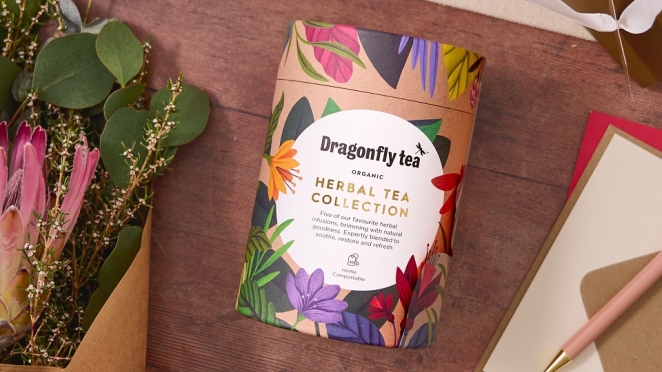
Sustainability was one of the biggest themes. With climate concerns intensifying, many brands made environmental responsibility a pillar of their messaging and design choices – from using recycled materials in packaging design to highlighting carbon-neutral commitments in ads. Creative leaders noted that if a brand lacks authentic commitment to sustainability or social good, today’s audiences (and employees) will be the first to call it out. In other words, walking the talk was essential.
Some of the most praised campaigns of 2025 actively involved communities and stakeholders. For instance, a footwear brand didn’t just run an ad about recycling – it launched a program inviting customers to return old shoes for upcycling, and featured those real participants in the campaign. The strongest purpose-led campaigns don’t just talk about change – they actively involve communities in the process.
Diversity and inclusion in creative content also saw continued focus. Audiences in 2025 expected to see diverse voices and faces represented naturally in advertising, not as a token afterthought. Authentic representation – across race, gender, ability, and more – was increasingly seen as a baseline requirement.
Audiences in 2025 expected to see diverse voices and faces represented naturally in advertising
Campaigns that celebrated underrepresented communities (when done with authenticity and input from those communities) garnered positive attention and built brand loyalty. However, any missteps or performative gestures were pounced upon. The creative industry itself also made some strides behind the scenes, with more brands highlighting diverse creative teams as part of their story to show that inclusion wasn’t just in front of the camera.
Crucially, purpose-driven creativity in 2025 often meant aligning with specific values even at the risk of polarization. Some brands took bold stands on social issues, knowing they might alienate a segment of consumers but gain deeper trust with their core audience. This was evident in campaigns around social justice movements, where brands either courageously spoke up or were criticized for staying silent.
In summary, 2025’s creative landscape showed that being purposeful and profit-driven were not mutually exclusive – in fact, they often went hand in hand. Many of the year’s most talked-about campaigns were those with a strong ethical or societal dimension, from climate awareness initiatives to ads championing mental health or equality.
The trend was clear: brands needed to have a point of view on the issues that matter to their audience, and creative work needed to convey that sincerely. When done right, values-driven creativity elevated brands from just vendors of products to partners in the cultural conversation, which is where many consumers, especially younger ones, want them to be.
Bold, Unconventional Design Aesthetics
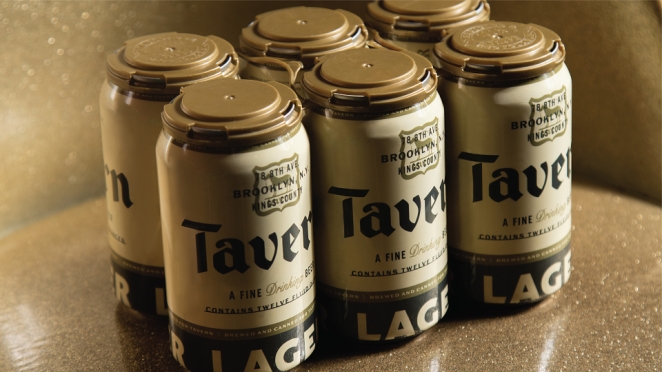
Visually, 2025 was the year creative design broke free from the safe confines of minimalism and dove into more bold and unconventional aesthetics. After a long period dominated by flat design, muted color palettes, and conservative sans-serif typography, a new wave of designers tore up the old rulebook. The mantra was “brighter, bolder, braver” in design choices.
Across branding, digital, and print, we saw a surge of vibrant colors, experimental layouts, and playful elements that would have seemed “too much” a few years ago. Now, that “too much” was exactly the point – in a crowded visual environment, distinctiveness was gold.
One noticeable trend was the embrace of chaos and quirk. Designers intentionally introduced “messier” elements: collage-like compositions, doodles, asymmetrical grids, and eclectic mixes of imagery that defied strict modernist logic. This wasn’t about sloppy work, but about conveying authenticity and energy. A perfectly polished, symmetrical design can sometimes feel impersonal; adding a bit of roughness or surprise makes it human.
That humanity showed up in things like hand-drawn illustrations in branding, or purposely inconsistent typography that gave a project unique character. Brands leaned into their “weird side,” using wacky visuals and cheeky graphics to show personality (the rebrand of a classic Californian steakhouse chain with funky retro illustrations is a perfect example of this quirky turn). The result was designs that felt more alive and less cookie-cutter.
Color made a triumphant return too. 2025’s designers splashed the spectrum with abandon – neon gradients, clashing color combos, and rich hues used to create sensory impact. It was a reaction against the years of ultra-minimalist white and grey interfaces. Now, a “sensory overload of colour” was often the goal, to delight and surprise viewers. Importantly, even minimalist design got a loud remix.
We saw a surge of vibrant colors, experimental layouts, and playful elements that would have seemed “too much” a few years ago
A movement dubbed “maximalist minimalism” emerged, proving you can be clean and bold at once. Think of layouts that are still uncluttered and user-friendly, but punctuated with a big, attention-grabbing element – a huge typographic centerpiece, a signature vibrant color (like the electric green that became known as “Brat green” after a pop album cover made it famous), or a dramatic bit of motion. It’s minimalism that knows how to shout when needed.
Typography itself went wild in 2025. Forget sticking to one safe font; designers played with unconventional type like never before. Puffy, curvy, almost childlike letterforms; throwback fonts evoking the 70s or 90s; mix-and-match typefaces within a single word – nothing was off-limits as long as it was legible and on-brand. Unique, custom lettering became a way to inject personality into logos and campaigns. This typographic playfulness often went hand in hand with motion design online, with kinetic type that bounced, warped or wobbled to grab eyeballs.
Lastly, there was a fascinating micro-trend of embracing “brainrot” aesthetics – deliberately overstimulating, surreal visuals that feel like an internet fever dream. This style, named after a slang term and even influenced by the Oxford word of the year “Goblin Mode” or similar chaotic vibes, mashed together hyper-saturated colors, bizarre imagery, and frenetic animation. The goal was to capture the chaotic energy of the digital age in art form – overwhelming yet mesmerizing. While not for every brand, this out-there approach popped up in fashion, music, and youth-focused campaigns eager to signal cutting-edge creativity.
In essence, design in 2025 was a grand experiment in breaking norms. By being bold and unorthodox, creatives found new ways to command attention and convey authenticity. Audiences, especially digitally native ones, proved more than ready for it – they embraced the colorful, the crazy, and the unconventional, as it matched the dynamic, diverse world they live in.
This trend reminded everyone that good design doesn’t always mean quiet design. Sometimes, to stand out, you have to crank the volume up – visually speaking – and 2025’s best designs did exactly that.
Creativity with Conviction – No Shortcuts to Meaning
Amid all the technology, speed, and stylistic shifts of 2025, one overarching trend emerged as a kind of guiding star: a renewed focus on meaningful creativity born from true conviction.
The year’s most celebrated work tended to be that which clearly had heart and thought behind it – ideas that were labored over, argued through, deeply felt by their creators. In contrast, campaigns that felt like facile cash-ins on trends or algorithm-driven assemblages fell flat. As the frenzy of automation and content volume grew, so did an industry-wide introspection about the purpose of creativity.
Top creative leaders began openly advocating for quality over quantity, depth over breadth. They reminded their teams (and clients) that while machines can generate infinite options, only humans can imbue ideas with genuine intention and insight. In practice, this meant some brands slowed down on jumping onto every hype and instead dug deeper into crafting strong core concepts.
For example, rather than churn out a dozen superficial ads, a brand might invest in one bold, thoughtful piece of creative that tells a powerful story – trusting that substance resonates more than sheer frequency. There was a sense that after a period of chasing every shiny new thing (from AI to the metaverse hype), 2025 marked a moment to take stock of what truly matters in creative work.
Pierre Bellefleur captured this sentiment eloquently in his commentary, noting that the best work of 2025 “didn’t avoid complexity; it wrestled with it, insisting that meaning still requires effort.”
"The best work of 2025 didn’t avoid complexity; it wrestled with it"
This was a call to resist the temptation of endless shortcuts. Many creatives took it to heart: they spent more time in brainstorming, revisited brand purpose statements, and challenged themselves to ensure each project had a clear why behind the what. There was a quiet but growing trend of “slow creativity” – not in the sense of missing deadlines, but in reclaiming the time to truly think and craft. In an age of instant content, taking that extra beat to refine an idea became almost a rebellious act of quality control.
We also saw conviction in the form of creative risk-taking. When you believe strongly in an idea, you fight for it, even if it’s non-traditional or might split opinion. Some of 2025’s most impactful campaigns were initially met with internal hesitance because they broke molds or tackled tough topics – but their creators pushed for them with passion, and ultimately those campaigns struck a chord.
This underscores another aspect of conviction: creativity backed by courage. The trend was not to play safe, but to stand for something with your creative choices (whether that’s an aesthetic that’s bolder than the brief, a message that’s more provocative, or a storytelling approach that demands more from the audience).
In the end, “creativity with conviction” is about remembering the human spark at the core of this industry. It’s the realization that while 2025’s toolbox was the most advanced it’s ever been – AI, XR, big data, you name it – the true magic still comes from human emotion, curiosity, and perspective.
As Bellefleur warns, if we surrender that, “creativity becomes automation.” The trend among the best in the field was to hold the line, to guard that human spark so that creativity becomes purpose again. In looking ahead, this final trend perhaps carries the greatest lesson from 2025: our creative future will be defined not just by the new capabilities we gain, but by how we choose to use them in line with our deepest convictions.
The Return of Humor and Playfulness
After a stretch of tumultuous years globally, 2025 saw people collectively rediscover the value of a good laugh. In advertising, this translated to a full-hearted return of humor and playful creativity. Marketers realized that after years of often serious, purpose-driven or pandemic-era somber messaging, audiences were yearning for relief, joy, and entertainment. The stats spoke clearly: only about one-third of ads in recent years contained humor, yet half of the most effective ads used humor in some form. In 2025, brands took this to heart and brought comedy back to center stage in their campaigns.
We witnessed a new wave of witty commercials, tongue-in-cheek social media content, and quirky brand personalities. Even industries typically viewed as stuffy or serious loosened up. Finance apps made memes about budgeting fails; healthcare brands ran lighthearted ads poking fun at common wellness fads. This was the “comedy comeback” in marketing, and it worked because humor is inherently shareable and humanizing. As one analysis noted, funny ads stick with us longer and are far more likely to get shared – it’s the meme culture effect. In the attention economy, a joke can be a powerful hook.
The tone of humor in 2025’s creative work was notably self-aware and inclusive. Brands often didn’t mind being the butt of the joke, showing audiences they could laugh at themselves or acknowledge their own flaws. This cultivated trust – consumers see a brand that doesn’t take itself too seriously as more relatable. A great example is Aviation Gin’s ongoing campaign (above) where actor-entrepreneur Ryan Reynolds uses deadpan humor and even “pre-emptively apologizes” in ads – both mocking and embracing advertising tropes. Such approaches blur the line between ad and entertainment, making the audience feel in on the joke.
The tone of humor in 2025’s creative work was notably self-aware and inclusive
On social platforms, playful trends thrived. Companies jumped on viral TikTok challenges with creative twists and collaborated with popular comedians and creators for content. We saw more brands adopting a witty, conversational tone on Twitter (or X) and engaging in lighthearted banter with followers – essentially cultivating a brand personality with a sense of humor. The fast pace of social media favored quick one-liners, visual gags, and absurdist short videos, pushing creatives to think like entertainers.
Crucially, humor was used in service of connection, not just laughs for laughs’ sake. A well-placed joke can make a message more memorable and a brand more likable. In a crowded digital arena, many marketers found that making someone smile was the surest way to be remembered in 2025. The success of this trend reaffirmed an age-old truth: laughter is a universal language, and in advertising, it’s often the shortest path to winning hearts (and maybe wallets).
Bottom-Up Creativity – The Rise of Comment Culture and Creator-Led Brands

As the cultural ground shifted beneath brands in 2025, the most tuned-in creatives didn’t just look up to trend reports — they looked down. Into the comment sections. Into Discord threads, fan edits, and stitched TikToks. This was the year when influence flowed decisively from the bottom up, not the top down — a shift captured smartly by Rachel Matovu, who leads the Co.Labs creator specialist team at Amplify.
“The comment section is where true influence will happen,” Matovu notes. “It’s where anyone can weigh up metrics — the true story of what will influence action will be witnessed in the comment section.”
Gone are the days when a campaign could live or die on likes and polished impressions alone. In 2025, engagement became a conversation, and influence was no longer just measured — it was negotiated in real time. The smartest brands weren’t just posting content; they were watching what people did with it, how they responded, how they reinterpreted and remixed it. The dialogue became the metric.
“The comment section is where true influence will happen”
This shift is part of what Matovu calls “Bottom-Up Creativity,” a dynamic where creators and communities increasingly shape the taste, tone, and creative trajectory of brands. “That word — authenticity — almost has no meaning,” she observes, “but it will be more important than ever if brands push to understand what that can look like.” In a world oversaturated with generic ‘authenticity,’ the only thing that feels real is specificity: niche tastes, insider references, unfiltered tone. In 2025, brands that dared to be specific — and not universally palatable — won big.
This was also the year brands stopped treating creators as mere media channels and started recognizing them as creative co-authors — cultural translators with both aesthetic sensibility and built-in trust. As Matovu puts it, “Brands will skip past the idea that creators are just a media channel — and tap into them for their taste, ideas and their hyper engaged fans. Assets will be an output, more culturally relevant brands will be the outcome.”
This wasn’t lip service. Major campaigns — from fashion collabs to product launches — were concepted with creators, not just pushed through them. In one standout example, a cosmetics brand co-developed a limited palette with a makeup influencer whose audience helped choose the shades in advance via polls and AMAs. The result: product sellouts, glowing UGC, and a brand halo effect no amount of paid media could buy.
In short, 2025 made it clear: if you want to build culture, you have to build with culture. The era of top-down campaigns is ending. The new creative frontier is participatory, personality-driven, and unfolds in the comments — one post, one reply, one creator collaboration at a time.