

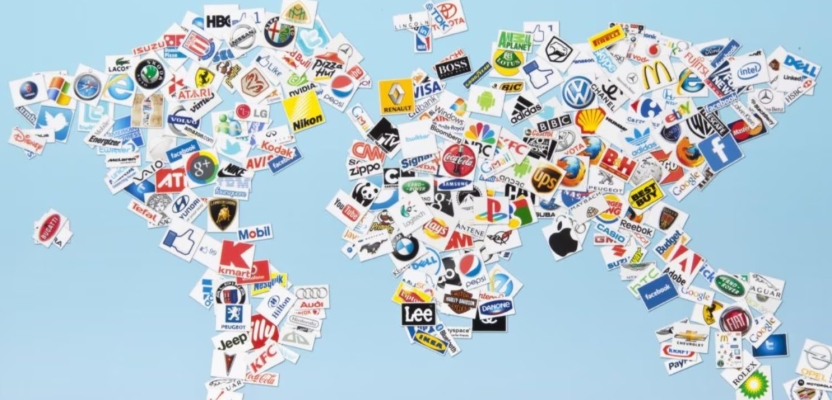

In an era increasingly driven by digital transformation, artificial intelligence (AI), and boundless consumer choice, brands have evolved into more than just recognizable names or logos. They’ve become intricate ecosystems of innovation, storytelling, and meaningful connection. This evolution is especially poignant in the creative industries, where the confluence of technology, design, and culture serves as a cornerstone for brand growth.
The recently released Brand Finance Global 500 2025 ranking underscores how profoundly essential creative thinking and strategic brand-building are. Not only for survival, but for market leadership. Below, I’ll dive into key insights from the report and explore what the meteoric growth of the world’s top brands means for creatives everywhere.
Apple Reigns Supreme: The Fusion of Design, Innovation, and Cultural Cachet

According to Brand Finance’s Global 500 2025, Apple once again sits at the top with a brand value of USD$574.5 billion, reflecting an 11% increase from 2024. This positioning cements Apple’s status as the most valuable brand, save for a brief spell in 2023 when Amazon narrowly overtook it.
What does Apple’s sustained dominance mean for the creative sector? First, it spotlights the importance of holistic design. Apple’s emphasis on minimalist aesthetics, seamless user experience (UX), and integrated services has become a gold standard for consumer tech—and a masterclass for creative professionals. From the iconic product design language that influences entire consumer categories, to its marketing campaigns that reflect cultural zeitgeists, Apple consistently underscores the power of strategic and emotional storytelling.
Second, Apple’s leadership in emerging technologies—most notably its forays into augmented reality (AR), AI-driven personalization, and original streaming content—demonstrates how brands must diversify. In the creative industries, professionals who grasp how to merge software, content creation, industrial design, and user-centred branding are increasingly in demand. Apple’s success story teaches us that even in saturated markets, brand loyalty grows when a company can create immersive ecosystems that meet both functional and emotional needs.
Tech Titans and the Art of Reinvention
Four of the top five most valuable brands in 2025 are technology companies: Apple, Microsoft, Google, and Amazon. While all have strong brand equity, their ability to pivot quickly and invest in future-forward creativity sets them apart.
Microsoft (USD461.1 billion, +35%): Over the past half-decade, Microsoft has shifted public perception from being a traditional software provider to an inventive cloud powerhouse driving AI, gaming, and professional collaboration. For creative industries, Microsoft’s acquisition and development of gaming platforms like Xbox, its push into mixed reality with HoloLens, and continued evolution of productivity tools (e.g., the inclusion of AI in Microsoft 365) show how established brands can leverage their heritage to expand creatively.
Google (USD413 billion, +24%): Google’s brand value growth illustrates how consistent investment in AI and cloud technologies pays off, both in terms of consumer trust and business growth. As a creative, you might think of Google primarily as a search engine or advertisement platform, but its deep ventures into generative AI (like Bard and other machine learning innovations) are reframing the possibilities for content creation, design collaboration, and even marketing analytics. For designers and marketers, Google’s ecosystem suggests that creativity and data analytics can no longer exist in silos—they need to become symbiotic.
Amazon (USD356.4 billion, +15%): Amazon’s brand is built upon logistics, customer-centric innovation, and an ever-expanding array of offerings—from e-commerce to streaming video, from voice assistants to AI-driven product recommendations. For creative professionals, Amazon sets a precedent in user experience design (personalization, frictionless shopping) and content creation, with Amazon Studios investing heavily in original series and films. The lesson here is the power of consistent, customer-focused storytelling: every touchpoint, from website to packaging to entertainment content, contributes to a cohesive brand narrative.
NVIDIA Breaks into the Top Ten: A Harbinger for Creative Tech

One of the most striking developments this year is NVIDIA’s ascent into the top ten brands, with brand value soaring 98% to USD87.9 billion. While traditionally recognized for its dominance in graphics processing units (GPUs) for gaming and professional visualization, NVIDIA’s success now spans AI research, data centres, self-driving cars, and more. This surge highlights two major takeaways for the creative sphere:
Computational Creativity: Today’s creative industries increasingly rely on intensive computational processes—from 3D modelling in film and game design to real-time rendering in virtual production. NVIDIA’s GPUs have become essential backbones in these workflows, enabling artists to dream bigger and iterate faster. The brand’s leap in valuation signals the market’s recognition of the indispensable role of high-performance computing in every facet of creative production.
Brand Relevance Through Innovation: NVIDIA’s brand equity is built on its ability to scale beyond a single market niche. Its specialized chips now power AI research, which in turn fuels breakthroughs in generative design, automated image editing, and even hyper-personalized marketing. This cross-pollination of technology platforms fosters a new dimension of creativity—where data scientists, AI researchers, and visual artists collaborate more seamlessly than ever before.
High-Growth Challengers: Gambling, Semiconductors, and Chinese Brands
Brand Finance’s longer-term view from 2020 to 2025 shines a light on the top brands posting remarkable growth. While many might assume that only technology brands dominate in a digital era, the data is more nuanced:
Gambling Growth: DraftKings (USD5.1 billion, up from USD18 million in 2020) and FanDuel (USD7.0 billion, up from USD56 million in 2020) underscore how quick legislative changes—especially in the U.S.—and digital transformation can catapult brands in emerging sectors like online betting. For creative agencies, this signals new territory: designing responsible gambling platforms and user experiences that rely on engagement and trust-based branding.
Semiconductor Momentum: Beyond NVIDIA, AMD (USD11.0 billion) and TSMC (USD34.2 billion) are also thriving thanks to their role in advancing computing power. Their brand value growth underscores the importance of “behind-the-scenes” creative infrastructures that enable innovations in AR, VR, and 3D modelling. For creatives, semiconductor advancements can translate into faster render times, real-time collaboration in virtual environments, and more elaborate digital storytelling.
Chinese Brands on the Rise: TikTok/Douyin (USD105.8 billion), Pinduoduo (USD13.0 billion), and BYD (USD14.0 billion) epitomize China’s evolution from a manufacturing hub to a breeding ground for brand innovation. TikTok’s short-form, algorithm-driven content has rewired how global audiences consume media. Pinduoduo merges social networking with e-commerce, while BYD leverages the demand for electric vehicles. As consumers gravitate toward new forms of engagement, creative professionals must learn how to craft culturally relevant, platform-specific content—an especially critical skill when working with fast-rising Chinese brands eager to expand globally.
The Role of Creative Storytelling in Brand Strength: WeChat and e& as Case Studies

While brand value is a financial metric, brand strength is determined by consumer perception, stakeholder equity, and a holistic user experience. WeChat retains its title as the world’s strongest brand in 2025, with a Brand Strength Index (BSI) of 95.2 out of 100. Not simply a messaging app, WeChat’s ecosystem extends to payments, social networking, mini-programs, and more, creating a near-essential digital infrastructure in China. This “super-app” model represents the future of brand-building—where a single platform becomes an irreplaceable part of daily life. For creative agencies, crafting frictionless, all-encompassing user experiences that feel native and human is a critical lesson from WeChat’s success.
Another standout is e&, formerly Etisalat, recognized as the fastest growing brand value in 2025 with an eight-fold increase to USD15.3 billion. The brand achieved this through a structured three-year rebrand that consolidated disparate business units under a unified strategy. Creative professionals often play a pivotal role in these multi-year brand transitions—developing brand architecture, visual identity, and narrative cohesion. e&’s expansion underscores how systematic, long-term creative planning is crucial for transforming a regional telecom into a global digital service provider.
Beyond the Numbers: Creativity as Strategic Differentiation
The Brand Finance Global 500 reveals that the world’s 500 most valuable brands have grown 10% year-on-year to USD9.5 trillion, outpacing global economic growth (forecast at 2.8% by the UN). Creativity underlies much of this outperformance, especially when we consider how brands form emotional connections with consumers and differentiate in crowded markets. Here are some key trends shaping the creative industries in 2025:
- Immersive Brand Experiences: With many top brands investing in AR, VR, and mixed reality, creative professionals will find new avenues to design experiences that fuse the physical and digital. Whether through interactive branding campaigns, virtual showrooms, or “phygital” retail environments, the brands winning in 2025 treat customer engagement as a multi-sensory journey.
- AI-Assisted Creativity: From Amazon’s personalized recommendations to Google’s generative AI tools, automation is increasingly used to streamline content creation, data analysis, and creative development. Rather than replacing creatives, AI can serve as a powerful collaborator, offering rapid prototyping, real-time analytics, and global-scale distribution. Brands that blend human ingenuity with AI-driven insights can craft hyper-relevant campaigns and products.
- Sustainability and Ethical Design: As more consumers value environmental and social responsibility, brand reputation hinges on authenticity. Electric vehicle maker BYD exemplifies how sustainability can be integral to brand growth, while also fuelling creative thinking around eco-friendly design, packaging, and messaging. Brands that successfully communicate their ethical and environmental commitments stand a better chance of forging deeper, more trusted relationships with consumers.
- Localization vs. Globalization: Chinese brands like TikTok, Pinduoduo, and BYD highlight the push toward global expansion—but with a local touch. Creative teams need to adapt campaigns that resonate with diverse cultural contexts. Balancing universally appealing design elements with localized storytelling and language nuance will be the hallmark of successful global campaigns in 2025.
Lessons for Agencies, Designers, and Creative Leaders

The meteoric growth and shifting hierarchies of global brand valuation hold crucial insights for the creative community:
Stay Agile and Tech-Savvy: Technology no longer merely supports creative output—it shapes it. As brands like NVIDIA and AMD demonstrate, the ability to handle massive computational needs and integrate cutting-edge features like real-time rendering or generative AI is non-negotiable. Many global creative platforms also rely on cloud servers to support remote collaboration, large-scale rendering, and real-time content delivery across distributed teams.
Create Ecosystems, Not Campaigns: Apple and WeChat show us that the real power of branding lies in building self-contained ecosystems. Creative leaders should think beyond short-term campaigns and move toward developing consistent brand narratives that seamlessly tie products, services, and experiences together.
Diversify Revenue Streams Through Creativity: Amazon, Microsoft, and Google exemplify how one brand can credibly span multiple domains—retail, cloud computing, entertainment, or productivity software—when supported by a strong brand story. Creative professionals can help shepherd this diversification by carefully crafting user journeys and brand identities that maintain coherence across different touchpoints.
Understand Regulatory and Cultural Tailwinds: DraftKings and FanDuel’s leaps in brand value illustrate how legislation and cultural shifts can dramatically change the creative playing field. Being prepared to seize opportunities—whether that’s new gambling laws, sustainability initiatives, or a viral platform like TikTok—often means building flexible brand identities that can adapt to fast-changing landscapes.
Invest in Long-Term Brand Architecture: e&’s transformation shows the power of a methodical rebrand. For creative agencies, this highlights the importance of brand architecture, naming, consistent messaging, and design systems that resonate both internally and externally. A cohesive brand can absorb new business units, acquisitions, or technological shifts without losing its essence.
The Future Forward: Creativity at the Heart of Brand Leadership
As we look beyond 2025, it’s clear that creativity—fuelled by technology, cultural awareness, and strategic brand storytelling—remains the backbone of sustainable brand value growth. With global economic forecasts suggesting stagnation, brands that continue to invest in imaginative, audience-centric strategies will outperform their peers and possibly reshape entire industries.
Holistic Brand Experiences will be paramount: from interactive store designs, dynamic online platforms, to cross-platform storytelling across film, gaming, and social media.
AI and Automation will elevate creative capabilities, enabling real-time feedback loops, hyper-personalized content, and new forms of immersive collaboration.
Sustainability and Ethics will become more than mere buzzwords; they’ll be central pillars of brand narratives. Creatives will need to embed these values authentically in every touchpoint.
The lesson from Apple, Microsoft, Google, Amazon, and the emergent leaders like NVIDIA and TikTok is unambiguous: creativity isn’t optional. It’s a fundamental competitive advantage; the connective tissue that aligns brand promise with consumer desire. For those in design, marketing, content creation, and strategy, the challenge and opportunity in 2025 is to merge technological proficiency with human-centric storytelling in a way that keeps brands relevant, resilient, and resolutely forward-looking.
In this dynamic global marketplace—where brand valuations surge despite economic headwinds—creative talent will remain one of the most sought-after assets. Whether you’re part of an in-house team, a boutique design studio, or a global creative agency, the Brand Finance Global 500 findings underscore one central theme: the power of brand emerges from the synergy of imagination, innovation, and integrity.
With Apple reigning at the top, NVIDIA’s explosive growth hinting at a new creative-tech frontier, and WeChat showcasing the next level of ecosystem thinking, the horizon for creative industries has never been more exciting—or more essential to defining the world’s most valuable brands.