



If you’re to believe the right-wing influencer space (I really recommend you don’t) then Diversity, Equity, and Inclusion (DE&I) is anything from a deep state psyop conspiracy to a misguided attempt at redefining the status quo. In their eyes, it’s a big stunt aimed at shifting power away from the “God-given” white male demographic and voraciously defecating over the very concept of meritocracy.
The truth, as ever, is a lot more nuanced than that and in my eyes, while there are certainly going to be some bad actors using it as a excuse for poor performance, DE&I is something that could have a major positive impact on workplace mental health, particularly in the creative industries. It’s not going anywhere either, as according to recent research from Teamspirit, DE&I is set to rise significantly on the agenda in the coming years, with an increasing emphasis on its importance for employees and clients alike.
A Changing Landscape for Mental Well-being in the Creative Industries
DE&I skyrocketed up the corporate agenda in 2020, largely triggered by significant societal events such as the Black Lives Matter movement. This renewed focus emphasised the systemic inequalities that marginalised groups faced not just in life, but also in the workplace.
However, as Sandy Downs, Head of DE&I at Teamspirit, points out, the journey has been anything but linear and anything but easy. The subsequent years saw many other issues crowding into corporate consciousness—COVID-19 and its impact on mental health, the climate crisis, and political shifts like Brexit. Sandy explains: “DE&I initiatives found themselves battling for attention amid these competing priorities, with some firms deprioritizing their DE&I efforts, reducing the scope of their commitments to campaigns like Pride and Black History Month.”
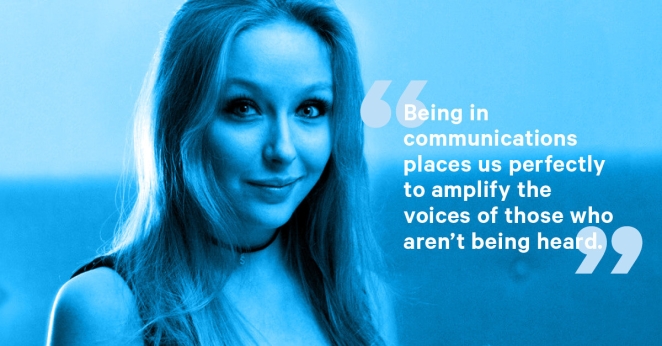
Sandy Downs
Despite this, the tide seems to be shifting once again. Grassroots demand from employees and prospective recruits for more comprehensive DE&I practices is pushing companies to reconsider their priorities. Teamspirit's research suggests that over 70% of UK business leaders believe that DE&I will grow in importance to current and future employees over the next 2-3 years. Moreover, 65% of business leaders see it rising on the board agenda, indicating a trickle-down effect that could fundamentally shift how businesses address these issues.
How Does DE&I Impact Mental Well-being in Creative Teams?
The relevance of DE&I to mental health cannot be overstated, especially within creative industries. Creative work is personal; it relies heavily on emotional investment, vulnerability, and diverse perspectives. When team members feel excluded or underrepresented, it impacts not just their mental health but also their ability to do their best work.
Sandy adds: “Mental well-being and inclusion are closely linked. Feeling represented, heard, and valued at work are vital components of positive mental health. Employees who are part of a diverse, inclusive work environment tend to experience higher satisfaction, are more creative, and are less likely to burn out. Simply put, DE&I efforts do more than support marginalized groups—they contribute to creating workplaces where everyone can thrive.”
However, inclusion goes beyond having the right policies on paper. Firms must ensure their DE&I initiatives actively foster a culture that supports well-being and belonging. For creative agencies, this means moving beyond surface-level campaigns and truly embedding inclusivity into their day-to-day operations, allowing all voices to be heard and all employees to feel psychologically safe.
The Role of Leaders in Driving Change
A key part of making DE&I work is leadership. The creative industry is all about pushing boundaries, and that means fostering an environment where employees feel comfortable to take risks and innovate. For this to happen, team members need to feel supported, which, for many, starts with seeing themselves represented in leadership roles.
Teamspirit’s research reveals that 65% of business leaders believe DE&I will soon rise on the board agenda, particularly in sectors facing increasing pressure from regulatory changes. The UK’s Financial Conduct Authority is pushing for greater DE&I within financial services, and potential revisions to the Corporate Governance Code will require boards to address these issues more rigorously.
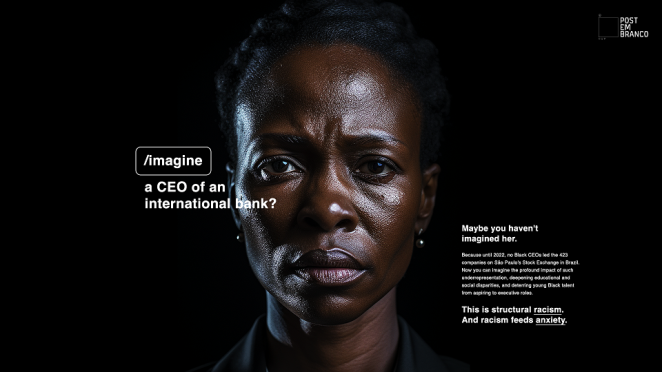
Daniel Portuga
The creative industry, although different in regulatory pressures, faces similar expectations from clients and prospective employees. Leaders have an opportunity to lead by example—not just by ensuring diverse representation at the leadership level but by actively engaging in discussions about inclusivity, well-being, and equity.
Communications as a Key Driver for DE&I
It’s not enough to do the work; you also need to talk about it. Companies that "nail their communications" around DE&I, as Sandy Downs suggests, will have an edge. When firms authentically share their DE&I journey, they not only meet the expectations of a modern audience but also foster a sense of shared mission that unites their workforce.
The authenticity of these communications is crucial. Sandy concludes: “As creative professionals, we know the power of storytelling. There’s a risk for companies that fail to effectively communicate their DE&I journey—without clear, consistent communication, the disconnect can result in alienated employees, and the perception that the firm is performative rather than committed to real change.”
At its core, DE&I is not about ticking a box—it’s about making every team member feel safe, respected, and valued. That sense of belonging is fundamental for good mental health, and it’s what will ultimately allow creative teams to produce their best work.
The opportunity for creative businesses is vast. By investing in DE&I, and by authentically communicating these efforts, we can create environments that foster mental well-being and enable creative talents to thrive. The time for half-hearted efforts has passed—employees, clients, and society are all watching, and the expectation is clear. It’s time for creative industries to lead the way toward a more inclusive and mentally healthy future.