

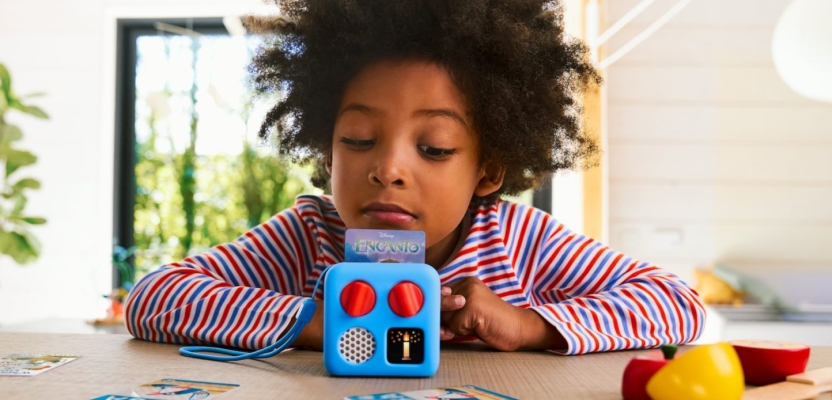

The way brands interact with young audiences is undergoing a seismic shift. No longer just spectators of youth culture, brands are now expected to help shape it. And no audience is more aware of this than Generation Alpha — kids born after 2010, raised on YouTube, TikTok, and Roblox, and fluent in a world where authenticity rules.
Today, marketing isn’t about broadcasting messages. It’s about earning a place in the culture young people are actively building. Two experts (Lydia Martin, Strategy Director at The Kite Factory, and Chris Davis, Commercial Director at GloMotion Studios) explore this evolving landscape.
Martin argues that for brands to connect with Generation Alpha, they must prioritize authenticity, emotional resonance, and cultural fluency. Meanwhile, Davies highlights how brands like Foot Asylum, Waitrose, and LEGO aren’t just advertising to youth — they’re becoming entertainment companies, creating content young audiences choose to watch and share.
Both perspectives underline the same truth: in a world where everyone can skip the ad, brands must become part of the culture, not just interrupt it.
Lydia Martin, Strategy Director at The Kite Factory

Marketing’s role is shifting—from storyteller to cultural curator. Brands are no longer just observers of youth culture—they’re expected to participate in shaping it. In a world driven by algorithms and authenticity, no audience is more attuned to this than Generation Alpha. Born after 2010 and raised on YouTube, TikTok, and Roblox, they have grown up expecting brands to participate in culture, not just pay to be seen in it.
With nearly 1 in 2 UK parents admitting they “always buy the brands my children prefer” — an 8% increase in just five years—Generation Alpha is setting the tone and rewriting influence from the bottom up, from streaming choices to household purchases.
But this generation won’t engage with brands via broadcast communications. 64% of 12–15-year-olds say they prefer technology that allows them to skip ads — a number rising year-on-year. They’re fluent in digital environments that serve content on their terms, which means brands can’t expect to win attention through interruption — they have to earn it through cultural fluency and emotional resonance.
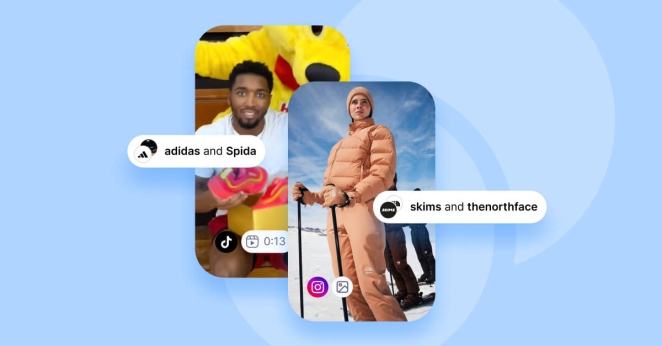
The key to winning this is through authenticity. Brands like LEGO, with its consistent sustainability commitments, or Adidas, co-creating TikTok content with trusted influencers, are seen as credible cultural contributors by Generation Alpha. Others, who jump onto trends without a strategy for long-term engagement, risk being labelled as opportunistic.
Our research shows that to lead culture — not just follow it — brands must connect with what really matters to Generation Alpha. Our empathy-based insights found that desires for self-expression, joy, and calm in a fast-moving world are core emotional need-states which drive what youth audiences look for in brand communications. Advertisers that tap into these emotional currents are most likely to elevate their campaigns to become cultural touchstones.
This is about more than chasing the next viral moment. With 46% of media time spent on YouTube and TikTok, Generation Alpha gravitates to platforms that let them co-create, remix, and interact. The biggest opportunity for advertisers in this context is to create spaces in media where youth audiences see themselves reflected and heard.
Chris Davies, Commercial Director at GloMotion Studios

The fundamental relationship between brands and young audiences has transformed: Generation Alpha and Gen Z have never known a world where they couldn't skip, block, or scroll past advertising. Yet these digital natives are influencing purchasing decisions more than ever, creating both a profound challenge and an extraordinary opportunity. Forward-thinking brands aren't just finding clever ways to interrupt entertainment; they're becoming entertainment companies themselves.
Foot Asylum is the perfect example of this transformation; with 2.9 million YouTube subscribers and nearly 900 million views, they've built a sustainable media platform featuring original reality shows like "Locked In" and "Does the Shoe Fit?" By developing entertainment formats featuring creators their audience already trusts, they've created genuine cultural touchpoints that extend far beyond traditional advertising. Their CFO attributes record sales directly to this content strategy.

Waitrose demonstrates how even traditionally "non-exciting" brands can build cultural currency through their "Dish" video podcast. By pairing chef Angela Hartnett with radio personality Nick Grimshaw and featuring guests like Tom Holland and Dua Lipa, they have created a three-way value exchange where hosts, guests, and brand all contribute to the entertainment value. This approach has transformed Waitrose from a grocery store into a trusted voice in food culture.
LEGO represents the ultimate evolution, from toy manufacturer to global entertainment powerhouse. Their journey began with simple YouTube content before expanding to blockbuster films like "The LEGO Movie," which grossed $469 million worldwide while earning critical acclaim. By embracing entertainment that doesn't take itself too seriously, LEGO has built cultural relevance that traditional advertising could never achieve.
The brands succeeding with young audiences share three crucial strategies:
- They focus on creating entertainment that people actually choose to watch, not content that interrupts what they want to see
- They build ongoing platforms rather than one-off campaigns, creating long-lasting, sustainable audience relationships
- They collaborate with creators in a way that gets the best out of the relationship, treating them as partners rather than ad boards
Final Thoughts
The brands that are winning aren’t just showing up in youth culture—they’re building it. They’re not chasing clicks, trends, or fleeting moments of attention. They’re investing in long-term cultural relevance by creating content and people spaces that audiences choose, share, and trust.
Generation Alpha doesn’t want to be marketed to—they want to be part of the story. That means brands have a choice: keep renting attention with one-off stunts, or start earning influence by becoming credible, consistent voices in the cultural conversation.
In a world where everyone can skip the ad, the real question is—is your brand worth sticking around for?