

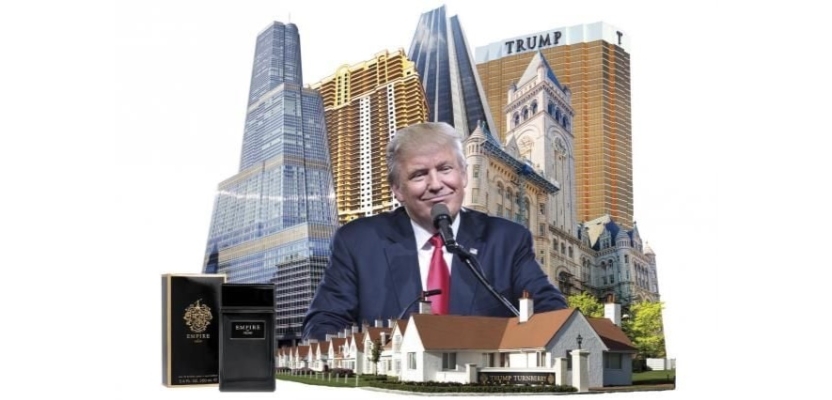

I am no great fan of Donald Trump (and I’d struggle to find a fellow European who is right now) but I have to hold my hands up and admit he’s played a blinder in the last 10 years when it comes to his brand.
Indeed, in the realm of political branding, few figures have demonstrated a more profound understanding of the American psyche than Trump. His "Make America Great Again" (MAGA) campaign didn't just introduce a catchy slogan—it tapped into a deep-seated collective nostalgia, reawakening a yearning for a bygone era. This strategic invocation of the past, combined with a populist message, redefined political communication in the digital age.
The Power of Nostalgia in Political Branding
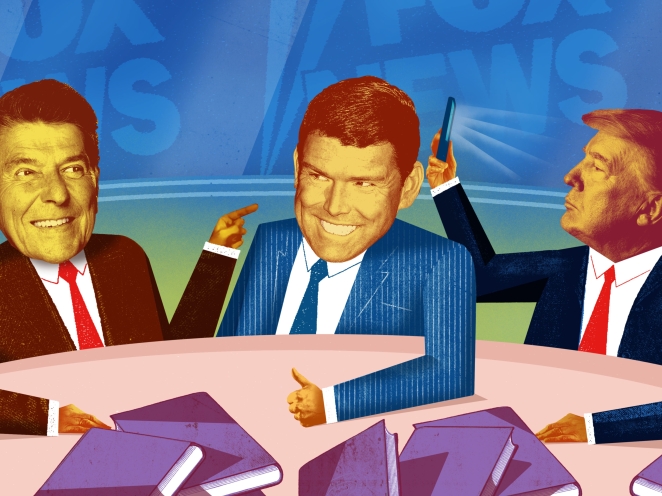
Nostalgia has long been a potent force in politics, but Trump's application was particularly effective. By reviving Reagan's 1980 slogan, he connected with voters' memories of perceived national strength and prosperity. This wasn't merely a nod to the past; it was a deliberate strategy to position himself as the harbinger of a return to "better times".
However, Trump's nostalgia was selective. It idealized a version of America that resonated with certain demographics, particularly those feeling marginalized by globalization and cultural shifts. This approach created a powerful emotional connection but also deepened societal divisions.
Populism Meets Modern Media
Trump's populist rhetoric further amplified his message. By positioning himself as an outsider fighting against a corrupt establishment, he appealed to widespread disillusionment with traditional politics. His communication style—direct, confrontational, and often controversial—was tailor-made for the digital era, where sensationalism often trumps nuance.
Social media platforms became the perfect vehicle for this approach. Trump's messages, characterized by stark typography and aggressive capitalization, were designed for maximum shareability. They thrived in algorithms that prioritize engagement, regardless of content quality or truthfulness.
Visual Identity and Cultural Resonance
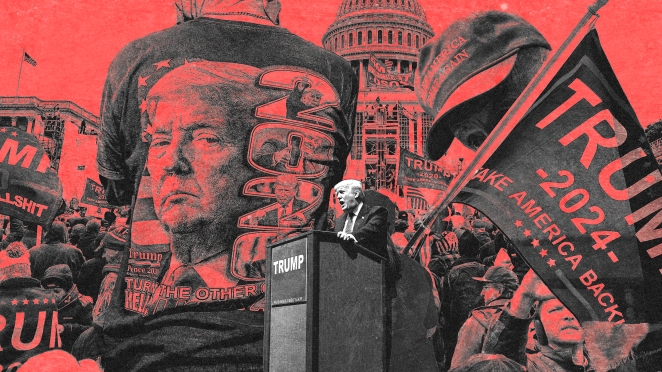
The visual elements of the MAGA campaign were equally strategic. The red cap with white lettering became an instantly recognizable symbol, evoking both patriotism and a sense of belonging among supporters. This branding extended beyond merchandise; it permeated rallies, social media, and even policy announcements, creating a cohesive and pervasive identity.
This approach wasn't about creating a new identity but repurposing existing cultural symbols to serve a political agenda. By doing so, Trump's team tapped into the American cultural subconscious, leveraging familiar aesthetics to reinforce their message.
Another Opinion
James Kirkham, Founder at ICONIC, offers a compelling perspective on Trump's branding strategy:
“Trump's genius wasn't creating a visual identity really, but rather hijacking one that already existed in America's cultural subconscious.
The stark typography, aggressive capitalisation, and relentless repetition borrowed more from American advertising's history than political tradition. His branding tapped into a distinctly American visual vernacular that mainstream political design had abandoned in favour of blandness. And they nailed distribution too creating a visual system optimised for algorithm-driven platforms while establishing clear enemy images.
The caps-lock outrage, the deliberate provocation, the simplified messaging is all perfectly calibrated for platforms that reward emotional engagement over nuance.
Unlike traditional political branding that aims for aspirational unity, Trump's visual strategy deliberately functioned as a sorting mechanism, using design to repel as much as attract.”
Implications for Future Political Branding
Stephen Ash
Trump's success in rebranding the USA through nostalgia and populism has set a new precedent in political communication. It underscores the importance of emotional resonance, cultural symbolism, and media savviness in crafting a compelling political identity.
However, this approach also raises critical questions about the role of truth, inclusivity, and unity in political discourse. As future leaders seek to connect with constituents, they must consider the ethical implications of leveraging nostalgia and populism, ensuring that their strategies foster cohesion rather than division.
In an era where branding can shape political reality, the lessons from Trump's campaign are both instructive and cautionary. They highlight the power of narrative and symbolism in politics—and the responsibility that comes with wielding that power.