



The creative industries are, of course, magnets for the thoughtful and the extroverted. However, beneath the glamour of the brilliant campaigns and award-winning ideas lies a challenge that leaders must address: the mental well-being of their teams. In an industry that thrives on innovation and collaboration, the health and wellness of those who create should be a top priority. Yet, as Jayne Noblet, Founder and MD of The Collaborators, observes, this is far from the case.

Jayne Noblet
“As an industry, we like to think of ourselves as forward-thinking and on-trend, but when it comes to mental health, we are lagging behind, stuck in our ways and repeating the same old, same old working patterns,” says Noblet. This stark reflection highlights the urgent need for creative leaders to rethink and reshape their approach to workplace culture—especially when it comes to promoting mental wellness.
The Problem: The Culture of Overwork
Noblet’s words ring true for many in the industry: "A lot of pressure is caused by the ongoing and ingrained culture of the traditional creative agency. A culture that equates long hours with success, promotes competition not collaboration between creatives, and does little to help working parents cope with the pressures of bringing up children or help women through the difficulties of the menopause."
Too often, the creative sector has embraced a glorified “hustle culture” that rewards long hours and sacrifices, without considering the cost to mental health. This ingrained culture not only undermines employee well-being but also stifles true creativity. Leaders have the power to break away from these outdated patterns and build environments where people are supported as individuals, not just as workers.
A Shift Toward Empathy and Emotional Intelligence
Jayne Noblet points out that "promoting a more female values-led, emotionally intelligent culture goes a long way to creating a happy, productive, and supportive environment." This approach is not just about changing policy but transforming the ethos of how teams operate. Leaders must foster empathy and understanding, encouraging an environment where individuals feel safe to express their struggles, ask for help, and take the time they need to recharge.

The Collaborators serves as an inspiring example of how leadership can redefine a creative workplace culture. "Working late is not seen as a good thing and the doors are not open at the weekend," explains Noblet. "Everyone knows that taking time out to look after your children on a sick day, or to care for an elderly relative is not seen as a weakness or slacking from work." This level of understanding, especially from leadership, sends a powerful message: the well-being of the team is just as important as the work they produce.
Flexible Working and Genuine Support
Many agencies have adopted flexible working policies in recent years, but flexibility alone is not enough. As Noblet rightly emphasizes, "Flexible working is an important part of the solution, but it needs to be accompanied by intangible, non-judgemental support and understanding to make the biggest impact on mental health and well-being."
Leaders must create a culture where flexibility is not only allowed but genuinely encouraged—where taking time to care for one’s mental health is normalized and free of stigma. Whether it's allowing children to join Zoom meetings or encouraging team members to work from the office only when they want to, these seemingly small acts build a culture of trust and well-being. The Collaborators have embodied this ethos, showing that well-being can be prioritized without compromising productivity or creativity.
Leadership's Role in Change
Changing the culture of the creative industry is no small task. It requires leaders who are willing to challenge long-standing norms, question the equation of "success with sacrifice," and foster a culture that is inclusive, empathetic, and genuinely caring. Leaders need to set examples by prioritizing their own well-being, encouraging open dialogue about mental health, and actively supporting team members in their unique needs.
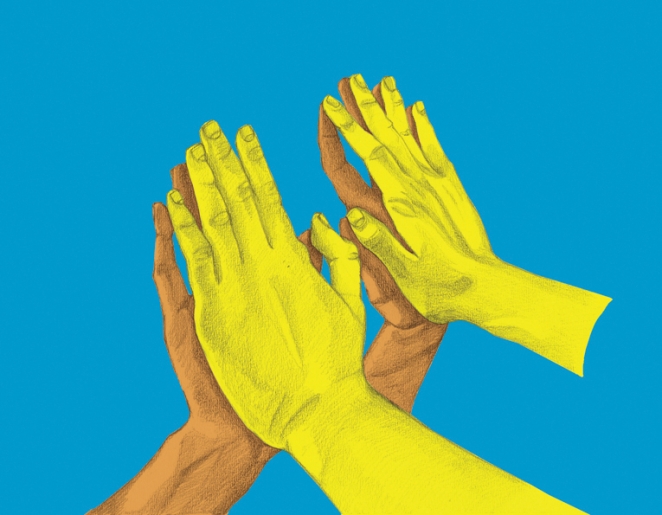
Leaders in the creative industry have a significant opportunity: to build workplaces that people love to be a part of, where creativity is not driven by pressure but by inspiration and support. It’s time to embrace a new kind of leadership—one that values emotional intelligence, champions well-being, and realizes that true creativity flourishes in an environment that cares for the people behind the ideas.
Creativity Thrives in Supportive Environments
The creative industry prides itself on pushing boundaries and thinking outside the box, yet it often falls short in doing the same for its people. As Jayne Noblet highlights, the industry must move away from traditional, pressure-filled norms and toward a culture that is truly supportive. Leaders play an essential role in this transformation. By promoting empathetic values, fostering flexible and understanding workplaces, and truly caring for their teams, they can create environments where mental wellness is nurtured, and creativity can truly thrive.