

There was a time when April Fools’ Day was an innocent little rascal. A day when newspapers ran harmless hoaxes about spaghetti trees, and brands unveiled imaginary products like flying cars and self-tying shoelaces. We all got a laugh, rolled our eyes, and went on with our day, slightly amused at our own gullibility.
Fast-forward to 2025. Trust is a scarce commodity, misinformation is a business model, and “fake news” isn’t just something your uncle grumbles about on Facebook—it’s an everyday hazard. So where does that leave our old friend April Fools? Is it still a cheeky annual tradition, or has it become a relic of a simpler, less cynical time?
The Joke's on Us
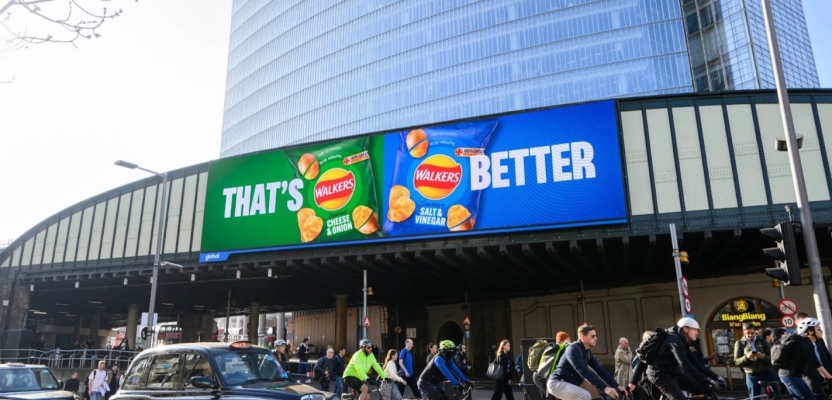
To explore what April Fools really means to adland, we only need to look as far as the campaigns that dropped this morning. For example, a campaign for Walkers by VCCP decided to pretend to swap the iconic green colour of the crisps Salt and Vinegar for the blue of Cheese and Onion, poking fun at a point of historical controversy that posits the brand first swapped the colours back in the mid-90s. It’s one of those “Mandela Effect” brain itches that many would have immediately seen as a gag just a few years ago.
But today we live in a hyper polarised society where even the most asinine pop cultural moment can be politicised beyond belief. Just look at the furore surrounding the recent, supposedly “too woke” Snow White film or the latest Assassin’s Creed game.
Unfortunately, the line between real and fake news has never been blurrier. We live in an era where actual headlines read like satire: “AI-generated Pope goes viral in Balenciaga puffer jacket”, “Man sues himself and wins”. Satirical publications like The Onion or Reductress often find their articles mistaken for fact. Even the most outlandish stories have a kernel of believability now.
So, when April 1 rolls around, do we even need it? Or are we all so desensitised to being duped that the punchline doesn’t land anymore?
The stakes have certainly changed. In the age of fake news, misinformation doesn’t just embarrass someone for believing in left-handed burgers. It can influence elections, crash economies, and upend public health. Against that backdrop, April Fools can feel... a little off-key.
Brands, Beware
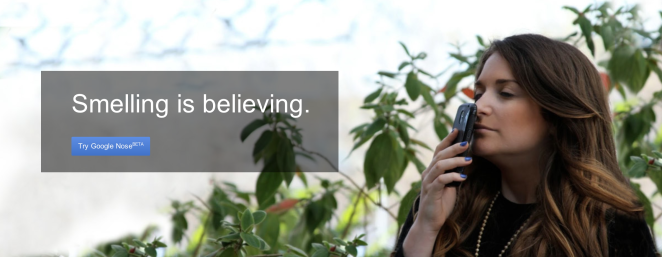
April Fools used to be a playground for brands. Big, playful campaigns that didn't take themselves too seriously. In 1996, Taco Bell “bought” the Liberty Bell. In 2013, Google launched “Google Nose,” offering users the ability to search for smells. These pranks were fun because they were obviously fake, and no one got hurt.
But today’s environment isn’t so forgiving. Trust is fragile, and brands are under scrutiny like never before. In 2021, Volkswagen’s ill-fated “Voltswagen” prank—claiming it was rebranding to focus on electric vehicles—backfired. Media outlets picked up the story as fact. Investors reacted. It wasn’t funny; it was misleading.
When the world is grappling with real existential threats, pretending to launch a fake product—or worse, pretending to solve a serious problem—can come off as tone-deaf. If your prank requires an asterisk and a two-page disclaimer, maybe it’s time to rethink the strategy.
The Trust Economy
In creative industries, trust is currency. People follow brands, influencers, and leaders because they believe them. Break that trust—even for a laugh—and the damage can be hard to repair.
The real challenge is context. The audience isn’t the same as it was twenty years ago. Consumers are savvier and more sceptical. They’ve been lied to enough. And while we all enjoy a clever twist or a playful campaign, nobody wants to feel like the punchline in someone else’s joke.
April Fools can still be fun, but it requires nuance. The joke shouldn’t be on the audience. It should be something they’re in on. When people feel complicit in the fun, they laugh. When they feel duped, they don’t.
Where April Fools Still Works
Despite the risks, April Fools isn’t dead. But it’s evolving. The best campaigns today are self-aware. They poke fun at the absurdities we all recognise, rather than inventing something to trick people.
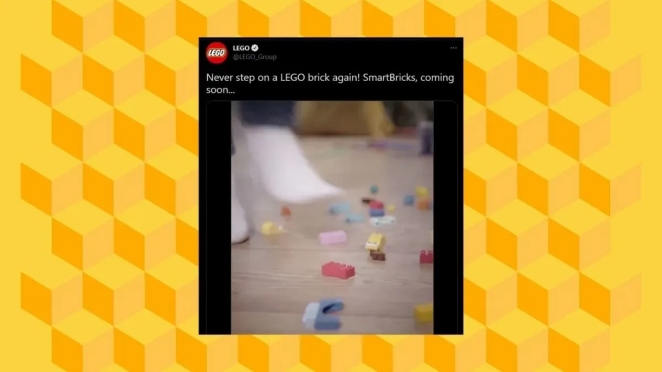
Take Lego’s “SmartBricks” announcement from a few years ago—a playful nod to the universal experience of stepping on Lego bricks. Or Duolingo’s “Rollercoaster of Language Fluency,” which turned the highs and lows of language learning into a literal amusement ride. These campaigns didn’t rely on fooling people. They worked because they tapped into shared experiences with a wink and a nudge.
There’s a difference between fooling people and playing with them. The best April Fools stunts these days focus on the latter.
Satire vs. Misinformation
One reason April Fools is tricky now is that we haven’t collectively agreed on where satire ends and misinformation begins. Satire has a point—it holds up a mirror to society, exaggerating our flaws to make us think (and hopefully laugh). Misinformation has an agenda—to confuse, deceive, or manipulate.
April Fools, at its best, has been closer to satire. But when brands or creators forget the line, it can slide into misinformation territory. And that’s where trust breaks.
So, how do we keep April Fools relevant? By making sure it’s clear that it is a joke. By making the point of the prank something that builds connection rather than undermines it. And by understanding that people are, frankly, tired of being lied to.
Why We Still Need It
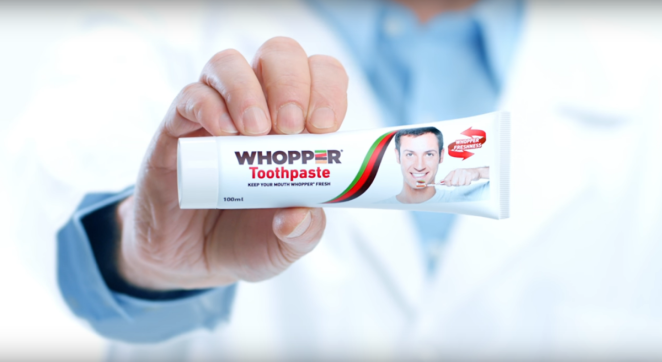
Even in a world drowning in fake news, maybe especially in a world drowning in fake news, we need moments of levity. Laughter disarms. It connects. It reminds us not to take everything so seriously.
April Fools isn’t just about tricks; it’s about surprise and joy. It’s a chance for creative teams to break the fourth wall, step out of their usual brand voice, and show they’re human. When done right, an April Fools campaign can spark delight and go viral for all the right reasons.
But “done right” means understanding the mood of the moment. A prank in 2025 needs to be sharper, kinder, and more self-aware than it was in 1995. It needs to land as comedy, not confusion.
The Future of April Fools
The question isn’t whether April Fools is still relevant. It’s whether we can make it relevant. And that challenge is tailor-made for creative people. April Fools pushes us to think about our audience’s mood, cultural context, and the difference between humour and harm.
In a world of misinformation, the key to keeping April Fools alive is clarity. Make it clear you’re joking. Make it clear you’re not exploiting anyone’s trust. And if you’re going to pull a prank, make sure it’s funny for everyone—because audiences today have seen enough hoaxes that aren’t.
In fact, maybe April Fools isn’t about “fooling” anyone at all anymore. Maybe it’s about giving people a reason to laugh with you, not at themselves.
And in times like these, isn’t that kind of creative honesty exactly what we need?