



For decades now, the narrative espoused by popular culture has always been “don’t trust the ad man.” Whether it’s chain-smoking misogynists or slimy corporate fat cats, advertisers have rarely been portrayed favourably. At the very least, there’s always a degree of scepticism attached because people fundamentally don’t like to know they’re being sold something. Or do they?
The latest Credos Trust Tracker recently found that trust in advertising among UK consumers has risen from 36% to 39% in just 12 months. Perhaps even more striking is that, since 2022, trust in advertising among 18-34-year-olds has surged by 16 percentage points.
Trust in advertising among 18-34-year-olds has surged by 16%
For those over 55, it’s crept up by just three. This data, released by the Advertising Association and underpinned by the work of the Advertising Standards Authority (ASA) underscores a significant generational gap and one that has important implications for creatives looking to reach Gen Z and young Millennials.
Of course, rising trust in advertising amongst youngsters bodes well for a healthier industry, greater consumer engagement, and a more dynamic market. It’s precisely these digitally native audiences who hold the key to the industry’s future—and who are demanding a fresh approach to advertising. Here’s what that means for creatives.
Embracing the ‘Generational Digital Divide’
An important factor in the new data is the ‘generational digital divide,’ as highlighted by Credos in its analysis. While older consumers tend to be more sceptical of online advertising, younger audiences—raised on social media, influencer content, and streaming platforms—are becoming more comfortable with the digital landscape.
For many Gen Z consumers, the online world is not an ‘alternative’ to TV or print, but their primary environment. They’re accustomed to sponsored content on TikTok, promotional stories on Instagram, and short pre-roll ads on YouTube.

Joey Everett
Whereas older demographics might reflexively distrust or find digital ads intrusive, Gen Z sees them as part of the overall experience—especially if they’re well-targeted, entertaining, and relevant.
For creatives, this means pivoting away from a one-size-fits-all mentality. Gen Z is quick to dismiss low-effort or inauthentic content but is just as quick to reward ads that show creativity, inclusivity, or make them laugh. Leaning into platform-specific content—such as ephemeral videos on TikTok or subtle, authentic brand integrations with influencers—can genuinely boost trust and engagement.
The Rise of the Responsible Advertiser
Another driver behind this uplift in trust is the ASA’s national ad campaign, which ran for eight weeks from early September 2024. According to their research, 36% of UK adults recalled seeing or hearing the ASA ads, and these individuals were more than twice as likely to trust the industry compared to those who hadn’t.
Among those who remember the ASA campaigns, 43% say they ‘tend to trust most ads.’ This aligns with a broader industry trend toward corporate accountability and transparent brand behaviour.
Over 60% of Gen Z would pay more for a product or service from a sustainable brand
Gen Z, in particular, is known to care deeply about social issues and the broader impact of corporate actions, from climate change to diversity and inclusion. According to a 2023 Deloitte survey, over 60% of Gen Z respondents said they’d pay more for a product or service if it came from a sustainable brand. This suggests that ethically informed strategies—coupled with greater transparency—can bolster trust with younger audiences.
For creatives, now is the time to step beyond purely commercial messages and incorporate values-based storytelling. Whether it’s showcasing eco-friendly initiatives or championing social causes in an authentic manner, weaving corporate responsibility into creative campaigns is no longer optional—it’s expected.
Humour Makes a Comeback
As highlighted by Dan Wilks, Director of Credos, part of the rise in consumer trust can be attributed to a strong festive ad season and an overall ‘more enjoyable advertising experience.’ Humour, notably, is back on the table after the more cautious, serious advertising approach many brands adopted through the COVID-19 pandemic.
While Gen Z is certainly passionate about social causes, they’re also the generation behind countless viral memes, comedic TikTok trends, and irreverent internet humour (see the ever-present Skibidi toilet for proof on that note).
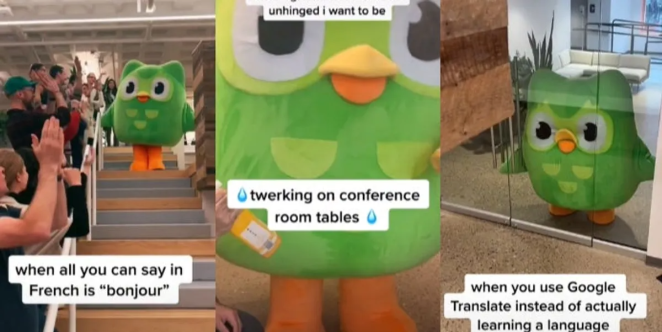
Brands that successfully tap into the offbeat sense of fun that characterizes much of Gen Z culture can reap significant rewards. Just look at the success of Duolingo’s playful TikTok presence or Ryanair’s comedic short videos, which have seen these brands go viral precisely because they’re unafraid to lean into humour and self-deprecation.
However, creatives should tread carefully: cringe-worthy attempts at ‘teen speak’ or forced meme references can come across as insincere. It takes a nuanced understanding of youth culture to deploy humour in a way that resonates. Collaborating with younger creative talent or well-aligned influencers can help ensure brand messaging feels natural, rather than contrived.
Influencers and BVOD Take Centre Stage
Credos’s qualitative research revealed that Gen Z trusts ads more if they have an improved ad experience. This includes channels like Broadcaster Video on Demand (BVOD) and influencer marketing, both of which have gained traction in 2024.
This makes sense: influencer content, when executed authentically, feels more like a personal recommendation than an interruptive sales pitch. Meanwhile, BVOD ads blend seamlessly into the on-demand viewing experience, offering a more premium, less intrusive model than some online alternatives.
Gen Z has a keen eye for ‘fake’ sponsorships
For creatives, the lesson here is twofold. Firstly, invest in producing high-quality, contextual ads for on-demand platforms, ensuring these ads feel congruent with surrounding content. Secondly, consider forging deeper partnerships with influencers who genuinely align with your brand.
These partnerships must be built on authenticity—Gen Z has a keen eye for ‘fake’ sponsorships and is quick to call them out. The right influencer can elevate brand storytelling and engender trust in ways that traditional ads sometimes can’t match.
Multi-Channel Storytelling and Seamless Integration
While TV and cinema remain the most trusted channels (43% trust rating in the recent tracker), it’s crucial to note that Gen Z doesn’t distinguish between online and offline experiences as starkly as older generations do.
This audience expects to see consistent narratives, visual identities, and brand values across multiple touchpoints—whether that’s a cinema spot, a social media post, or a sponsored influencer reel.

Creative teams should therefore think in terms of unified story arcs that can be adapted to various channels. A cohesive story told in bite-sized Instagram clips, 30-second TV spots, interactive TikTok challenges, or even real-world activations (like pop-up events) resonates more powerfully than standalone campaigns.
According to Google’s research, multi-channel campaigns can be up to 31% more effective at building brand recall than single-channel approaches.
Authenticity and Personalisation
Gen Z’s relative trust in advertising also reflects their desire for greater personalization. They’ve grown up in an era of algorithmic feeds, where content is curated to reflect individual tastes and preferences. Consequently, they tend to favour brands that use data insights to tailor ads to their interests—provided that privacy boundaries are respected.
As a creative, understanding how to leverage data ethically and transparently is key. Use insights to guide your storytelling: highlight products or services that you know will resonate with your audience’s demographics, psychographics, and online behaviours. But be upfront about how you collect and use information. Gen Z is far more likely to forgive (and even embrace) personalised marketing if they feel they’re in on the data transaction.
The Opportunity for Creatives
With trust on the rise and younger consumers open to embracing advertising in their digital spaces, a significant opportunity emerges. Creatives can lean into innovative storytelling techniques—be it augmented reality filters, user-generated content campaigns, or interactive brand experiences—that can’t always be replicated in traditional channels. Younger audiences want to be active participants in a brand’s narrative, not just passive onlookers.
Creatives can lean into innovative storytelling techniques
This shift in mindset is, in many ways, liberating for creatives: it encourages experimentation and a willingness to break the mould. Brands themselves are becoming more open to bold ideas—especially if these ideas signal authenticity, social conscience, or a self-aware sense of humour. Beyond just designing a billboard or a TV spot, creatives can now conceive entire ecosystems of engagement, from social challenges to influencer collaborations, that resonate with younger consumers at multiple levels.
Looking Ahead
Guy Parker, CEO of the ASA, has noted the organization’s commitment to an “even bigger and better burst of ASA ads later in 2025” to further reinforce trust.
Meanwhile, Stephen Woodford, CEO of the Advertising Association, underscores the importance of all stakeholders—brands, creatives, and media owners—working together to keep the positive momentum. If these efforts continue, we may well see the trust in advertising rise even further in the next few years, delivering fresh benefits to brands, media, and the wider economy.
For creative professionals, the key takeaway is that Gen Z’s growing trust is both an invitation and a challenge. On the one hand, there’s a golden opportunity to build meaningful relationships through relevant, authentic, and entertaining campaigns. On the other, the stakes are high: Gen Z audiences won’t hesitate to call out brands—or agencies—that miss the mark.

Kevin Mura
Ultimately, the data tells us that a new generation is driving trust in advertising forward. Creatives who can blend humour, authenticity, responsibility, and personalization across multiple channels stand to gain the most from this shift.
The future of advertising might look very different from the past—but for Gen Z, that’s precisely the point. And for those with the creative chops to adapt, this new landscape presents an exciting opportunity to shape the next era of advertising—one in which trust, innovation, and engagement go hand in hand.
In a world where trust is hard-won and easily lost, the message is clear: the future of advertising belongs to those who can earn it.