

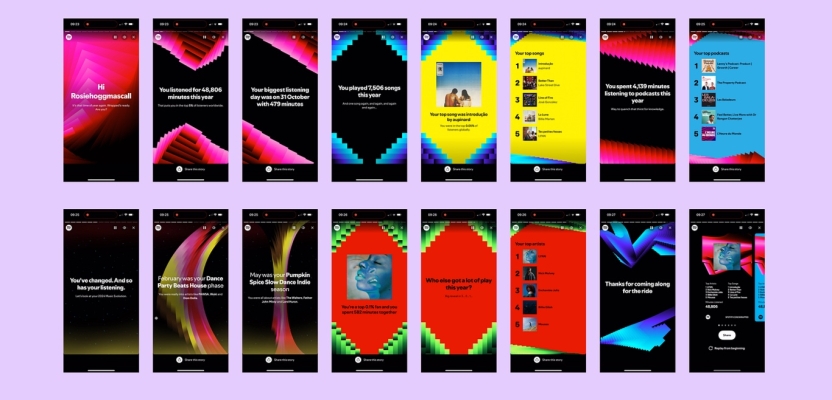

The best examples of social media campaigns don’t go viral by accident. From Spotify Wrapped and Dove Real Beauty Sketches to the ALS Ice Bucket Challenge, Old Spice, Barbie and Duolingo, the campaigns that last are built on behaviour, participation, timing and a painfully clear idea.
There’s a lazy way of talking about social media campaigns that makes everything sound like weather. A brand “goes viral”. A hashtag “takes off”. A TikTok “blows up”. The language is passive, as if successful social marketing simply happens to brands lucky enough to be standing in the right place when the internet decides to sneeze.
It’s a comforting idea, but it’s not especially useful.
The best examples of social media campaigns are rarely accidents. They might look effortless from the outside, and they often should, because nobody wants to see the strategy deck poking through the seams. But beneath the best social media advertising there’s almost always a sharp behavioural insight, a native understanding of the platform and a clear role for the audience to play.
That role matters. Social media changed marketing because it changed the audience from a group of passive recipients into participants, critics, remixers, collaborators and, occasionally, gleeful vandals. A campaign can’t simply say something and expect applause. It has to give people something to do, feel, share, argue with, laugh at or recognise in themselves.
That’s why good marketing campaigns on social media tend to survive beyond the first impression. They don’t just deliver a message. They create a small social behaviour around it.
What Makes the Best Social Media Campaigns Work?
Lively Green Strategic Brand Consultancy
The strongest social campaigns usually have four things in common.
First, they’re built around a human truth. That might be vanity, generosity, embarrassment, nostalgia, pride, insecurity, curiosity or the simple joy of showing off. Social media is a performance space, after all, and people share things partly because of what those things say about them.
Second, they understand the platform. A campaign built for TikTok shouldn’t feel like a chopped-up TV ad. A campaign built for LinkedIn shouldn’t behave like a meme account unless it’s got a very good reason. The idea has to respect the room it’s walking into.
Third, they’re simple on the surface. That doesn’t mean the strategy is simple. Usually, it means the opposite. The audience-facing idea has been stripped back until someone can understand it in two seconds while scrolling with one thumb and half an eye.
Finally, they give the audience a role. That role might be “make your own version”, “share your result”, “nominate a friend”, “join the joke”, “take a side”, “show your taste” or “support the cause”. But there’s always a reason for the audience to become part of the campaign rather than merely witness it.
Examples of Social Media Campaigns and Why They Worked
1. Dove Real Beauty Sketches
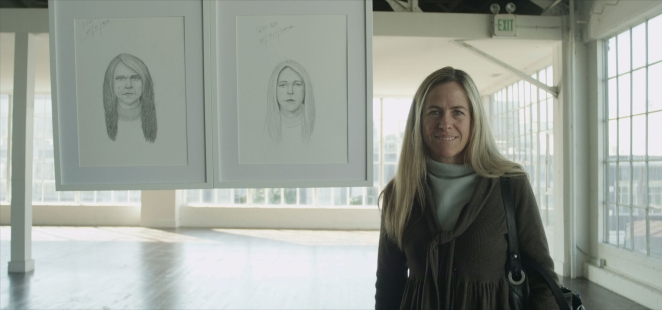
Dove’s Real Beauty Sketches remains one of the most discussed examples of social media campaigns because it understood something emotionally uncomfortable: many women describe themselves more harshly than others do. The execution was simple. A forensic artist drew women first from their own descriptions, then from descriptions given by strangers. The contrast did the work.
The film became one of the most viewed online video ads of its time, with Dove reporting more than 50 million views within 12 days and almost 180 million views to date. Its success wasn’t just about reach, though. It was about shareability with emotional purpose. People didn’t share it because Dove asked them to. They shared it because it gave them a way to talk about self-perception, insecurity and beauty without having to start that conversation cold.
The lesson: emotional campaigns work best when the format proves the point rather than simply stating it.
2. Spotify Wrapped
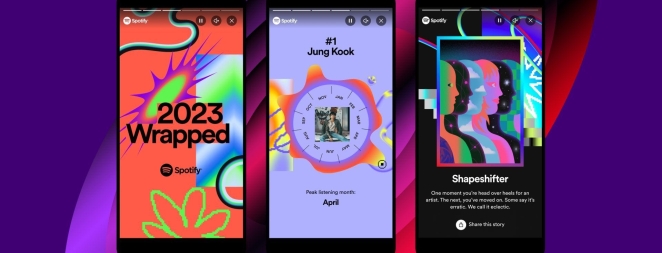
Spotify Wrapped is probably the cleanest modern example of data turned into identity. On paper, it’s an annual summary of what people listened to. In practice, it’s a ritual of self-presentation.
Wrapped works because it gives users something intensely personal but socially safe to share. Nobody needs to explain why their top artist matters. The graphic does it for them. Spotify describes Wrapped as its annual thank you to users, artists, creators and authors, celebrating the music, podcasts and audiobooks that soundtracked the year. The 2025 version also leaned into a dedicated Wrapped feed, personalised data stories, editorial playlists and artist messages, showing how the idea has evolved from a year-end feature into a full platform moment.
The lesson: the best data-driven social media marketing doesn’t feel like analytics. It feels like autobiography.
3. Nike You Can’t Stop Us
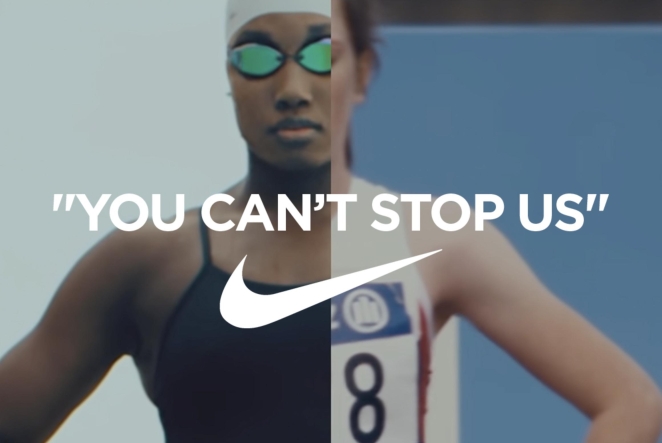
Nike’s You Can’t Stop Us campaign worked because it didn’t try to reinvent Nike. It distilled Nike. The famous split-screen film was technically impressive, but the social power came from the clarity of the brand belief behind it: resilience, movement, collective momentum.
It arrived at a moment when audiences were primed for messages about endurance and togetherness, but it didn’t drift into vague uplift. The edit had craft, pace and purpose. More importantly, it travelled well across social because the central idea could be understood without a lengthy explanation.
The lesson: social campaigns don’t always need participation mechanics. Sometimes a brand with a clear enough worldview can create shareability through belief.
4. ALS Ice Bucket Challenge
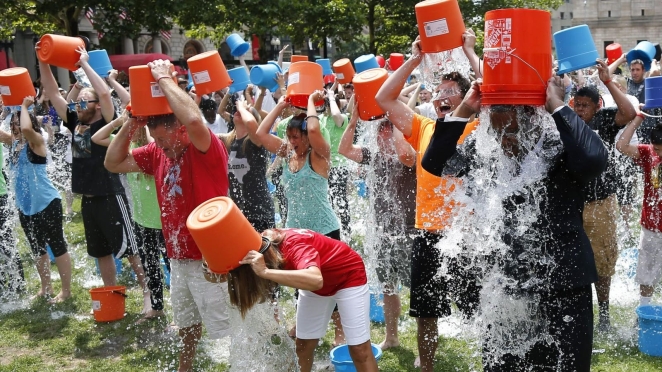
The ALS Ice Bucket Challenge is still the great case study in viral mechanics. It had a physical action, a public nomination, a deadline, a cause and just enough discomfort to make the video worth watching. You didn’t simply donate. You performed the act, tagged others and passed the challenge on.
According to the ALS Association, more than 17 million people took part and the challenge raised $115 million for the organisation, supporting research and care for people living with ALS. That’s the part many copycat campaigns miss. The Ice Bucket Challenge wasn’t just “user-generated content”. It was a self-replicating structure.
The lesson: participation spreads faster when the next action is built into the format.
5. Burger King Moldy Whopper
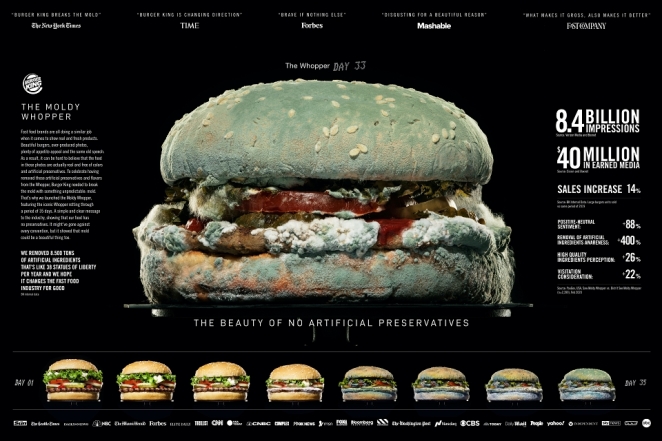
Burger King’s Moldy Whopper campaign is one of those ideas that sounds like it should have died in a meeting. Showing a burger decaying over time is not the obvious way to sell lunch. But that was the point. In a category obsessed with appetite appeal, Burger King chose disgust to dramatise the removal of artificial preservatives.
The campaign worked socially because it broke the visual rules of fast food. It made people stop, recoil, argue and share. It also had a clear strategic reason for being unpleasant. This wasn’t shock for shock’s sake. It was provocation tied directly to product truth.
The lesson: discomfort can be powerful when it sharpens the message rather than distracting from it.
6. Chipotle #GuacDance
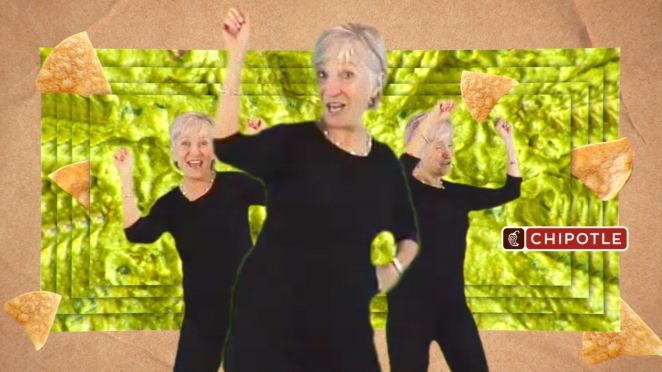
Chipotle’s #GuacDance is a strong example of a brand understanding TikTok before every brand decided it needed to “do TikTok”. The idea was simple: invite users to celebrate guacamole through a dance challenge tied to National Avocado Day.
The campaign became TikTok’s highest-performing branded challenge in the US at the time, and Chipotle served more than 800,000 sides of guacamole on National Avocado Day. The clever bit wasn’t the hashtag itself. It was the fit between behaviour, platform and product. TikTok already rewarded imitation, sound-led participation and low-barrier performance. Chipotle gave that behaviour a branded excuse.
The lesson: don’t invent behaviour if the platform already has one you can credibly join.
7. Old Spice Responses
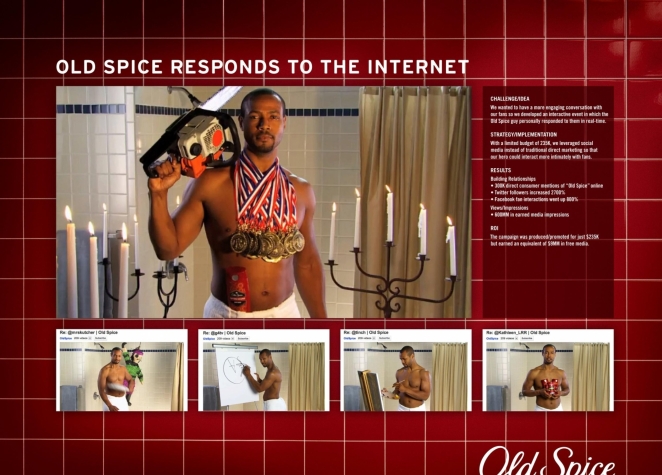
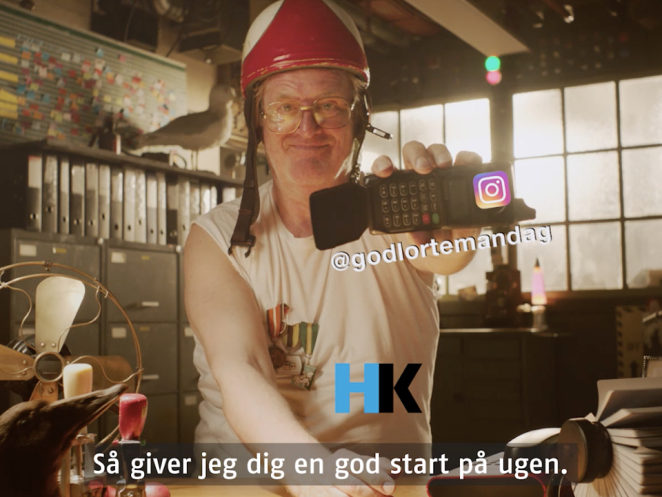
Old Spice’s “The Man Your Man Could Smell Like” began as a brilliant film campaign, but its real social masterstroke came when the brand started responding to fans, celebrities and internet comments with personalised video replies. The Old Spice Guy personally responded to messages and comments across social media through video messages on YouTube.
That changed the relationship between brand and audience. Old Spice wasn’t just broadcasting a joke. It was performing in real time, letting the audience shape the next wave of content. Wieden+Kennedy later noted that the campaign helped drive a major commercial uplift, with Old Spice Red Zone Body Wash sales up 60% by May 2010 and doubled by July.
The lesson: responsiveness can be a creative format, not just a community management function.
8. Always #LikeAGirl
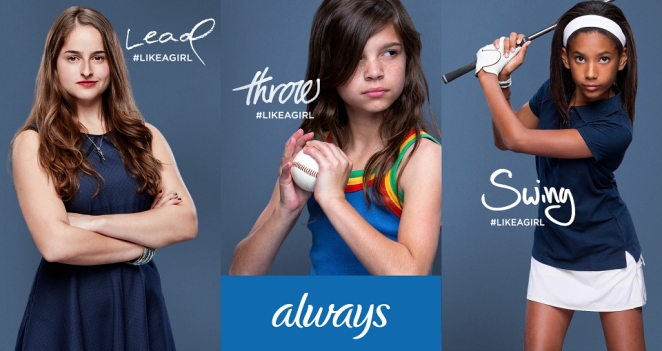
Always #LikeAGirl took a common insult and reframed it as a statement of confidence. The campaign asked what it meant to run, throw or fight “like a girl”, then exposed the difference between how older participants performed the phrase and how young girls understood it.
It became a major social and cultural campaign, with more than 90 million views, over 1,100 earned media placements and more than 4.4 billion media impressions in the first three months. It worked because the brand didn’t simply attach itself to empowerment. It found a linguistic habit and challenged people to reconsider it.
The lesson: purpose-led social works when the campaign gives people a useful new way to talk about an old problem.
9. Barbie Selfie Generator
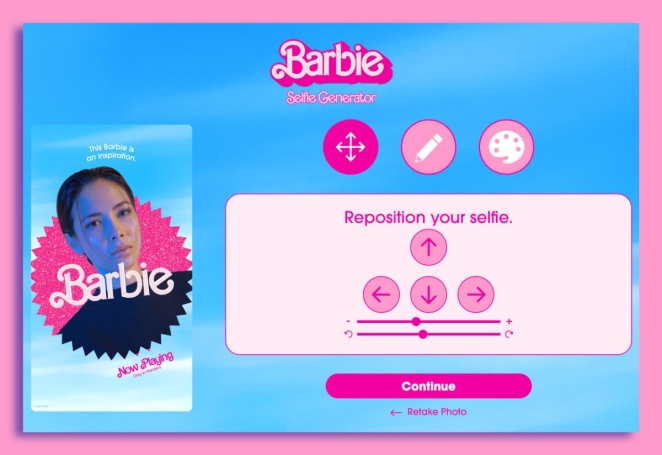
The Barbie movie’s marketing machine was enormous, but the Barbie Selfie Generator deserves its own place in the social media hall of fame. It let people insert themselves into the visual language of the film’s character posters, creating instantly shareable personalised assets.
The tool had 13 million users, with its spread driven largely by people sharing their generated posters on social media. It worked because it converted fandom into identity play. The audience didn’t just watch the campaign. They became part of Barbie Land.
The lesson: when a campaign has a strong visual system, let the audience borrow it.
10. Duolingo on TikTok
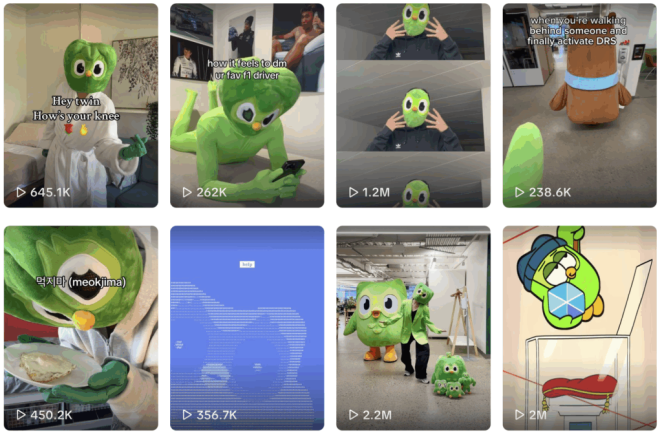
Duolingo’s TikTok presence is less a single campaign than a sustained act of brand character. The green owl became chaotic, obsessive, funny and strangely lovable, behaving less like a corporate mascot and more like a terminally online gremlin with language-learning software to sell.
In 2023, Zaria Parvez helped transform the owl into a social media favourite with 8.2 million followers. What’s instructive here is the level of trust required. Duolingo’s success depends on speed, tone and a willingness to look ridiculous in public. That’s difficult to achieve through six approval layers and a brand safety panic every Tuesday.
The lesson: social tone of voice isn’t a document. It’s a behaviour repeated consistently.
11. Wendy’s Twitter Roasts
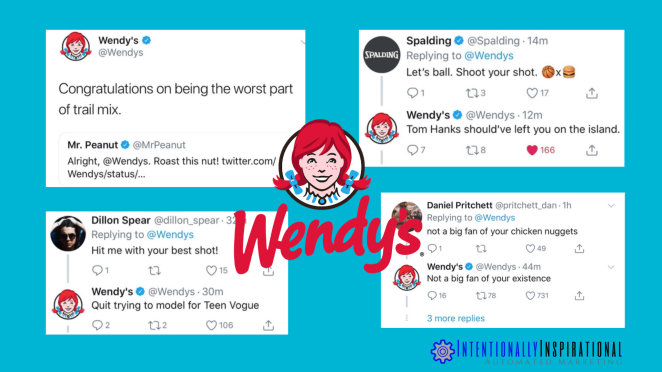
Wendy’s became famous on Twitter by doing what most brands are terrified of doing: sounding like it had a pulse. Its roast-style replies, competitive jabs and deadpan humour helped shape the era of “brand banter”, for better and occasionally for worse.
The important point is that Wendy’s tone fitted the product category and the platform. Fast food is competitive, low-stakes and culturally fluent. Twitter, at its best, rewarded speed, wit and public sparring. Wendy’s found the overlap.
The lesson: humour works when the brand has permission to use it and the platform rewards the style.
12. Ocean Spray and the Cranberry Dreams TikTok
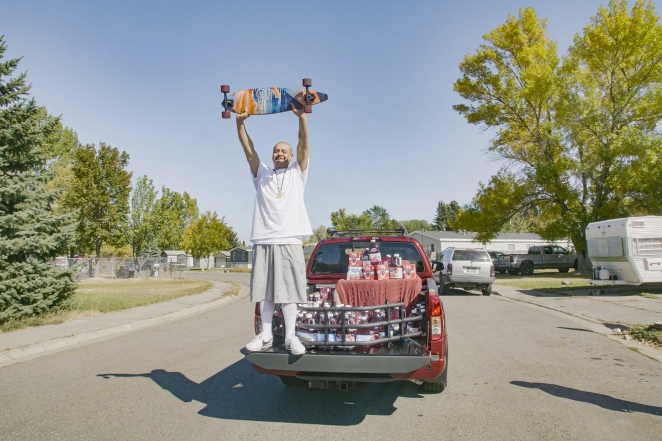
Not every great social media campaign starts inside a marketing department. In 2020, Nathan Apodaca posted a TikTok of himself skateboarding, drinking Ocean Spray Cran-Raspberry and listening to Fleetwood Mac’s “Dreams”. The video became a cultural moment. Ocean Spray responded well, gifting him a truck and embracing the sudden wave of attention.
The brand didn’t over-engineer the moment. It recognised it, rewarded it and let the internet keep enjoying it. That restraint mattered. A heavier brand response could easily have killed the charm.
The lesson: sometimes the best social strategy is knowing when to amplify rather than interfere.
13. McDonald’s My Burger

McDonald’s My Burger invited people to design their own burgers, share them and gather votes. It’s a classic example of participation with a tangible outcome. The winning ideas didn’t just get a badge or a repost. They had the chance to become real products.
That’s a much stronger mechanic than “send us your ideas” because it gives the audience a genuine stake. It also turns product development into a social experience. People can campaign for their own creations, compare ideas and feel a sense of ownership.
The lesson: co-creation becomes more powerful when the audience can see a real-world result.
14. Cadbury Wispa Gold Hazelnut “A New Type of Gold”
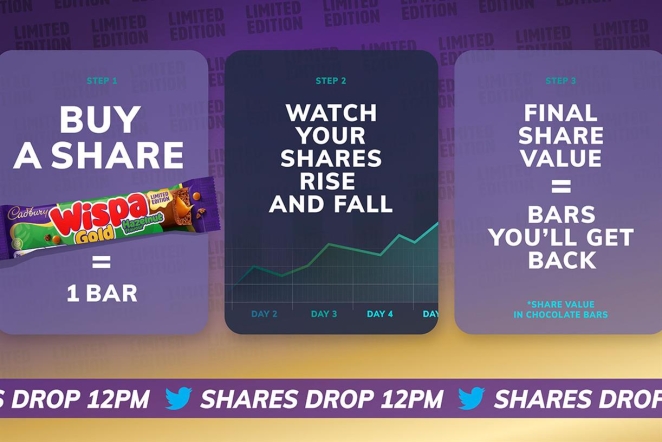
VCCP’s Wispa Gold Hazelnut campaign turned Twitter engagement into a fictional trading market. People could “buy” shares in the chocolate bar using a hashtag, with the value fluctuating according to engagement.
It’s a beautifully silly idea, but the silliness is doing strategic work. It turns a product launch into a game, gives people a reason to post and makes the campaign native to a platform built around live conversation. It doesn’t ask audiences to admire a chocolate bar. It gives them a small absurd system to play with.
The lesson: game mechanics can make low-interest categories feel socially alive.
15. Durex Fit Matters
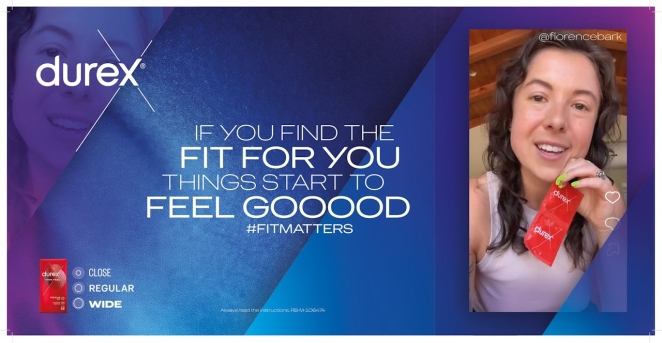
Durex’s Fit Matters campaign tackled a subject many brands would handle badly or avoid altogether: condom fit. The strategic move was to work with creators who had the credibility and tone to make the conversation feel less awkward.
That’s where creator-led social earns its keep. The creators weren’t just distribution channels. They were translators. They helped turn a private, potentially embarrassing topic into something discussable.
The lesson: creators are most valuable when they change the permission level of a conversation.
16. The Big Issue Raising Profiles
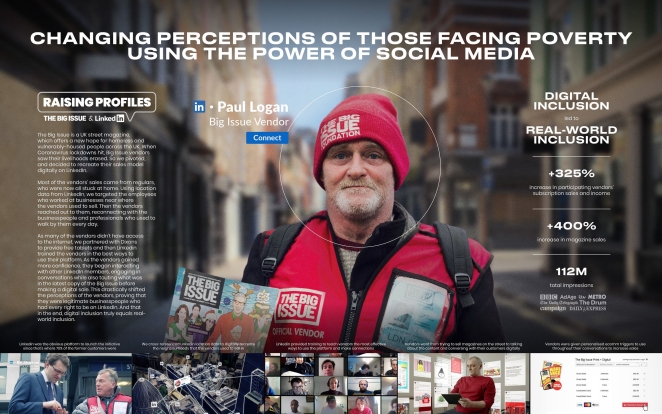
Raising Profiles, created for The Big Issue with LinkedIn, responded to a very real problem. During lockdown, vendors couldn’t sell on the streets. The campaign by FCB London helped recreate some of that vendor-customer connection digitally by using LinkedIn profiles to increase visibility and local support.
It’s a reminder that some of the best social media campaigns are closer to service design than advertising. The campaign didn’t simply raise awareness of hardship. It created a practical mechanism for connection.
The lesson: purpose is stronger when the campaign format actively helps solve the problem.
17. Kinder Bueno “Adulting”
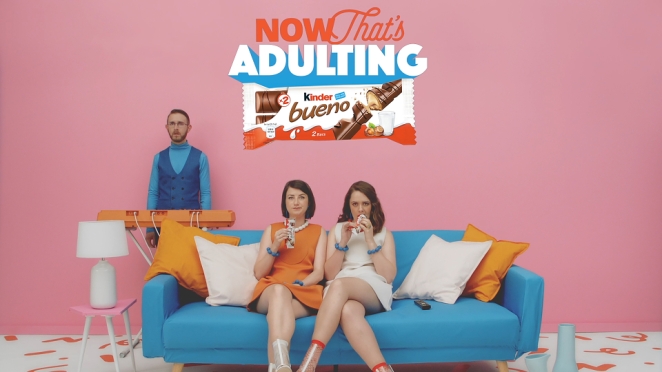
Kinder Bueno’s adulting campaign worked because it found a light, recognisable emotional territory. Rather than making a grand claim, it tapped into the small absurdities and minor victories of being a grown-up: doing the washing, replying to emails, making appointments, surviving another week of life admin.
That kind of social territory is useful because it gives people easy recognition. The campaign doesn’t need to be profound. It just needs to make the audience think, “Annoyingly, yes.”
The lesson: not every social insight needs to be deep. Sometimes it just needs to be true. Also, Brett Domino is always funny.
18. The Most Famous Griller in Peru
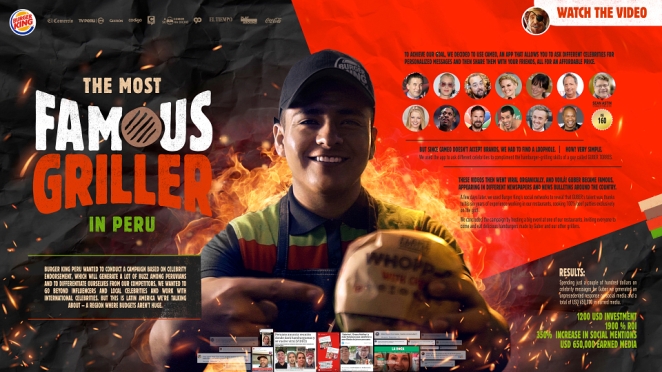
McCann Lima’s The Most Famous Griller in Peru is a neat example of cultural shortcutting. Rather than relying on a global celebrity or enormous media spend, the campaign found a locally relevant way to generate fame and conversation around grilling.
This is the kind of work that often gets overlooked in global lists because it doesn’t always have the same international recognition as Nike or Spotify. But it shows something important: social effectiveness depends on relevance, not just scale.
The lesson: local cultural fluency can beat generic global polish.
19. KFC Soundbite Table
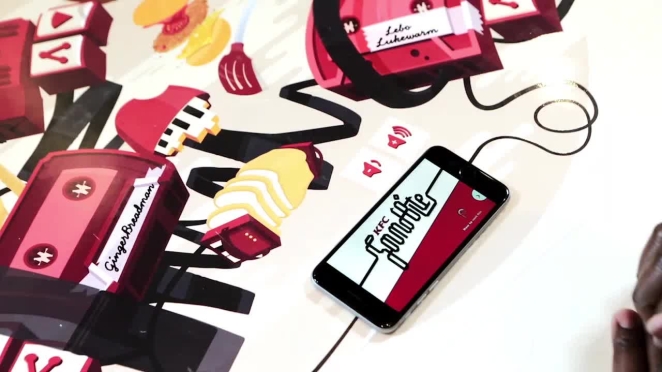
KFC Soundbite Table shows how a social idea can begin away from the feed. By turning a physical table into an interactive experience, the campaign created something people could record, share and talk about.
That’s the value of experiential-social hybrids. The real-world object or event gives the content a reason to exist. People aren’t being asked to share an ad. They’re sharing a strange, funny or novel experience.
The lesson: social media doesn’t have to start on social media. Often, it works better when it doesn’t.
20. MTV #LetsTalkColour
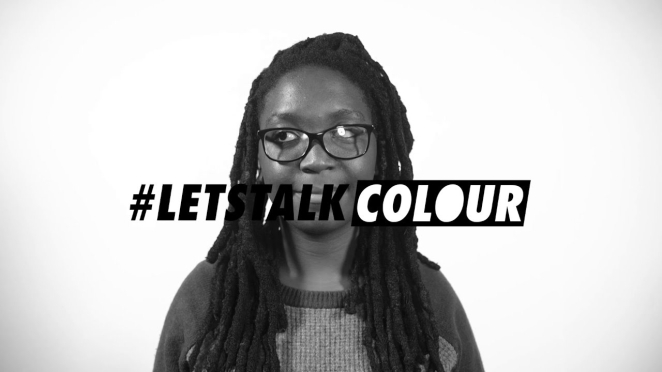
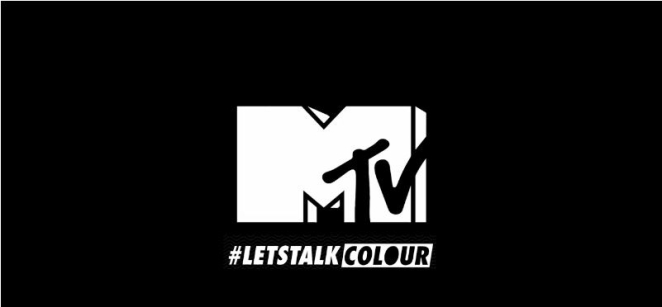
MTV #LetsTalkColour used the absence of colour to provoke conversation around racism. It’s a strong example of using a visual device to make a social issue feel immediate.
The reason it belongs in a list of successful marketing campaigns on social media is that the creative idea and the subject were tightly linked. The format wasn’t decorative. It carried the argument.
The lesson: visual restraint can be more powerful than visual noise when the idea is clear enough.
The Main Social Media Marketing Types Used in These Campaigns
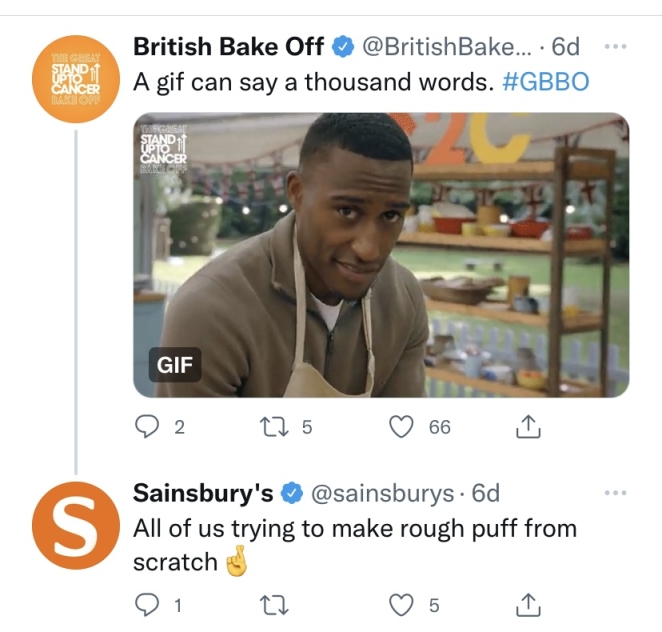
Ogilvy UK
Looking across these examples, a few social media marketing types appear again and again.
Participation-led campaigns
These are campaigns built around action. The ALS Ice Bucket Challenge, Chipotle #GuacDance, McDonald’s My Burger, Barbie Selfie Generator and Gymshark 66 all give people something to do. The campaign spreads because the audience becomes the media.
Data-driven campaigns
Spotify Wrapped is the obvious one here, but the principle applies more broadly. Data becomes powerful when it’s turned into something human. Numbers alone rarely travel. Identity does.
Creator-led campaigns
Durex Fit Matters and many modern TikTok campaigns show why creators matter. They bring tone, trust and cultural fluency. Used badly, they’re paid reach. Used well, they’re permission.
Purpose-led campaigns
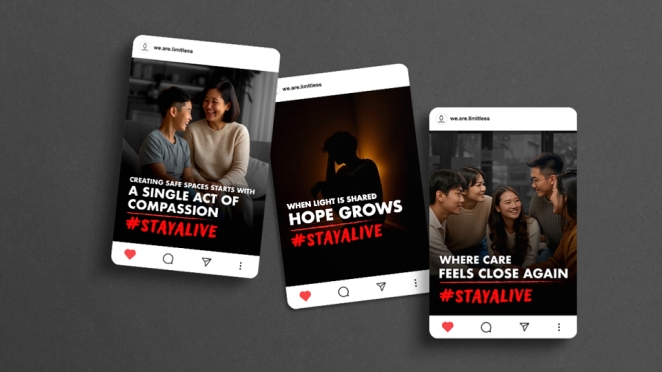
Dove, Always, Airbnb, The Big Issue and MTV all sit in this territory. The danger with purpose-led social is that audiences are quick to spot empty virtue. The strongest examples connect message, mechanism and brand behaviour.
Entertainment-led campaigns
Old Spice, Wendy’s, Ryanair, Duolingo and Burger King all prove that entertainment is still one of the most effective social strategies when it’s rooted in a distinctive brand voice.
Experiential-social hybrids
KFC Soundbite Table and Barbie’s broader campaign ecosystem show how social can extend physical or interactive experiences. The experience creates the content, and the content spreads the experience.
Why Do Some Social Media Campaigns Go Viral?
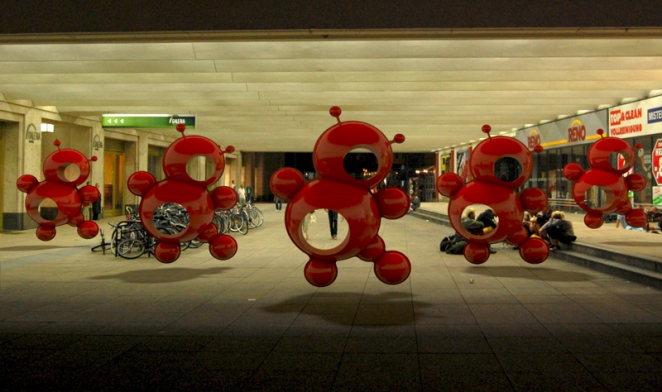
Elisa Schillaci
Virality is often described as if it’s a mysterious blessing from the algorithmic gods. In reality, most viral campaigns have at least one of five qualities.
They’re easy to understand. They’re easy to copy. They make the sharer look good, funny, generous, clever or culturally aware. They arrive at the right moment. And they have enough emotional charge to make people do something.
That doesn’t mean every good campaign needs to go viral. Plenty of effective social media campaigns work because they reach the right people, not because they reach everyone. A B2B LinkedIn campaign that generates 200 serious conversations may be more valuable than a TikTok that gets five million views and no commercial movement.
The real question isn’t “did it go viral?” It’s “did the campaign create the behaviour it was designed to create?”
How Marketing Campaigns on Social Media Are Structured for Success
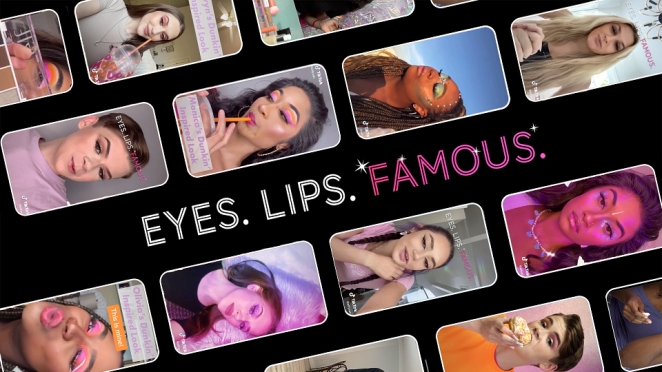
Movers+Shakers
Most successful campaigns move through four broad stages.
Introduction
The campaign needs to enter the culture through the right door. That might mean launching with creators, communities, employees, fans, customers or a specific media moment. The first audience matters because they set the tone for everyone else.
Amplification
Paid, owned and earned activity then work together. Paid media can buy visibility, but it can’t buy affection. Owned channels can provide consistency, but they rarely create scale alone. Earned media can multiply attention, but only when the idea has enough substance to deserve coverage.
Participation
This is where the audience starts shaping the campaign. They submit, remix, duet, comment, challenge, parody, vote, personalise or simply share. The brand needs enough control to protect the idea and enough humility to let people play with it.
Sustainance
This is the bit many brands forget. A campaign launches, spikes and disappears. Better campaigns evolve. Spotify Wrapped returns annually. Duolingo’s TikTok presence compounds through character consistency. Gymshark 66 builds around a repeatable community ritual. Sustainability doesn’t always mean running forever, but it does mean thinking beyond launch week.
What Mistakes Make Social Media Campaigns Fail?
The PHA Group
The most common mistake is treating social as a distribution channel rather than a creative environment. A TV ad cut into square, vertical and six-second versions isn’t automatically a social campaign. It’s often just an asset in the wrong clothes.
The second mistake is trend-chasing. Trends can be useful, but only when the brand has a natural reason to be there. Otherwise, the work looks like someone in a Monday meeting said, “Can we do something with that meme?”
The third is asking too much of the audience. Brands often want people to watch, like, share, tag, create, submit, sign up and buy, all in one breath. Strong campaigns tend to make the next action obvious and low-friction.
The fourth is sanding away all the risk. Social media rewards personality, but personality requires edges. If every line has been softened until nobody could possibly object, there’s a decent chance nobody will care either.
How Small Brands Can Learn from the Best Social Media Campaigns
Jukin Media
Small brands shouldn’t look at Nike, Spotify or Barbie and think the lesson is “spend more money”. That’s not especially helpful unless someone has recently discovered a suitcase full of media budget under the office sofa.
The more useful lessons are scalable.
Pick one behaviour. Do you want people to share a result, recommend a friend, show progress, vote, visit, comment, remix or buy? Build around that.
Use the platform properly. Don’t make TikTok behave like a press release. Don’t make LinkedIn behave like a nightclub. Understand what people are already doing there.
Give people a reason to care. That reason might be useful, funny, emotional, practical or identity-driven. “We’ve launched a campaign” is not a reason.
Keep the idea simple. If someone needs a paragraph to understand how to participate, the campaign is probably too complicated.
And finally, respond. Social media is not a poster site. If people engage with the idea, the brand should be ready to engage back.
How Creativepool Can Help You Build a Better Social Media Campaign
Zara Ozard
Studying the best examples of social media campaigns is useful, but eventually every brand faces the same awkward question: who is actually going to make the thing?
That’s where Creativepool can be a genuinely useful next step. A successful social campaign rarely comes from one discipline working alone. It might need a strategist to sharpen the behavioural insight, a copywriter to find the line, a social team to understand the platform, a designer or motion team to make it travel, a creator strategy specialist to build participation, and a production partner to make the whole thing feel effortless rather than over-engineered.
For brands looking to find that mix, Creativepool’s company directory offers a way to discover agencies, studios and creative businesses with proven experience across social media marketing, campaign strategy, content, branding, production, influencer work and digital activation. That matters because the best social media advertising doesn’t usually begin with “we need some posts”. It begins with a sharper question: what behaviour are we trying to create?
A brand planning a participation-led campaign may need an agency that understands TikTok mechanics, creator culture and community management. A business trying to build a more distinctive social voice may need a copywriter, social strategist or creative team that can develop a tone of voice with enough edge to be remembered. A company launching a product may need campaign thinking, paid social assets, short-form video, performance creative and a measurement framework that links social attention to commercial outcomes.
Creativepool can also help smaller brands access freelance creative talent without needing to build a full in-house team from day one. That’s particularly useful for businesses that have taken inspiration from campaigns like Spotify Wrapped, Duolingo or Barbie, but need a more realistic version of that thinking for their own scale, audience and budget. The lesson from great social campaigns isn’t “spend like Nike”. It’s to find the right idea, the right platform behaviour and the right creative people to bring it to life.
For agencies and creative teams, meanwhile, Creativepool provides a place to showcase social work, campaign results, case studies and specialist expertise. A strong Creativepool profile can help make that capability visible to brands looking for partners who understand modern social culture, rather than simply offering content production by the square tile.
There’s also value in browsing Creativepool Awards and the wider Creativepool network for inspiration. Award-winning work, agency case studies and standout portfolios can help marketers see what strong creative thinking looks like in practice, whether the challenge is participation, purpose, humour, creator-led storytelling or social-first brand building.
Because the real lesson from the best social media campaigns is that social success isn’t just about posting more often. It’s about understanding what people already want to do, then giving that behaviour a clearer, funnier, more useful or more emotional shape. Creativepool helps brands find the people and companies who can do exactly that.
How to Measure a Social Media Campaign Properly
Ogilvy South Africa
Measurement should begin before the campaign goes live. Otherwise, metrics become decoration.
Reach and impressions tell you whether people had the opportunity to see the work. Engagement tells you whether they interacted with it. Sentiment tells you something about the quality of that interaction. Conversion tells you whether people acted. Brand lift, search behaviour and share of voice can help show longer-term effects.
The right mix depends on the objective. A campaign built for donations should be judged differently from a campaign built for fame. A recruitment campaign shouldn’t use the same scorecard as a product launch. A purpose-led campaign shouldn’t hide behind impressions if the response is cynical or confused.
Good measurement asks: did the campaign reach the right people, create the intended behaviour and leave the brand stronger than it found it?
The Real Strategy Behind the Best Social Media Campaigns
YeahNice
The best examples of social media campaigns don’t feel like content calendars. They feel like ideas with social energy.
That energy can come from emotion, as with Dove. It can come from identity, as with Spotify Wrapped. It can come from participation, as with the ALS Ice Bucket Challenge. It can come from humour, as with Old Spice, Wendy’s or Duolingo. It can come from utility, as with Raising Profiles. It can come from giving people a tool, as Barbie did with its Selfie Generator.
What all of these campaigns share is a refusal to treat the audience as an afterthought.
That’s the real strategy of social media marketing. It’s not just posting more often, chasing every trend or shouting across more platforms. It’s understanding what people already do, what they might want to do next, and how a brand can give that behaviour a sharper, funnier, more useful or more meaningful shape.
Because social media marketing isn’t really about content.
It’s about connection.
And when connection is built properly, it tends to travel.