


Youth culture has always been the heartbeat of what’s next—raw, unpredictable, and fiercely authentic. Brands know this, and they’re obsessed with it. But in their rush to stay relevant, many cross a line: they don’t just engage with culture—they exploit it.
The result is a paradox that undermines their own efforts. As soon as a brand captures a piece of youth culture, it risks killing the very thing that made it valuable.
This article explores how that chase for cultural currency is accelerating, how young people are resisting it, and what brands must do if they want to be part of the conversation without destroying it.
The Fundamental Paradox

Ricardo Coelho
In the relentless pursuit of cultural relevance, brands have long sought to tap into the zeitgeist of youth culture. Yet, as James Kirkham, Founder of ICONIC, astutely observes:
“The fundamental paradox facing brands chasing youth culture is that the moment they successfully capture it, they begin destroying it. Genuine cultural movements emerge precisely because they exist outside commercial spaces.”
This paradox underscores a critical tension: the very act of commodifying youth culture can strip it of the authenticity that made it appealing in the first place.
The Acceleration of Cultural Commodification
Historically, the journey from subculture to mainstream commercialisation spanned years, allowing organic growth and evolution. Today, this timeline has collapsed to mere weeks. Kirkham highlights this shift:
“The collapsing timeline between cultural emergence and commercial exploitation has changed things. What once took years now happens in weeks, creating a relentless cycle where authenticity is commodified almost instantaneously.”
This rapid commodification pressures brands to remain relevant, often leading them to appropriate emerging trends prematurely, risking the erosion of the very authenticity they seek to harness.
The Rise of Anti-Commercial Aesthetics

In response to this swift commercialisation, youth communities are crafting deliberate anti-commercial aesthetics and migrating to platforms designed to be elusive to marketers. Kirkham notes:
“This acceleration has created a new dynamic where young people develop deliberate anti-commercial aesthetics and platforms specifically designed to be temporarily unintelligible to marketing departments.”
This intentional obfuscation serves as a protective mechanism, preserving the sanctity of youth-driven spaces from corporate intrusion.
The Pitfalls of Superficial Engagement
Legacy brands, often caught off guard by the rapid pace of cultural shifts, may resort to surface-level engagements in their quest for relevance. Jake Sims-Fielding, Executive Creative Director at Proud Robinson + Partners, critiques this approach:
“Caught off guard by the pace of culture, many legacy brands feel compelled to dive into the rat race for relevance. Sold on a sea of surface-level ‘youth’ insights, the outcome is most often akin to a marketing dad dance—at best unnoticed, at worst excruciating.”
Such missteps not only alienate the target audience but can also damage brand credibility.
Authentic Value Beyond Products

Farah Darwich
To genuinely resonate with younger demographics, brands must introspect and redefine their value propositions. Sims-Fielding advises:
“By re-engaging with, or re-establishing, their distinct view on the world, brands can evaluate their potential to add value beyond pure product. Looking at this value through the lens of the enduring drivers of human behaviour (Gen Z and Gen Alpha are humans btw) and the evolving meanings of the modern cultural landscape.”
This perspective encourages brands to align with deeper human values and cultural narratives rather than transient trends.
Earning Cultural Credibility
Cultural credibility isn't a commodity that can be purchased; it must be earned through consistent and genuine engagement. Youth-marketing strategist and trend analyst Gregg L. Witt emphasises:
“Youth relevance isn’t for sale; brands must earn their place, not buy it.”
This earning process involves understanding and integrating into the cultural fabric without overtly commercialising it.
Case Studies: Successful Cultural Integration
Several brands have adeptly navigated the complex terrain of cultural integration:
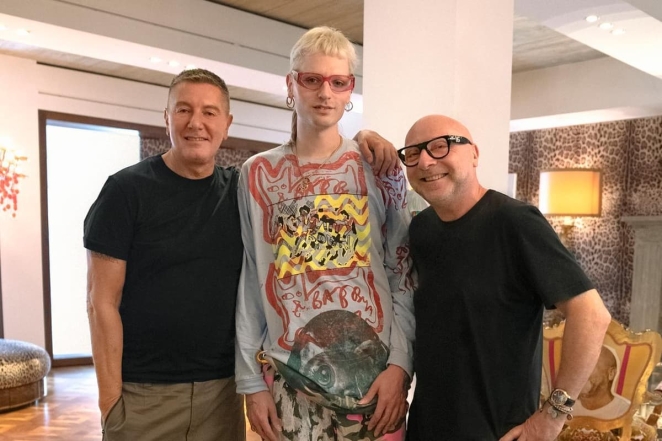
- Dolce & Gabbana and Matty Bovan: By supporting emerging designer Matty Bovan during Milan Fashion Week, Dolce & Gabbana provided resources and expertise without overshadowing Bovan's creative vision. This collaboration exemplifies how established brands can uplift new talent, fostering mutual growth and cultural relevance.
- Tommy Hilfiger and Sports Banger: Embracing the bootlegging trend, Tommy Hilfiger collaborated with British creative Jonny Banger. Hilfiger remarked:
“Creative collaboration sparks so much fresh energy—in myself, the brand, and our global community.”
This partnership showcases a brand's ability to engage with grassroots movements authentically.
- Gucci's Cultural Curation: Gucci has transformed into a cultural curator, collaborating with external creatives and featuring products from other brands. This strategy positions Gucci within a broader cultural context, resonating with consumers seeking shared values and holistic experiences.
Strategies for Genuine Engagement
To authentically engage with youth culture, brands should consider the following strategies:
- Amplify, Don't Appropriate: Support cultural movements by providing platforms and resources without attempting to control the narrative. Authenticity thrives when brands act as facilitators rather than proprietors.
- Invest in Cultural Equity: Engage in initiatives that promote diversity, inclusion, and social justice. By aligning with causes that matter to young audiences, brands can build genuine connections.
- Foster Community Autonomy: Create spaces where communities can express themselves without excessive brand interference. This approach respects the organic nature of cultural movements.
- Prioritise Long-Term Relationships: Instead of seeking immediate returns, focus on building enduring relationships with cultural communities, demonstrating a genuine commitment to their values and aspirations.
Conclusion
In the dynamic interplay between brands and youth culture, the pursuit of authenticity is paramount. By shifting from a mindset of exploitation to one of collaboration and support, brands can navigate the cultural landscape with integrity. As Kirkham summarises:
“The only brands successfully navigating this landscape are those willing to support culture without controlling it. Amplifying youth voices, not talking over them. Providing resources, spaces, and platforms with minimal branding and maximum community autonomy.”