


In a media landscape flooded with ads, messages and noise, simply shouting about a product is no longer enough when it comes to branded content.
This article shows how creating thoughtful branded content can break through the clutter, using brand storytelling to deliver value, emotion and connection rather than a hard sell.
By applying a clear branded content strategy and drawing on the power of storytelling, brands can produce content that audiences actually want to watch: whether it's a short film, a documentary-style video, an insightful blog, or a striking social-first campaign. With the right narrative, content becomes a meaningful expression of brand values, identity and voice that resonates long after a click.
Give the People What They Want
Branded content isn’t about tricking viewers into seeing an ad; it’s about giving them something valuable in the first place. Today’s audiences are so savvy they’d rather pay for a Netflix subscription than suffer another cheesy TV advert. Platforms themselves have made it easy to dodge ads: as of early 2024, YouTube’s paid tiers topped 100 million subscribers, and by early 2025 more than 125 million users had joined YouTube Music or Premium. Likewise, Meta now offers an ad-free Facebook/Instagram plan (about £3.99/month in the UK). When a platform gives people the choice to pay to avoid advertising, it’s a stark signal that many ads are failing to earn interest.
At the same time, make no mistake: we’re living in an unprecedented content feast. Viewers spend hours per day glued to screens, devouring YouTube clips, TikTok short videos, streaming dramas, podcasts and more. But the catch is that people are selective about interruptions. Ofcom’s latest UK Media Nations report shows total video consumption increasing, driven by online platforms like YouTube (now the dominant video-sharing service) and SVOD services, even as traditional broadcast TV viewing continues to slide. The appetite for content is massive – the problem is too much of the brand content we produce is either irrelevant, dull or actively annoying.
In other words, the real issue isn’t a lack of screen time; it’s that audiences simply won’t sit through just any old guff. As White Rabbit ECD Luis Paulo Gatti bluntly asks, “Why does the audience prefer to pay rather than watch an ad?” By offering ad-free options, social platforms have essentially acknowledged that if viewers will pay to avoid ads, those ads must be doing something wrong. Our content isn’t just irrelevant – Gatti warns, “It’s boring, or worse, annoying.”
Nielsen’s latest consumer data underline the point: 64% of viewers actively avoid ads on free streaming services, and 59% say they’d likely subscribe to pay to skip ads entirely. In short, the deck is stacked against interruptive ads. Yet people still want media: they’ll binge TikToks and Netflix for hours. They’re simply intolerant of content that offers no clear value. The pressure is on marketers to make branded content worthyof attention – or risk becoming the background noise audiences consciously tune out.
In the sections that follow, I’ll set out a playbook for flipping this problem on its head: define what true branded content is, explore why people dodge ads and why screen time is booming outside of ads, and show how to make content that fits naturally in feeds and lives up to audiences’ expectations.
What is Branded Content?
Momentum Worldwide
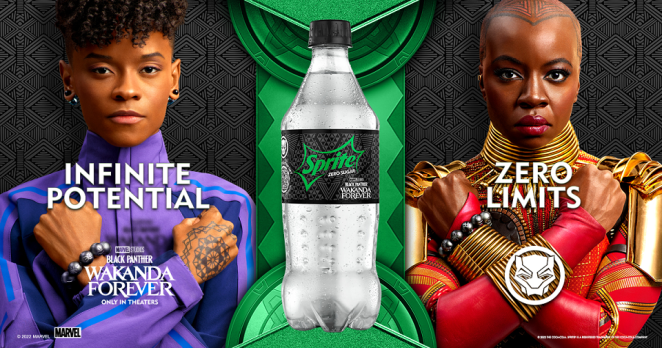
Branded content is not a 30-second spot or a banner screaming “BUY NOW.” It’s a content marketing strategy where the brand sponsors or creates media that engages on its own merits – content that is entertaining, informative or useful, with the brand woven in subtly. The IAB defines it simply as content that is “sponsored by/promoted by a brand” but is non-promotional in nature. In practice, this means the audience feels they’re watching or reading something of value, and only afterwards or in a subtle way do they notice the brand behind it.
In effect, branded content is storytelling with (or without) a cameo from the brand. The Content Marketing Institute describes it as an “immersive, entertaining, [or] educational” experience that bridges the gap between awareness and affinity. Good examples might be a short documentary that highlights a social issue related to a brand’s mission, a humorous web series where the product appears naturally, or a how-to video whose format aligns with the brand’s expertise.
Crucially, these stories aren’t overtly selling; they engage on shared values or interests. For instance, a car brand might fund a video about road-trip adventures, or a food company might create a series of quick, tasty recipes – the brand acts as an enabler or context, not the star.
This approach differs from traditional advertising in key ways. Standard ads interrupt – they cut into programming and demand attention with a hard sell. Branded content, by contrast, integrates into the content flow. It’s often distributed on digital platforms (feeds, owned channels, publisher sites) where it looks and feels like the other content viewers consume. And while it still serves marketing goals (brand awareness, consideration, sometimes conversions), it does so by first earning trust or interest. In short: it entertains or informs the audience, inviting them in, instead of yelling at them.
When done properly, branded content earns viewers’ time. Rather than turning on an ad bucket-list to skip, people voluntarily hit play because they’re curious or expect to gain something (a laugh, a tip, inspiration). In the age of ad blockers and skip buttons, that voluntary attention is gold.
The Problem in Plain Sight: People Paying to Dodge Ads
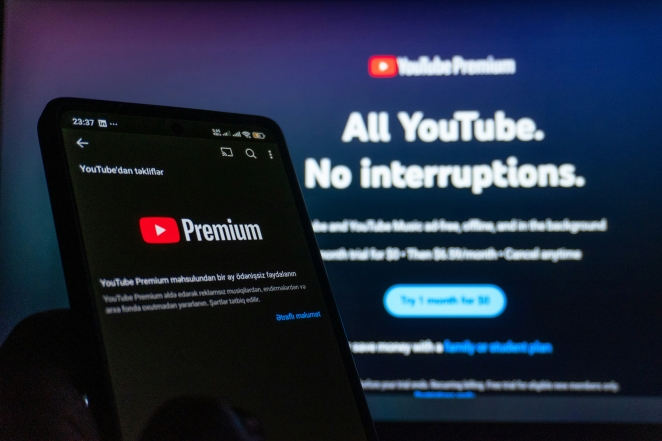
The signs are everywhere: consumers are literally voting with their money not to see ads. YouTube Premium and Music have gone mainstream – by early 2025 they claimed over 125 million subscribers. Anyone with this subscription can watch all YouTube videos (and listen to music) with no commercials. Meanwhile Facebook and Instagram now offer official ad-free subscriptions in the EU and UK (roughly £2.99–3.99/month depending on platform and device). If users are willingly paying for these services, it’s not because ads became magically good – it’s because too many ads are interruptive enough that people prefer to shell out for silence.
This shift forces a hard question on marketers: If audiences prefer paying to skip ads, what must be true of your content to earn that attention? Gatti’s answer is blunt: our work “isn’t just irrelevant… it’s boring, or worse, annoying.” In other words, the standard ad formula (“logo at the start, product pitch in the middle, jingle at the end”) often just fails to engage. The explosion of ad-avoiding behavior tells us something: brands that want a shot at holding attention must do more than shoehorn a sales pitch into a video. They have to produce something legitimately interesting.
Nielsen’s research confirms this picture. Their 2023 consumer survey found a staggering 64% of respondents actively take steps to avoid ads on ad-supported video platforms, and 59% said they’d be likely to pay to bypass ads. The marketing executive takeaway? We are living in an “ad avoidance era.” Anything too salesy or irrelevant is simply tuned out.
Contrast that with what people do want: content that resonates with them. Studies and common sense agree that entertainment, utility and authenticity win. So if branded content is dull, insincere or just a hard sell, viewers reject it. By contrast, when a brand funds a piece of media that is genuinely funny, insightful or useful, people stick around – sometimes even remembering the brand positively afterwards.
In short, if customers will pay to avoid your ads, your content must truly deserve to be watched or used. Otherwise you’re competing with the most engaging entertainment on earth – Netflix, YouTube stars, TikTok trends – with inferior material. It’s a high bar, but recognizing the problem is the first step to solving it. Next up: understanding how to meet the audience on their own terms.
Screen time is Booming but not for Ads

Here’s the great paradox: we’re consuming more media than ever, yet traditional ad exposure is plummeting. Audiences spend astonishing hours on screens – but almost entirely on things they chose, not on forced interruptions. Ofcom’s Media Nations report makes it clear. UK viewers now watch about 4½ hours of TV/video per day on average, up from past years.
The difference is that most of this is from online sources: video-sharing sites (YouTube dominates), on-demand services (Netflix, iPlayer, etc.) and short-form apps. In fact, broadcast TV’s weekly reach keeps declining (especially among younger people), while online video and streaming have surged.
In practical terms, we’re glued to feeds and playlists all day – whether checking news on social media in the morning, watching a series on our commute, or scrolling TikTok at night. But in those moments, viewers have control. They pick content from unscripted streams or platforms. If an unrelated ad drops into that flow unexpectedly, they’ll simply swipe to the next thing.
The appetite for content is enormous, but the tolerance for interruption is tiny. Viewers will devour a 5‑hour TV marathon if it captivates them – but they’ll dodge a 5-second break if it doesn’t. For example, Ofcom notes that under-35s now devote more time to services like Netflix, YouTube and Spotify than to live TV. Likewise, Carat’s analysis highlights that non-linear video viewing (YouTube plus streaming) now beats traditional TV consumption by a big margin.
This means brands face brutal competition for eyes. It’s not enough to out-shout the other brands; you have to out-compete all content. Does your video look as engrossing as the latest Netflix drama? Does it feel as authentic as the latest TikTok trend? Only if the answer is yes will people pause their scroll.
The sheer volume of content means one more positive: there’s also more opportunity to reach people in context. The channels and platforms exist in abundance; the trick is to earn a slot there by matching the native style and entertainment quality of that platform. Otherwise, every extra second someone spends on YouTube is time not spent on your meaningless 15‑second pre-roll.
In a way, this crisis for marketers is also guidance: audiences will willingly consume anything that holds value for them. They won’t accept lame interruptions. So the onus is on brands to create content so good it blends into what people already want – not a fit or a hard sell.
Why Influencers Might not be the Silver Bullet

Influencers have become a cornerstone of many digital strategies, and for good reason: they know how to talk to their audience in an authentic way. They command attention because fans trust them – Nielsen even found that 59% of consumers feel equally or more likely to buy products recommended by influencers they follow.
But relying only on influencers doesn’t guarantee success. Gatti cautions, “influencers know how to talk to their audience, but that doesn’t mean they know how to sell.” In practice, this means that simply tapping a popular creator to promote your product is not a plug-and-play solution. Influencers excel at creating a vibe, a style or a mood. But the creative (the storytelling and the strategy) still matters immensely.
Industry evidence backs this up. The IPA’s new Influencer Marketing data found that short-term ROI from influencer campaigns is roughly in line with other channels. (So influencers aren’t magically twice as good as a banner ad.) Crucially, that report emphasizes one factor above all: fit and creativity. Influencer campaigns showed “wide variability in ROI,” and effectiveness was determined largely by “the fit between brand and influencer and the quality of creative content”. In plain terms: pair a creator with a brand they genuinely like and integrate the brand into a compelling idea, and the ROI can be strong. But if the fit is off or the content is weak, the whole thing falls flat – no matter how many followers the influencer has.
Beyond fit, brands must also watch for fraud and relevance. The IAB and agency experts warn that some influencer metrics (followers, likes) can be inflated with bots. Rigorous vetting is needed to ensure you’re reaching real people. In fact, IAB UK reports that 37% of marketers struggle to find influencers who genuinely match their brand. And audiences are savvier now; outdated tactics like inauthentic product plugs or ill-fitting partnerships get called out fast. Creative should still matter: as one IAB expert put it, success comes from blending influencer authenticity with strong creative ideas that drive value for the viewer.
In short, influencers help because they extend reach into engaged communities. But they are not a complete solution. The real multiplier is how you combine influencer reach with agency strategy and clever storytelling. Gatti’s prescription is unity: get the agency, client and creator working together so that even influencer-made videos serve the brand objectives seamlessly. When you do that – aligning the influencer’s voice and creativity with the brand’s needs – you tap into the best of both worlds.
A Team Sport

AKQA
Creating standout branded content cannot be a siloed effort. The game is won by teams, not lone heroes. In practice, this means aligning the client (brand), the agency (or creative partners) and the content creatorsfrom the outset. Everyone needs to know the objective – is it awareness, education, lead-gen? – and share a single creative vision adapted for each channel.
Begin with a joint briefing session. The client lays out the strategy and KPIs. The agency brings in a big idea and distribution plan. Influencers or content creators contribute platform know-how and feedback on what resonates with their audience. This early co-creation ensures the core story or “creative spine” is strong and meets both business goals and audience tastes.
Such collaboration changes the workflow. Instead of the old model (“agency makes ad, client signs off, then legal clears it, then we throw it over the transom”), the process is iterative. Drafts might go to creators for input on tone. Clients and agencies agree on measurable outcomes (brand lift surveys, sales metrics, engagement rates). Contracts are set up from the start to handle usage rights for all produced content.
There’s hard evidence supporting this approach. The IPA finds that when agencies and brands partner closely, campaigns perform better. One IPA executive noted influencer marketing becomes truly “effective…when brands are able to maximize the synergistic relationship between brand, creator and their audience”. That synergy only happens when everyone plays on the same team. If an influencer calls an agency last minute to film a quick plug, that’s likely to feel slapped together. But if the influencer helped shape the campaign idea early on, the final post can feel like their own genuine endorsement, boosting both authenticity and impact.
A clear creative brief is the foundation. Together, the group should agree on the storyline and key brand touchpoints, then tailor those into formats for each outlet. For example, maybe you’ll produce an episodic mini-documentary for YouTube, short behind-the-scenes clips for TikTok, and stills or stories for Instagram – all revolving around the same campaign. But you only get that coherence by planning in tandem.
In summary, treat branded content as a partnership. The brand provides vision and resources; the agency provides the big idea and planning; the creator provides authenticity and platform savvy. When all three collaborate, the content is more likely to be coherent, native and effective. As Gatti puts it, the ideal scenario is “agencies, clients, and content creators…together…and play[ing] as a team.” That’s how you produce content that’s creative and cohesive, rather than dull or disjointed.
Make it Native
Movers+Shakers
Once you’ve assembled your creative team, the next rule is: play to the home crowd. Each platform has its own style, language and audience expectations – use those, or be ignored. “Native” content means it fits naturally into the user’s experience on that platform, rather than sticking out like an ad.
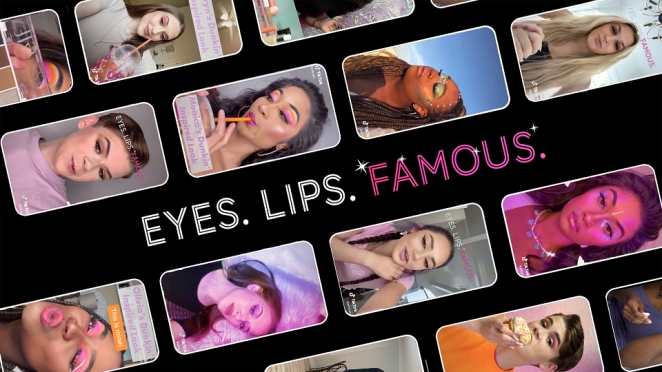
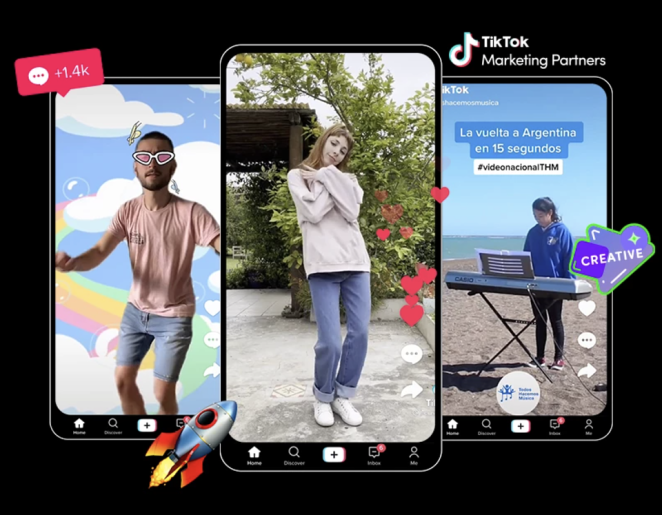
TikTok, Instagram, YouTube, Snapchat, Facebook and others all have different “grammars.” This includes video orientation (vertical vs horizontal), pacing (fast cuts vs slower edits), humor and editing tropes (e.g. TikTok POV trends vs YouTube vlogging), and even technical details (caption styles, on-screen effects). Content that adopts the local grammar gets rewarded. In fact, TikTok’s internal data (via partners) showed that TikTok-native creative drove about 32% of brand lift on the platform, whereas “non-native” creative (content that looked like a generic ad) performed poorly. Users will swipe past anything that feels intrusive or out of sync with their feed.
So what does “speaking the platform’s language” look like? If you’re on TikTok or Reels, incorporate trending audio, emulate popular editing styles or challenges, and keep it raw and energetic. On Instagram Stories or Snapchat, use text overlays and stickers just as influencers do. On YouTube, let the camera breathe – maybe do an authentic vlog or Q&A format, not a slick commercial. In every case, watch top organic content on the platform and identify its norms. Then mirror those. A useful metaphor from TikTok guides is to think of narrative frameworks as “grammar.” For example, the “POV” format or “get ready with me” series on TikTok have become storytelling templates. If your brand content plugs into one of those templates, it resonates more.
Crucially, being native also means delivering clear value – whether it’s to entertain, inform or inspire – so that it truly belongs in the feed. The IAB reminds us that native ads should match the context of the surrounding content. For instance, a quick kitchen hack on Facebook or Instagram about brewing the perfect coffee (sponsored by a coffee brand) feels native. But a five-minute boardroom PowerPoint on the same platform doesn’t. Value and format go hand in hand.
Even simple aesthetics count: a TikTok video in portrait mode with snappy cuts and popular music feels native on TikTok. If you simply take a 30-second TV ad, slice it to 9:16 and upload it, savvy users and algorithms can tell it’s an outsider – they’ll keep scrolling.
Remember Luis Gatti’s prescription: “create native content for the platforms” if you want to “stop being boring and start being admired.” That’s not a suggestion to merely copy-cat. It’s a reminder to bend your story into the shape the platform audience expects. When you do, the content stops feeling like an advertisement and starts feeling like something the audience chose to watch.
Formats Audiences Choose and Share
CROING
Content that earns attention often falls into a few content archetypes. Good branded series or campaigns usually mix and match these formats, depending on the audience and objective:
- Entertainment-First: Storytelling reigns here. Branded mini-series, comedic sketches, reality-style clips or narrative short films can hook viewers and keep them coming back. People will binge multiple episodes if the characters or storyline are compelling. For example, a tech brand might launch a funny web series about nerd culture, or a travel outfitter a docuseries about adventurers. Collaborating with popular creators (e.g. a local celebrity or YouTuber in the story) can also amplify reach. The key is engagement – if it’s genuinely funny or suspenseful, viewers will watch through, even if the brand only appears subtly.
- Utility / How-To: Practical value is huge. Instructional videos, life hacks, recipes, tutorials and challenges address real viewer needs. If your content helps someone solve a problem, they’ll stick around and share it. Think: a fitness brand creating quick workout routines, a software company making easy “tips and tricks” clips, or a beauty brand showing skincare routines. Challenges (e.g. “see if you can do this in 15 seconds!”) also count. These formats work because they put the user’s interest first: “how do I…?” rather than “how do you buy…?”
- Culture / Participation: This is about timely relevance. Reacting to cultural moments, news, memes or trends can give your branded content a freshness and shareability boost. For instance, a brand could jump on a viral meme format or music trend, or host a live Q&A tied to a big event (sports final, awards show, festival). Encouraging user co-creation intensifies this: contests for user submissions, duets/remixes on TikTok, or spotlighting fan content (UGC) makes the audience part of the story. Culture-driven content thrives on being “in the moment” and authentic. When fans see a brand joining the conversation in a way that feels genuine, they engage and often amplify it by sharing.
The common thread is value. Native content isn’t a buzzword – it’s content that belongs in the feed. It entertains, educates or engages in a way the platform’s users expect. In contrast, obvious ad-like posts feel out of place. Data supports this: studies find that branded posts that fit the native style often outperform normal banner ads in view time and interaction. People want something worth sharing, not an ugly brochure.
When planning your branded series, consider a mix of these formats as suits your story. Maybe the main launch is an entertaining mini-series (with teaser trailers and behind-the-scenes clips), peppered with how-to spin-offs or user challenges to extend life. Keep cultural moments in mind: a joke related to a trending hashtag or a live broadcast from a relevant event can give you a fresh lift. The brands that thrive are the ones that multi-task their content like this – serving fun, practical info and community participation all through one campaign.
Creative Guardrails to Stop the Scroll
AKQA
All the strategy in the world won’t help if the execution is poor. Even great content ideas need strong craft to truly stop the scroll. Here are the key guardrails:
- Hook Them Fast: You have about 1–3 seconds to grab a viewer’s interest. Start with a visually arresting moment, a provocative question or a surprising statement. The first frame or line should make viewers think, “I need to see where this goes.” This might mean opening a video in media res (“Day 5 of being trapped alone…”) or with something funny or shocking on screen. You can’t assume people will be patient; make every initial frame count.
- Branding with Finesse: It’s fine – often beneficial – to mention the brand or product early, but do so cleverly. For example, flash the logo or name as part of the first action, or have a character introduce themselves (“I’m Jane from PureSkin, and this is not a commercial!”). Avoid shouting product specs immediately. Instead, weave branding into the story. The Nielsen brand-lift study reminds us brand recallis crucial, so people should know whose content they’re watching, but it shouldn’t kill the narrative.
- Sound On, Sound Off: Many social platforms autoplay video silent initially. Use captions, text overlays or on-screen captions to tell the story without sound. But also design with audio in mind: choose catchy tunes or voiceovers that enhance the message. Trending songs or ambient sounds (e.g. ASMR triggers) can be powerful at hooking viewers who watch with audio. Dual coding your message (visual + audio) captures both listening and non-listening viewers.
- Episode and Hooked Arcs: If your campaign spans multiple parts, tease the next part in each ending to keep people coming back. Mini-documentaries or serialized stories should have a mini-cliffhanger or promise. Even in a single video, structure it like a mini-story: a quick beginning (question/problem), middle (development/tension) and end (payoff/reward). This gives a satisfying feeling of completion and may entice viewers to watch related content or share it.
- Design for the Feed: Match the platform’s aesthetic. Use native fonts and graphics (e.g. Instagram story stickers, TikTok text styles), bright colors if that’s expected, quick jump-cuts or dynamic transitions if that’s the norm. High-quality production is great, but a homemade look can sometimes feel more native on social. The style should signal authenticity: for example, no sterile studio voiceovers in an otherwise personal-feeling TikTok.
- Captions and Accessibility: Always include captions or subtitles. Not only does this catch silent viewers, it makes your content accessible. Accessibility also means giving enough context: if you use slang or local jokes, consider your target – it might be fine, but don’t alienate.
In sum, every piece of branded content must pass the “would I keep watching this as a consumer?” test. Hook them, then reward that curiosity. If the content is good, people will watch through and even hit repeat. If not, they’ll swipe, hard.
Distribution that Doesn't Waste Good Creativity

Natalia Titova
Even top-tier content needs a good megaphone. Plan your distribution in parallel with your creative. This means allocating budget for paid social/streaming placements and thinking about influencer amplification from day one, not as an afterthought.
For social campaigns, use both paid and organic tactics. Reserve ad budget to boost your best content pieces. For example, if you have a short video for TikTok, promote it natively through TikTok Ads. For Facebook/Instagram, use boosted posts or stories ads. Also consider programmatic native ads on news sites or YouTube TrueView ads if it’s video – these can find audiences who already watch similar content.
Creators should plan to whitelist their own posts if possible. Whitelisting lets a brand’s manager sponsor the influencer’s content directly, amplifying the organic post without a second ad production. If an influencer co-creates a video, ensure your agreement covers the brand’s right to promote that video on your channels. Many brands forget this and then lose the chance to re-use a viral clip on their own channels or as an ad.
Use data and platform tools to double down on winners. Track metrics like view completion rate, shares, saves/bookmarks, and watch time. These are strong signals that the content resonated. On Facebook and Instagram, if a Reel or video is getting higher-than-average retention, shift more budget its way. On YouTube, pay attention to view duration and adjust targeting. Iteration is powerful: A/B test different thumbnails, intros or CTAs to see what hooks best.
Cross-channel rights are also key. Negotiate upfront with creators and media partners so you can cut the content into multiple formats: maybe a long-form piece, plus shorter trailers. For example, the same branded video series could run as 90-second episodes on YouTube, 15-second teasers on Instagram Reels, and stills/posts on Twitter. Make sure you’ve cleared the creative to allow this reuse; otherwise, you might have to hire a video editor again later.
Finally, align timing: schedule influencer posts to drop when your paid ads go live. This creates a buzz. If an influencer posts organically a day after you’ve started your ad, the algorithm might not learn as quickly that it’s good content. Ideally, synch the calendar so that multiple channels light up around the same launch.
In summary: treat distribution as part of the creative plan. Great content that nobody sees is a tragedy. By building paid support and repurposing into your strategy, you ensure your work reaches the intended audience and has a fighting chance to make an impact.
Measurement that Proves Value
Rigorous measurement is how you prove branded content isn’t just fun to watch, but actually drives results. Map your metrics to the marketing funnel:
- Top Funnel (Awareness/Attention): Use reach and view metrics: impressions, unique views, video view-through rates (VTR), and branded ad recall surveys. Nielsen’s research highlights that brand recallis a critical driver of lift in new media. If you can’t remember the brand after a piece of content, it’s unlikely to have much effect. So include some brand identifiers early on (logo, name or key tagline) and test recall with surveys. Also track attention metrics like average watch time and completion rate – these indicate if the creative held interest. Social shares and saves (e.g. “Saved for later” on Instagram) are strong signals that viewers found the content noteworthy.
- Mid Funnel (Engagement/Consideration): Look at engagement and interest signals: click-throughs to more content, search lift (more people Googling your brand after exposure), website traffic from campaign sources, and social interactions (comments and shares). For example, if you launched a how-to video on YouTube, measure how many viewers clicked a link to a related landing page or searched the brand. On social, track the number of comments and the sentiment of those comments. Nielsen’s consumer insights also note that personalized and relevant content drives deeper consideration – so brand mentions in long-viewing content likely signal interest.
- Lower Funnel (Conversion/Impact): Ultimately tie back to outcomes. Measure any business metric tied to the campaign: incremental sales, sign-ups, leads, or downloads. Use holdout tests if possible: show the content to one region or demographic and not to another, then compare conversions. Marketing-mix modeling (MMM) can also attribute a share of revenue lift to your branded content investments. The key is to link the content back to hard results. The IPA report reminds us influencer (and presumably branded content) returns can play out over months, so include longer-term monitoring of sales or customer acquisition.
Across all stages, avoid vanity metrics in isolation. A million views mean little if none of those viewers buy or recall the brand. Blend them with qualitative measures like brand uplift surveys. Nielsen’s emerging-media work teaches that enjoyability, relatability and a clear brand message are what actually move the needle. So if your campaign gets lots of views but surveys show zero recall or affinity gain, you know something didn’t resonate creatively.
Finally, iterate based on what you learn. If data shows viewers drop off at 5 seconds, rethink your hook. If one version of a video has twice the completion rate of another, analyze why (was the thumbnail more compelling? Did it use a trendier song?). The agile nature of digital means we can test and tweak in real time. Treat each piece of branded content as a learning experiment.
In essence, measure what matters. Don’t just report impressions; report lifts in the metrics that align with your objectives. And continuously optimize – because even after launch, there’s often room for smarter targeting or creative edits.
Governance: Keep it Honest and Safe
Critical Mass
With all this creative freedom, ethical guardrails become more important, not less. Transparency in advertising is mandated everywhere: if it’s an ad, viewers must know it. The UK ASA (Advertising Standards Authority) is clear on this. Influencer posts and branded content must be clearly labeled as advertising. In practice, that means a prominent “#Ad” or “Paid partnership” tag right at the start of the content.
Buried hashtags or tiny text don’t count. If an influencer is showing or talking about a product because you paid them or gave them a free sample, it needs to obviously say so (people shouldn’t have to guess). This rule applies even if the influencer feels they’re just giving an “opinion” – if the brand had any control or incentive, it’s an ad.
Likewise, make sure you follow local influencer and disclosure rules on every platform. The US FTC and UK CMA have fined brands and creators for failing to disclose clearly. So train everyone (the agency team, the brand’s marketing staff, the creators) on those rules from day one. It helps to have a checklist: is there any incentive? Then it’s advertising. Label it up front.
Beyond disclosure, enforce brand safety. Use the ad platform’s controls to avoid content adjacency risks (like gambling or hate speech) that don’t fit your brand. Vet the environments where your content might appear. On social, stick to safe categories and premium publishers. On programmatic networks, apply brand-safety filters. Also, don’t rely on “contextual judgment” alone – use tech partners or in-house tools to ensure your video (or text/imagery) won’t show alongside something offensive.
Copyright and rights management matter too. Obtain licenses or permissions for any music, stock footage or images you use. Ensure your influencer contracts clarify who owns the content and for how long it can be used. Many a good campaign has been hobbled when a creator posts a great video on TikTok and then the brand realizes it can’t repurpose it on YouTube. Plan usage rights broadly so you can maximize ROI across channels.
On personal data, heed regulations like GDPR. If your campaign collects emails, feedback or user videos, explain the data use and get consent. Especially for campaigns involving user-generated content, always get participants’ permission to feature or share their material. For instance, if you run a user challenge, make it clear that submitting content means the brand may use it.
One more angle: consistency with societal norms. Brands should double-check that their content won’t inadvertently spread misinformation, discriminate, or violate privacy. Simple rule of thumb: if something feels even a bit off (privacy intrusion? political stance?), get a second opinion. The public is quick to call out anything that feels like an apology for poor practices.
In a nutshell, keep things above board. Audience trust is fragile; one scandal can wipe out months of effort. If your content is transparent, respectful and safe, it will feel more genuine anyway. Consumers today appreciate authenticity, and nothing screams “corporate trick” like sneaky labeling or unsafe adjacencies. By adhering to ASA/IAB guidelines and basic decency, you safeguard both your viewers and your own brand.
The Playbook
Mioe Studio
- Earn Attention or Don’t Try: If audiences will pay to avoid ads, your content must truly earn attention. Make it worth their time. Commit to entertaining, informing or inspiring – don’t just shove your logo in their face.
- Co-create with All Players: Agencies, clients and creators should collaborate from the start. Brief together, set the objective and KPIs jointly, and develop the creative idea as a team. When everyone owns the story, the execution will feel consistent and authentic.
- Go Native, Give Value: Tailor each piece of content to its platform. Use the platform’s format, trends and tone of voice. And deliver real value – a laugh, a tip, a useful insight or something culturally relevant. If it doesn’t fit in the user’s feed and give them something they want, rework it.
- Plan Distribution & Testing: Build paid media and influencer boosts into the plan upfront. Use platform metrics (watch time, shares, completion rate) to spot winners and amplify them. Run A/B tests on thumbnails, hooks or lengths to optimize. Iterate fast based on data; digital campaigns must be agile.
- Measure What Matters: Track metrics tied to business goals at each funnel stage. For awareness use reach and brand-lift surveys; for engagement use clicks, search lift or content shares; for conversions use leads, sales or retention lifts (plus holdout experiments or mix modeling). Avoid relying solely on vanity stats like total views. If possible, measure creative effectiveness (enjoyability/recall) as Nielsen advises – those drive real brand impact.
- Be Transparent and Safe: Label all ads clearly (e.g. “#Ad” at the top). Enforce brand-safety filters and ethical review. Secure all rights (music, visuals, footage) and handle any user data responsibly. Honesty with your audience fosters trust, and trust means they’ll be more receptive.
If audiences are willing to pay to avoid you, that’s your rallying cry: be so good they’d rather watch you. Co-create every idea, make each version fit the platform, and give viewers something they value. Plan the media and promos as carefully as the creative. Measure the right outcomes and stay scrupulously honest. Do all that, and your branded content will finally be one that audiences not only watch, but actually remember and share.
In the end, shift your mindset: you’re not forcing ads onto people, you’re earning their attention with content. Keep iterating, stay curious about your audience, and treat your audience’s time as the precious commodity it is. If you do, even in a world full of skip buttons, they’ll choose to stick around.
Because branded content done right doesn’t push; it invites. When brands invest in authentic storytelling and a coherent branded content strategy, they create media that entertains, inspires or informs.
These stories build emotional connection, strengthen recognition and grow trust by transforming passive viewers into engaged fans. In an era where audiences increasingly reject intrusive advertising, the brands that thrive will be those that produce content people want to watch not because they have to, but because they choose to.
How to Hire a Branded Content Specialist with Creativepool
If this article proves anything, it’s that branded content isn’t just a softer sell, it’s the art of earning attention in a world engineered to skip it. Whether it’s a thumb-stopping 15-second TikTok, a full-blown YouTube docu-series, or a reactive meme drop that nails the cultural moment, the best branded content does one thing above all: it belongs. It doesn’t shout over the noise; it fits the feed, delivers value, and tells a story audiences actually want to hear.
And that’s where Creativepool steps in. Whether you’re searching for a creator who knows the native language of short-form platforms, a content strategist fluent in brand architecture, or a studio capable of delivering a multi-format, multi-channel campaign, Creativepool connects you with the thinkers and makers who turn content into conversation, and brands into cultural participants.
Hiring a Branded Content Creator
Zara Picken
Here are three simple ways to find your next branded-content specialist through Creativepool:
Search and contact
If you know what you’re after (a platform-native TikTok creator, a YouTube storytelling studio, or a strategist who can shape content for cross-channel impact) you can jump straight into Creativepool’s talent network. Browse rich portfolios and showreels, filter by industry, platform expertise, and campaign type. The ranking system helps you spot top-performers in branded storytelling at a glance.
Post a Studiogig
Need content fast, and want the creatives to come to you? Post a Studiogig with your brief whether it’s for a mini-series, a campaign of story-led social posts, or a native Instagram Reels rollout. Relevant creators from the Creativepool community respond directly, often within hours.
Post a job
Building a team around always-on content? Post a job listing to reach a wide pool of applicants. Whether you're hiring a branded content strategist, a social video editor, or a creative producer, your listing goes to Creativepool’s active Jobs Board where niche talent lives and breathes native media.
Hiring a Studio to Lead Your Branded Content Campaign
If your brief spans ideation to execution (from content pillars to platform rollouts) you might need a studio that eats branded storytelling for breakfast. Creativepool helps you search and connect with agencies who don’t just make ads but make content people seek out.
Find a studio
Use Creativepool’s studio search filters to browse by media format (video, podcast, UGC activation), by vertical (fashion, FMCG, tech), or by platform expertise (YouTube-native, Reels-first, cross-channel). You’ll find agencies who’ve built loyal brand audiences, not just content calendars.
Post a brief
Want to see ideas first? Submit your project goals, target audience and budget, and let the studios pitch back. You’ll receive curated responses with clear vision, creative approach, and delivery timelines.
Need help?
Creativepool’s team of industry insiders is on hand to help shape your brief. Chat live during your gig posting or get guidance via the creative-services desk.
Header image by Sam Hennig