



Creativity doesn’t thrive in a vacuum – it flourishes in a supportive, stimulating environment. In the competitive world of brands, agencies, and creative companies, a strong, supportive workplace culture can be a secret weapon – sparking innovative ideas and keeping creative talent happy and loyal. The culture of a workplace is often the deciding factor in whether creative professionals stay or leave.

Tony Pipes
To learn how to do that, I turned to an award-winning Executive Creative Director Tony Pipes, currently Head of Creative at the Royal Ballet and Opera, for his insights. Tony believes that creative people need stimulation and challenges, along with an environment that builds confidence through support.
Stimulate and Challenge: Fuel for Creative Minds
One of Tony’s core beliefs is that creatives need constant stimulation and new challenges to do their best work. Routine can be the enemy of invention. Innovative companies deliberately shake things up to keep teams inspired – whether by allowing passion projects or assigning audacious briefs that push boundaries. When people have intriguing problems to solve and space to explore wild ideas, they tend to be more creative.
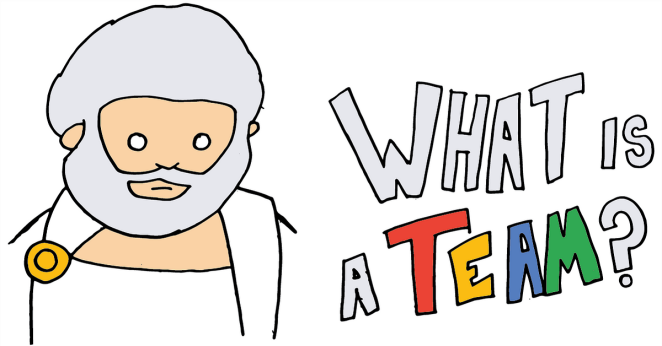
Research backs this up. A decade ago, Google’s own study (Project Aristotle) found that the top driver of team success was psychological safety – an environment where people feel safe to take risks. If team members trust that they won’t be punished or ridiculed for suggesting out-of-the-box ideas, they’re far more likely to propose bold, innovative solutions.
Google found that the top driver of team success was psychological safety
Executive leaders play a key role here: setting big creative challenges while assuring their teams that even “crazy” ideas are welcome. Tony encourages creatives to share all their thoughts, no matter how wild. After all, the first rule of brainstorming is that initially, no idea is too crazy.
External inspiration is another gasoline for the creative engine. Tony keeps his team curious by nudging them to seek inspiration outside the office – to visit art galleries, watch films and theatre, read broadly, and generally engage with the world. These external experiences feed fresh perspectives into projects. After all, a brilliant campaign concept might spark from a painting, a film scene, or even a walk in the park.
Leadership that Provides “Air Cover”
Even the most inspired team needs the right leadership approach to feel confident taking risks. Tony emphasizes that creative directors and team leaders should provide “air cover” for their teams. It basically means the boss has your back when it counts.
What does this look like in practice? It means leaders willingly take ownership of failures while giving the team credit for successes. Tony does exactly that: he takes the heat when a campaign falters, and gives his team the spotlight when work wins praise.
This kind of leadership builds tremendous trust. It sends a clear message that team members are safe to experiment, because their leader will support them even if things go wrong. Contrast this with a blame-happy culture, where people fear that one mistake could become a public shaming. In a blame culture, people quickly learn to play it safe and avoid risks – and innovation dies on the vine.
Put simply, fear of failure kills creativity. As Pixar’s Ed Catmull advises, leaders must “uncouple fear and failure” so that making mistakes doesn’t strike terror in employees’ hearts.
A Space for Wild Ideas and Continuous Learning
To truly unlock creativity, the workplace must become a sandbox where experimentation is not just allowed, but encouraged. Many of the most creative companies have structured ways to let employees play with ideas and keep learning.
Adobe, for instance, launched a program called Kickbox to give any employee a small budget and toolkit to develop an idea. The result: Adobe went from prototyping a dozen or so new products each year to testing nearly 1,000 ideas in just one year. That’s the power of giving permission to experiment.
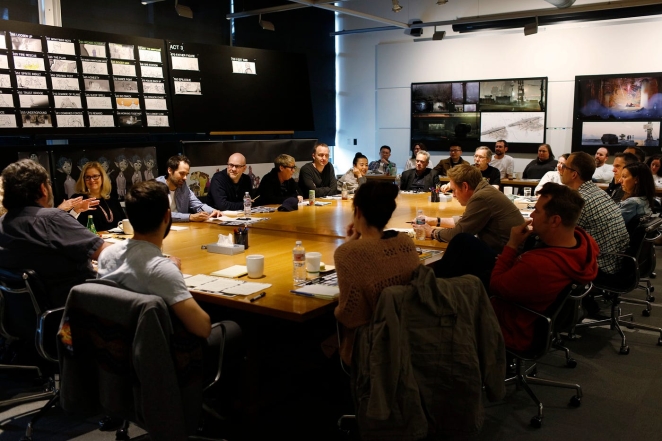
The Pixar "Braintrust"
Not every idea from those 1,000 tested was a hit, of course, but some turned into real innovations – and all of that was possible because the company created a space for wild ideas without bureaucracy or fear.
Pixar’s famous “Braintrust” meetings likewise foster an open exchange: feedback is focused on the work (not the person), and everyone can share out-there ideas knowing they won’t be ridiculed. Pixar credits this candour-rich practice as a key ingredient in its run of creative hits.
Keeping Positivity and Embracing Inspiration
Creative work is rigorous – there are always client demands, tight deadlines, and the perpetual refining of ideas. Amid the pressure, positivity can easily wane if all feedback skews negative. Tony highlights the importance of keeping things positive by focusing on the aspects of the work that the team loves. When reviewing work-in-progress, instead of only pointing out flaws or what to fix (which is often necessary but not sufficient), Tony makes a point to highlight what is exciting about the piece.
By having team members present work they’re proud of or fascinated by, the discussion starts on a high note. The team can collectively celebrate what’s strong in the idea first, which creates an atmosphere of enthusiasm. Only then do they calmly tackle the weaker points together. This approach keeps morale up because the team sees that their efforts are appreciated, not just picked apart.
Moreover, maintaining positivity ties directly into fuelling creativity. Psychologists have found that praise is valued even more than money, and positive vibes foster creativity, flexibility, and open-mindedness. That’s why leaders should balance critique with genuine appreciation.
80% of employees say regular recognition improves their loyalty
Celebrating small victories – whether it’s a clever tagline that came out of a brainstorming session or the successful delivery of a tough project – gives the team a psychological boost. (It turns out employees often value sincere praise even more than monetary rewards, and that praise can light up their motivation.)
In creative businesses, where passion is the driving force, the power of praise is immense. A kind word at the right moment not only boosts an individual’s confidence and joy, but also elevates the entire team’s spirit. Tony often notes that a creative team does its best work when people are actually enjoying the process – and people enjoy the process when they feel appreciated. It’s backed up by data too: 80% of employees say regular recognition improves their loyalty to their organization.
In short, if you want to retain your top creative talent, let them know you recognize their good work. Public shout-outs, award submissions, even a quick Slack message praising an awesome concept – it all contributes to a culture where people feel valued.
Conclusion: Cultivating Creativity and Loyalty
Creating a work environment that encourages creativity and retention is an ongoing process. It requires intentional effort from leaders and consistent daily practices to reinforce the right behaviours. Tony’s approach boils down to this: treat your creative team like the precious resource they are.
Challenge them with exciting projects, encourage outside inspiration, protect them when things go wrong, and praise them when things go right. In doing so, you build the confidence and trust that allow creativity to blossom.
Great ideas can come from anywhere, but they’ll only surface in workplaces where people feel safe, inspired, and valued. For creative businesses, that kind of culture isn’t a “nice-to-have” – it’s mission-critical, driving better creativity and even stronger business performance.
And when people are happy and growing, they stick around. The equation is simple: nurture the creatives, and they will create wonders for you – and they’ll enjoy every minute of it, right by your side. Finally, never let curiosity die: encourage continuous learning and tie the team’s work to a meaningful purpose, so they feel growth and greater significance in what they do.