


The creative industry has always thrived on change by its very nature (what is creativity if not a cultivator of change, after all?). The coming 12 months, however, promise an onslaught of disruptive trends that could completely rewrite the rulebook and if we’re not adequately prepared, we could end up being swept away on a tidal wave of change.
From tightening data privacy regulations that upend how we reach audiences, to new commerce models blurring the line between content and shopping, agencies and freelancers alike are bracing for a shake-up.
1. Privacy Crackdown and the New Trust Economy
Alex Strange
The Trend
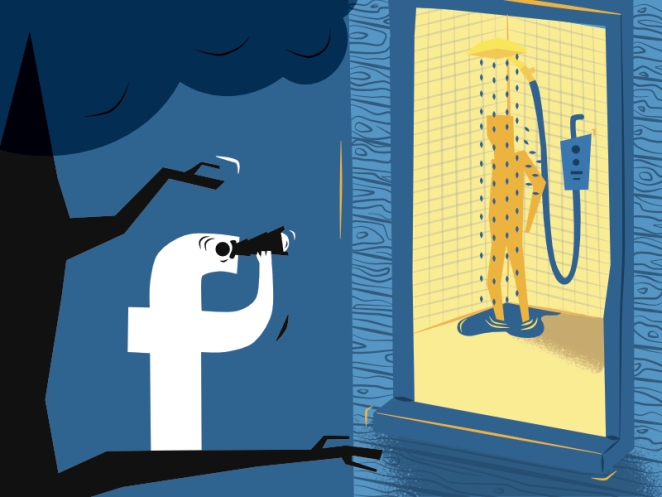
Privacy is no longer a polite request – it’s a mandate. After years of GDPR, CCPA and countless acronyms, data privacy laws are only growing more stringent. Google’s phase-out of third-party cookies, Apple’s relentless push for user privacy on iOS, and a wave of new regulations across the US and beyond have heralded a privacy-first era.
Simon Manchipp, Founding Partner at SomeOne, claims 2025 is going to be all about “Privacy wars. Expect AI that knows more about you than your ex.” As a result, he feels that “Smart creatives must start caring about ethics”and those who drag their feet on privacy are going to be left behind. Indeed, the focus on privacy regulation “is only going to grow” globally, meaning marketers must adapt or risk hefty fines and – even worse – losing consumer goodwill.
Why It’s Disruptive
For ad agencies used to the golden age of micro-targeting, this is seismic. Tighter privacy rules mean less third-party data to play with, muddling the effectiveness of old targeting tricks. In practical terms, campaigns must rely on creative context and first-party data rather than stalking users around the web.
Not to mention, big tech “walled gardens” are under legal pressure to loosen their grip – Europe’s Digital Markets Act, for example, is challenging how giants like Meta and Google handle user data and ads. As personalized ads face headwinds, trust becomes a marketable asset. Brands that are transparent about data use, or which cleverly build campaigns without creeping out consumers, will have the edge. This is a fundamental shift in the client brief: make it effective but also make it ethical.
How to Prepare (Agencies)
Smart agencies are already pivoting to privacy-by-design strategies. This means brainstorming campaigns that don’t rely on invasive tracking – think contextual targeting (ads that align with content), inventive use of first-party data (loyalty programs, subscribers), and creative that appeals broadly rather than hyper-personalized messages. Embracing privacy can even be a creative catalyst: with less algorithmic snooping, big ideas and great storytelling regain importance.
In fact, industry research indicates that as cookies crumble, creative quality is becoming the decisive factor in campaign success. One report dubbed 2024 an “inflection point where creative takes over as the prime campaign variable” precisely because of data restrictions. Agencies should take that to heart – polish those concepts and content, because you can’t rely on precision targeting to do the work anymore.
How to Prepare (Freelancers)
For freelance creatives, the privacy shake-up is a bit of a mixed bag. On one hand, clients may need more help crafting compelling, genuine content now that they can’t lean on retargeting voodoo; on the other, you must be mindful of data compliance in any project you touch. If you’re a freelance marketer or copywriter, get familiar with basics of GDPR/CCPA so you can confidently advise (or at least not misadvise) a client. Focus on skills like content strategy and copy that build trust.
Remember, “brands [now] compete on trust” – so storytellers who can humanize a brand and foster community will be in high demand. You don’t have to become a legal expert, but knowing why a client suddenly can’t get website analytics like they used to – and coming up with creative alternatives – will make you a real asset. In short: be the champion of consumer trust in every brief. It’s a good look for you and your client.
2. The Generative AI Revolution in Creative Work
Ecem Bozkurt Lord
The Trend
If 2024 was when generative AI broke into the mainstream, 2025 is when it truly moves from party trick to productivity tool. AI writing assistants, image generators, video editors, even voice-over clones – they’re getting better by the month. Creative agencies are experimenting with ChatGPT for initial copy drafts, designers are using DALL·E or Midjourney to mock up ideas, and automation is handling more grunt work.
But it’s not just about efficiency: AI is also inspiring new kinds of creative output (think interactive AI-driven ads, personalized content at scale, etc.). The upside is huge – but so is the anxiety. Will AI steal jobs? Will it dilute human creativity? These questions loom large over the industry’s near future.
Why It’s Disruptive
AI changes the creative process itself. It means some tasks that used to bill hours (transcribing footage, editing images, A/B testing copy variants) can be done in seconds. Agencies can do more with fewer people, and freelancers can punch above their weight with AI as a sidekick. This tech is accelerating everything. “The emergence of increasingly powerful AI is only going to accelerate these trends. However you cut it, fewer people will be needed and they will be able to use AI to cover way more ground,” observed Mark Campion, founder of indie agency Fearless Union.
That sounds scary (especially the “fewer people” part), but it’s also a reality check: creatives must rethink how they add value. If an AI can churn 100 tagline options in a minute, your value is knowing which one resonates emotionally, which one aligns to brand, which one is truly original. As Mark Campion notes, “AI can’t do emotion. It doesn’t really understand culture, nuance, or emotion” – and those human elements are now more important than ever. Rather than replace creatives, AI is pressuring us to elevate the parts of the work that only humans can do well.
How to Prepare (Agencies)
Agency teams should start by embracing AI, but with a plan. This means training your staff on the latest tools and setting guidelines for their use (both to ensure quality and to avoid, say, accidentally plagiarizing an AI-generated image). The agencies that thrive will be those that integrate AI into their workflow – using it to handle the repetitive stuff and crunch data, while freeing up humans for high-level creative thinking.
It’s also time to reconsider team structures: maybe your media planner needs some AI-data science cross-training, or your copywriters pair up with AI tools to become “editors” of AI output. Experiment internally so you can confidently offer AI-enhanced services externally. Most importantly, sell your clients on the combination of AI efficiency and human creativity – not one or the other. Show them you can produce more content or more variations quickly (thanks AI!) but with the strategic insight and emotional storytelling intact (thanks humans!).
How to Prepare (Freelancers)
For freelancers, AI is the ultimate force-multiplier – if you wield it right. Treat generative AI as your assistant, not your replacement. Use it to brainstorm ideas, generate rough drafts or concept visuals, but don’t skip the refining stage where your expertise comes in. Remember, your clients pay you for your unique voice, taste, and creative judgment – things an AI doesn’t truly have. As one creative leader wisely said, “the biggest risk in the creative industry isn’t automation, it’s stagnation”. In other words, don’t get complacent. The worst thing you can do is ignore AI and hope it goes away – it won’t. Instead, stay curious and keep learning.
Pick up new skills (maybe a bit of coding to whip up custom AI prompts or automation scripts). Adopt “a freelance mentality even if you’re not freelance”, meaning always be learning, networking and evolving. If you keep your soft skills sharp – empathy, adaptability, creative strategy – you’ll complement the AI wave rather than be drowned by it. As Mark Campion put it, “Now more than ever we need to lean into soft skills like curiosity, empathy and communication. The ability to connect and persuade will always be powerful.” Creativity with a human touch will never go out of style, even in an AI era.
3. New Commerce Models Blur the Lines
The Trend
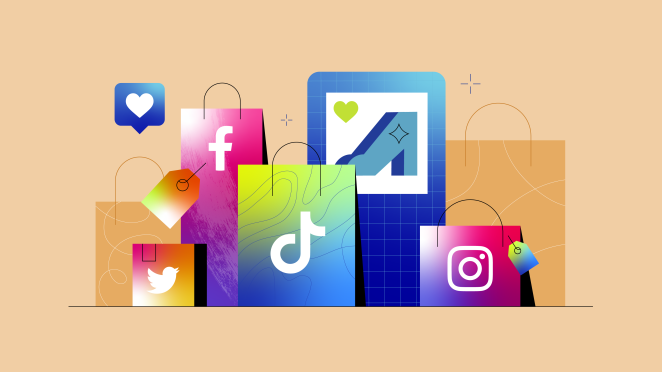
The way people buy and sell is evolving at breakneck speed, and it’s colliding with the way we create and market. Social commerce – shopping directly via social media – is exploding. Live-streamed shopping events, once a novelty in the West, are becoming mainstream (TikTok’s in-app shopping and Instagram live sales, for instance). E-commerce itself is shifting toward more immersive experiences: augmented reality try-ons, virtual stores, and interactive “shoppertainment.”
There are new direct-to-consumer models, subscription services for everything, and even the early rumblings of Web3 commerce (digital goods, NFTs) still flickering. In short, commerce is popping up in places it never used to be – and every piece of creative content might also need to be a point-of-sale.
Why It’s Disruptive
For agencies and creatives, the mandate is no longer just make me a cool ad – it’s increasingly make me a cool ad that people can buy from instantly. The very format of creative work is changing. We’re seeing shoppable videos, interactive lookbooks, and branded retail experiences that feel like theatre. In fact, physical retail itself is being reinvented to compete with online – turning stores into experiential brand stages.
As one Creativepool trend-watcher noted, “technology doesn’t just support the storytelling of a brand, it becomes the stage for it.” In other words, a brick-and-mortar store or a pop-up event is no longer just a place to snag products – it’s a full-on immersive narrative, powered by AR displays, sensors, and showmanship. Meanwhile online, social platforms are the new malls. By 2025, retail social commerce sales in the US are expected to pass the $100 billion milestone, and globally social commerce could triple in size. With potentially 1 in 6 e-commerce dollars soon flowing through social networks, every brand is scrambling to make their Facebook, Instagram, TikTok, or YouTube channels into frictionless storefronts.
How to Prepare (Agencies)
Agencies must broaden their definition of “creative campaign” to include commerce at the core. This could mean partnering your creative teams with commerce strategists or UX designers to develop seamless shopping experiences. If you’re crafting a video series for a client, ask: can it double as a product catalogue? If you’re designing an experiential installation, how does it translate to online sales later? The agencies on top of this trend are already creating shoppable content – for instance, producing Instagram Reels or TikToks where viewers can tap and buy the featured product in seconds.
Another preparation tip: get cozy with data from e-commerce. Creative decisions can be guided by shopper behaviour insights (what part of a video did people pause at? Which influencer drove more sales?). Also, be ready to experiment with new platforms – today it’s TikTok Shop, tomorrow it could be some metaverse-ish virtual marketplace. Keep an eye on those trends but remain practical: pick platforms where your client’s audience actually hangs out. Crucially, don’t silo “creative” and “commerce” into separate teams or phases. The story is the store now. Agencies that weave together content and conversion seamlessly will deliver real ROI and win client loyalty.
How to Prepare (Freelancers)
For freelance creatives, the rise of new commerce models is an opportunity to diversify your skill set and services. If you’re a content creator, learn the basics of e-commerce platforms or social media shop features – it’ll allow you to pitch projects that go beyond awareness and actually drive sales (clients love a creative who gets results). For example, a freelance videographer might pitch a series of short product demo videos designed for TikTok’s algorithm and optimized for its shopping tab. A freelance graphic designer might bone up on Amazon listing creatives or Shopify theme customization to offer design that doesn’t just look good but sells. Also, consider leveraging these models for yourself: many freelancers are building their personal brand via social media and even selling merch, templates, or subscriptions directly to followers. You don’t have to, but understanding the mechanics will help you relate to clients’ challenges.
One more thing: when every influencer can hawk products and every YouTube channel can become a store, strategic creativity will distinguish the pros from the dabblers. Your job is to ensure that commerce integrations feel organic and engaging, not like crass sales pitches. As technology enables instant purchasing anywhere, be the creative who can say: “Yes, we can let users shop this look – and here’s how to do it in a fun, on-brand way.” The bottom line: embrace the fusion of entertainment and retail. The creatives who can sell without selling out will ride this wave far.
4. The Social Media Shake-Up: Authenticity or Bust
Geoffrey Goldberg
The Trend
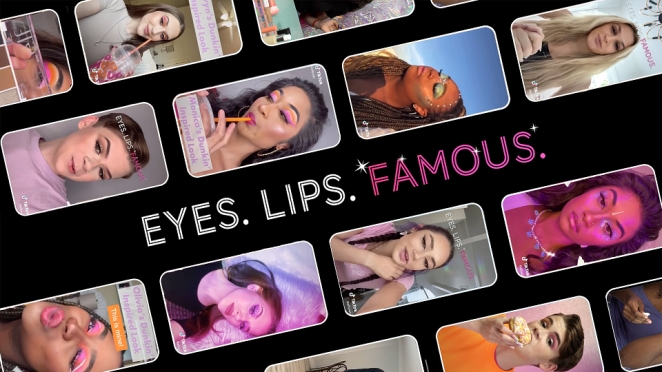
Social media is ever-changing – that’s not new. What is new as we head into 2025 is a pronounced shift toward authentic, unfiltered content and an increasingly fragmented social landscape. Users (especially Gen Z and young Millennials) are frankly fed up with hyper-curated influencer posts and glossy brand ads. The pendulum is swinging towards raw, real, and relatable content – blemishes and all.
Think TikToks shot in someone’s messy bedroom, Instagram photo dumps with no edits, brands hopping on BeReal to show their “real life” side. In 2025, “raw, unfiltered content reigns supreme. Audiences… want to connect with relatable and transparent brands”, according to a social media trends report. In short, authenticity is the new social media currency.
At the same time, the social media universe is splintering. We’ve got the old guard (Facebook struggling to stay cool, Twitter rebranding to X and causing confusion) and the new challengers (TikTok still ascendant, YouTube Shorts competing hard, niche communities on Discord, emerging platforms like Threads trying to dethrone Twitter/X).
The result: creative teams can’t just focus on one or two channels anymore, and they have to adapt to different content styles and algorithms faster than ever. Oh, and let’s not forget AI’s role here – AI-generated content is creeping in, from chatbots tweeting in brand voice to virtual influencers that look almost human. Social media in 2025 is a wild mix of the very real and the eerily unreal.
Why It’s Disruptive
For agencies and content creators, this trend demands a pretty fundamental re-think of social strategy. Polished ads with big production budgets might not get the engagement that a shaky-handed smartphone video will. This is disruptive to the traditional content production model – why hire a big crew for a micro social campaign if lo-fi and quick-turnaround is what resonates? Brands are learning to loosen up: letting creators (or employees) speak more candidly, responding in real-time with memes, showing behind-the-scenes footage, and embracing a bit of imperfection. The ones who don’t may find their social metrics stagnating.
As one marketing insider quipped, “unfiltered and raw content gets 2-3x more engagement than polished, professional stuff”. It makes sense: Consumers are tired of overly polished, generic content that feels disconnected from real life. They crave genuine interactions and relatable storytelling. This is a big shake-up for any creative trained to “stay on message” and airbrush every flaw.
Additionally, the fragmentation of platforms means the audience’s attention is spread thin. Your brilliant campaign on Instagram might miss the audience that’s migrated to TikTok or Snapchat or the next new thing. Keeping up with where the eyeballs are – and what content format each favors – is a continual disruption. Algorithms also keep changing, often prioritizing different types of content (video, carousels, etc.) or rewarding those who jump on new features early. In essence, the social media landscape is like shifting sand under marketers’ feet – you need to stay light and adaptable.
How to Prepare (Agencies)
Agencies should encourage brands to get real and get experimental. This might mean convincing a cautious client to let go of rigid brand perfection and allow a bit of spontaneity. Show them the data: authenticity drives engagement. Tactically, your social media playbook should include more UGC (user-generated content) and influencer partnerships where creators have freedom to speak in their own voice. Maybe run an unfiltered campaign where customers post their honest experiences.
The key is to balance brand values with human authenticity– it’s a fine line between being relatable and eroding your brand image, so strategic judgment is needed. Also, structure your teams or partnerships to be nimble. The era of planning social content 6 months in advance is over; you need people who can turn trending moments into content within hours (without always waiting for five levels of approval).
This might involve a “newsroom” approach to brand social media. Keep creative talent on standby or retainer to pump out quick content when needed. And definitely keep an eye on new platforms: even if your clients aren’t early adopters, advise them on risk vs reward of emerging channels.
Being proactive about “Should we be on platform X? How do we handle TikTok’s latest algorithm change?” will show clients you’ve got their back. In summary, prepare to throw out the old social rulebook – the new one is being written in real-time by the community, and agencies must be plugged into those conversations daily.
How to Prepare (Freelancers)
As a freelance creative (whether you’re a social media manager, copywriter, videographer, etc.), the shift to authenticity is an opportunity to shine your authenticity as well. Many clients come to freelancers specifically for a fresh, authentic voice that doesn’t feel “corporate.” Lean into that. Position yourself as someone who can help brands be more human.
For instance, if you’re adept at TikTok, tout your understanding of the platform’s unvarnished style. Show examples in your portfolio that have a genuine, conversational tone. It’s also wise to cultivate your own social presence – not just for marketing yourself, but as a testing ground. When you experiment with a candid LinkedIn post or a cheeky Instagram Reel and it resonates, you’ve gained insight you can sell to clients.
Being active in creative communities (like, ahem, Creativepool) can keep you tapped into what real creatives and consumers are buzzing about, which in turn informs your work. On a practical level, make sure you’re comfortable creating agile content: maybe it’s shooting and editing a smartphone video on the fly, or writing copy that sounds like a real person talking, not a press release.
The more you can demonstrate agility and authenticity, the more clients will trust you with those timely, culture-savvy projects. Finally, as platforms fragment, consider specializing in one or two where you really excel (e.g. “I’m a Pinterest content expert” or “I know Discord community culture inside-out”) – being the go-to person for a channel can be a great niche. Just don’t get too comfortable, because… by next year, who knows what new network will show up! Stay curious and adaptable.
5. The Evolving Workforce: Remote, Flexible, and Freelance by Default
John Holcroft
The Trend
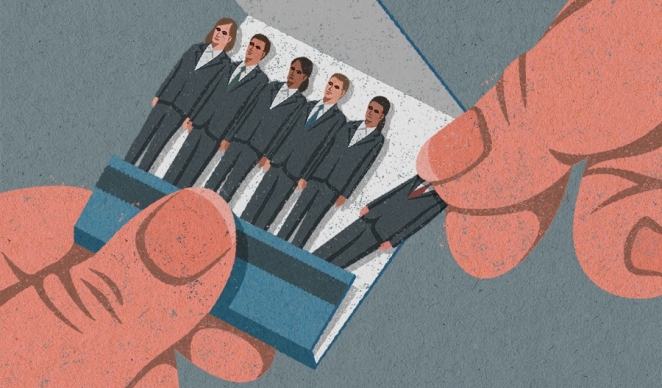
Even before a certain global pandemic upended office life, the creative workforce was steadily trending towards flexibility. Now it’s basically a given: remote and hybrid work are here to stay, and the talent market is increasingly freelance-friendly. Agencies have undergone rounds of restructuring and unfortunately, redundancies, in recent years – partly due to economic pressures, partly due to automation and clients cutting fat. The result is a creative industry that’s looking a lot more fluid. Big agencies are hiring contractors and specialists on a project basis rather than maintaining large full-time teams.
Many seasoned agency folks have left to go independent or form small remote boutiques. In fact, there’s talk of a “freelance revolution” where highly skilled creatives choose project-based careers for the flexibility and variety it offers. One Creativepool contributor, Anastasiia Zaesenok, observed “the creative industry is increasingly moving toward individual work. In the future, I see fewer studio positions and more freelance opportunities.”That sentiment rings true – companies have realized they can tap global talent on-demand, and many creatives prefer the autonomy of freelance life.
Why It’s Disruptive
This is a more subtle kind of disruption – not a technology or regulation, but a shift in how creative work gets done. For agencies, it challenges the traditional model of big in-house teams and fixed processes. There’s an awkward but necessary period of adjustment as agencies figure out how to integrate freelancers or remote collaborators seamlessly, maintain culture and quality, and manage knowledge transfer when teams constantly flux. It also means competition for projects can increase – agencies might find themselves pitching against nimble freelance collectives or solo consultants for certain clients. For individual creatives, the disruption is both exciting and daunting.
There’s more freedom and opportunity to carve out your niche, but also less job security if full-time gigs are fewer and far between. The ones who thrive will be those who, as Mark Campion advises, adopt a “freelance mentality even if you’re not freelance” – always sharpening your tools, marketing yourself, and staying adaptable.
Another aspect: skills disruption. With all the trends above (AI, new platforms, etc.), the skill set a creative needs is evolving rapidly. Job titles are blurring (is that copywriter also a content strategist and part-time data analyst now?).
The up-and-coming creatives are often multi-disciplinary and comfortable wearing many hats – a survival trait in a gig-driven market. Meanwhile, large network agencies that were once kings of the hill face the innovator’s dilemma: can they adapt their massive structures to be nimble? Mark Campion mused that it’s hard to see how their size and legacy won’t get in the way of progress. In contrast, small teams and independent creators can pivot overnight. This dynamic is shaking up who gets the work and how work culture operates.
How to Prepare (Agencies/Teams)
Agency leaders should lean into this new flexibility as a feature, not a bug. Build a reliable network of freelancers and specialists that you can call on as extensions of your core team. Many agencies are developing “virtual benches” – vetted creatives in various specialties (UX design, animation, local market experts, etc.) who can be onboarded quickly for a project. Investing in good project management and collaboration tools is key when part of your workforce is remote or rotating.
Also, rethink what talent retention means in a world of contractors. It might be less about keeping someone forever and more about ensuring top freelancers are eager to work with you again and again. Treat them well, pay fairly, credit their work – basically, build a reputation as an agency that’s great to partner with. This will be invaluable as the best freelancers often have their pick of gigs.
For in-house teams, encourage a continuous learning culture. Give your creatives time and resources to upskill – whether that’s learning to work alongside AI or understanding the latest platform du jour. In a sense, agencies must foster some of that “freelancer mindset” internally: don’t let your people grow complacent in one niche.
Cross-train, offer variety, and encourage entrepreneurial thinking. Some forward-thinking agencies even create internal programs to incubate new ideas or spin off small specialty units (almost like internal startups) to stay agile. Finally, embrace remote work advantages: you can hire beyond the confines of your city, even your country, to get the best talent. This can enhance your creative output with more diverse perspectives – just make sure to also invest in ways to keep remote teams cohesive. The agencies that crack the code on hybrid collaboration and flexible staffing will have a huge edge in the next year and beyond.
How to Prepare (Freelancers/Individuals)
If you’re a freelancer, well, you’re already on the leading edge of this trend. Demand for your services is poised to grow as companies seek external talent. But that also means more competition in the freelance marketplace, so it’s time to differentiate and professionalize. Treat your freelance practice like a business: update that portfolio, sharpen your personal brand, ask for testimonials, and perhaps specialize in a profitable niche (while still being adaptable – a balancing act, I know).
Also, consider joining communities or networks (like Creativepool, Upwork, specialized Slack groups, etc.) where you can find support and team up for larger projects. Sometimes big clients want “one throat to choke,” i.e., one entity to handle a project – freelancers who can band together to form mini-agencies or collectives for big opportunities will do well.
For those currently full-time and nervous about the industry’s volatility: even if you love your job at an agency or studio, adopt that freelance mentality internally. Keep learning new skills, attend workshops, expand your network. Think of yourself as your own brand within the company. That way, if you ever do decide (or are forced) to go solo, you’re ready to hit the ground running. And in your current role, your broadened skill set and proactive attitude will only make you more valuable. Essentially, future-proof your creative career by staying versatile. As one creative leader put it, “the future will likely favour people who can pivot, experiment, and unlearn as quickly as they learn”. Stagnation is the enemy. Whether you’re agency or freelance, that’s a mantra to live by in the year ahead.
Staying Ahead: Embrace the Change and Lead the Charge

Michael Heffernan
If there’s one thread tying all these disruptive trends together, it’s that change is the only constant – cliché, perhaps, but truer than ever in 2025. The privacy landscape, the algorithms, the hottest social app, the tools we use, even the makeup of our teams – it’s all in flux. This can either be terrifying or exhilarating, depending on your mindset. The winning mindset is to see opportunities where others see obstacles.
As Mediaocean’s CMO Aaron Goldman advised marketers, “Change will be a constant and, while there’s no crystal ball for what’s around the corner, those who continually test and learn will emerge at the fore”. In practice, that means staying curious, staying agile, and never resting on your laurels.
For agencies and companies, the next 12 months are a chance to innovate and differentiate – to prove to clients that you can navigate the storm and lead them to safe harbours. Encourage a culture where your team isn’t afraid of new ideas or failing fast. Maybe pilot an AI creative assistant on an internal project or run a small experimental campaign on that quirky new platform no one’s heard of (could be the next TikTok, who knows?). When you proactively embrace what’s coming, you position yourself as a thought leader – exactly the kind of partner clients seek in uncertain times.
For individual creatives and freelancers, this is your call to action to invest in yourself. The near-term shake-ups will favour the bold – those who are willing to adapt their style, learn a new software, tackle a new medium, or simply put themselves out there more. It’s also a time to lean on community. Connect with your peers (the Creativepool community is the ideal tool for this, of course) to share learnings and support each other. Chances are, if something is challenging you – whether it’s figuring out a privacy-friendly design approach or negotiating a project that involves new tech – someone else has insight or experience to help.
Finally, let’s not lose sight of a core truth: creativity is our superpower. All the algorithms and regulations in the world can’t stop a brilliant idea whose time has come. In fact, these disruptions can act as sparks for creativity. Tight privacy rules? That can spark more ingenious ways to tell a story without relying on data crutches. AI everywhere? Use it as a springboard to push human creativity further, exploring concepts we couldn’t before. New commerce formats? All the more space to get creative in how we blend art and transaction. The canvas might be getting more complex, but that just means a chance to paint with new colours.
The next 12 months will bring their share of surprises, no doubt. But armed with foresight, adaptability, and a healthy dose of daring, agencies and freelancers can not only prepare for the future – they can create it. After all, we are in the business of creativity. Disruption is just another word for a brief waiting for a brilliant solution. So here’s to embracing the chaos and turning these trends into triumphs in the year ahead. Good luck out there – and remember, the creative revolution will not be standardized!