


Elon Musk is a very difficult person to tolerate for anyone that isn’t (I’m trying to be as diplomatic as possible here) “a certain way.” For those unaware of the real-life Bond villain’s origin story, he began life as the son of wealthy South African family who supposedly profited from apartheid. He made the bulk of his own fortune in Silicon Valley, first as CEO of Zip2 and then of PayPal, before migrating into space exploration and electric cars with SpaceX and Tesla, respectively. The rest is history,
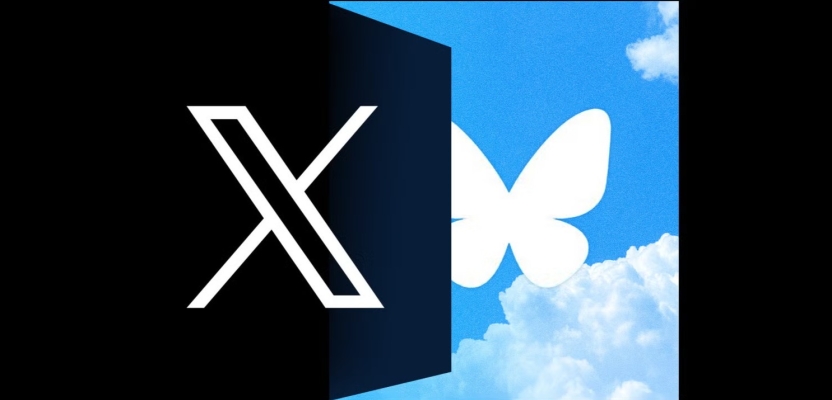
As potentially shady as his beginnings might have been, however, he was largely a fringe figure until recently. He didn’t really become a pop culture monster until he bought and dismantled Twitter in 2022 and set about turning it slowly, but surely, into a right-wing propaganda machine. In the wake of this controversy, it was only every going to be a matter of time before liberal minded folk couldn’t hold their noses any longer and, in recent months, Bluesky appears to have emerged as a natural home for those disenfranchised by what Twitter (now X) has become.
Is it just creatives abandoning one echo chamber for another?
Is this shift is driven by a quest for more authentic engagement, user-centric experiences, and a refuge from the increasing toxicity perceived on X? Or is it just creatives abandoning a toxic right-wing echo chamber for an equally toxic left-wing echo chamber?
The Exodus from X: Catalysts and Concerns
Musk's acquisition of Twitter in 2022 marked the beginning of substantial changes to the platform's policies and culture. These alterations have led to dissatisfaction among users, particularly creatives who rely on a supportive environment for their work. The rebranding to X, coupled with controversial decisions such as modifying the verification system and altering content moderation policies, has intensified concerns about the platform's direction.
The reinstatement of previously banned accounts and a perceived increase in hate speech and misinformation have further alienated users. Notably, public figures like MSNBC's Mika Brzezinski have announced their departure from X, citing the platform's toxic environment and a desire for more constructive discourse.
Bluesky's Appeal: A Haven for Creatives
Bluesky, founded by former Twitter CEO Jack Dorsey, offers a decentralized social media experience that emphasizes user control and community engagement. Its open protocol allows users to customize their experience, fostering a sense of ownership and personalization. This approach contrasts with X's algorithm-driven content delivery, which some users feel manipulates their online interactions.
Rose Wang, Bluesky's Director of Operations, highlights the platform's focus on genuine human interaction:
"People are tired of algorithms dictating their experience. At Bluesky, we prioritize real conversations and community building."
This philosophy resonates with creatives seeking a platform that values authentic engagement over algorithmic amplification.
Ed East, co-founder and Global CEO of global creator agency Billion Dollar Boy, offers a keen insight into Bluesky’s potential and the challenges it faces in scaling effectively:
"Bluesky is reminiscent of early Twitter - its primarily text-first and decentralised approach lends itself well to current affairs and opinion-led content, positioning the platform as the digital town square Twitter has historically laid claim to. This has attracted some notable users to the platform - including reputed journalists and academics and celebrities such as Stephen King, Lizzo, Guillermo del Toro, Barbara Streisand and Ben Stiller. While these users are giving the platform more credibility and getting media and brands’ attention, they aren’t as relatable to the average consumer as creators."
The Role of Creators in Bluesky's Evolution
For creatives, platforms like Bluesky represent not just a means of self-expression but also an opportunity to foster meaningful connections with audiences. The decentralized nature of Bluesky empowers users to build niche communities without interference from algorithms or heavy-handed monetization strategies, making it particularly attractive to artists, writers, and thinkers.
The decentralized nature of Bluesky empowers users to build niche communities
However, as East notes, the current content on Bluesky remains largely dominated by politics and current affairs. This presents an opportunity for creators to diversify the platform’s offerings:
"Attracting creators will be vital for Bluesky’s growth, generating more diverse content beyond politics and current affairs which currently dominates the platform’s feed. That diversity comes from creatives who know their audience and can produce plenty of high quality, engaging content that will broaden Bluesky’s appeal."
Bluesky’s chronological feed and straightforward design make it an ideal environment for such creators, allowing their work to shine without the noise of algorithm-driven feeds. Yet, the challenge lies in incentivizing these creators to invest in the platform—a task that requires more than just goodwill.
The Commercial Viability Conundrum
Monetization is central to Bluesky’s ability to scale. Unlike X, where ad dollars and premium subscriptions dominate the ecosystem, Bluesky currently lacks a robust revenue model to attract social media-first content creators. These creators, as East points out, often follow the money:
"However, Bluesky has yet to attract social media-first content creators, because creators typically follow the ad dollars. And that is unlikely to change until Bluesky supports traditional paid advertisements."
This gap poses a dilemma for Bluesky. On one hand, its lack of intrusive ads is part of its appeal; on the other, the absence of a clear monetization strategy limits its ability to attract professional creators who rely on such systems to sustain their work.
For brands eyeing Bluesky, this presents both a challenge and an opportunity. Traditional advertising mechanisms may not yet be available, but creative collaborations with content creators could fill the gap:
"Brands considering Bluesky will need to find creative workarounds to the platform’s ad targeting limitations with creator collaborations among the most potent potential solutions."
This approach aligns well with the ethos of Bluesky, emphasizing organic and authentic interactions over transactional engagements.
Building Credibility and Scaling Growth
As Bluesky grows, it must navigate the tension between maintaining its user-centric values and professionalizing to attract advertisers and creators. East highlights the need for the platform to evolve while preserving its unique identity:
"Once Bluesky becomes more professionalised, it might start to be considered more seriously by advertisers and creators. There’s still some way to go before we reach that stage but the early signs are promising."
The presence of high-profile users has already garnered media attention and lent credibility to the platform. However, their impact is limited compared to the broader cultural resonance that everyday creators bring to social media ecosystems. By focusing on onboarding creators who produce diverse and engaging content, Bluesky can broaden its appeal and solidify its place as a creative hub.
A Vision for the Future
Bluesky represents a vision for the future of social media: one that prioritizes decentralization, authenticity, and community over commercialization and chaos. For creatives, this offers a rare opportunity to engage with audiences on their own terms, free from the constraints of algorithms and ad-driven metrics. However, as Ed East underscores, the platform’s ultimate success depends on its ability to navigate the challenges of scaling while staying true to its roots.
Bluesky has the potential to redefine the social media landscape
By fostering an environment where both creators and brands can thrive through meaningful collaborations, Bluesky has the potential to redefine the social media landscape. As it stands, the platform is at a crossroads, with early signs pointing toward a promising evolution into a digital town square for the next generation of creative communities.
User Experience and Community Dynamics
Bluesky's user interface mirrors the simplicity of early Twitter, offering a chronological feed that many users find refreshing. This design fosters organic discovery and interaction, aligning with the preferences of creatives who value unfiltered engagement.
The platform's commitment to transparency and decentralization empowers users to shape their online environment. By allowing individuals to create and modify their own feeds, Bluesky enables a tailored experience that prioritizes content relevance and personal connection.
Challenges and Considerations
Despite its rapid growth, Bluesky faces challenges, including technical issues arising from the influx of new users and the need to scale its infrastructure. Additionally, as the platform expands, it must address content moderation effectively to maintain a safe and welcoming environment.
The European Union has raised concerns about Bluesky's compliance with information disclosure regulations, highlighting the importance of transparency as the platform grows.
The Role of Creatives in Social Media Ecosystems
Creatives—artists, writers, designers, and thinkers—have historically played a pivotal role in shaping the culture of social media platforms. Their ability to produce engaging, thought-provoking, and visually striking content is a cornerstone of user engagement. As platforms like X began leaning heavily into commercialization, many creatives felt sidelined in favor of algorithms that amplified polarizing or monetizable content.
The exodus to Bluesky signifies not just a search for greener pastures but also a rebellion against the commercialization and homogenization of creative spaces. Bluesky offers a platform that prioritizes creators as central contributors, giving them tools to cultivate niche audiences without interference from monetization-driven algorithms.
Creatives Speak Out
Prominent creatives have expressed discontent with X and praised Bluesky for its potential. For example, author and digital strategist Michael Solomon shared:
"On Bluesky, I feel like my words matter again. It’s not about engagement metrics; it’s about the people who resonate with what I create."
Illustrators and graphic designers have also found Bluesky particularly appealing due to its focus on chronological posts. The structure ensures that artworks aren't buried under algorithmic clutter but appear to followers in real-time, promoting genuine discovery and appreciation.
Building Creative Networks on Bluesky
One of Bluesky’s standout features is its ability to foster micro-communities. Unlike X, where trending topics often dominate, Bluesky empowers users to build tightly knit groups that focus on shared interests or creative niches. This approach is particularly beneficial for artists and creatives who thrive in collaborative environments.
Bluesky provides a sandbox for niche development
By allowing users to create and manage their own feeds, Bluesky provides a sandbox for niche development. Writers can curate feeds for specific genres, while photographers can focus solely on audiences who appreciate their style. This decentralization aligns with a broader trend toward personalized, user-first platforms.
The Rise of Decentralized Platforms
Bluesky is not the only platform exploring decentralized social media, but it has gained significant traction thanks to its high-profile origin. Jack Dorsey’s involvement lent credibility to the project from its inception, and the platform’s ethos aligns with growing user demand for autonomy and transparency.
Decentralization ensures that no single entity has outsized control over the platform’s policies or content visibility. For creatives, this model is revolutionary—it allows them to maintain control over their intellectual property, audience reach, and creative vision without external interference. Bluesky’s open protocol, AT Protocol, exemplifies this commitment by offering a framework for interoperability between platforms, fostering a broader creative ecosystem.
Challenges of Moderation and Growth
As Bluesky expands, one of its key challenges will be maintaining the very qualities that attract users. Creatives, in particular, value platforms where harassment and toxicity are minimized. X’s shift toward lenient content moderation policies post-Musk acquisition became a significant pain point for its users, driving many to seek safer environments.
Bluesky’s current moderation tools, while promising, need to scale effectively to prevent bad actors from exploiting the platform. As users flock to the service, ensuring community guidelines are upheld without becoming overly restrictive will be crucial for sustained growth.
Commercialization Without Exploitation
Another question that Bluesky must address is its approach to monetization. Creatives often face tension between the desire to reach audiences and the platforms’ need to generate revenue. X’s introduction of paywalls and emphasis on premium subscriptions has alienated many who feel that their reach is now contingent on financial investment.
Bluesky, in contrast, has an opportunity to explore alternative revenue models that don’t compromise creative freedom. Options like optional tipping, creator funds, or platform-wide revenue sharing could strike a balance between profitability and user satisfaction.
Cultural Shifts in Social Media
The migration to Bluesky also reflects broader societal trends. Users are increasingly disillusioned with platforms that prioritize sensationalism over substance. Creatives, in particular, seek spaces where nuanced discussions, aesthetic appreciation, and meaningful connections take precedence over virality.
Bluesky’s minimalistic design and focus on genuine interaction harken back to the early days of social media, when platforms felt more like communities and less like marketplaces. This nostalgic appeal, combined with forward-thinking technology, makes Bluesky uniquely positioned to lead a cultural shift.
The Future of Creative Communities Online
The migration from X to Bluesky reflects a broader desire among creatives for platforms that prioritize user agency, authentic engagement, and community well-being. As social media continues to evolve, platforms that align with these values are likely to attract and retain users seeking meaningful online experiences.
Bluesky has a rare chance to redefine what social media can be
Bluesky's commitment to decentralization and user empowerment positions it as a promising alternative for creatives disillusioned with traditional social media models. By fostering an environment that values genuine interaction and community building, Bluesky offers a compelling vision for the future of online creative communities.
As Bluesky navigates its growing pains, it has a rare chance to redefine what social media can be. By prioritizing decentralization, user empowerment, and genuine engagement, it could set a precedent for the next generation of platforms. For now, creatives are at the forefront of this movement, leading the charge toward a more equitable and inspiring digital ecosystem.