

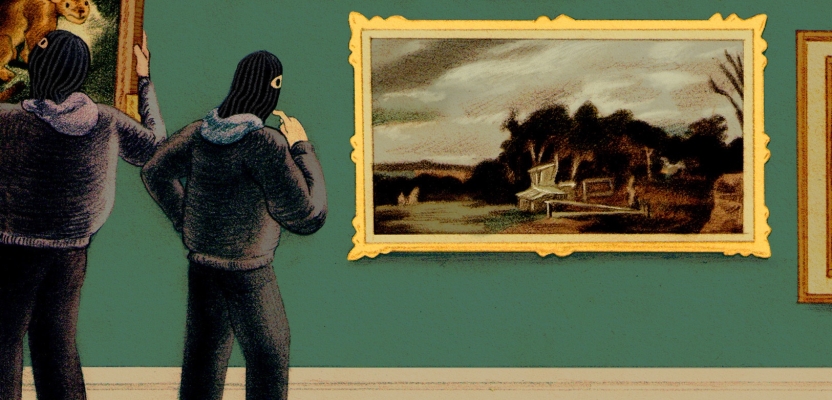

There are very few jobs for skilled workers where you have to effectively put in a shift (or five) before you can earn the luxury of a paid one. Fewer still where the free work being put in could potentially be monetised by the ones doing the (potential) hiring. In the creative industries, however, speculative pitches have always been seen as a rite of passage for young creatives.
Are speculative pitches a genuine stepping stone to real gigs though? Or are they just creative catfishing? Most freelancers and agencies have faced this: a potential client wants “free” creative work upfront with no pay, just a vague promise of future collaboration. It’s pitched as an opportunity. But more often, it feels like handing over your ideas for “exposure.” (And let’s be clear: you can’t live on exposure.)
So, what’s the real deal with spec pitches in today’s creative world? Here’s the breakdown of the good, the bad, and when to definitively walk away from an “opportunity” that rewards you with little more than “experience” and “exposure”.
What Spec Work Really Means

Spec work means creating something (designs, concepts, campaigns) without a guarantee of payment. The idea: impress us, and maybe we’ll hire you. It’s been around since the Mad Men era, and it’s still common. Freelancers get hit with unpaid trial requests. Agencies face RFPs expecting full creative execution for free.
Why does it stick around? Because many clients assume it’s normal. And because in a competitive industry, saying “no” feels risky. But more creatives are starting to ask: Would you ask a plumber to fix your sink for free “just to see if it works out”? Exactly.
Spec work sits in a perpetual grey area. It can lead to paid gigs, or it can lead nowhere. Sometimes, it leads to something worse: having your work stolen.
The Lure of Spec Work
Why do creatives agree to work for free? Hope. Ambition. Desperation. A few possible upsides:
- A Foot in the Door: A standout spec pitch can lead to real work. A killer concept might open doors your résumé can’t.
- Portfolio Building: If you’re new, spec work gives you material to show off. Even if unpaid, it’s something you can potentially reuse or repurpose.
- Exposure (Maybe): You might meet the right people or get your work in front of the right eyes. You might. But don’t bet the rent on it.
There are real success stories of freelancers who gambled and won. It genuinely happened to me earlier in my career. But success is the exception, not the rule. And unless you choose to take that gamble on your own terms, it’s not an opportunity, it’s exploitation.
When Spec Becomes Theft
Now for the dark side.
- Unpaid Labor: You work hard, the client ghosts, and you walk away empty-handed. No feedback, no contract, no respect.
- Idea Theft: Sometimes, you don’t get hired but your ideas show up in the final product. No credit, no payment, just theft in a slick disguise.
- Contests That Exploit: Many design contests retain rights to all entries, not just the winner. Companies get hundreds of free ideas. You get nothing.
- Undermining the Industry: Normalizing free work drags down the whole profession. If major brands can get logos for free, why would smaller clients pay?
- Time Sink: Spec work eats your time, drains your energy, and rarely represents your best output because you’re working blind with no commitment from the client.
As UX designer Rizwan Javaid put it: “It’s like being robbed in broad daylight.”
The Backlash: Creatives Fight Back

The ZAK Team
The tide is turning. One standout case: Toronto agency Zulu Alpha Kilo. They banned spec work entirely by refusing to submit free ideas in new business pitches. It was a risky move. They walked away from 80% of incoming RFPs.
Then they went viral with a cheeky video: they asked a chef, a personal trainer, and an architect to offer their services for free “just to see if we like it.” The baffled reactions said it all. Within days, creatives worldwide were sharing it under the hashtag #SayNoToSpec.
The result? Zulu’s stand became a rallying cry, inspiring agencies and freelancers to set their own boundaries. Many now say no to unpaid creative but offer strategy chats, case studies, or paid discovery work instead. It’s a smarter model and a fairer one.
Should You Ever Say Yes to Spec?
Sometimes, yes, but only if you choose it. Here’s how to decide:
Green Lights
- The client is reputable, and the ask is modest.
- There’s a clear benefit: portfolio gold, high visibility, or a chance to break into a dream industry.
- You control what and how much you submit and can repurpose the work later.
Red Flags
- Vague promises of “future work” instead of actual payment.
- A full deliverable requested from an open field of unknown competitors.
- No NDA, no clarity, no respect for your process or time.
Pro Tips
- Protect Your Ideas: Watermark, screen-share, and don’t hand over final files.
- Negotiate Alternatives: Offer a small paid test or a refundable trial sketch.
- Set Boundaries: A respectful client will understand. One who doesn’t? Dodge that bullet.
And always know your worth. If a spec project will take 10 hours and your rate is $100/hour, you’re risking $1,000. Is the gamble worth it?
Respect the Work

Creative work has value. Ideas aren’t free, and your time isn’t disposable. Yes, spec work can lead to paid gigs but it often doesn’t. Too often, it’s a trap: shiny and exciting on the outside, hollow and black inside.
If you take on spec work, do it strategically. Be smart. Be selective. And above all, remember: you don’t have to give away your brilliance to prove you’re worth hiring. Say no to spec (most of the time) and yes to clients who respect the work and pay for it.
You’re not just a creative. You’re a professional. And professionals don’t work for free. “Exposure” doesn’t pay the rent, after all.