



We’re only a few weeks in, granted, but 2026 feels different in adland. Traditional advertising is rapidly evolving (some might say mutating) under the pressures of digital disruption, shifting consumer behaviors, and an AI revolution that’s changing the future of advertising. In an era where marketing promotion methods multiply by the month, brands and agencies are adapting their advertising strategies to stay relevant.
Why is traditional advertising changing?
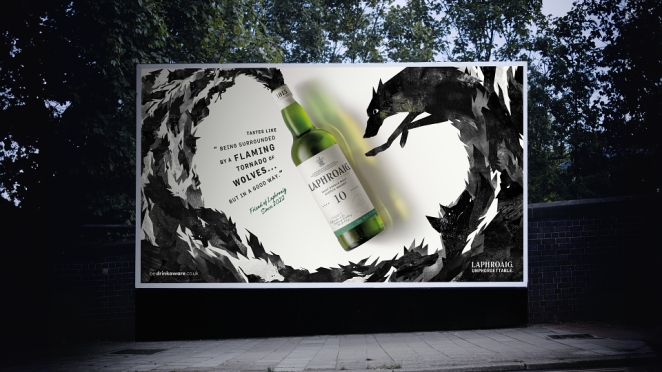
Design Bridge and Partners
Quite simply because consumers have changed – they’re digitally empowered, socially savvy, and allergic to anything that feels like old-school ads. With digital channels now accounting for roughly three-quarters of global ad spend, legacy formats like linear TV and print are no longer the default. The new ways to advertise your business span everything from TikTok trends to immersive real-world experiences, forcing creatives to rethink every assumption.
So, how are brands adapting their advertising strategies, and what advertising strategies will work in 2026? To find out, I’ve canvassed insights from Creativepool’s creative community and global industry experts to uncover a picture of creative advertising in flux. Agencies and brands are embracing new tech, doubling down on genuine human connection, and exploring fresh formats to cut through the noise.
I’ll dive into 10 advertising trends for 2026 that will shape the industry’s next chapter. From digital and social innovations to experiential and influencer evolutions (and everything in between) these are the trends every creative and marketer should watch. Buckle up: the future of advertising is coming in hot, and it’s more creative, connected, and challenging than ever.
1) AI Takes the Wheel But Humans Still Steer the Strategy
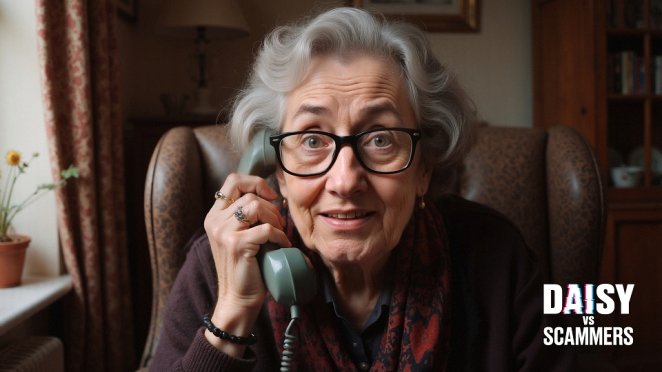
VCCP
AI isn’t “coming to advertising.” It’s already in the building, wearing a lanyard, and somehow has access to everyone’s shared drive.
Generative AI now sits across the production pipeline: concept exploration, copy drafts, social cutdowns, banner resizing, localisation, video edits, versioning, testing, optimisation. The most obvious benefit is speed. The more significant benefit is volume and not volume for its own sake, but volume as a new operating mode. Brands can now create dozens (or hundreds) of creative variants that would have been impossible to produce manually at the same cost.
That alone reshapes the advertising strategy conversation. Instead of asking, “Can the team produce enough assets?” the question becomes, “Can the team choose the right assets and keep them aligned to a coherent idea?”
Because the danger of AI in advertising isn’t that it makes everything worse. It’s that it makes everything good enough. And “good enough” is where distinctive brands go to die.
The split: output vs meaning
AI is astonishing at output: assembling, formatting, rewriting, translating, adapting. It can take a strong direction and produce a thousand expressions of it. But it doesn’t understand what it’s doing in the human sense. It doesn’t feel the difference between a line that’s merely correct and a line that lands with emotional precision.
That’s why 2026 becomes the era of AI + HI (Human Intelligence) not as a slogan, but as a survival mechanism. AI handles the heavy lifting and accelerates the craft. Humans keep ownership of the parts that still decide whether anyone cares: strategy, insight, taste, cultural nuance, and ethical judgement.
In practical terms, creative roles shift. Copywriters become curators, editors, and voice guardians. Designers become directors of systems rather than producers of every individual asset. Strategists become more important, not less, because somebody has to stop the machine from making a thousand meaningless things.
The “AI slop” backlash
The other driver here is audience fatigue. When content becomes cheap, feeds fill with low-effort sameness. The industry’s ability to generate content is now outpacing its ability to generate good content. That gap creates a backlash: consumers don’t just ignore bland AI output; they start to distrust it. They assume it’s automated. They assume it’s hollow. They assume it’s disposable.
Which is exactly why truly human creative becomes more valuable. The more the zone is flooded, the more premium is placed on work that feels made with intention: a point of view, a recognisable tone, a genuine understanding of culture.
Where AI actually wins in 2026
The smartest use cases aren’t “AI writes everything.” They’re:
- Rapid concept development: exploring angles, metaphors, variations, headlines.
- Asset adaptation: scaling a core idea across platforms and formats without degrading.
- Performance learning loops: using data to refine creative iterations faster than humans can.
- Localisation and personalisation at scale: adapting tone and message to audiences without rebuilding from scratch.
The brands that thrive treat AI like a creative amplifier, not a creative replacement. They set the standard, set the guardrails, and then let the machine run where it’s strong.
Bottom line
In 2026, AI makes advertising faster and more responsive but it also makes mediocrity easier. Human taste becomes the differentiator.
2) Personalisation Without Intrusion: Data-Driven Ads in a Privacy-First World
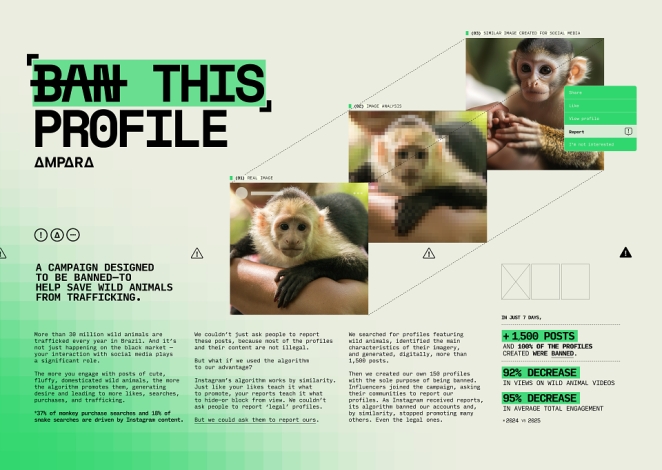
Edelman
Personalisation remains the holy grail. But in 2026 it comes with a condition: no creeping people out.
The past decade taught advertising to target with surgical precision. The next decade teaches advertising to target with restraint. The privacy-first era is now baked into the industry: regulators, platform changes, and consumer expectations all push the same direction. Third-party tracking is harder. Consent is scrutinised. Trust is fragile.
Yet the expectation for relevance hasn’t dropped. If anything, it’s risen. People still want the right message at the right moment, they just don’t want the sense that a brand has been rifling through their life to get there.
The personalisation paradox
This is the paradox of 2026: consumers reward relevance but punish surveillance. They’ll welcome a genuinely helpful suggestion in context but recoil when an ad reveals the brand knows too much, or when the targeting is clumsy enough to feel like stalking.
So the advertising strategies that work in 2026 focus on three shifts:
1. First-party data becomes king: Brands invest in direct relationships: loyalty programmes, subscriptions, community, gated content, memberships. The data is volunteered and permissioned — which makes it both more ethical and more reliable.
2. Contextual advertising comes back but smarter: Instead of following individuals around the internet, brands focus on context: the content being consumed, the moment, the mindset. A fitness ad in a training environment feels helpful. The same ad in a random feed feels like noise.
3. Creative modularity replaces creepy targeting: The future of personalisation isn’t just “swap the name in the email.” It’s creative that adapts by message frame: safety vs luxury vs sustainability, convenience vs indulgence vs value. The ad becomes flexible without becoming invasive.
Transparency as a competitive advantage
In 2026, transparency isn’t just compliance. It’s positioning. The brands that win are the ones that make the value exchange obvious: “Here’s what’s being used, and here’s what you get in return.”
That doesn’t mean a legal paragraph nobody reads. It means behaviour and communication that signals respect. Clear opt-ins. Clear benefits. Clear control.
Human-in-the-loop personalisation
AI makes personalisation easier: it segments, predicts, generates variants. But the critical layer is oversight. Human marketers still need to sanity-check the output: Does this sound on-brand? Does it feel respectful? Does it cross a line? Does it accidentally reveal inference?
Because one poorly judged personalised ad can torpedo trust faster than ten great ones can build it.
Bottom line
In 2026, personalisation survives by becoming empathetic and consent-led. The win isn’t “more data.” It’s better judgment.
3) The Return of Real Experiences: Experiential Marketing Makes a Comeback
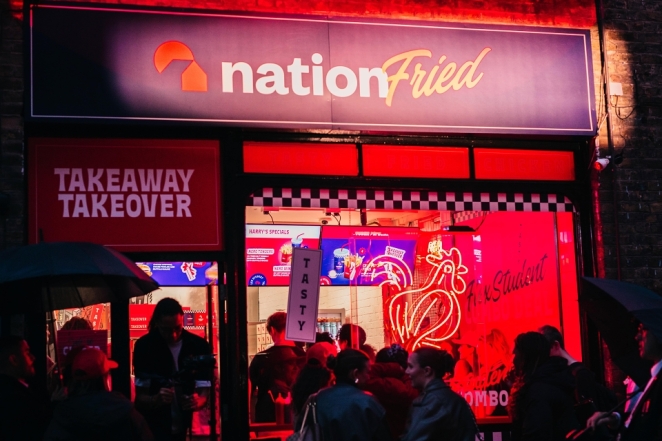
The Romans
After years of living through screens, people are craving friction. Real moments. Real places. Real connection.
That’s why experiential marketing returns in 2026 as a serious strategy, not a trendy add-on. In-person activations, pop-ups, stunts, community events, installations — brands are rediscovering what physical presence does that digital can’t: it creates memory.
Why IRL works again
Digital advertising is optimised for speed and efficiency. Experiential marketing is optimised for meaning. When somebody gives time to a physical experience, they’re offering the most scarce resource they have. That exchange creates a different emotional weight than a swipe-by impression.
And crucially, experiential isn’t anti-digital. It’s fuel for digital. A well-designed event generates content, conversation, earned media, and user-generated amplification. The “experience” doesn’t end at the venue.
Less gimmick, more utility
There’s a subtle evolution here. A few years ago, experiential got obsessed with shiny tech: VR headsets, AR filters, interactive screens. By 2026, the smarter experiences use tech to remove friction, not to show off.
RFID wristbands that streamline entry and unlock perks. Apps that personalise the experience without over-collecting data. QR codes that actually deliver value instead of dumping users onto a dead landing page.
It’s experiential design that respects time and attention.
Not just for mega-brands
The other 2026 shift is accessibility. Experiential used to feel like something only global brands could afford. Now smaller businesses and regional brands use experiences as a way to compete without outspending. A local workshop, community partnership, limited-time activation, or “brand moment” can outperform months of generic paid social — because it earns real loyalty.
Bottom line
In 2026, experiential marketing isn’t a side dish. It’s a memory engine and memory is what advertising is meant to create.
4) Social Media Grows Up: From Viral Hits to Community and Co-Creation
Raymon Bosquillos
Social media in 2026 is less about being loud and more about being owned. The era of chasing the meme of the day is exhausting and it’s not a strategy. It’s a slot machine.
Brands are learning that sustained value comes from:
- consistent formats
- recognisable voice
- genuine community interaction
- and content that fits the platform’s culture
From volume to resonance
The old approach (post everywhere, post constantly) produces noise. The new approach is selective and serial: a brand builds a “show,” not a calendar. It creates a repeatable format people can recognise and look forward to.
That might be a TikTok series. A recurring creator collaboration. A behind-the-scenes thread. A weekly community challenge. Whatever it is, it’s not random.
The end of the “unhinged brand” era
The industry flirtation with brands pretending to be chaotic teenagers is fading. It worked briefly because it was surprising. Then everyone did it. Then it became cringe.
In 2026, the brands that win have a voice that feels native and consistent — not try-hard. That doesn’t mean boring. It means rooted in brand truth.
Community as moat
Platform volatility has taught brands a hard lesson: if the algorithm changes tomorrow, your reach can evaporate. That’s why community becomes a defensive strategy. Brands build owned spaces: Discord, newsletters, podcasts, membership groups, creator-led communities.
Social becomes less like a billboard and more like a campfire: a place where people gather because it offers something worthwhile.
Bottom line
In 2026, social success isn’t measured by one viral spike. It’s measured by whether the brand built something people choose to return to.
5) Influencer Marketing Grows Up: From One-Off Posts to Long-Term Partnerships

Neil Smith
Influencer marketing doesn’t disappear in 2026. It matures.
The industry stops treating creators as “media placements with faces” and starts treating them as creative partners — because creators hold something brands struggle to earn: trust, attention, and cultural fluency within a community.
Partnership beats promotion
The shift is away from one-off sponsored posts and towards:
- long-term ambassadorships
- co-created campaigns
- creator-led product development
- recurring content series
- in-person creator activations
Why? Because audiences can spot a bolted-on ad instantly. The content feels fake, and the creator’s credibility takes a hit. Long-term partnerships, by contrast, feel like alignment and alignment is believable.
The micro-influencer advantage
As platforms splinter into niches, micro-creators remain powerful. A creator with 10,000 highly engaged followers in a specific community can outperform a celebrity with millions of passive viewers because relevance beats reach.
Brands in 2026 increasingly build networks of smaller creators rather than betting everything on one famous face. It’s more resilient, more authentic, and often more cost-effective.
AI influencers lose the romance
Virtual influencers had their moment as novelty. In 2026, novelty isn’t enough. Trust is the currency. Real humans (with real voices, flaws, and credibility) outperform digital avatars when brands need belief.
Behind the scenes, creators will still use AI to edit, script, analyse, and scale. But the human face remains the point.
Bottom line
Influencer marketing in 2026 works when creators are treated as collaborators, not billboards.
6) Purpose-Driven Advertising: Brands Stand for Something (or Risk Standing Aside)
Terry Shortland
Purpose-driven advertising in 2026 isn’t dead. But it is under trial.
Consumers still care about values — sustainability, inclusion, ethics, community, wellbeing. But they’re also exhausted by empty statements. The tolerance for performative “we believe in good things” messaging is paper-thin.
Purpose must show receipts
The key shift is accountability. If a brand claims something, audiences can fact-check it instantly. That pressure changes creative strategy. Purpose campaigns become less about grand declarations and more about:
- tangible actions
- measurable initiatives
- specific stories of impact
- honest acknowledgement of imperfect progress
Purpose that connects is operational. Purpose that fails is decorative.
Localised, community-first purpose
The most credible purpose work in 2026 often feels local and specific: supporting communities, funding programmes, changing supply chains, partnering with grassroots groups. These efforts are harder to fake and easier to believe.
And they create better advertising too because specificity is inherently more interesting than vague virtue.
Representation as standard, not stunt
Inclusivity in advertising isn’t a special campaign anymore. It’s expected. But there’s a difference between real representation and tokenism. Brands that get this right invest in diverse creative teams and voices, because authentic representation starts behind the camera, not just in casting.
Bottom line
In 2026, purpose is still powerful but only when it’s consistent, specific, and backed by action.
7) Branded Entertainment and Content: Ads People Want to Consume
If people can skip ads, brands must become worth watching.
That’s the driver behind branded entertainment’s continued rise: podcasts, docu-series, short films, editorial partnerships, creator-led shows, entertainment-first social content. The interruption model keeps weakening. The invitation model grows.
Brands as studios
More brands operate like publishers now. They produce content designed to earn time, not steal it. Some of it barely sells at all, at least not directly. It builds familiarity, affinity, and cultural presence.
The real challenge: quality
Here’s the problem: entertainment is hard. Most branded content fails because it either:
- tries to sell too much and becomes an ad, or
- entertains without connecting to the brand and becomes pointless
The winners in 2026 understand the balance. The content must be valuable on its own, while still expressing the brand’s worldview.
Measurement evolves
Branded entertainment is judged differently: watch time, completion rates, repeat engagement, brand lift, community growth and sentiment. It’s slower to prove, but it builds deeper equity.
Bottom line
In 2026, branded content wins when it’s genuinely good and when the brand’s role feels natural rather than forced.
8) Out-of-Home Advertising Reimagined: Digital, Data-Driven and Dynamic
Lee Stuart Shepherd
Out-of-home isn’t meant to be dead. It was meant to evolve.
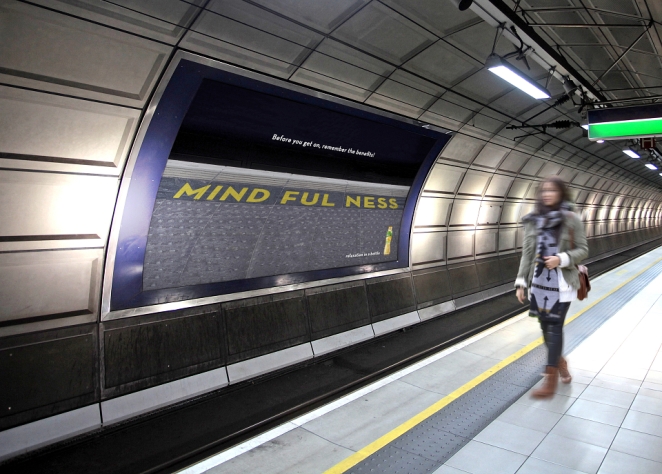
In 2026, OOH benefits from being the one channel people can’t “close.” Digital out-of-home (DOOH) accelerates that renaissance: programmable screens, dynamic creative, contextual triggers, and smarter buying models.
DOOH behaves like digital but feels physical
Digital screens allow rapid updates, A/B testing, time-based creative, weather-based messaging, location-based relevance. Programmatic buying lowers the barrier for smaller brands and increases flexibility for bigger ones.
But the magic is still physical presence. A standout billboard can create a moment. It can stop someone. It can become a photo. A share. A conversation.
OOH as content engine
The best outdoor work is built to travel online. An anamorphic 3D billboard, an interactive installation or a clever line placed in the right cultural moment becomes earned media. That’s the 2026 OOH play: make the real world feel like a set.
Bottom line
In 2026, OOH thrives because it offers what digital ads struggle to: unavoidable presence and shareable spectacle.
9) The New Era of TV and Video: Connected, Streamed and Shoppable
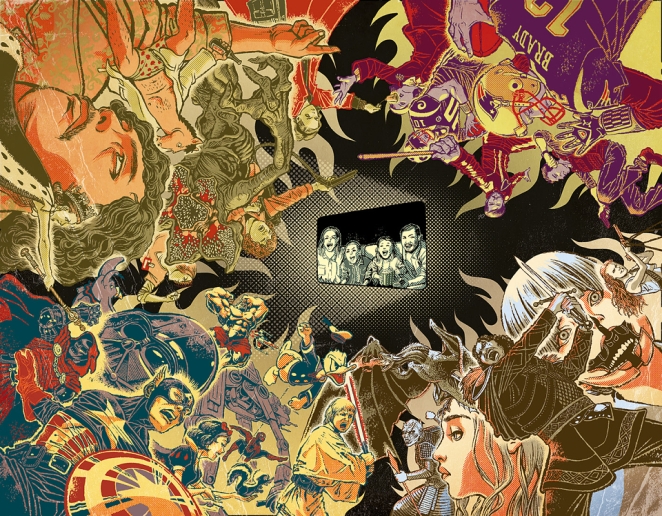
Javier Medellin Puyou
“TV advertising” in 2026 is basically shorthand for video everywhere. The audience is fragmented across streaming platforms, connected TV, social video, YouTube, live events, short-form vertical feeds, and creator ecosystems.
The strategic response is integration. Brands stop planning “TV” and “digital” separately. They plan the video journey across screens.
Connected TV continues its rise
CTV combines big-screen impact with better targeting and measurement than traditional broadcast. It also forces advertisers to get better at creative, because the living-room screen punishes weak work. A poor ad feels louder on a television than it does on a phone.
Shoppable video grows but only where intent exists
Interactive and shoppable formats keep expanding, especially in environments where viewers are already in discovery mode. The mistake brands make is trying to turn every piece of entertainment into a checkout funnel. The smart approach is friction reduction: when the desire is already there, make it easy.
Short-form influences everything
Even premium video borrows from short-form culture now: tighter hooks, faster pacing, platform-native versions, more experimentation with ultra-short formats. Brands build “video systems,” not single hero ads.
Bottom line
In 2026, video strategy is orchestration and the best campaigns are designed to live across screens without losing their core idea.
10) Agencies at a Crossroads: Big vs. Boutique and the Hybrid Future

The agency world in 2026 is reconfiguring itself.
Brands are questioning what they pay for. AI is compressing production costs. Clients want speed, accountability, and outcomes. The result is a landscape where both big networks and boutiques can win but only if they’re clear about their value.
Big networks: scale, systems, global consistency
Networks still matter for multinational rollouts, heavy media operations, integrated capability, and global governance. Their advantage is infrastructure.
Their weakness is friction: layers, process, overhead, slower decision-making.
Boutiques: speed, senior talent, specialism
Boutiques thrive on agility and direct access to senior minds. They’re better positioned for culturally sharp work, platform-native creative, and fast-turn campaigns.
Their weakness is scale unless they collaborate.
The hybrid reality
Most brands increasingly build an ecosystem: a lead strategic partner plus specialists for social, creator work, performance, production, and regional nuance. Agencies respond by forming alliances, modular teams, and flexible operating models.
At the same time, measurement pressure intensifies. “Nice work” isn’t enough. Clients want proof.
Bottom line
In 2026, the best agencies that will win are the ones that stay adaptable, collaborate well, and tie creativity to business outcomes.
What advertising trends should brands focus on in 2026?
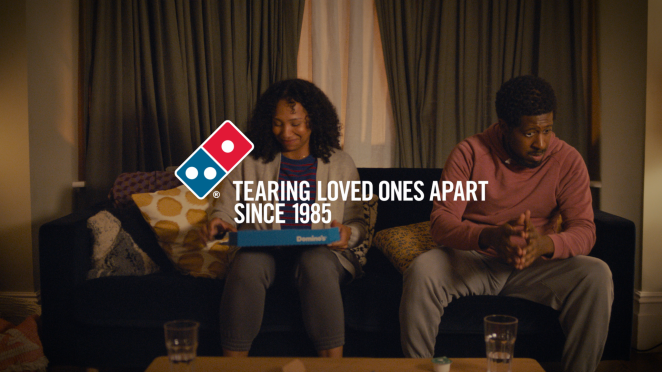
VCCP
Across all ten trends, the same theme repeats: audiences are not just evaluating ads. They’re evaluating brands as participants in culture and actors in real life.
AI makes production cheap. Privacy makes trust expensive. Social makes reputation fragile. Experiences make memory powerful. Creators make authenticity rentable but not buyable. Purpose makes hypocrisy punishable.
So, the question for the future of advertising in 2026 isn’t “What new format should be used?” It’s both simpler and harder: What does the brand deserve to be believed about and can it prove it?