

As AI rapidly reshapes the creative landscape, there's one debate ithat seems to be front and centre in the mind of creatives: are we witnessing the slow erosion of culture, or its next great reinvention? From automation tools in design to algorithm-driven outputs in writing and music, AI is changing not just how we create—but what creativity means.
In this piece, some top creative leaders reflect on what’s at stake, what’s possible, and why the future of culture still depends on something AI can’t replicate: the human touch.
Becky McOwen-Banks, Founder, Plain:ai and ECD, House of Greenland
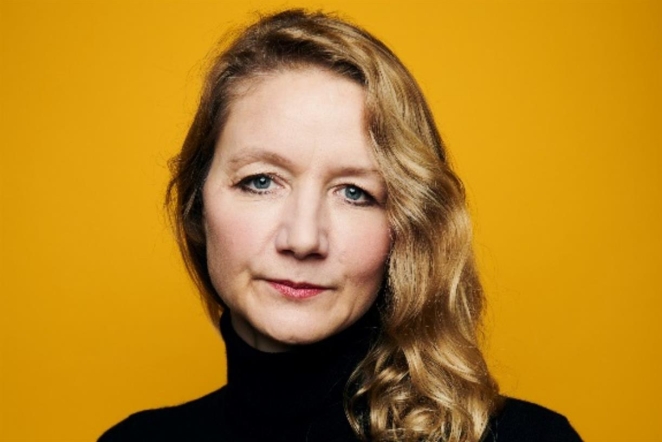
Oh, the age-old dance between creativity and technology! As someone who’s been in the creative trenches for over two decades, I’ve seen trends come and go, but AI? That’s a whole new rhythm. Let’s chat about how this digital maestro is influencing our creative symphony.
AI: The New Kid on the Creative Block
Remember when Photoshop was the new frontier? Now, AI tools are the shiny new toys in our creative arsenal. They’re assisting in everything from generating catchy taglines to designing intricate visuals. It’s like having an intern who never sleeps and processes data faster than we can say “brainstorm.” Personally, I’ve found AI to be a nifty sidekick, helping to sift through data and spark ideas I might not have stumbled upon otherwise.
The Fear of a Homogenized Creative Soup
But here’s the kicker: with AI learning from existing data, there’s a niggling worry about churning out cookie-cutter content. If everyone’s feeding the same algorithms, are we all just remixing the same old tune? The thought of a world where all creative work starts to look and feel the same gives me the heebie-jeebies. Authenticity and those quirky human touches are what make art resonate, after all.
Striking the Right Chord
So, where does that leave us? In my experience, it’s all about balance. Embracing AI’s capabilities can free us from mundane tasks, giving us more room to let our imaginations run wild. However, it’s crucial to keep our fingers on the cultural pulse, ensuring that our work remains fresh, diverse, and genuinely human. By blending AI’s efficiency with our unique perspectives, we can reinvent culture without losing its rich tapestry.
James Kirkham, Founder at ICONIC
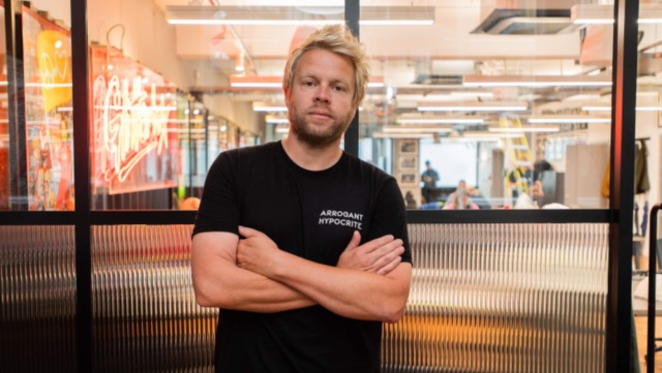
It isn't AI alone homogenising culture as frankly humans with spreadsheets did that years ago.
Long before ChatGPT, we'd already surrendered to algorithmic thinking, with the pervading sea of sameness and the tyranny of the algorithm all encompassing. Everything looks the same, sounds the same. We follow other recommendations and have been sleep walking into an algorithmically created beige vanilla world.
So, AI is simply holding up a mirror to our corporate creative bankruptcy.
What AI lacks entirely is the ability to create from authentic lived experience. The messiness, weirdness, and unquantifiable cultural specificities that make creativity resonant rather than merely competent.
Every AI output fundamentally represents averaged data, a statistical approximation of what creativity looks like rather than the genuine article. The truly innovative work emerging now comes from creatives using AI specifically to escape the tyranny of data-driven mediocrity that preceded it.
The future will be decided on whether we maintain spaces deliberately protected from algorithmic influence. Physical studios, in-person collaborations, and community-driven creative havens will become increasingly valuable.
These will not be as nostalgic artifacts but as essential incubators for the cultural distinctiveness that algorithms can only reference but never generate.
Valeria Salas Montero, Post-Producer, POD LDN
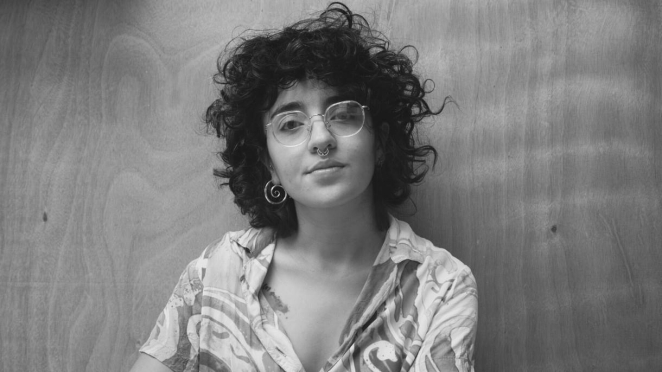
Creativity involves more than just technical skill, in my opinion it requires unexpected inspiration, novelty, and meaningful value, things that are not yet entirely describable; all rooted in human experience and subjective engagement with the world. AI software’s are trained to copy and create from already existing human pieces of art and knowledge. The re-evaluation of culture and knowledge is already happening, but there are many voids. Technology advances faster; it takes longer for humans to reevaluate possibilities and boundaries.
AI re-evaluation should also start from education in all forms. We need to incorporate critical thinking about AI's impact in our daily lives, otherwise there will be less and less room for thinking and questioning what is sold as a great technological revolution. There is a major need for ethical reflection and philosophical analysis about AI, without demonizing it, but ensuring that future creators can use and enjoy its potential while understanding its threats.
I don’t think art and culture are getting lost, however it is always being reinvented or transformed, independently from AI and technological advances. Art and culture are a conglomerate of historical events and multiple evolutions that will be always attached to human’s actions and experiences, by definition culture can’t be lost, it can transform and evolve, whether or not it does it in an ethical direction.
Al Mackie, Chief Creative Officer, RAPP
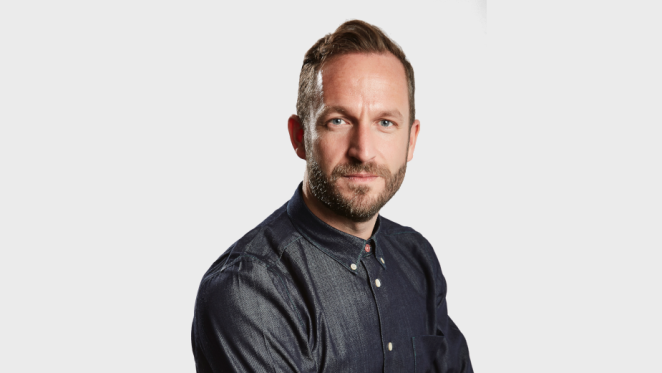
Let’s get one thing straight, AI isn’t killing creative culture. But we will - if we treat it like a shortcut instead of a collaborator. David Bowie claimed that “Tomorrow belongs to those who can hear it coming”. And if you’ve been in this industry longer than a few years, you’ve heard it coming (loudly). The question is, are we adapting with intent or reacting out of fear?
I remember using a Grant Enlarger to project reference images onto layout paper. Sweating under hot bulbs just to get the scale right. Then came Photoshop and people said we were waving goodbye to real craft. Every creative leap forward triggers the same anxiety. But tools are unlikely to kill culture in our industry - complacency does.
AI is no different. It doesn’t replace creativity, it reveals whether it was really there in the first place. It shines a light on the formulaic, the generic, the uninspired. And if we let it, it pushes us to be better. It’s already happening - AI agents are starting to shape how people discover and interact with brands in e-commerce - they’re acting like intuitive personal shoppers that curate dynamic, personalised journeys. Often with little or no understanding of a “brand”.
As creatives, this forces us to rethink how our work lives, moves, and flexes in this environment among others. Static brand stories aren’t enough anymore. We’re moving from an age of big ideas to an age of a million little big ideas - personalisation is key. But here’s the catch: AI can’t replicate cultural nuance. It can remix the past, but it doesn’t understand context unless we feed it that context. That’s where we still matter. Our lived experience, our ability to see subtext, contradiction, and emotional tension - that’s what brings meaning to the work. For now.
AI isn’t a threat to creative culture, it’s a mirror and a multiplier. It reflects our inputs, our biases, our brilliance, and it scales what we feed it. The question isn’t whether AI is diluting culture, but whether we, as creatives, are feeding it with depth, diversity, and daring.
The best creatives I know aren’t scared of AI. They’re using it to break patterns, test ideas, explore faster. It’s not replacing their thinking - it’s expanding their runway. But they’re also clear on the why. That part hasn’t changed. So, is culture being lost? No. But it is being stretched, redistributed, and redefined. And if we want a say in where it lands, we need to lead that remix.
Final Thoughts
What really matters with AI is not what it does for us but how we choose to use it. Left unchecked, it risks amplifying sameness and diluting originality. But in the hands of thoughtful, curious, and critical creators, AI can help us break away from the blandness it mirrors.
The real creative edge will belong to those who use AI without surrendering to it, staying rooted in real experiences, and pushing for meaning over mechanics.
Becky April 16th, 2025, in the morning
Great summation. Love our points cover everything from the importance of in-person to the breadth of what culture means.Thanks for asking me to contribute.