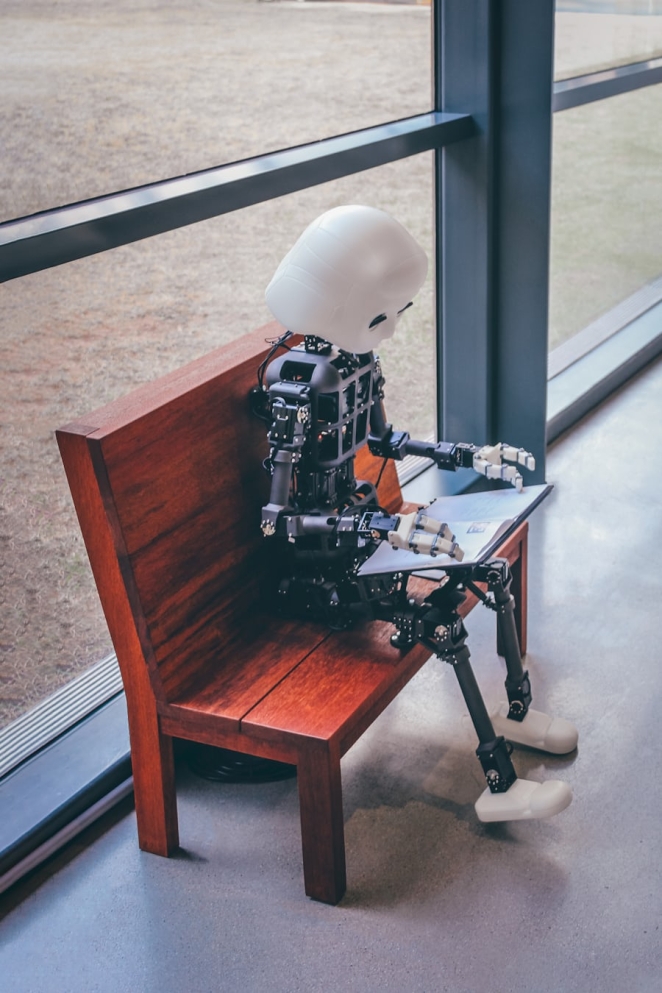

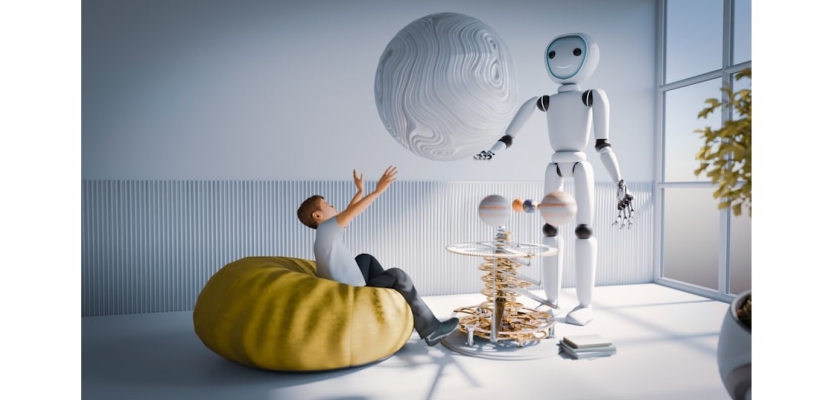

Design has always moved in waves — print to digital, skeuomorphism to flat, static to motion. But 2026 marks something different: for the first time, designers aren’t just designing for people. They’re designing for machines that read, summarize, and act on their work before a human ever sees it. That shift is quietly becoming the defining story of this era.
What the Research Shows
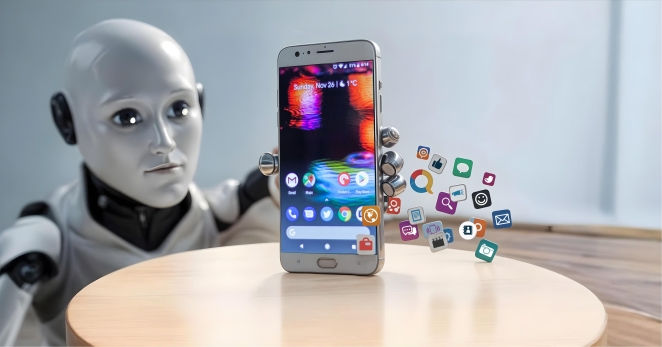
Across major industry reports this year, one tension keeps surfacing: the pull between automation and authenticity. Adobe’s 2026 Creative Trends Forecast found that as AI, AR, and gaming saturate daily life, audiences are craving content that feels tactile, sensory, and unmistakably human. Canva’s research points the same direction, with searches for lo-fi, imperfect, and “zine-style” aesthetics rising sharply as people push back against polish for polish’s sake. At the same time, adoption data tells the opposite half of the story: most designers now use AI daily for early concepting and iteration. The research isn’t contradictory — it’s describing two forces rising together, not one replacing the other.
What the Market Is Doing
Companies are responding to this tension with real structural change, not just aesthetic trends. Design teams are being asked to build for “agents” as well as end users — a shift some are calling Machine Experience (MX) design, where semantic clarity, structured content, and clean information hierarchy matter as much as visual polish, because AI tools are now the first “reader” of a site or product for many users. Meanwhile, design leadership is consolidating: businesses are investing in designers who can move fluidly between craft, data, engineering constraints, and business strategy, rather than specialists who only produce visuals. The market is rewarding range and judgment, not just execution speed.
What Users Actually Need
Strip away the trend reports and a simpler truth remains: people are tired of feeling automated at. They want products that feel considered — interfaces with warmth, texture, and a point of view, not generic outputs assembled at scale. But they also want speed, personalization, and intelligence baked into their experiences. Users don’t experience this as a contradiction; they simply want technology that respects their time and their humanity at once. That’s the needs-gap every designer is now being asked to close.
So, What’s the Next Big Thing?
The next big thing in design isn’t a style — it’s a role change. Designers are shifting from being makers of artifacts to being curators of meaning: the people who decide what stays human, what gets delegated to AI, and how the two are stitched together so the seams don’t show. The winning design work of this era won’t be defined by a color palette or a UI pattern. It will be defined by intentional authorship — using AI to expand exploration and speed, while reserving human judgment for the decisions that actually shape how something feels, means, and connects.
Think of it as the era of the Design Conductor: less about drawing every note yourself, more about knowing which instrument should play which part, and making sure the whole thing sounds like something, not everything at once.
How to Get There
1. Treat AI as a sketching partner, not a decision-maker. Use it to generate volume and variation early, then apply human judgment where it counts — tone, hierarchy, emotional beats.
2. Design for two audiences at once. Structure content and interfaces so they’re legible to both humans and the AI agents increasingly summarizing your product for others — clear semantics, strong information hierarchy, no more hiding meaning in pure visuals.
3. Protect a signature of imperfection. Deliberately keep hand-made textures, honest photography, or unpolished moments where they build trust — these are becoming differentiators, not shortcomings.
4. Build range, not just depth. The most valuable designers this year are comfortable in strategy conversations, data reviews, and engineering trade-offs — not only in Figma.
5. Test for feeling, not just function. Usability still matters, but the products people remember are the ones that made them feel something real. Design decisions should be evaluated against both metrics.
The next big thing in design won’t announce itself with a new font or a new gradient. It will show up quietly, in teams that figured out how to let machines do the heavy lifting while humans kept hold of the meaning. That’s the work worth doing right now.