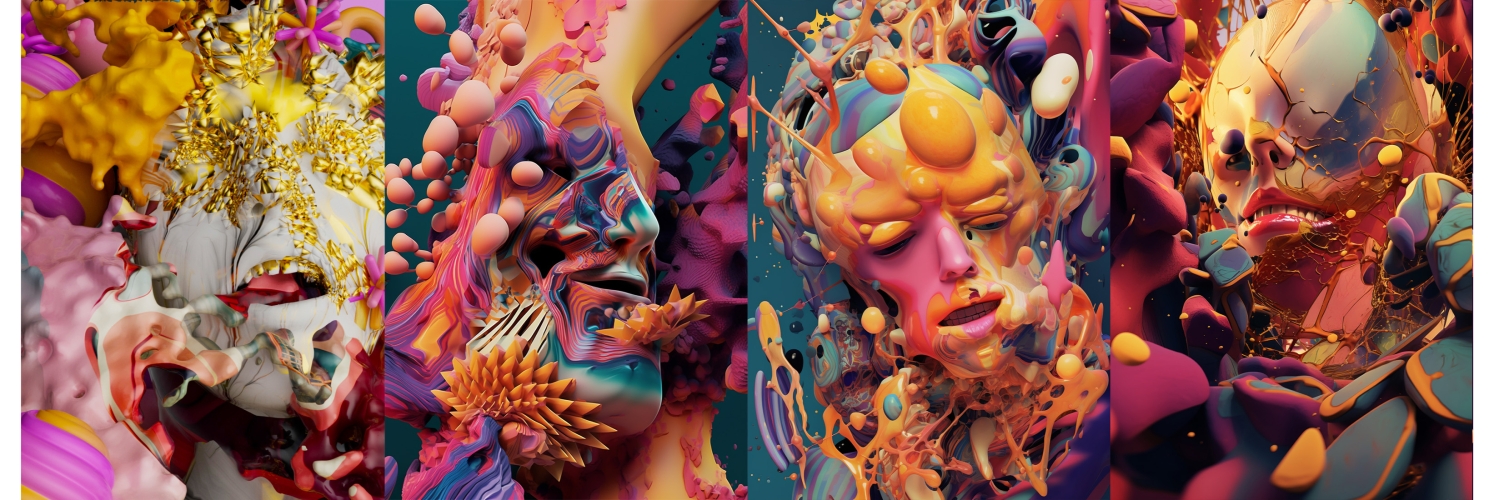


From the dynamic halls of SEGA to the vibrant world of freelance motion graphics, Akane Hiraoka has carved a unique path in the creative industry. Beginning as an artworker at the renowned video game company, they transitioned into motion graphics, honing their skills in SEGA's video suite.
Now based in London, Akane infuses energy and vibrancy into every project, drawing inspiration from diverse sources and maintaining a relentless passion for creativity. Their journey exemplifies the power of setting realistic goals and embracing continuous self-improvement.
How did you get into the industry?
I started my career as an artworker at SEGA, a video games company. After a few years, I was given a position in their video suite, where I honed my motion graphic skills.
Where are you based now and who do you work for?
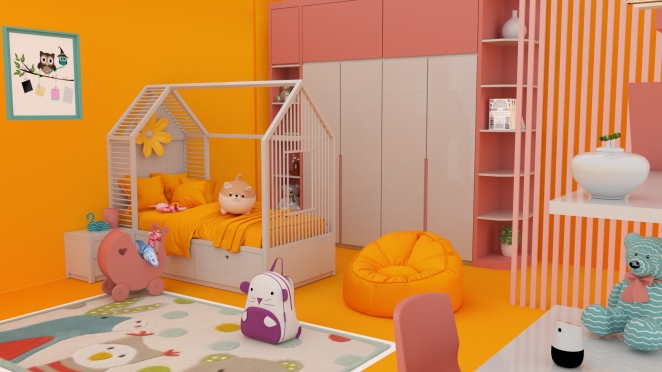
I’m based in London, working as a freelancer.
If you weren’t in your current industry, what would you be doing?
Creating pots.
Can you explain your creative process? What makes it unique?
I start off dissecting the brief, followed by several hours of research. The key to ensuring uniqueness lies in the initial research phase. It’s crucial to explore a diverse array of potential avenues before delving into the creative execution.
How would you describe your style?
Vibrant and energetic.
Which individuals do you gain inspiration from? Do you have any heroes in the industry?

Although he’s not from the industry, I have great respect for Shohei Ohtani, a Japanese baseball player who has not only emerged as one of the greatest baseball players of all time but has also demonstrated an exceptional level of foresight and goal management. In his teenage years, Ohtani created a ‘Goal Management Sheet’ to guide him in achieving his aspirations.
He broke down significant goals into smaller, actionable steps and maintained an unwavering focus to execute each task. He recognised that merely having a broad overarching goal is insufficient; real progress comes from systematically breaking it down into manageable steps, steering the trajectory in the right direction.
Ohtani’s approach to goal management has not only helped him improve his skills but also developed his personality. Establishing trust with colleagues is crucial in any work environment, so I've also designed my Goal Management Sheet that focuses on both my personal and professional development.]
What tips would you give to aspiring creatives looking for work?
Showcase a range of work in your portfolio that demonstrates your versatility and creativity. If you don’t have enough samples to show, create some projects on your own. And that’s what I did when I first started as a freelancer.
What tips would you give to other professionals to get more clients?
Produce some experimental pieces that show your ability to take risks and succeed in them.
What kind of tools/kit/software could you not do without?
PSD, AE, C4D, UE and Stable Diffusion.
What’s your secret to staying inspired and motivated?
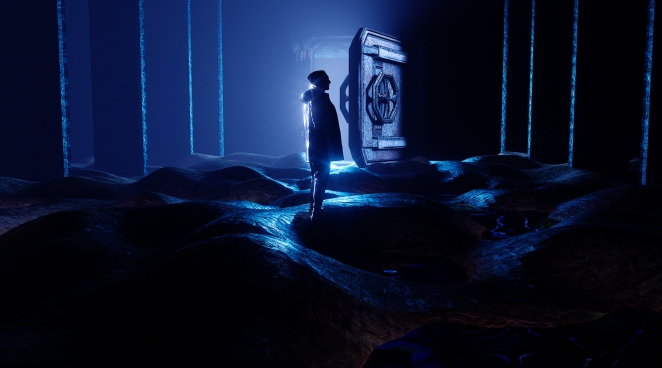
For me, traveling, reading about art, and being grateful for each day are ways to stay inspired and motivated.
What’s the work achievement you’re most proud of?
The work achievement I’m most proud of is reaching my current position. I set small and realistic goals for myself and worked hard to achieve them. Each time I accomplished a goal, I challenged myself to aim higher and improve my skills. This is how I progressed in my career.
What is the one thing that you would change about the industry?
The industry could benefit from more collaborative projects that involve diverse practices, like dancers and scientific researchers.
Any websites, books or resources you would recommend?

There are so many websites I want to recommend, but here are some of the websites that inspire me. artcom, makemake, momentfactory, altcinc, gmunk, sabukaru, dvein, jordipages