


Rickie Marsden once found himself staring at a bag of sex toys on his desk, tasked with dreaming up a campaign for Ann Summers—so he built a vibrating desk chair. It was a bold move for a fresh graduate straight off the ad placement circuit, and it set the tone for an unapologetically innovative career.
Fast-forward to today, and Marsden is Executive Creative Director of 3rdspace in Sydney, melding boundary-pushing concepts with heart-driven purpose. In this interview, he opens up about his working-class roots, forging an award-winning path from the UK to Australia, and why a notepad and pen are still his most powerful tools. Buckle up for a conversation that spans from humorous to heartfelt, revealing the creative secrets of an industry maverick.
How did you first get into the industry?
I went straight from my advertising degree at UCLan into the ad placement circuit with my partner. Propaganda was a highlight in Leeds.
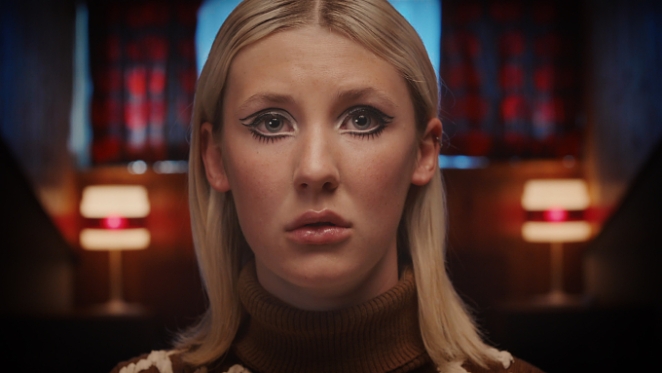
One day in the office we got a bag of sex toys dropped on the desk and got told to come up with things for Ann Summers, so naturally, we made a vibrating desk chair. Then the wonderful Gary Fawcett & Lisa Nichols gave us a permanent home at their TBWA offices.
Where are you based now and who do you work for?
Last year I made the long flight over to Sydney from the UK and I am now heading up an agency called 3rdspace. It’s a weird and wonderful blend between a traditional agency and a full-blown production operation. I love it because I feel like a kid who has been given the keys to a toy factory.
I especially love our approach to building teams for clients. We don’t restrict ourselves to people we currently have in the building. We find the best talent globally that we want to make the work great, and find a way to bring them together.
What is your personal background and what role did it play in your career?
I am from a very working-class background, so I had never heard about advertising or knew it could be a career. So imagine my glee when I found out I could be both a problem solver and a creative all-in-one. A far cry from what the careers advisor said was possible when I was at school.
If you weren’t in your current industry, what would you be doing?
This is going to sound cliche but this job is exactly what I have always wanted to do. I think it does a disservice to our industry when creatives act like they are selling their soul to work in advertising when really they want to be a novelist, poet, painter etc.
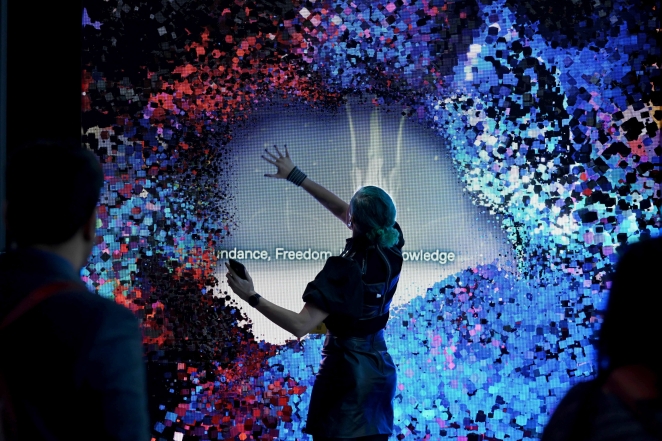
You should be passionate about the work we do, just look at what we get to make every day. There is nothing like it. Saying that, I’m a cracking baker.
Can you explain your creative process? What makes it unique?
I wouldn’t say it was unique but my process usually involves checking the landscape and what makes it boring, and then trying to do the opposite. I think a good place to start is always to do the thing you shouldn’t do and then go from there. Writing an advert about putting a charity in your will? You wouldn’t show the death part, would you? Then start there.
How would you describe your style?
I always like to do a bit of good with the work that I do, so whilst that isn’t really a style, I would say that is a place where a lot of my work comes from. That or just having a little bit of fun with things, if you can make one person smile a day you’ve left the world a better place.
Which individuals do you gain inspiration from? Do you have any heroes in the industry?
So many, it’s hard to keep track. My number one would be Vicki Maguire. Her name needs no introduction but I just think she is astounding and is one of the greats of advertising in the UK and the world.
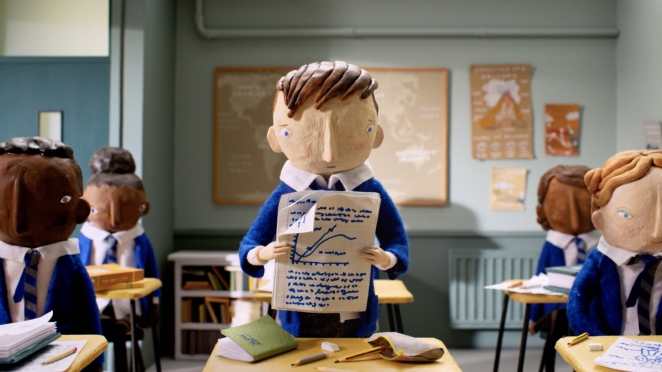
My next would be John Osborne. I have never met anyone as tenacious and as dedicated as him, he just has a way of making things happen. Plus his mind works at ten times the speed of anyone I have ever worked with. If I could hire anyone in the world, he would be my first choice.
What tips would you give to aspiring creatives looking for work?
Agencies already have so many people who know how to do the job, that is not your goal with a portfolio. Your main goal is to show how you think differently from other people in the building, your unique perspective. Show them how you think and you won’t go far wrong.
What tips would you give to other professionals to get more clients?
Don’t try and claw briefs out of potential clients, look for ways you can help them and be generous with your thinking. Know an amazing partnership for a brand but it won’t necessarily help you out? Make the introduction. Know an amazing person to fill a role with a client, bring them together.
At the end of the day, we are a people industry, and people remember good people. That client at a small brand you helped create a campaign for might one day be heading up a department at Google.
Can you share a memorable experience from your career journey that shaped your approach to creativity?
Redundancy. It is all too common in our industry and just something everyone will probably go through a few times in their career unless they’re insanely lucky. But for me, redundancy kicked me in the arse to make sure that every single piece of work in my portfolio was top-notch.
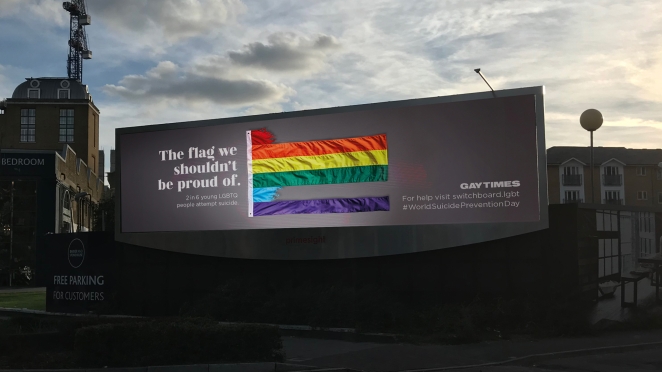
I created a brand new portfolio for different agencies showing work that could be done for their portfolio of clients. I figured if I could solve one of the problems they have on the back burner, or give them something cool to show off to a client, I’d be in with a shot. Luckily it worked.
What kind of tools/kit/software could you not do without?
Here is where my ad wanker side comes in, my notepad, pens and page markers. Computers are amazing but I have not found anything that is as freeing to the creative process as a good old-fashioned notepad and pen.
A computer screen is an automatic filter to your thinking, you can edit, you can tweak, and you think about it too much in the process of typing it out. Write in pen. Write it down. Use page markers to highlight your gold.
What’s your secret to staying inspired and motivated?
I’m not sure I have a secret because I have never really reached a point where I was sick of it. Yes clients can be intense, the work bolitics can be disheartening, but at the end of the day, we get to make something new every single day. It’s hard not to be motivated by that.
What’s the work achievement you’re most proud of?
I think it would have to be the work we did for the NSPCC/Childline. ‘Nobody is Normal’ is a few years old now but it is a piece of work I will be proud of for the rest of my career.
You look at it cold and think ‘so they are showing kids as these grotesque monsters wearing skin suits’ and yes we did do that, but it was crafted from a universal truth that no one feels normal, and we are all trying to pretend when we don’t need to. It was crafted beautifully down to the finest detail and I think that is what makes it special.
As someone with experience in the industry, what trends do you foresee shaping the future of creativity?
I think there are a few things shaping the industry at the minute. The biggest one is a void of talent and knowledge sharing. Yes, remote working is incredible and has helped even the playing field in the industry, but for younger talent, I think it is so important to be surrounded by the experts you work with.
I learnt some of my most valuable skills by just being in a creative environment surrounded by thinkers and doers. It is hard to absorb that magic through a screen at home.
What do you think sets apart truly exceptional creatives from the rest of the pack?
Hunger. You can teach people skills, no problem. What you can’t teach is that fight and passion to keep wanting to do more, push further, best yourself. You can nurture and build hunger, but it has to be there.
How do you think technology has influenced the creative industries and how have you adapted to these changes?
I think AI has made a mockery of the craft in a lot of work we do in advertising. It can be used as a tool, but by its very nature it can’t create something individual. It’s an amalgamation of the knowledge it has stolen from others.
AI to me is the equivalent of having a board vote on creative ideas, it kills work with a thousand tiny cuts. No individuality or perspective. We are seeing a lot of work go internal with clients, but in five years in the sea of same, clients will be crying out for agencies again. Break the grammar, f*ck the rules, do it wrong but in the right way. I just hope some of them can weather that storm.
What is the one thing that you would change about the industry?
Pitching. I absolutely love it, but I think the way it currently works is broken. It shouldn’t be a free process that brands get to be a part of. It should be paid for. You're getting the best talent across agencies, working at a pace regular clients are rarely afforded, being the most creative they have ever been. That is a privilege, and it should be paid for.
Any websites, books or resources you would recommend?
One I always recommend to people studying advertising is The Advertising Concept Book by Pete Barry. It is a great foundation for knowledge as begin learning about the industry and the process of forming concepts.