
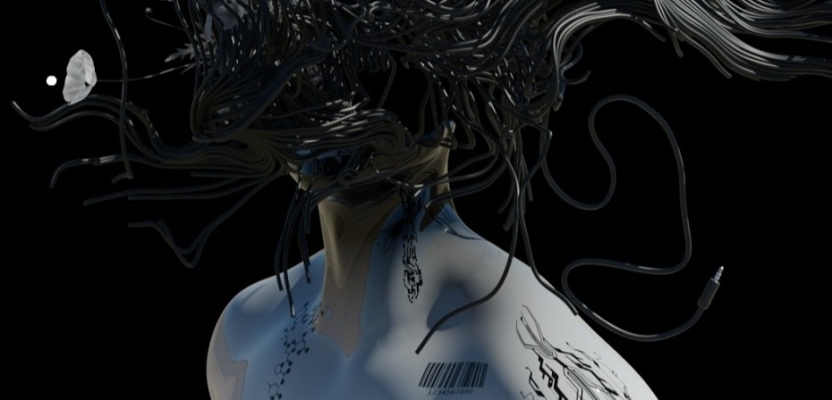

Artificial intelligence (AI) has become a central force within the creative industries. Indeed, if you were to believe the naysayers, it poses and existential threat, or at very least a fundamental reimagining of what it actually means to be a creative. The year 2024 marked significant milestones in AI's adoption, but was 2024 the definitive year of AI’s creative revolution, or is the real transformation yet to come?
As I explore this notion today, I’ll draw insights from several creative leaders and a host of industry trends to provide a clearer picture of AI’s evolving role in our industries.
2024: The Year AI Became a Creative Companion
Simon Levitt, Global Creative Technology Director at Imagination, believes 2024 was the year AI moved from novelty to necessity:
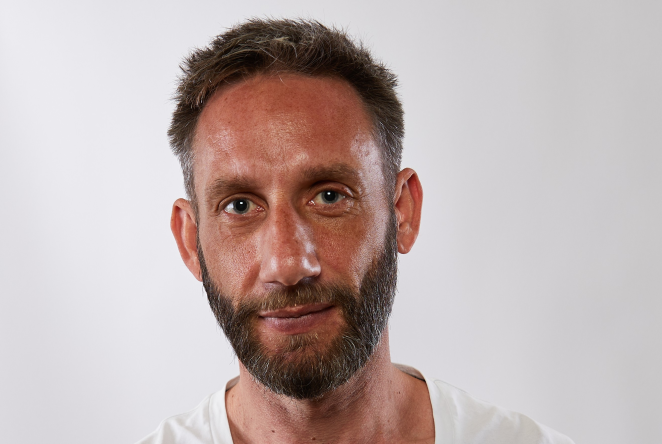
"If your organisation isn’t already integrating AI tools into its day-to-day processes, you’re already behind. 2024 was the year AI went from being a curiosity to a companion, enhancing ideation across copy and imagery."
This shift has been evident in the widespread adoption of AI across the creative spectrum. For example, Manchester City Football Club partnered with Puma and AI company DeepObjects to involve fans in designing future kits through AI-powered tools. This initiative exemplifies AI's potential to democratise creativity, making design more accessible while fostering deeper audience engagement.
However, Levitt also tempers this optimism with realism:
"Legal, ethical, and copyright complexities mean Gen AI outputs often can’t cross the finish line as polished deliverables. They need creative oversight."
This highlights an important limitation of AI in 2024—it enhances ideation but still requires human refinement to ensure brand alignment and originality.
The Rise of AI-Powered Tools: Democratisation or Devaluation?
Stefan Falconer, Executive Creative Director at Golden Wolf, points to the “explosive development” of AI tools as a defining moment in 2024. He notes:
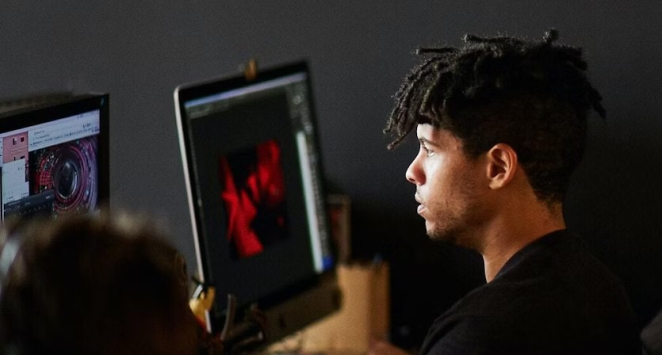
"We’ll likely see mass adoption of these technologies, streamlining workflows and fostering creative innovation. However, this will also affect the value of creative work, making it more attainable and accessible to broader audiences."
This dual-edged sword raises critical questions: As AI democratises access to creativity, does it risk devaluing the artistry and skill traditionally associated with creative professions? Tools like Canva, now embedding advanced AI functionalities, enable non-designers to create professional-quality visuals with ease. While this is a boon for accessibility, it challenges the perception of creative expertise.
The Resistance Movement: A Pivot to Human-Centred Design
Interestingly, Falconer predicts a countermovement within the creative community:
"In response, we foresee a growing resistance to AI—particularly generative AI—within the design community. This could spark a sharp pivot toward bespoke, human-centred design."
This resistance is already gaining momentum. Concerns about AI “cannibalising” creative industries have been raised by prominent figures such as Julianne Moore and Thom Yorke, who advocate for stricter regulations and greater oversight. This resistance could lead to a renaissance of traditional craftsmanship, where creatives emphasise individuality and skill in their work.
Falconer elaborates:
"We imagine a movement emerging that prioritises craft and artistry, inspiring designers to explore more traditional and maximalist approaches that celebrate creative skill and individuality."
If this prediction holds true, 2025 could witness a dual narrative—one where AI continues to drive efficiency and innovation, and another where human creativity reasserts its irreplaceable value.
Looking Ahead to 2025: The Execution Phase of AI?
While 2024 laid the groundwork for AI’s integration, Levitt believes 2025 will usher in its next phase:
"2025 will undoubtedly bring more advanced tools and seamless integrations. Perhaps then, AI will take us beyond ideation and into execution, where creatives remain the final guardians."
This next step could see AI tools evolving from ideation aids to execution partners. Enhanced technologies like Adobe’s Firefly, which allows real-time generative design, and platforms embedding AI into content creation workflows are paving the way. The creative industry is also expected to witness improved regulatory frameworks addressing ethical, legal, and copyright concerns, making AI outputs more viable for final deliverables.
Challenges and Opportunities: Navigating an AI-Driven Creative Future
The rise of AI brings both challenges and opportunities. On one hand, AI's integration can drive efficiency, reduce costs, and unlock new realms of creative exploration. For example, brands like Heinz and Coca-Cola have leveraged generative AI to create captivating campaigns that resonate with audiences.
On the other hand, the rapid proliferation of AI raises ethical dilemmas. Issues such as data privacy, bias in AI algorithms, and the potential loss of creative jobs must be addressed thoughtfully. Furthermore, as Levitt emphasises, creatives must adopt these technologies wisely:
"The real challenge lies in adopting these technologies wisely to push boundaries while preserving the authenticity and originality that make great work unforgettable."
The Market Perspective: A Booming AI Industry
The broader market outlook underscores AI’s growing importance. The global AI market, valued at $214 billion in 2024, is projected to reach $1,339 billion by 2030, highlighting substantial investment and growth. Companies like Canva are leveraging AI not only to streamline workflows but also to empower users with minimal technical skills to create professional-grade designs.
This investment signals a long-term shift in how AI will shape creative industries. However, as Falconer notes, the democratisation of design also creates tension around the perceived value of creative work, emphasising the need for a balanced approach.
Striking the Balance: Human Creativity and AI Innovation
As we stand on the brink of 2025, the creative world faces a crucial juncture. AI has proven its capacity to revolutionise workflows, enhance accessibility, and spark innovation. Yet, it has also raised existential questions about the nature of creativity, the value of human artistry, and the ethical boundaries of technology.
Falconer encapsulates this sentiment:
"Whatever unfolds, we're excited to be part of that journey and to contribute in some way to the direction it takes."
Whether 2025 will be the year AI truly transforms the creative world remains to be seen. However, one thing is certainly clear: The future of creativity will not be defined solely by machines but by how human beings harness and integrate these technologies into their working lives. By balancing the efficiency of AI with the irreplaceable spark of human imagination, the industry can forge a path that celebrates both innovation and artistry. As long as we don’t take it too far.