

For years, creative professionals from all walks of life (myself included) took comfort in the idea that their jobs were safe from automation. It wasn’t supposed to be us (the writers, designers and artists) who’d have to worry about machines because our gifts were so innately human, right?
Then the AI boom happened and in a matter of months, social feeds and studios filled with content generated from a text prompt, and suddenly the future of many creative roles was thrown into question. Research began quantifying the threat: generative AI could potentially automate 26% of work tasks in arts, design, entertainment and media. From copywriting to concept art, AI is making certain jobs either irrelevant or completely different in their day-to-day function.
The impact is global, but especially felt across the UK and US creative industries. In advertising, for example, major agency groups are rapidly rolling out AI-generated campaigns and big tech companies are launching tools to auto-generate ads, prompting fear of “widespread job cuts at agencies”.
One UK ad executive flatly predicts “AI will disintermediate a large number of jobs,” particularly in production and routine execution tasks. In the US, media and tech CEOs have been even more blunt. The former CTO of OpenAI, Mira Murati, mused that “some creative jobs maybe will go away” – sparking backlash and debate about whether those jobs “shouldn’t have been there in the first place,” as if creative work were simply inefficiency to be optimized.
Some jobs maybe will go away but maybe they shouldn’t have been there in the first place
And just to underline the reality: the CEO of one tech firm boasted of saving $10 million in a year by replacing human photographers with AI-generated imagery for marketing content. Faced with these trends, a mid or late-career professional might understandably feel a chill. Is this the end of the road for my career? Far from it. History reminds us that creativity has weathered technological disruption before.
Each new tech shift has inevitably killed some jobs but also allowed us to be more productive human beings. The lesson? Adaptation is possible, and those who pivot can continue to thrive. In fact, the creative job market has remained resilient so far.
Many companies are still actively hiring for creative roles with 55% of creative managers still looking to add new roles according to a recent survey. Beneath the headlines of doom, demand for human creativity persists.
So if you’re a seasoned creative professional, how do you navigate this turbulent landscape? The answer lies in embracing reinvention.
Embracing a Mindset of Continuous Learning
Tristan Paul Guinid
Staying relevant in a world of AI starts with mindset. Creative pros with 20 or 30 years’ experience can’t rest on their laurels; instead, they need to become lifelong learners. Fortunately, many older creatives are already leaning in. In a survey of 113 creatives, nearly half of respondents aged 41–60 said they use AI tools often or all the time.
Interestingly, those with 21+ years of experience were not only the heaviest AI users, but also among the most welcoming of the technology (even as they felt most threatened by it). In other words, industry veterans are proving that you can teach an old art director new tricks.
This openness to learn is crucial. Every creative should start experimenting with AI tools, even if only in small doses at first. Adrienn Major (Founder of the London creative production agency POD LDN) emphasizes that waiting is a mistake. In her words:
“Don’t wait until you feel ready, just start. The biggest mistake is sitting still while everything around you shifts. You don’t need to become an AI expert overnight, but you do need to stay curious and start experimenting – even ten minutes a day adds up. Look at your existing skills and ask: how could I adapt this for a new type of client, platform, or workflow? And most importantly, surround yourself with people who are building forward – energy is contagious, and so is momentum.”
Her advice highlights several key points. Begin now, in small steps – whether that means playing with a generative image tool like Midjourney to see how it might fit into your design workflow or using ChatGPT to brainstorm campaign ideas or speed up research. Curiosity is your best asset. Treat AI as a new creative medium to explore, rather than a threat to run from.
Also note her final tip: community matters. Connecting with forward-thinking peers (be it younger colleagues fluent in new tech, or fellow veterans pushing into new fields) will keep you motivated and informed. In the creative industries, energy is contagious. Hang around pioneers and you’ll catch the innovation bug.
Use What it Can't Replace
Even as you upskill in AI, remember that your human creative strengths are still your trump card. As WPP’s head of AI Daniel Hulme noted, “Creativity, in its purest form, remains a human skill”. AI excels at churning out options and handling rote production tasks, but it lacks the spark of originality and cultural nuance great creatives bring.
Forward-looking agencies predict certain roles will remain “deeply human at their core” – for instance, strategy, conceptual thinking, and client-facing insight. These are areas where seasoned professionals can double-down.
Consider focusing your pivot toward roles that amplify distinctly human value. For example, if you’re a copywriter whose clients now use generative text, pivot toward being a content strategist or editor – someone who knows how to guide AI outputs and infuse brand voice, emotion, and story.
If you’re an illustrator facing AI art tools, consider marketing yourself as an art director or visual curator who can navigate the flood of AI-generated visuals and select/refine the best with a trained eye. Your years of taste and experience are an asset; AI is a tool that still needs a discerning human to direct it.
“We’re in a golden age of creativity and design right now,” Adobe VP Deepa Subramaniam
As one creative industry survey found, 69% of creative and marketing leaders believe generative AI is enhancing their team’s creativity – not replacing it. Nearly all (97%) said they feel comfortable with the rise of AI in their workflow. The savvy late-career creative can position themselves as the bridge between new technology and true creative excellence.
Double down on soft skills and domain knowledge as well. AI might speed up design mockups or first drafts, but it can’t easily replicate interpersonal skills, leadership, or deep industry knowledge earned over decades. If you’ve built client relationships or understand consumer psychology, those strengths become even more valuable now.
Some futurists even argue we could see an expansion of creative roles in the coming years, precisely because AI will handle the grunt work and free humans to focus on higher-level creative tasks. “We’re in a golden age of creativity and design right now,” says Adobe VP Deepa Subramaniam, who expects AI to augment creative work rather than gut it.
In practical terms, this means roles like “creative AI lead,” “AI ethicist” or “automation workflow designer” are emerging – often filled by experienced creatives who understand both the art and the tech.
The Agency Founder Turned AI Trailblazer
Late-career pivots are no longer rarities. Many creative professionals in the UK, US and beyond have successfully reinvented themselves in response to industry shifts. Let’s look at an example that could represent a beacon of hope.
After over 30 years in high-end design, Los Angeles-based creative director Marc Posch found himself asking, “Am I still relevant?”. Rather than coast into retirement, he launched a new venture, Opus Creative Group, at nearly 60 years old. His mission was to shake off routine and dive into uncharted waters.
A key part of that was embracing cutting-edge technology. “We now use AI to build visual identities,” Posch says of his studio’s approach, which blends decades of branding expertise with AI-driven design tools.
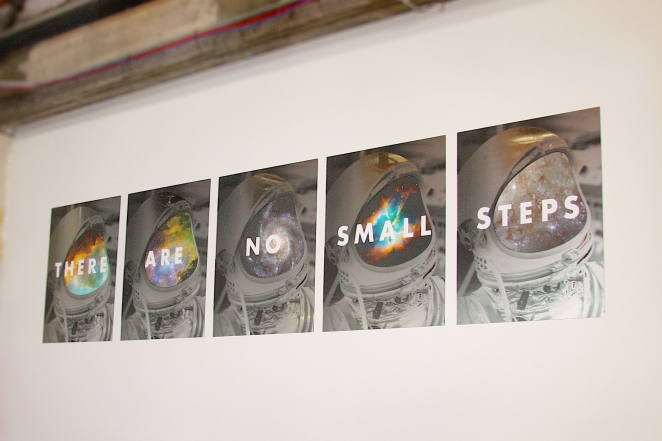
This bold pivot not only rekindled his creative fire but positioned his business as a forward-thinking boutique for clients seeking a mix of classic creativity and modern innovation. Marc’s story proves it’s never too late to reinvent around new tech; his magnum opus may yet lie ahead.
Mentorship, networking and community played a major role here. Indeed, Marc created a “bridge of mentorship and reciprocal learning” between his seasoned team and young tech-savvy creatives, so both generations learn from each other.
For your own pivot, consider tapping into communities like Creativepool, professional networks, and alumni groups. There are likely others in the same boat eager to share resources on courses, job openings in emerging roles, or simply to trade moral support as you navigate changes.
Successful Late Career Pivot Strategies
So, how can you practically execute a pivot in this AI-transformed landscape? Here are some strategies and steps to get you started:
Audit Your Strengths and Passions
Begin with self-reflection. What aspects of your creative work do you love and excel at? Which of those are uniquely human (e.g. storytelling, client relations, big-picture thinking)? These are the pillars to build your new path on. At the same time, identify tasks you do that could be automated or have become commoditized – those you might de-prioritize moving forward.
Scan the Horizon for New Roles
Stay informed about emerging job titles and needs in the creative sector. For example, roles like AI experience designer, creative technologist, AR/VR strategist, prompt writer, data-driven marketing lead– these didn’t exist when you started your career, but could be perfect pivots that value both creativity and tech. Feed job ads or industry reports into an AI tool and ask what new roles align with your skillset; you might discover surprising matches.
Upskill in Targeted Bursts
You don’t necessarily need a new degree, but you do need new skills. Leverage micro-learning – short online courses, tutorials, or even YouTube masterclasses – to get up to speed on key tools and concepts. Aim to become “AI-fluent” in your field: for a designer that might mean learning a generative art program; for a content creator, mastering AI writing assistants; for a video producer, exploring AI video editing or deepfake tools.
Even 10–30 minutes a day of learning can compound into significant new expertise over time. Make a short list of top priorities. (Tip: Adrienn Major suggests focusing on AI-native workflows, real-time 3D production, and creative operations automation – areas she sees shaping the near future of creative work.)
Rebrand Yourself and Your Portfolio
As you develop new skills, update how you present yourself. Craft a narrative in your CV, LinkedIn, or Creativepool profile that highlights your evolution: e.g. “Senior Graphic Designer → AI-augmented Brand Designer.”
Create a portfolio section for projects where you used AI or innovative techniques – even if they’re self-initiated experiments or mock projects for imaginary clients. Showing that you can blend old and new will make you stand out.
Leverage Your Network (and Build New Ones)
Don’t underestimate the power of who you know. Let former clients, colleagues, and friends know about your new direction – you might find your first opportunities for pivoted work through referrals from those who trust your foundational skills. Simultaneously, immerse yourself in communities where the action is.
Attend an AI in Design meetup, join online forums about creative tech, comment on industry articles (like on Creativepool) to increase your visibility. Networking isn’t just for newcomers – your decades of experience combined with fresh enthusiasm can actually attract mentors and collaborators from younger generations who respect what you bring.
Stay Adaptable and Iterate
A pivot is rarely a straight line. You might try a new service offering or role and realize you need to adjust course. That’s okay. Treat this process as a design challenge or a creative brief – prototype, test, and refine.
Maybe you initially brand yourself as an “AI consultant” but find more success marketing yourself as a “digital storyteller with AI expertise.” Be open to feedback from the market, and be ready to tweak your path. The goal is a sustainable, fulfilling niche where your skills shine, not to perfectly follow a preset plan.
Advocate for Human Creativity
Finally, remember that as someone with history in the industry, you can be a voice for how to integrate AI ethically and effectively. Clients and teams might need guidance on setting boundaries for AI (e.g. respecting copyright or avoiding homogenization of creative work).
By positioning yourself as a leader who understands both the creative soul and the machine, you stay relevant not just as a contributor, but as a guide in this new era. Creatives are increasingly calling for balance – using AI as a “sidekick” rather than a rival, and being transparent about when AI is used. You can help shape these practices.
Thriving Over Surviving
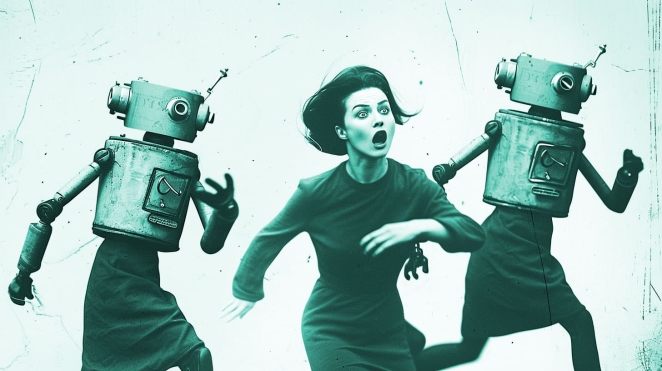
The dawn of AI in the creative industries has undoubtedly brought anxiety, especially for those who have built entire careers under different paradigms. But as we’ve explored, it’s also bringing opportunities for those willing to pivot.
The landscape is shifting, but it’s far from barren. In fact, it may be fertile ground for a new chapter of your career – one where your experience and wisdom are augmented by powerful new tools, not obliterated by them. Yes, some roles will disappear or be unrecognizably transformed. But new ones are already emerging. The transition might be uncomfortable, but it’s also exciting.
By staying curious, continuously learning, and courageously repositioning yourself, you ensure that you won’t be left behind as everything around you shifts. Instead, you’ll be in step with the future – maybe even a few steps ahead. The late-career pivot is not a sign of failure; it’s a strategy for longevity. In the age of AI, perhaps the most creative act of all is to reinvent our own careers. And who better to do that than creatives themselves?
Don’t fear the change – be the change
In short, don’t fear the change – be the change. The world will always need human creativity, and with the right pivot, you can continue to offer it in ways more relevant than ever. As the data shows, most creative leaders are embracing AI with cautious optimism.
By pairing your hard-earned expertise with a fresh toolkit, you too can not only survive this industry evolution, but shape what comes next. The story of your creative career isn’t finished – in fact, with a smart pivot, the most exciting chapters may still lie ahead.