Zoltan Toth
Costume Designer
ABOUT
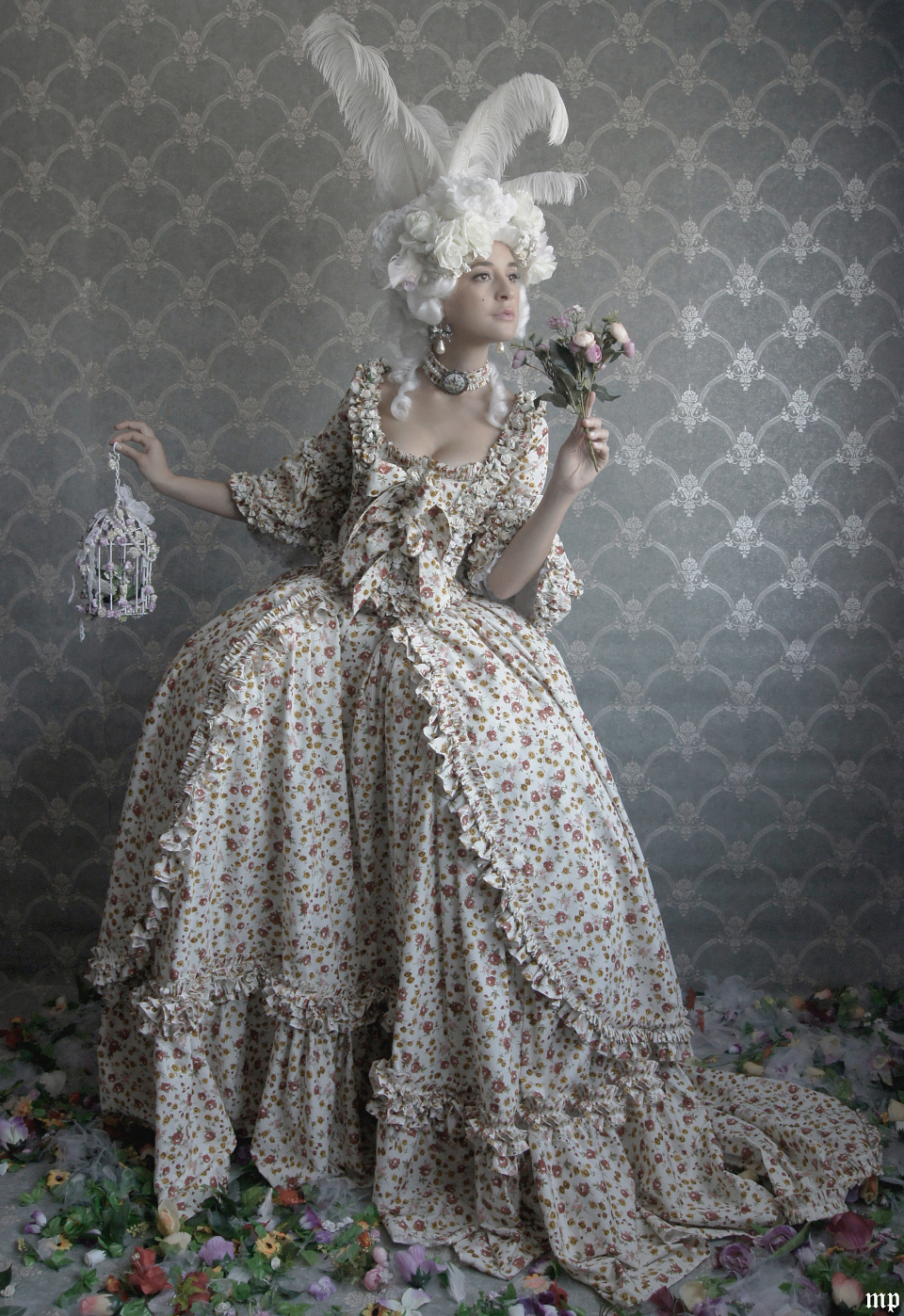
A project that was inspired by French Rococo and Madame Pompadour herself who was one of the most influential personas in the world of fashion and taste in the french court.
The costume was created for portfolio purposes
Description:
This rococo court dress is inspired by the fashions of enlightenment and the enigmatic, beautiful Jeanne Antoinette, Marquise de Pompadour, Mistress of King Louis XV.
The charming and talented young lady met the King of France in 1745 at his splendid masked ball where he was dressed as a yew tree. The famous tapestry capturing the magnitude of the event is displayed in the hall of mirrors in Versailles. Jeanne Antoinette, (or Reinette, as she was called amongst her family) came dressed as Diana the Huntress. She quickly caught the attention of the King mesmerizing him with her intellect and beauty. With immediate effect, Jean Antoinette became the official mistress, “maitresse en titre” to Louis and was never to return home to her husband.
Reinette was titled Marquise de Pompadour and received her private apartments in Versailles where she reigned for nearly 20 years as mistress and a dear friend to the King. Life at Versailles was a harem of pleasures practicing and encouraging cheerful entertainment such as gambling, hunting, dancing and above all, love making. She put all effort into bringing joy into the king’s life by accompanying him while hunting, playing cards and touring, throwing lavish parties and organizing theatrical plays.
From the moment of her arrival at court, she directed and inspired everyone in quest for perfection. Tastes, manners and routines began to reshape in her presence to pure excellence. A woman of great influence and style, love for music and arts, the Marquise became a muse and patron for philosophers, writers, painters and artists and a true champion of French pride.
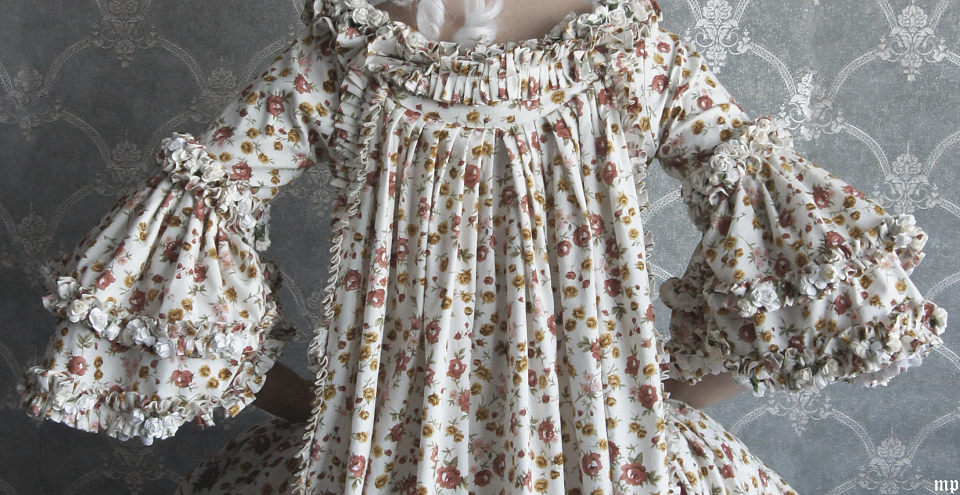
Many of Boucher’s stunning portraits of the Marquise display flawless style, impeccable taste and admiration for light pastel colors and floral patterns. With her influence for fashion, new fabric and silhouette developed during this era. Exposing busting breasts was achieved by wearing tight corsets and petticoats. Panniers, (wide hoops) were worn under the skirts extending sideways. Extremely wide skirts were worn for formal occasions, smaller ones for everyday life. Pagoda sleeves were decorated with ribbons and lace ruffles. The robe a la francaise, the official court dress and the robe a l’anglais were most popular. Getting dressed required many separate garments, accessories and ornaments that could be taken apart, rearranged, mixed and matched. Expensive trimmings and accessories were designed to emphasize maximum value and visual impact, a real status quo that dictated the style and fashionableness of the wearer. Lace could cost as much as jewels, was highly valuable and passed down from generation to generation. After pieces went out of fashion they were given to servants or second hand stores where they would see a remake. A court dress was reassuringly stagnant with its status and formality, compulsory on ceremonial occasions and Sunday court. Worn all across Europe, its function was to make the wearer look rich and powerful. These magnificent garments were an extraordinary luxury that became a very successful advertisement for wealth remaining in use for more than 100 years.
Rococo, as an art movement was harshly criticized as being unnatural, frivolous and morally corrupting. However its enthusiasts were fascinated by its playfulness, theatricality and its emphasis on ornament. Daring and triumphant, Rococo with its opulent fashion and extravagant sentiment continues to inspire today and its short but huge influence remains one of the most celebrated and recognized trends in the history of fashion.
For the creation of this dress 30 meters of cotton silk and about 500 flowers were used.