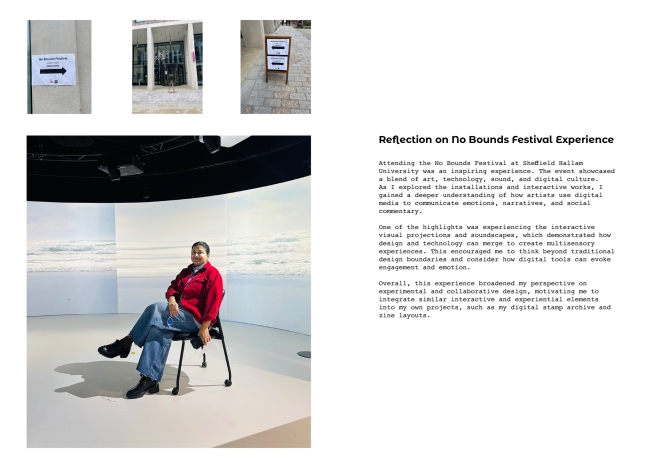

As I enter the final stretch of my design degree in Sheffield Hallam University, England, I am purposefully shaping my practice so that I graduate ready to contribute immediately. The design world is evolving quickly; senior creatives advise that curiosity, adaptability and critical thinking are now just as important as technical skills. With that in mind, I’m building a well‑rounded foundation while also honing the specific abilities employers value.
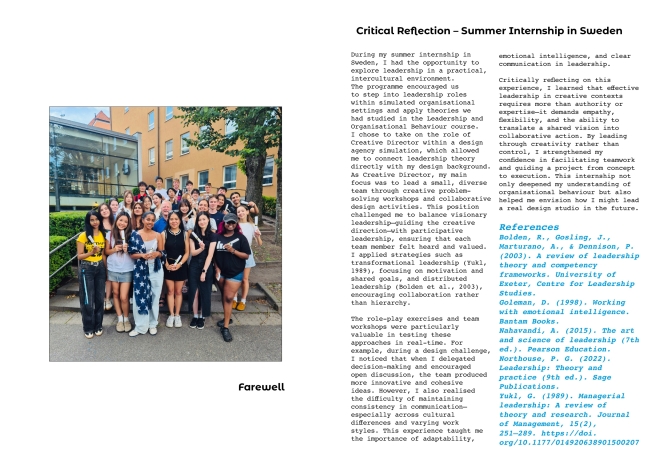
Staying curious and mixing mediums
The design landscape never stands still. Logo designer David Airey notes that curiosity helps designers adapt and discover new ways to create meaningful work. I constantly explore new tools and techniques, from traditional sketching and physical mood‑boards to motion design and AI‑powered software.
Handcrafting ideas forces me to slow down and think; senior designers say that experimentation with paper, pencil and physical materials engages the brain in ways digital tools often cannot. I’ve been keeping a sketchbook, crafting mood boards, making prototypes and reflecting on them to spark fresh ideas and avoid falling into repetitive patterns.
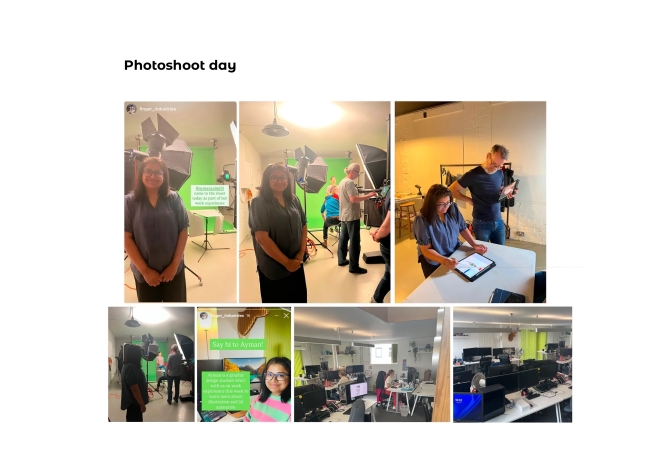
Leveraging technology responsibly
AI isn’t a gimmick—studio founder Jessica Walsh emphasises that designers must integrate AI thoughtfully to enhance creativity while keeping a human perspective. In my recent projects I’ve used generative tools for ideation, concept exploration and repetitive tasks, but final decisions are always grounded in user research and design principles.
I’m also improving my motion and short‑form video skills, because brands increasingly need dynamic identities and storytelling beyond static assets.
Building a T‑shaped skillset
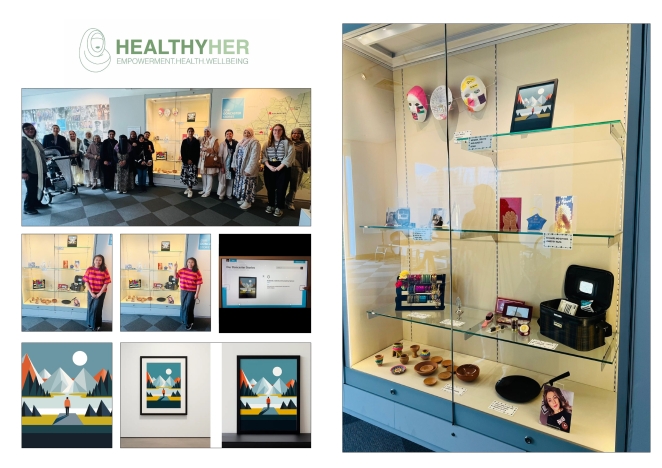
David Barnett at Chelsea College of Arts encourages graduates to balance a deep specialism with broad awareness of other disciplines. My specialism is interaction and communication design, but I’m deliberately sampling adjacent fields—service design, typography, illustration, animation and even coding—to become a more versatile collaborator.
Exposure to philosophy, music, psychology and history also enriches my aesthetic and informs my work. I’m not aiming to be a jack‑of‑all‑trades; rather, I want to connect knowledge across domains, making me adaptable and ready for transdisciplinary projects.
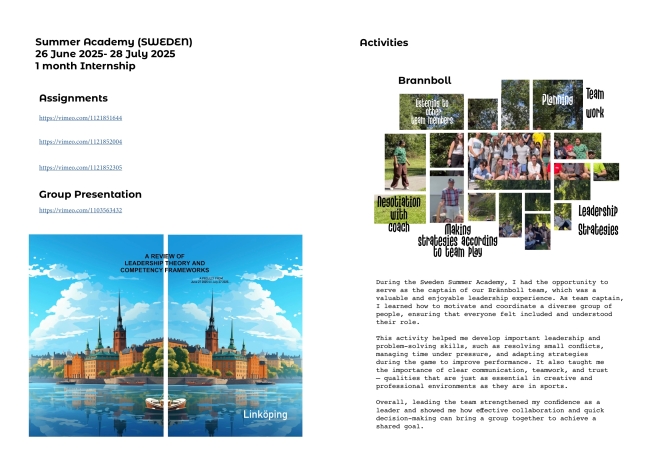
Honing critical thinking and storytelling
Employers repeatedly say they look for critical thinkers who can articulate why a design works. I’ve been practising strategic problem‑solving by grounding projects in research, questioning assumptions and aligning decisions with user needs and business goals. In critique sessions I justify my choices, connect them to brand strategy and tell compelling stories—skills that will help me sell in brave ideas.
Polishing my portfolio and online presence
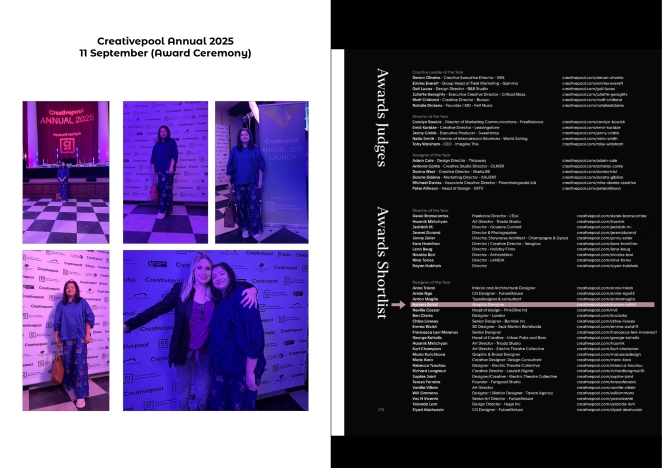
Hiring managers often won’t even review candidates who lack a dedicated portfolio website, so I’m developing both a website and a PDF case‑study document. The website will be simple and easy to navigate (with clear case studies), because recruiters skim quickly and expect to grasp a designer’s value at a glance.
I’ll also maintain a PDF version to adapt to application portals that accept only file uploads. Each project will highlight my process, from initial sketches through iterative testing to final outcomes, emphasising how decisions tie back to research and user goals.
Networking and applying strategically
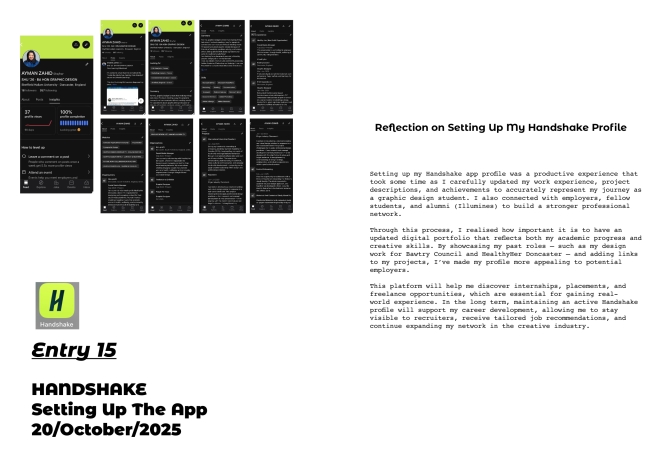
Finding the right opportunity requires intentional effort. Career coaches at The Futur recommend carefully selecting target companies, researching their needs and building relationships rather than blasting out applications. I’m identifying organisations whose values align with mine, following their work and attending events to meet their teams.
Networking may feel uncomfortable, but design‑school graduates who attend meet‑ups and industry events expand their circles and often discover roles through conversations. I also tailor each application and use interviews to understand what hiring managers want, then present work that’s relevant.
Practising resilience and giving ideas space
Creativity takes time; rushing can prevent exploration. Anna Gerber encourages designers to allow ideas to percolate and to plan the design process so there’s room for unexpected directions. I build breaks into my workflow and accept that not every idea will work; reflecting on failures makes me more resilient.
Marina Willer notes that setbacks are inevitable and that learning from them strengthens both skills and character.
Closing thoughts
This year is about finishing my degree strong and preparing to add value to a forward‑thinking team. I’m cultivating curiosity, mastering both digital and traditional techniques, embracing new technologies responsibly, broadening my knowledge, sharpening critical thinking and storytelling, refining my portfolio, networking intentionally and strengthening my resilience.
Employers and recruiters seeking a designer who combines empathy, strategic thinking and craft will find I’m ready to hit the ground running—excited to contribute, learn and grow.