Muhammad Umar
Textile Designer
ABOUT
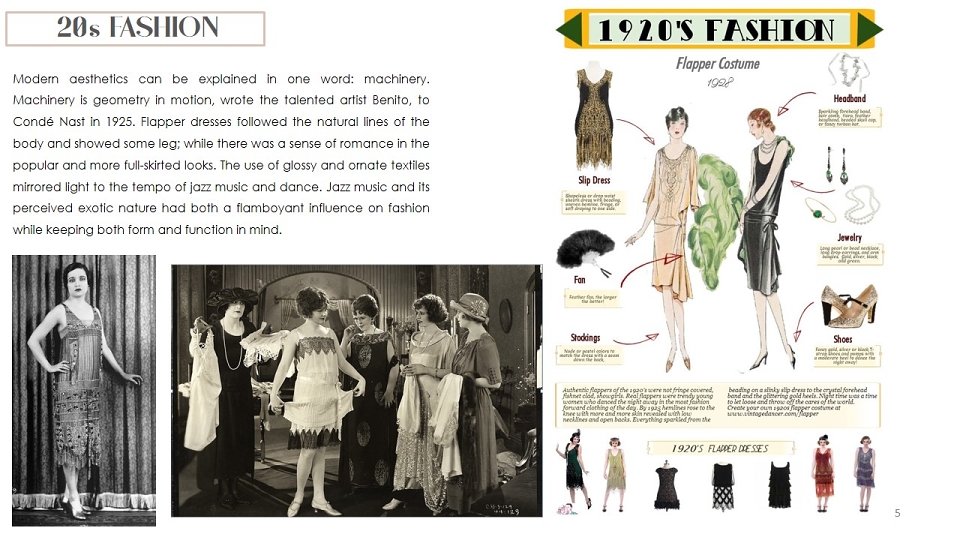
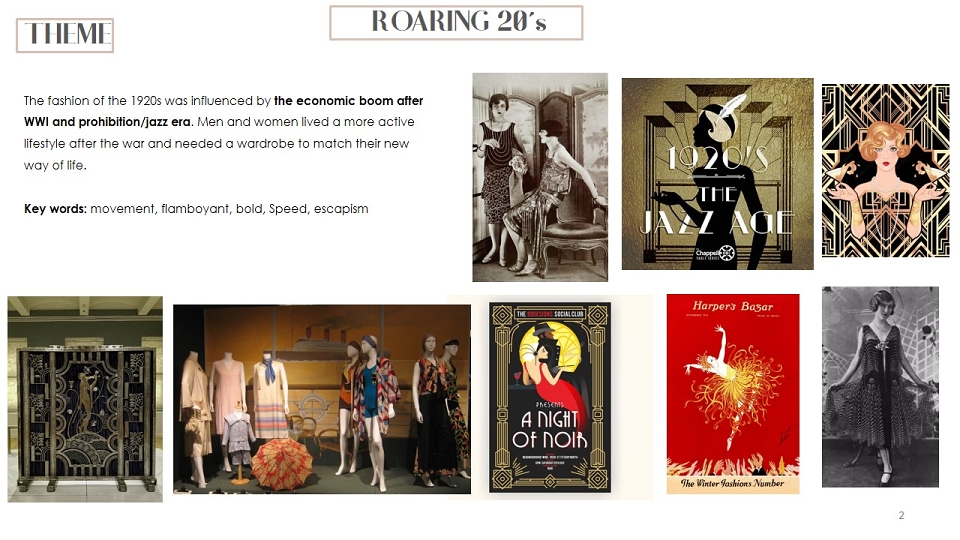
The reason for the topic was to explore and study the fashion trends of the 1920s that evolved into the 1920s. The beginning of the modern era and the era of industrialization which inspired and changed not only people's lifestyle but also their sense of fashion. The 1920s brought prosperity and opportunity to many, though not all. More people purchased consumer goods such as cars and ready-to-wear clothing. They made more outings. They wanted everyday wardrobes that were simpler, more casual and practical than the previous decade. Women's styles have changed more, as they have enjoyed new freedoms and greater participation in public life.
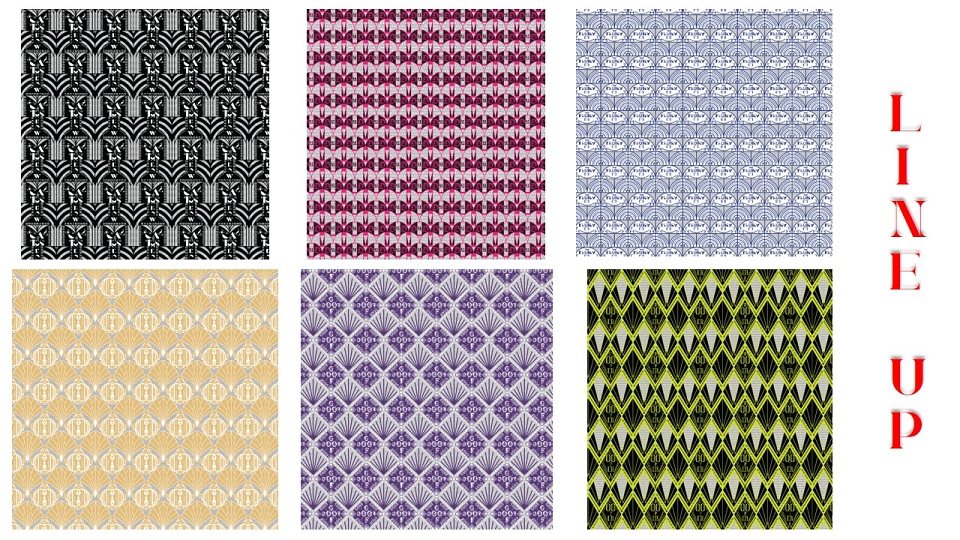
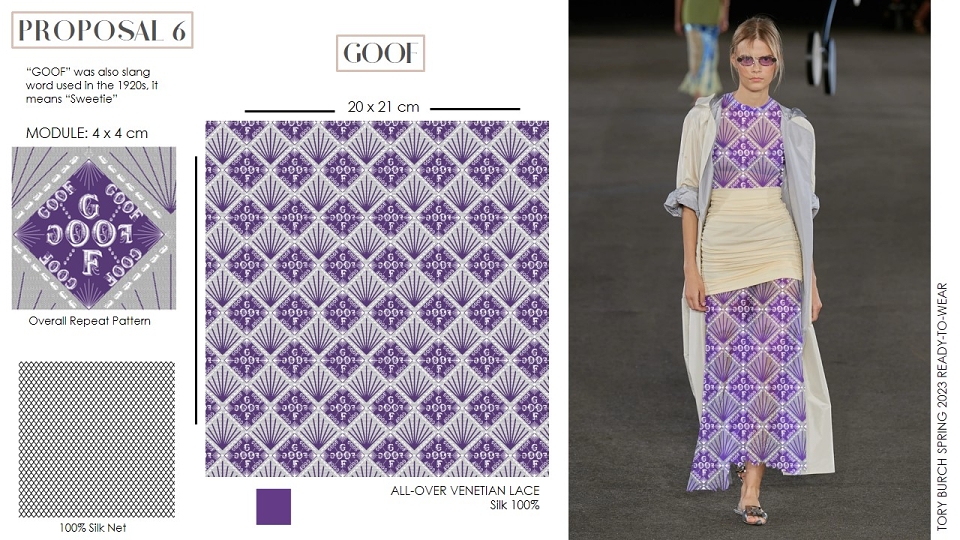
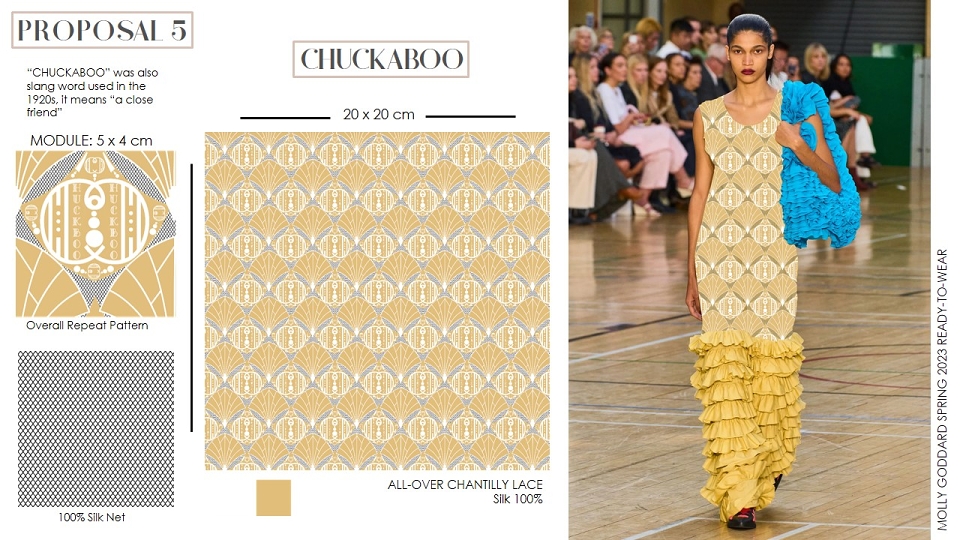
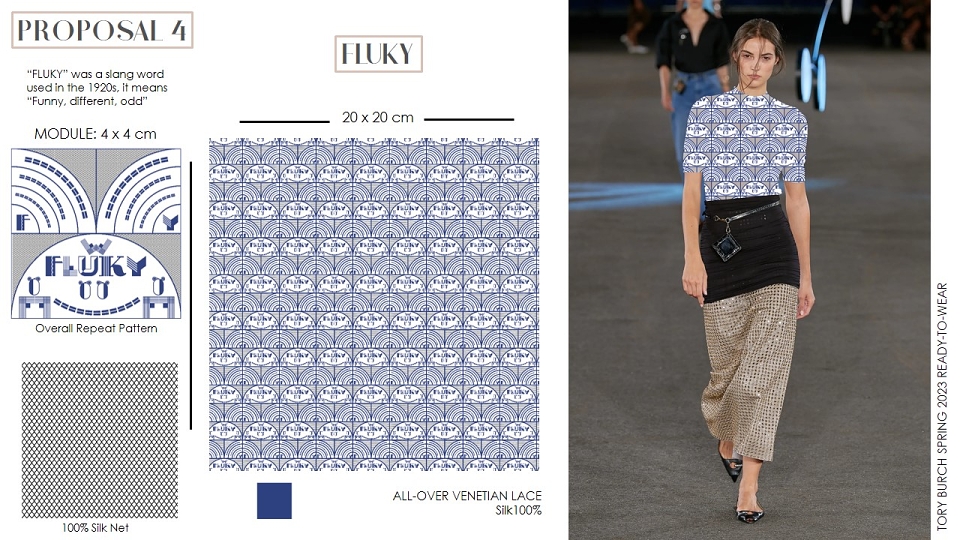
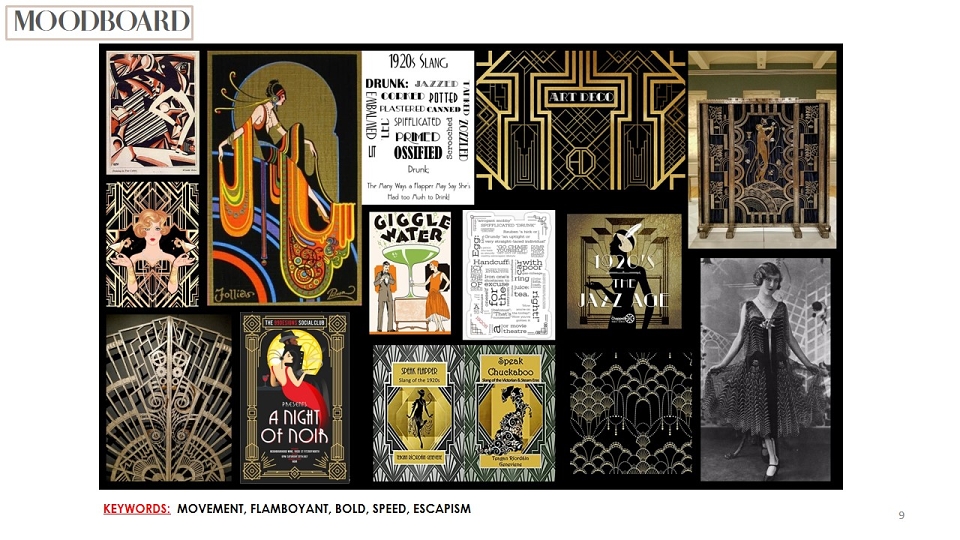
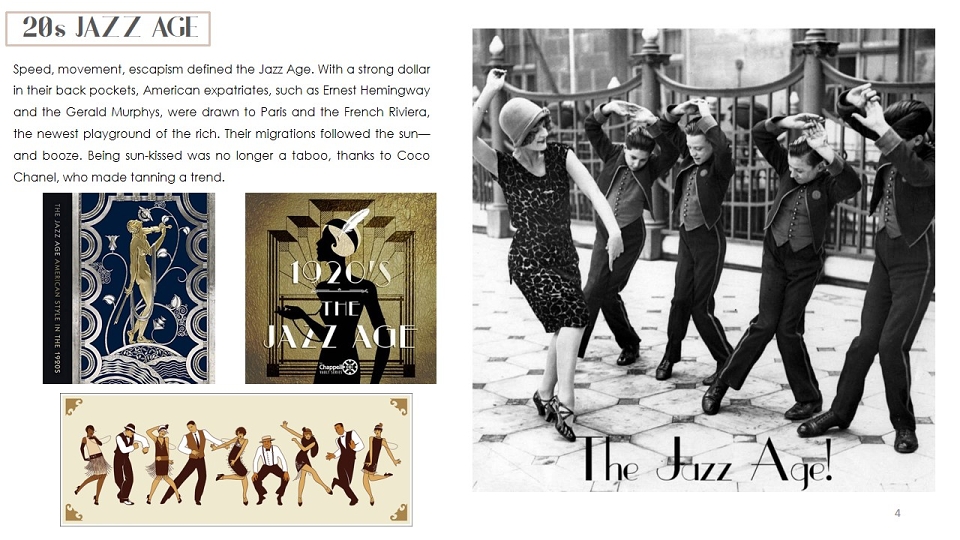
1920s fashion was influenced by the economic boom after World War I and the Prohibition/Jazz Era/Art Deco era. Men and women lived more active lifestyles after the war and needed a wardrobe to match their new lifestyle. Keeping the essence and idea of 1920s in mind, my research approach to the topic was through 2 different topics, Art Deco, slang of 1920s. Incorporating and experimenting with both to develop something innovative and elegant.
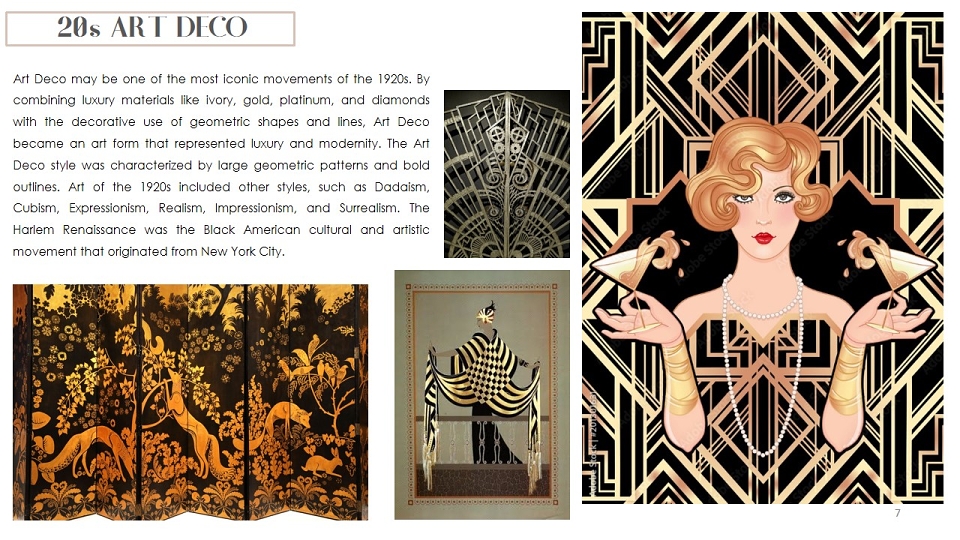
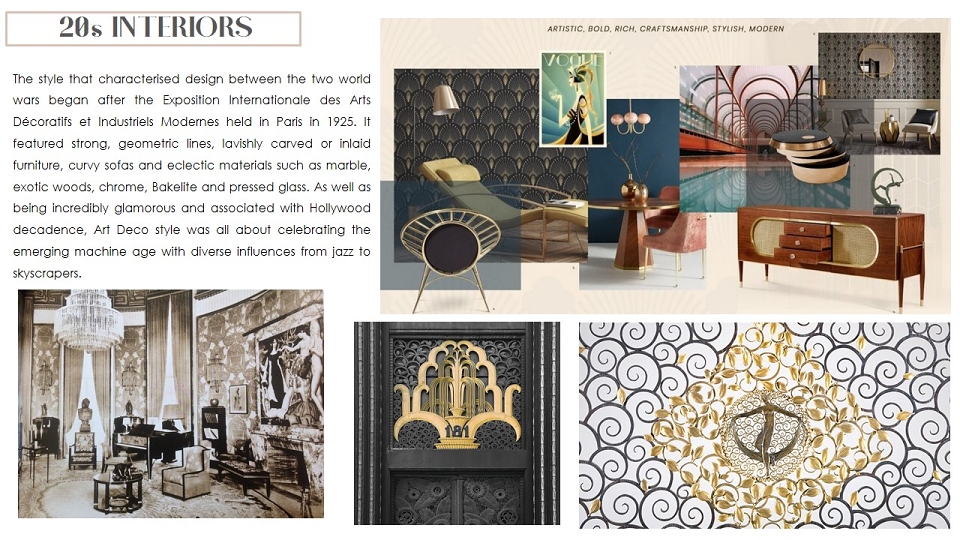
Art Deco first developed around 1908. It quickly spread to Western Europe in the 1920s and to the United States in the 1930s. The Art Deco style became extremely popular, expanding into several artistic disciplines. From that moment on, although it was only recognized as a style in its own right in the 1960s, it has affected the visual and decorative arts, fashion, architecture, filmography and product design. Art Deco created objects that reflected modern progress, representing a modern twist on traditional decorative crafts. . His focus was not on fine arts but on applied arts, as functional but also beautiful and luxurious. The distinctive features of the style are the simple and clean shapes, often with a "slimming" appearance; geometric or stylized ornament with representative shapes; and unusually varied, often expensive materials, which often include artificial substances (plastic, especially Bakelite; life glass; and reinforced concrete) as well as natural ones (jade, silver, ivory, obsidian, chrome and rock crystal) .
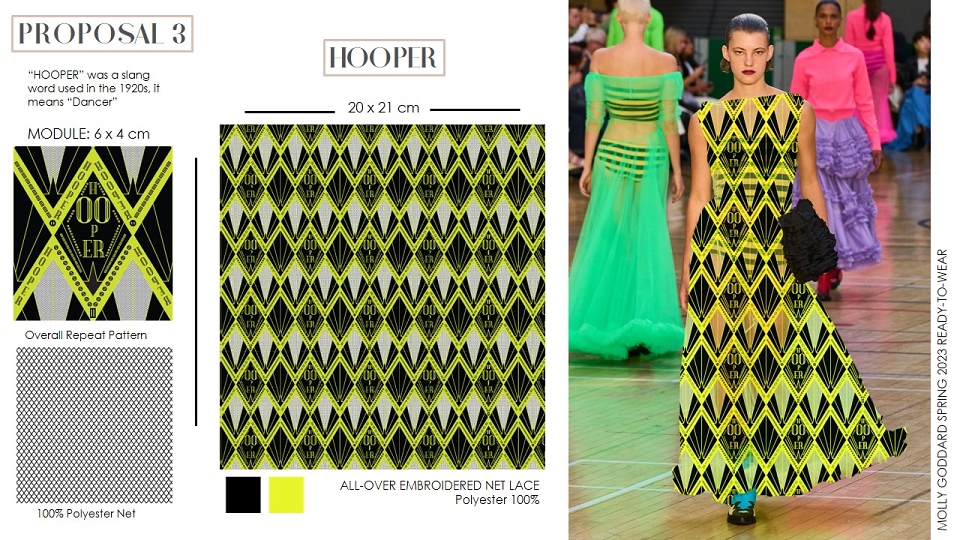
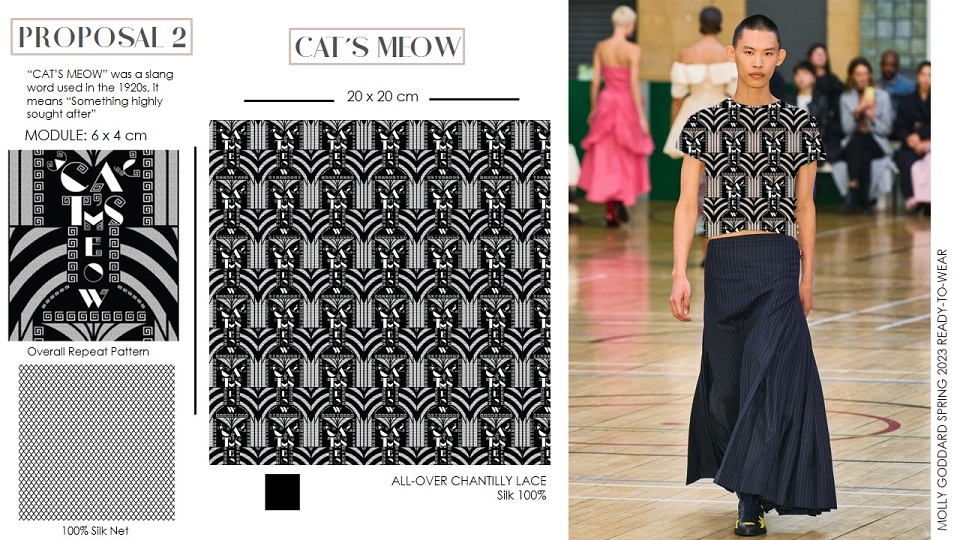
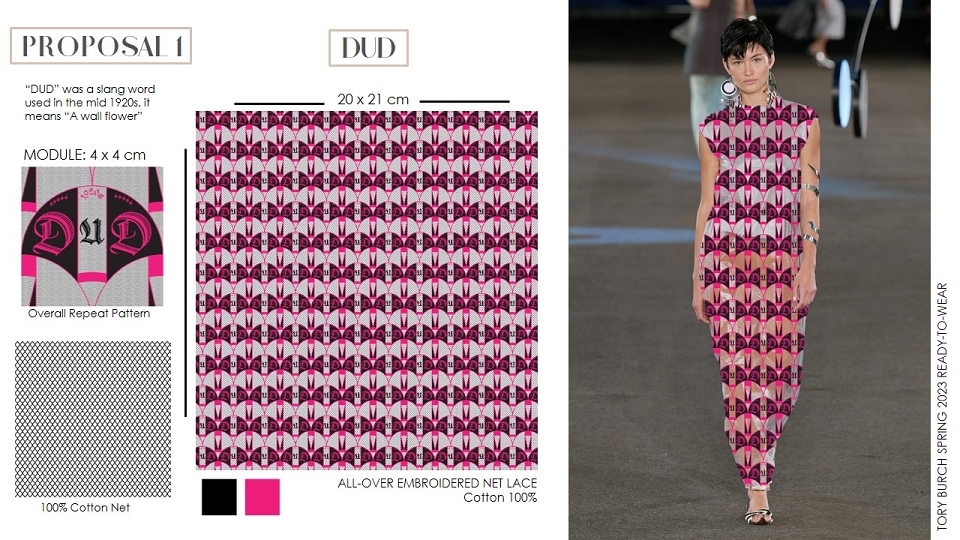
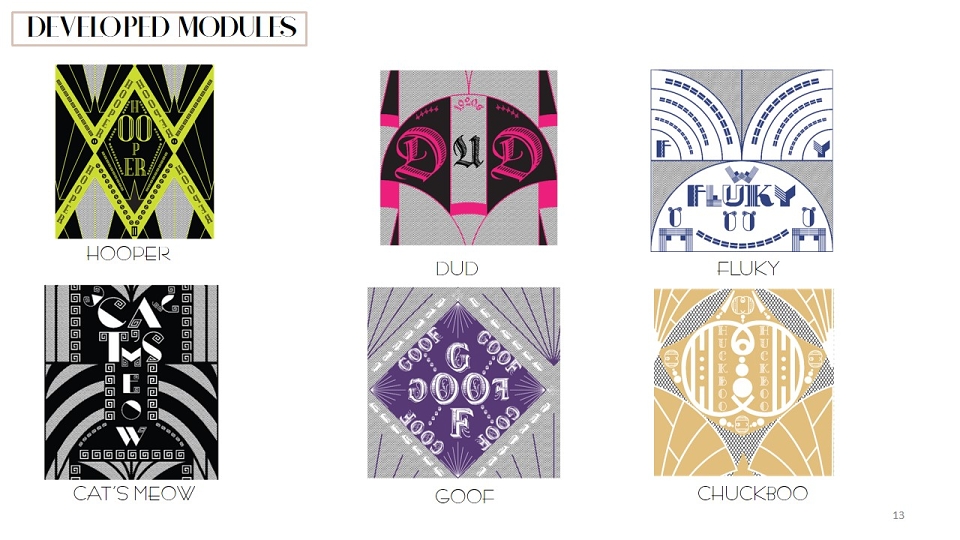
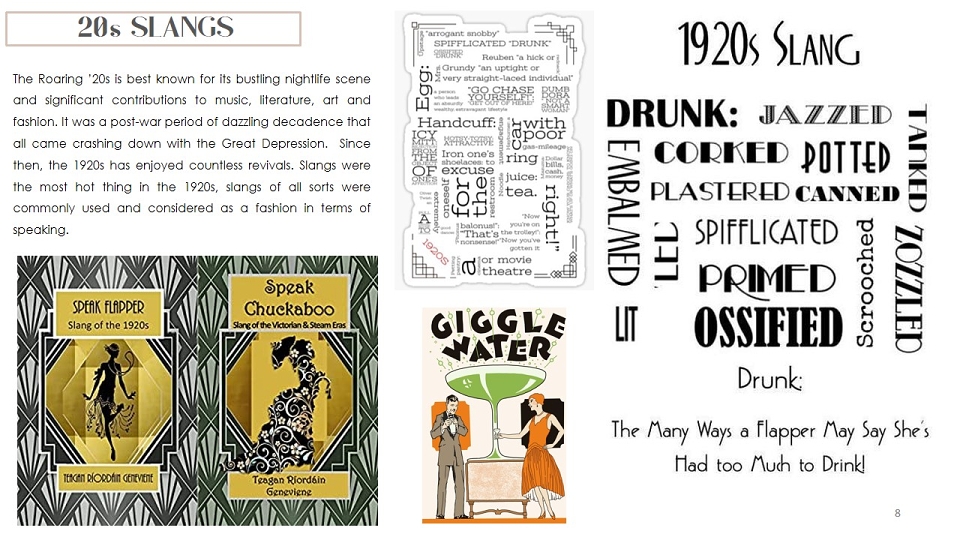
The 1920s were the first decade to emphasize youth culture over older generations, and the flapper subculture had a huge influence on mainstream America; many new words and phrases were coined by freed women. Many of these are still used today. Slangs were the buzzwords in everyday conversations that simplified their meaning and the art of speaking. Such words were often used and thrown around among the younger generation.
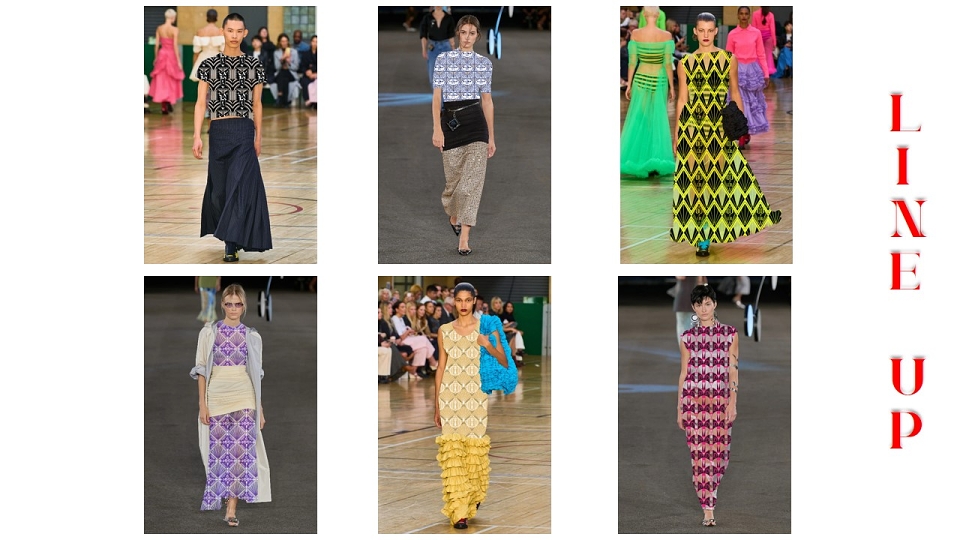
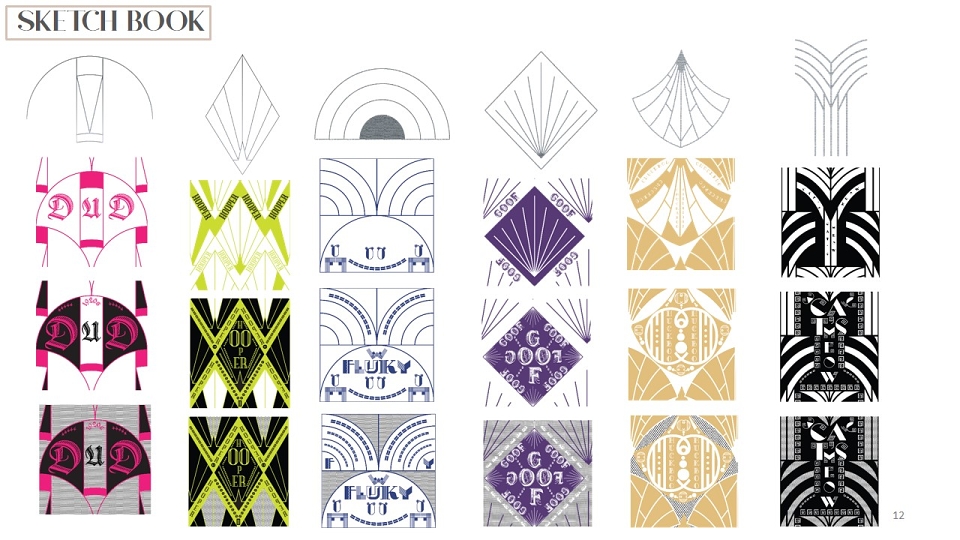
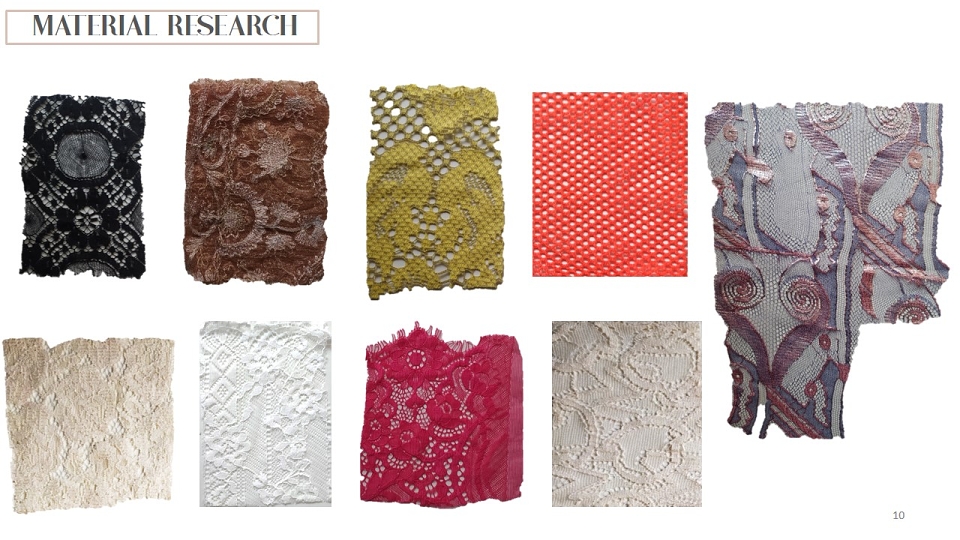
The inspiration and realization of the project came from the use of line in the geometric yet modern aspect of art deco designs by incorporating and mixing them with slang language, which shaped the initial development of the project. Various experiments and sketches were carried out. By combining and implementing the research results and related material, they were used in the development of the design layout proposals and in the development of the sketchbook. Since the topic was retro and lively, the materials explored and the samples collected, the yarns and the color chart were also compliant, maintaining the essence of the topic while rejuvenating it and giving it a new identity. The contrasting textures and material compositions were also used as inspiration in developments to better understand the final design effect that will appear on the proposed design.
Finally, the choice to select these topics, visualize and experiment to create something completely different, was a little difficult to imagine since the process of thinking and visualizing 1920s fashion into something new and innovative was a little challenging, but in the end the end result was quite inspiring and trendy.