

Fellow designers, let's talk about the elephant in the room—or should I say, the algorithm in our workspace.
I know many of you are scared about AI. And you know what? That's completely okay. Fear is a natural response when something threatens to change everything we know about our craft. I'm not here to play futurist or sell you some grand vision of tomorrow. I'm just sharing some thoughts from someone who's been pushing pixels, building brands, and solving visual problems for more than three decades.
The Thing About Being Afraid
Here's what I've learned: The fear isn't really about the technology—it's about losing what makes us us as creative professionals. And I get it. When I first encountered AI back in the early 2000s (yeah, this stuff has been brewing longer than most people realize), I had the same gut reaction.
I was fascinated by ALICE, Richard Wallace's chatbot, and even built my own with a hacker friend named George. We called her Electra. Looking back, it was primitive compared to today's tools, but the seed of something bigger was already there. The thing is, I didn't run from it—I got curious.
What Steve Jobs Taught Me About Magic
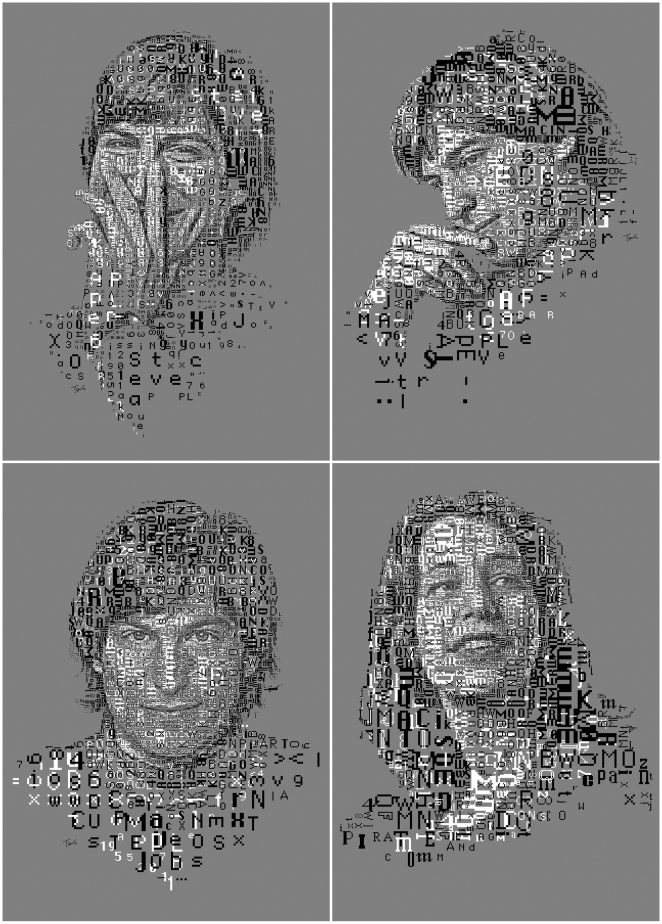
Jobs once said something that stuck with me: the people you admire are just people. Technology isn't magic—it's the result of human effort and research. That iPhone in your pocket? It's built on 500 scientific papers, carefully combined.
This perspective changed everything for me. Instead of treating AI as some mystical force, I started seeing it for what it really is: sophisticated math, guided by human decisions, trained on human creativity.
Why I Build My Own Tools
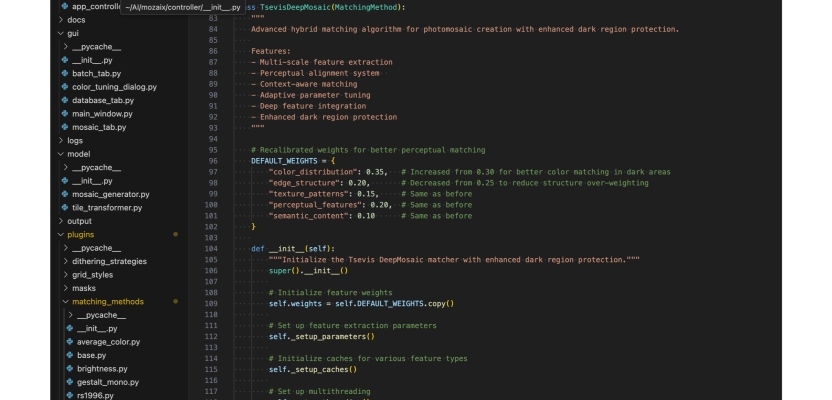
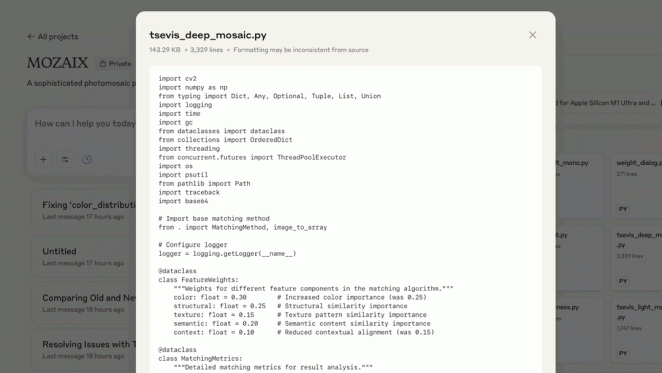
While everyone else seems content consuming whatever AI tools Silicon Valley serves up, I've spent years building my own. My Mozaix application didn't happen overnight—it's the result of applying everything my professors Bruno Munari, Nino Di Salvatore, and Augusto Garau taught me about perception and visual thinking.
They taught us that before you learn how to design, you must learn how to see. This isn't some romantic notion—it's practical wisdom that becomes crucial when working with AI.
When you understand the mathematical relationships behind color harmony, visual weight, and compositional balance, you can build tools that serve your vision instead of imposing someone else's aesthetic on your work.
The Real Secret: Creation Over Consumption
Here's where most designers get it wrong with AI. They approach it as consumers, not creators. They take whatever Midjourney or DALL-E gives them and call it a day. But that's like using only default fonts and calling yourself a typographer.
The real power comes from understanding these systems well enough to bend them to your will. Whether that means fine-tuning prompts, training custom models, or building your own algorithms, the goal is the same: maintain creative agency.
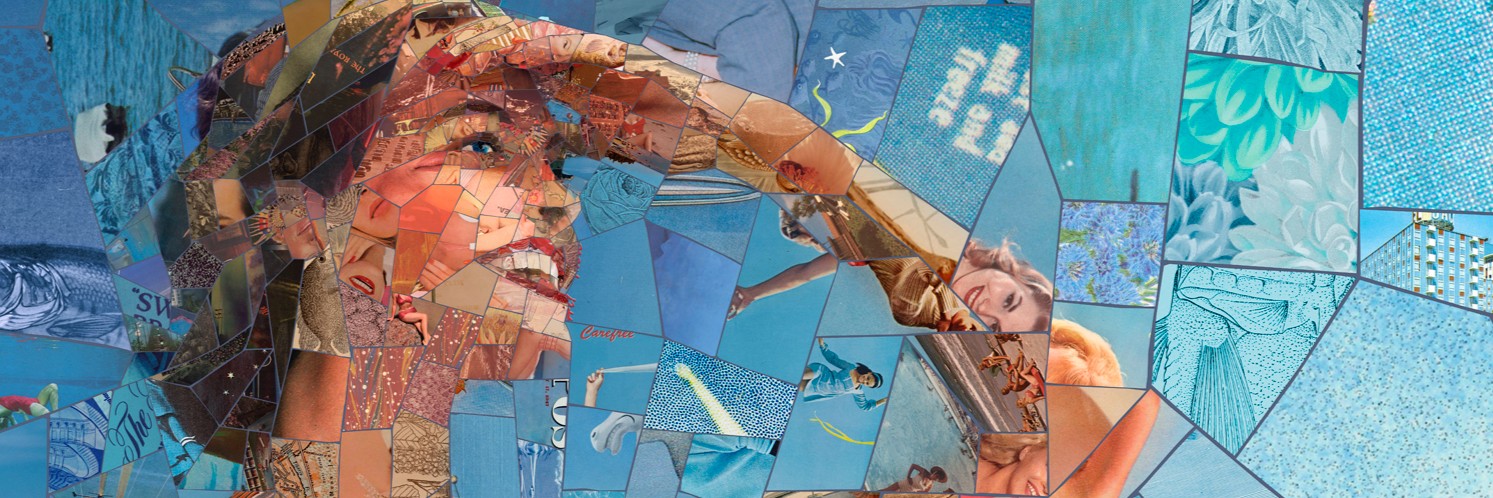
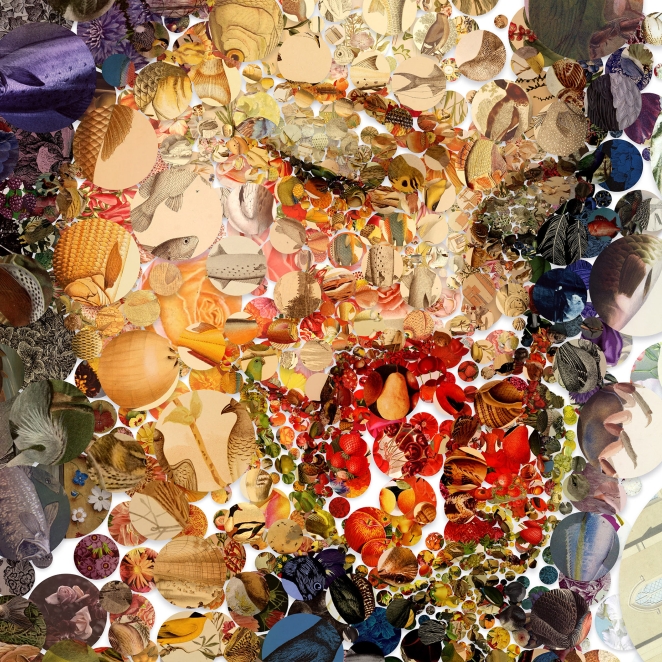
My "Two Roses" digital mosaic was created with scripts I developed years before today's GenAI tools existed. Each of the hundreds of shell and marine life images was positioned based on color, brightness, and sometimes structural similarity. It's computational, yes—but deeply human in its intention and execution.
A Framework for Staying Grounded
After all these years of watching technology trends come and go, I've developed what I call "The Grounded Creative" approach. It's built on six principles:
Earth-Based Foundations: Logic and natural rhythms still matter. Don't abandon what works just because it's not shiny and new.
AI as Tool, Not Master: Automation serves vision, not the other way around. The moment AI starts making your creative decisions, you've lost the plot.
Scientific Inquiry: Read the research papers. Understand how these systems actually work. ArXiv is your friend.
Creative Integrity: Don't imitate what AI generates. Use it to amplify your unique voice and vision.
Technical Fluency: Learn to code, understand GitHub, experiment with open-source tools. Break your own grids.
Purposeful Creation: Meaning trumps output. Slower often means deeper. Quality over quantity, always.
The Bottom Line
AI isn't going to replace designers—but designers who understand AI will replace those who don't. The key is maintaining your humanity while embracing the tools.
I recently spoke at a seminar with Marina Emmanouil, Maria Afroditi Patsi, and other brilliant minds about this exact topic. What struck me most was how the conversation kept returning to fundamentals: creativity, purpose, human connection.
Technology amplifies who we already are. If you're thoughtful, intentional, and skilled, AI will make you more so. If you're lazy or derivative, well... AI will amplify that too.
Where We Go From Here
I'm not trying to predict the future—I'm too old and too wise to play that game. What I can tell you is this: the designers who thrive in the next decade will be those who stay curious, build their own tools, and never forget that at the end of the day, we're solving human problems for human beings.
The technology will keep evolving. Our job is to evolve with it while staying true to what made us creative professionals in the first place.
Now stop reading articles about AI and go create something that matters.
But if you insist you can find a much more elaborated version of these thoughts as well as the whole presentation of my lecture in 2nd ACG/ACI Design Thinking and Emerging Technologies Seminar of the American College of Greece.
https://tsevis.com/grounded-creativity-in-the-ai-era
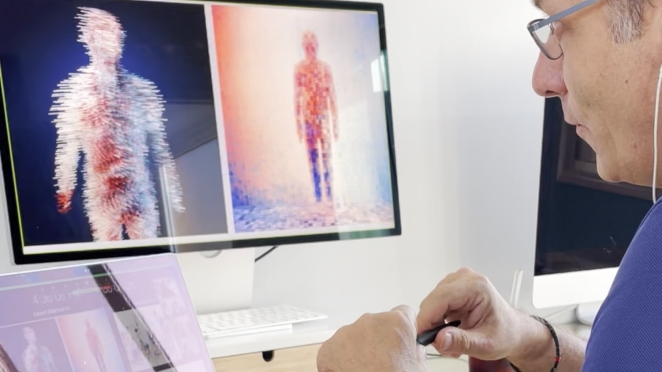 Charis Tsevis is a visual designer and creative technologist with over 30 years of experience. He's known for his digital mosaic work and custom creative AI tools. You can see more of his work and thoughts at his CreativePool profile.