Tom
Creative Director & Founder
ABOUT
What do Product Designers design when there’s no product left to design?
This is a question I’ve been asked a lot recently.
Firstly some context. This question comes from a situation where users are increasingly served an experience as part of a conversation, in a chat interface.
This conversation might be taking place in your own user interface, or it’s just as likely to be taking place in a third party environment – for example Slack, Teams, WhatsApp, Chat GPT and more – probably via an agent. An example is Chat GPT users speaking to Hevy’s agent to get a tailored workout plan.
When an experience takes place in a conversation there’s no longer a screen by screen user journey – in fact there really only needs to be a start screen, a chat, a library of the user’s activity and their settings. All this adds up to designers finding themselves without anywhere near as many screens to design as they might have traditionally, and starting to have existential thoughts.
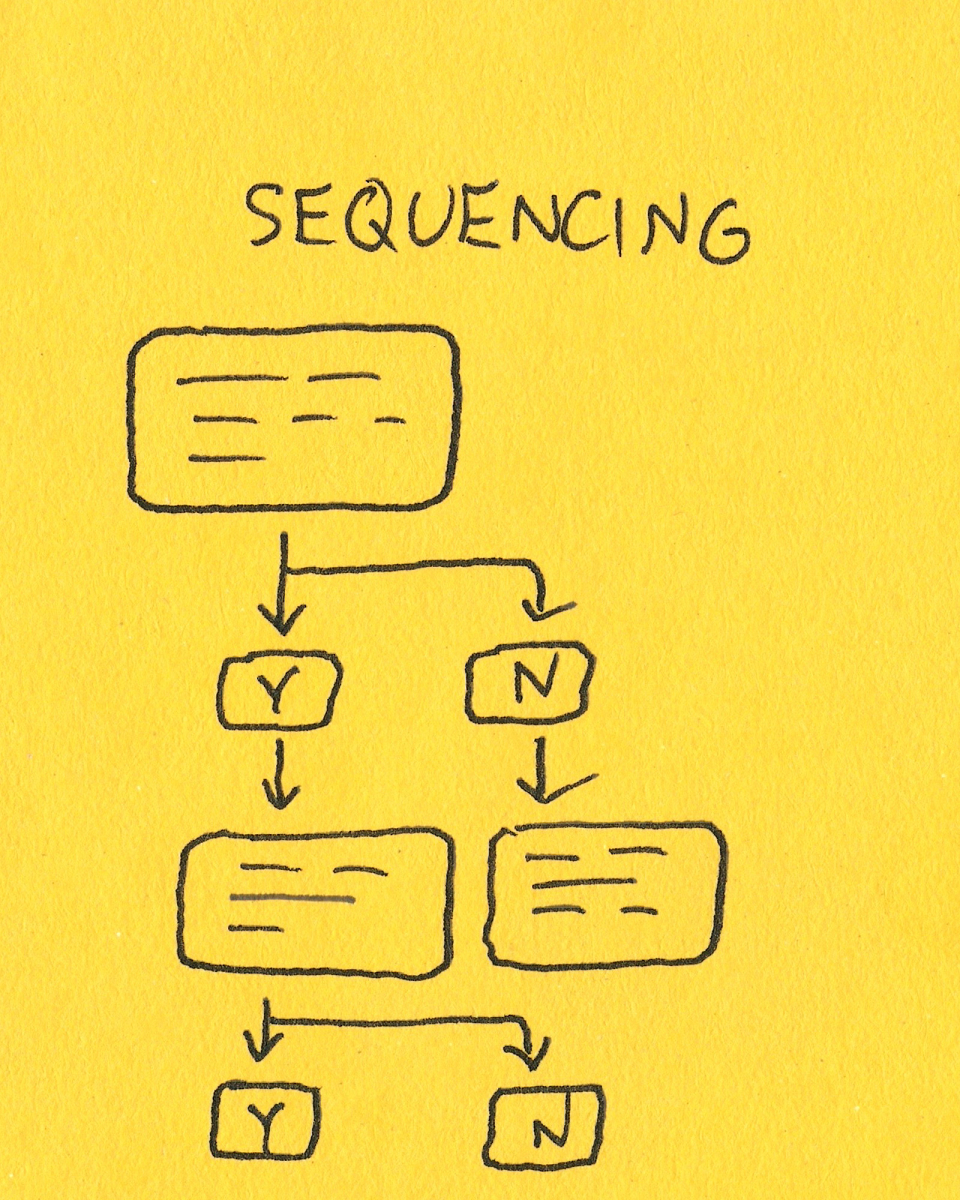
I don’t think they need to worry. Here’s what I think we will be designing more often in the future to be part of these conversations – rich living artefacts, informed by context. My view is this will still require a robust sequencing of steps – what many would call the UX part which has traditionally lived in annotation, along with increasingly expressive visual artefacts – generally the preserve of UI and graphic design.
These artefacts could be anything from simple artefacts (collections of image, text and video) such as competitor analysis, brand maps, content pillars and editorial content – through to interactive artefacts such as dashboards, infographics, calendars, gant charts which can be manipulated, customised and edited.
To be able to create these services here are the ingredients I think will need to be defined and designed.
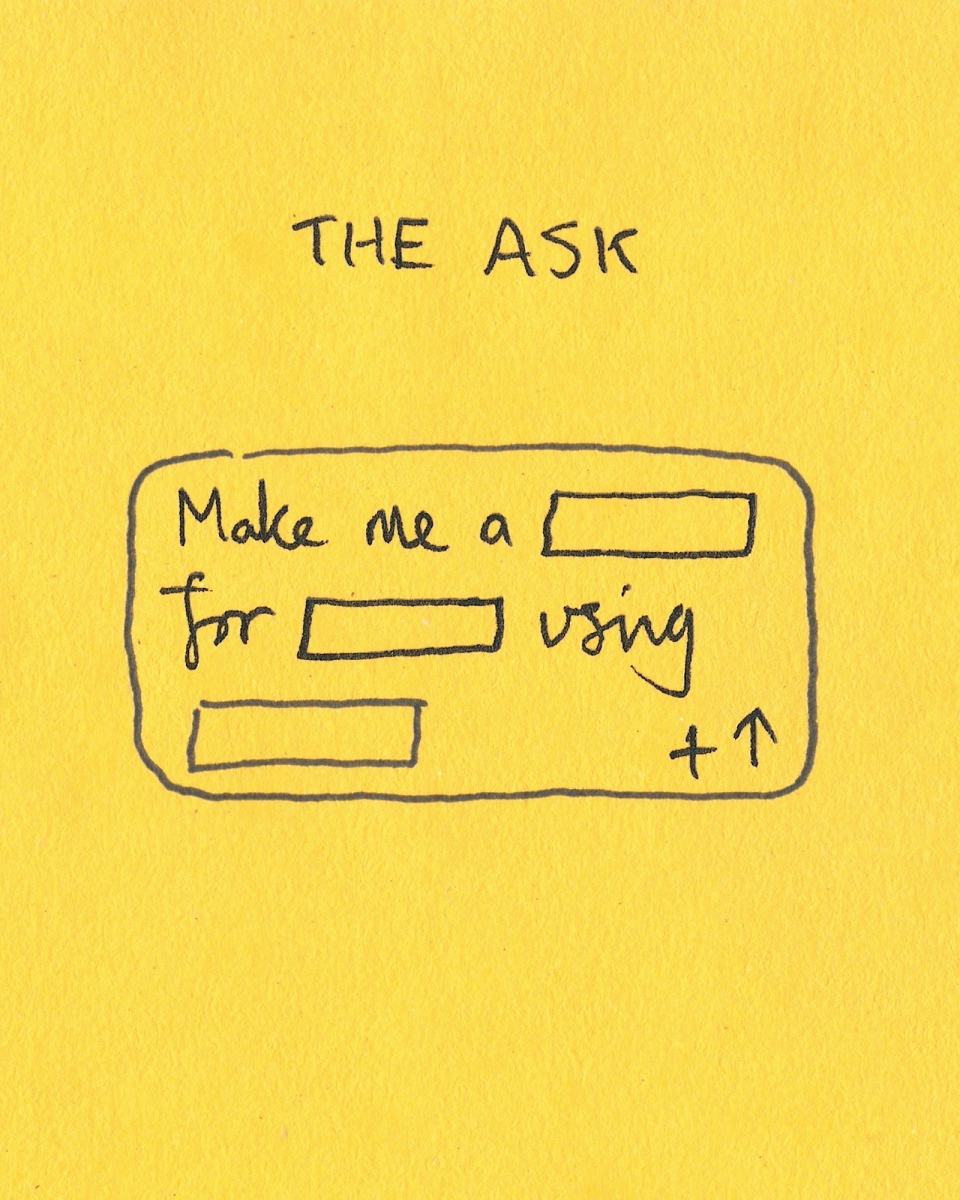
1. User intent signals – what the user might be prompting or asking for.
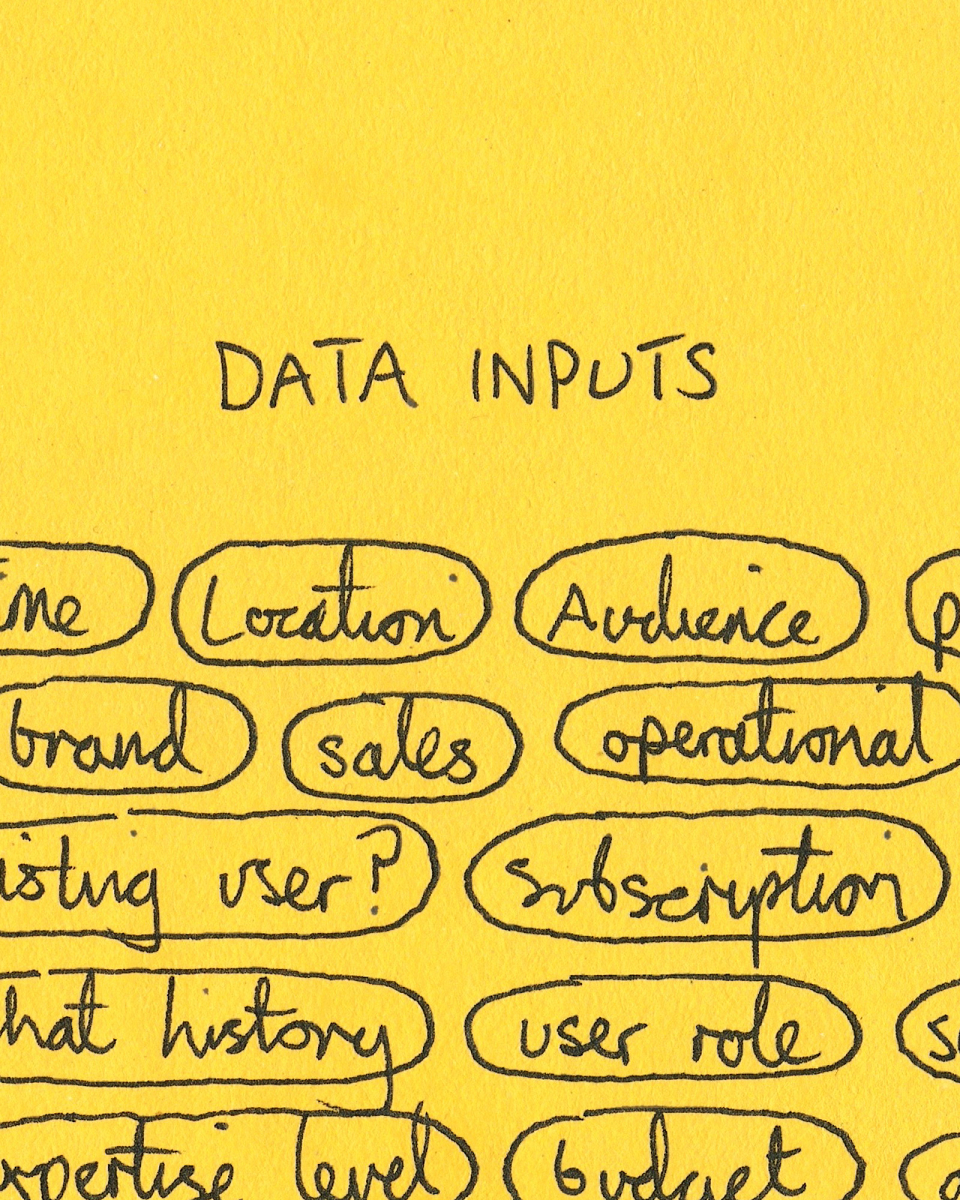
2. All the data inputs and integrations that will inform the creation of this service and output – where it gathers the intelligence that it brings to bear, beyond an LLM scraping the internet and social media. A friend Rich Boyd called 1 and 2 Context Design recently which was the first time I heard the phrase.
3. The user inputs needed, and the sequencing of questions that enables these to be gathered in a natural and easy way – and the steps required to establish a feedback loop on the quality and utility of the output. Did the user use the output, how would they rate it?
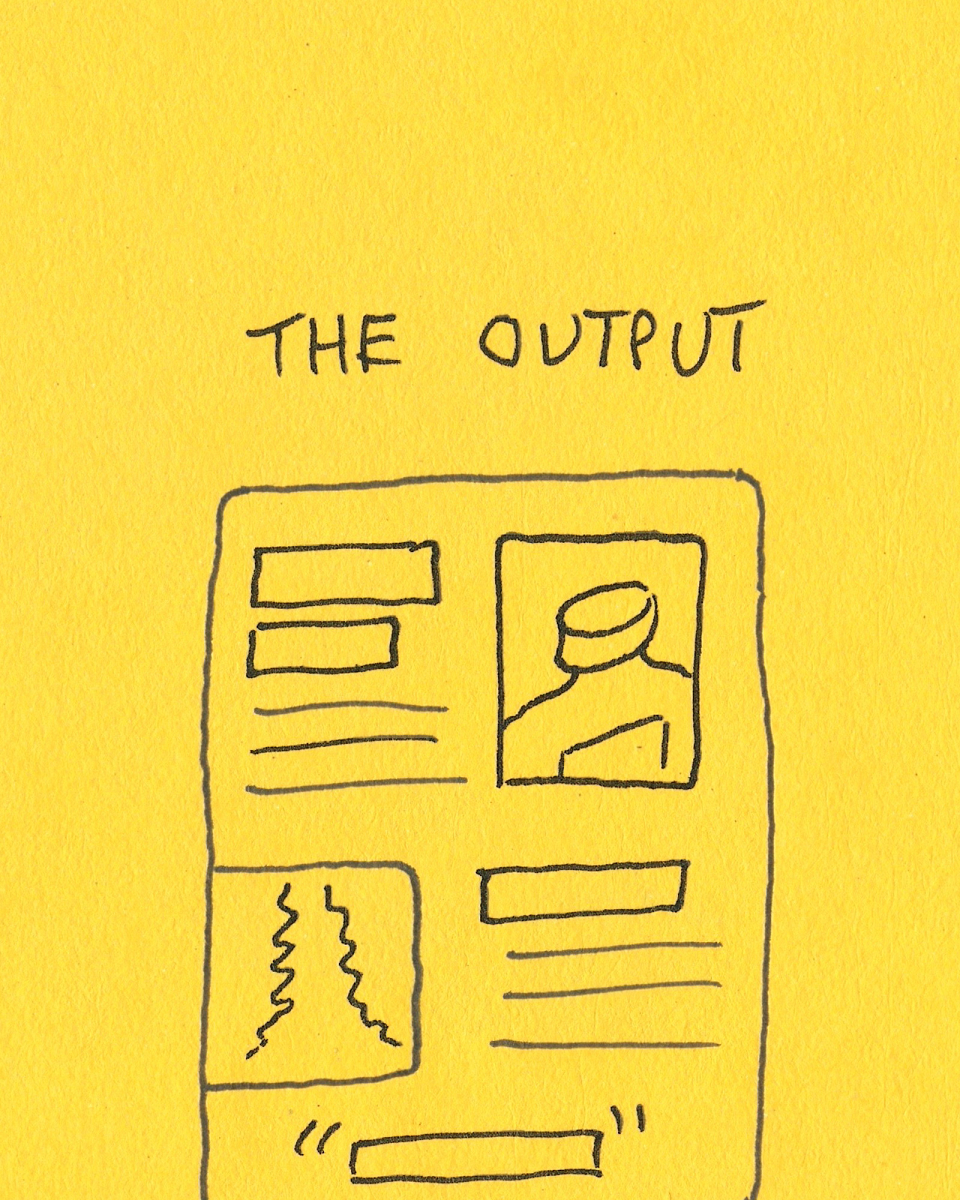
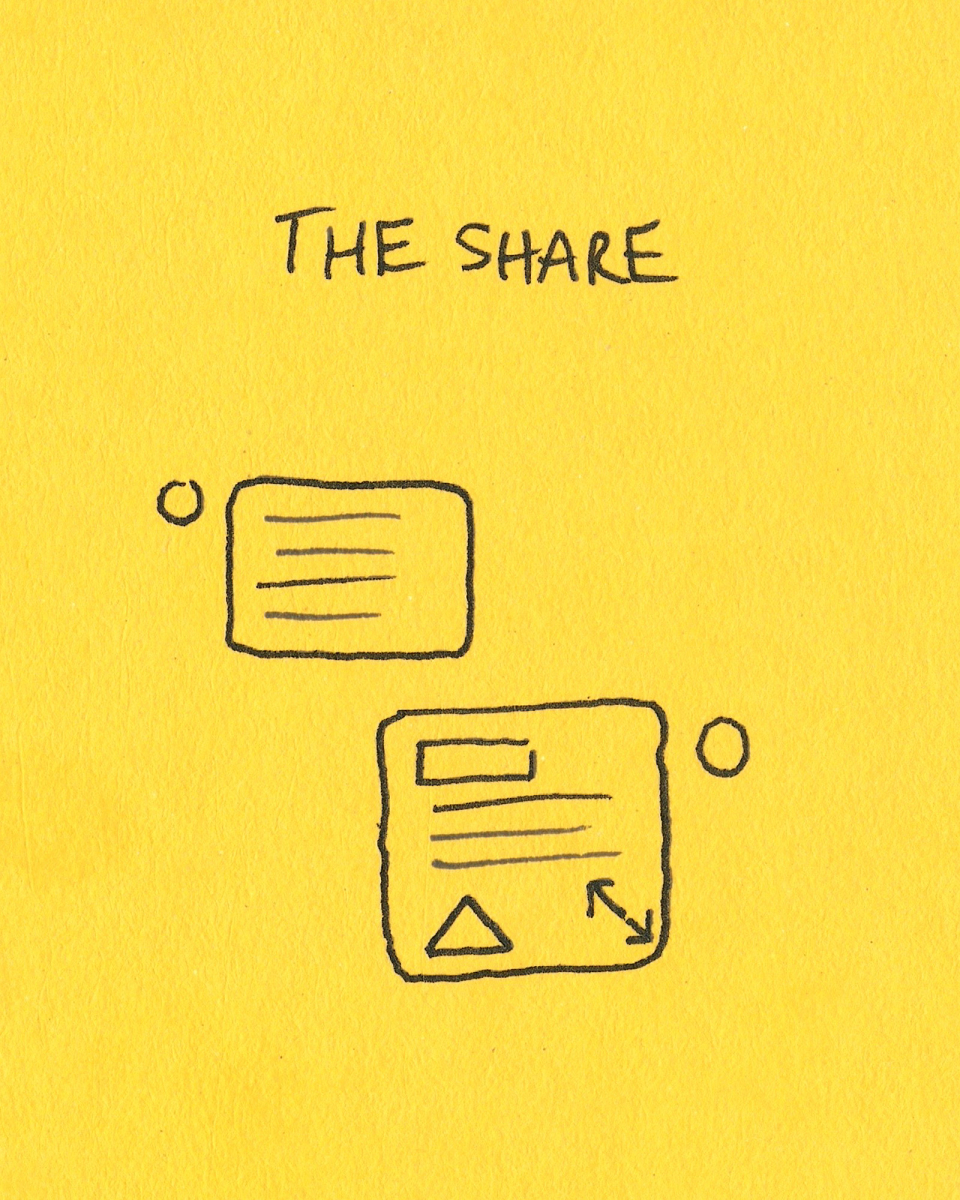
4. The artefact that is generated and the many states of this – if you think about a brief, or a one year budget – what is the minimum and what is the most comprehensive state this could have? I see this starting to move far beyond traditional design system led UI to an expressive artefact executed with brand assets – this could start to demand the skills traditionally used by editorial and brand designers.
5. The onwards journey of the artefact – where should it show up and what level of edit-ability or customisation is enabled. What other software should it be editable with, where can it be shared to
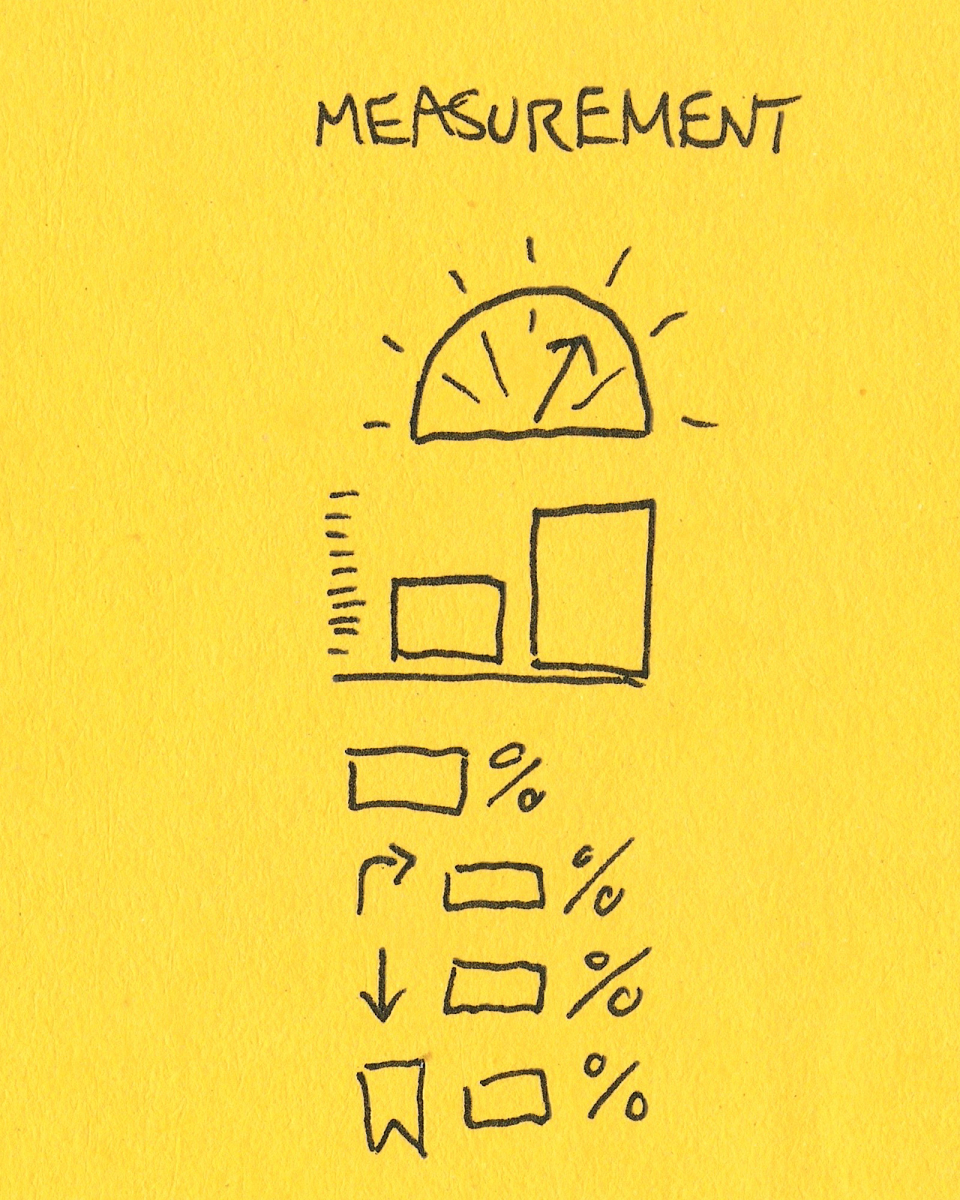
6. An iterative service cycle. With those feedback loops, and analytics and competitor research, how do we plan for continuous improvement to make this service the preference.
As I mention some of these tasks might lend themselves to a broader set of disciple writers – for example UX Writers, Content Designers and Brand Designers. I think taken as an opportunity rather than a threat there’s definitely scope for Product Designers to design artefacts that are expressive and immersive rather than simply functional. Then the question becomes how do you achieve a distinct feeling across all the services and artefacts you provide to differentiate them from everything else that might be in that conversation.
Let me know your thoughts, challenges and builds.
MADEIT CREDITS
-

TomCreative Director & Founder